
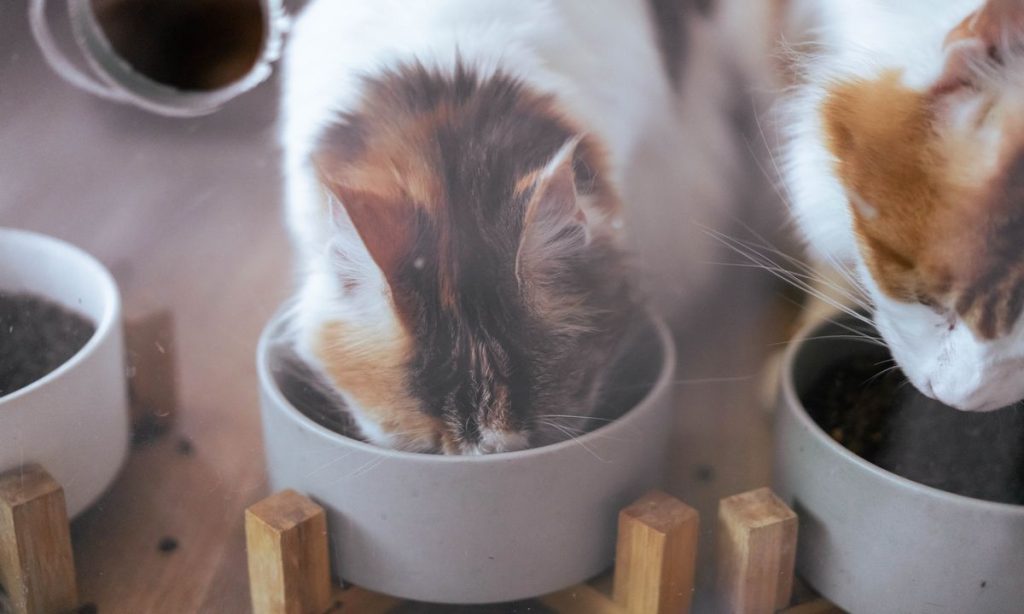
Feeding routines and portion needs for 6 month old kitten change as rapid early growth gradually slows. Your kitten is still growing and needs complete, balanced food intended for growth, but the meal pattern may become simpler than it was at ten weeks. The correct portion depends on weight, body condition, activity, and the food’s calories. Guessing by bowl size can lead to overfeeding or too little nourishment.
This guide covers feeding routines and portion needs for 6 month old kitten in a practical US household. It explains how to read feeding directions, divide meals, track growth, and avoid common snack mistakes. A page about cat food for 6 month old kitten can offer context on diet formats, but your kitten’s actual intake must fit individual needs. Start with a measured daily amount and adjust based on progress rather than a rigid online chart.
Understand what changes around six months
A six-month-old kitten is not yet a typical adult cat. Muscle, bone, and organ development continue, and nutrient needs remain distinct from those of a fully grown animal. Many cats do well on a food labeled complete and balanced for growth until about twelve months, although timing varies with size and veterinary advice. Check the nutritional adequacy statement instead of relying only on packaging words such as natural or premium. For a kitten with health concerns, seek a tailored veterinary plan.
Cornell University’s feline feeding guidance notes that kittens often benefit from three meals daily until six months, while twice-daily feeding commonly becomes practical from six months to one year. Individual kittens may benefit from more frequent smaller meals, especially when appetite or digestion is an issue. The number of meals is separate from the total daily energy allowance. The important question for feeding routines and portion needs for 6 month old kitten is how much nutrition is delivered across the whole day.
Measure calories before deciding the number of cups
Look for the food’s caloric density on its label, usually kilocalories per cup, can, or kilogram. Feeding instructions often show a daily amount for a kitten’s current weight and age. Use those directions as an initial estimate, not an exact prescription. Suppose a veterinarian recommends a hypothetical 300-kcal daily target and the food has 100 kcal per small portion. Three portions across the day would meet that target. These numbers illustrate the calculation; they are not a universal six-month-old kitten allowance.
A kitchen scale can help measure dry food consistently, and measuring cups can be used if the serving size is checked carefully. For wet food, calculate calories per can or pouch and include any dry food offered. Mixed feeding should not mean giving the full recommended amount of both foods. Our article on estimating daily portions of cat food provides background on measuring, but growth and body condition should guide adjustments. Practical feeding routines and portion needs for 6 month old kitten depend on the real energy density of the chosen food.
Build a consistent routine without forcing one timetable
Two or three measured meals can work for many healthy kittens at this age. A morning and evening schedule is easy for some households, while smaller, more frequent meals suit others. Keep the total daily calories appropriate regardless of the number of sittings. Serve food in a quiet space, away from aggressive pets or stressful household activity. Provide clean water continuously and wash feeding bowls often. The kitten should be able to eat without guarding the bowl.
If several household members feed the kitten, use a written meal chart to avoid accidental double servings. Count training rewards and snacks as part of the same daily allowance. Do not leave unrestricted food available when the amount being eaten is unclear or weight is increasing too quickly. Your kitten may also eat more actively after play. Feeding routines and portion needs for 6 month old kitten should be predictable enough that you can notice a genuine change in appetite.
Check growth, body condition, and appetite trends
Weigh the kitten periodically using the same scale and keep a simple record. A growth curve is more useful than a single number because body sizes and genetic backgrounds vary. Feel for the ribs beneath a light covering of tissue and observe the waist without expecting an adult silhouette. Your veterinary team can demonstrate feline body condition scoring. A kitten with rapidly increasing fat stores may need a portion adjustment; one whose growth stalls needs medical review.
Neutering can affect energy needs, but it does not make an immature kitten nutritionally identical to an adult cat overnight. Avoid abrupt calorie restriction or switching to weight-loss food without veterinary guidance. Check stool consistency, energy, coat quality, and hydration alongside weight. Ask for help if the kitten loses weight, refuses food, develops ongoing diarrhea, or seems unusually thirsty. Monitoring is essential to feeding routines and portion needs for 6 month old kitten, not an optional extra.
Balance wet food, dry food, treats, and water
Both wet and dry formats can contribute to an appropriate diet when they are complete and balanced for growth. Wet food adds moisture, and dry food can be convenient to measure, but nutritional adequacy matters more than texture alone. If combining formats, calculate each part’s calories. Keep fresh water in more than one accessible location if needed. Use clean, comfortable bowls that do not crowd the whiskers; the site’s guide to comfortable kitten bowl and portion setup provides related setup context.
Treats should remain a small part of the day’s calories so they do not displace essential growth nutrition. WSAVA commonly recommends keeping treats below about ten percent of the daily calorie allowance. Consider tiny portions for training rather than large snacks. Review the topic of kitten treat considerations for extra context without treating treats as complete meals. Feeding routines and portion needs for 6 month old kitten should emphasize consistent nourishment over novelty or frequent recipe changes.
Change foods gradually and watch digestion
When changing a kitten’s food, transition gradually over several days or as your veterinarian recommends. Sudden changes may contribute to soft stool or refusal to eat. Use the new food’s calorie information to recalculate portions; equal scoops may contain different calories. Keep meal timing consistent during the switch so you can identify what changed. If vomiting, persistent diarrhea, blood in the stool, or lack of appetite occurs, contact a veterinarian rather than continuing the transition blindly.
Avoid unbalanced homemade diets and unnecessary supplements unless formulated or directed by a qualified veterinary professional. Young cats need appropriate nutrient levels and ratios for growth. Do not offer cow’s milk as a routine kitten drink because many cats do not tolerate lactose well. Check all family members know which food and amount should be offered. These details make feeding routines and portion needs for 6 month old kitten easier to manage without guesswork.
When feeding problems deserve a veterinary visit
Contact the veterinarian if your kitten skips meals repeatedly, has reduced activity, loses weight, seems unable to chew, or has persistent digestive upset. Kittens can become unwell more quickly than healthy adult cats, so do not wait several days after significant loss of appetite. Discuss unusual hunger paired with poor growth as well. A physical exam may reveal dental, parasitic, or other health issues that changing brands will not solve.
Bring the food label, serving records, weight history, and notes about treats to the appointment. Ask whether the kitten’s current body condition, growth stage, and neutering status call for a calorie adjustment. The veterinarian can help plan the eventual transition to adult maintenance food when development is appropriate. A regular review turns feeding routines and portion needs for 6 month old kitten into an individualized plan grounded in health rather than social media guesses.
Frequently Asked Questions
Six months is a useful time to reassess meal frequency and portion measurements. It is not an automatic signal to stop feeding kitten-formulated food.
Use package calories and professional growth guidance together. A kitten’s size, activity, and health can change the best approach.
Can a six-month-old kitten eat twice a day?
Yes. Twice-daily meals often work at this age, though some kittens do better with smaller, more frequent portions.
Should I switch to adult food at six months?
Usually not. Many kittens need a complete-and-balanced growth diet until around one year, with timing individualized by a veterinarian.
How much should my kitten eat each day?
The amount depends on current weight, body condition, calorie density, and growth. Start with label directions and adjust with veterinary advice.
Can I feed both wet and dry kitten food?
Yes, if each is appropriate for growth. Count the calories from both formats rather than serving the full daily allowance of each.
What if my kitten always seems hungry?
Review portions and growth with your veterinarian. Persistent hunger with poor growth or other symptoms may require evaluation.
Final Words
Feeding routines and portion needs for 6 month old kitten should balance ongoing growth with a reliable feeding schedule. Choose food appropriate for growth, measure the full daily amount, include treat calories, and check body condition over time. The plan should change when your kitten’s growth or health changes.
For additional context, the site’s page about cat food for 6 month old kitten explains food-related questions. It cannot replace an individualized calorie target. Keep weight records and seek veterinary advice for poor growth, appetite changes, or persistent digestion problems. That is the foundation of feeding routines and portion needs for 6 month old kitten.









