
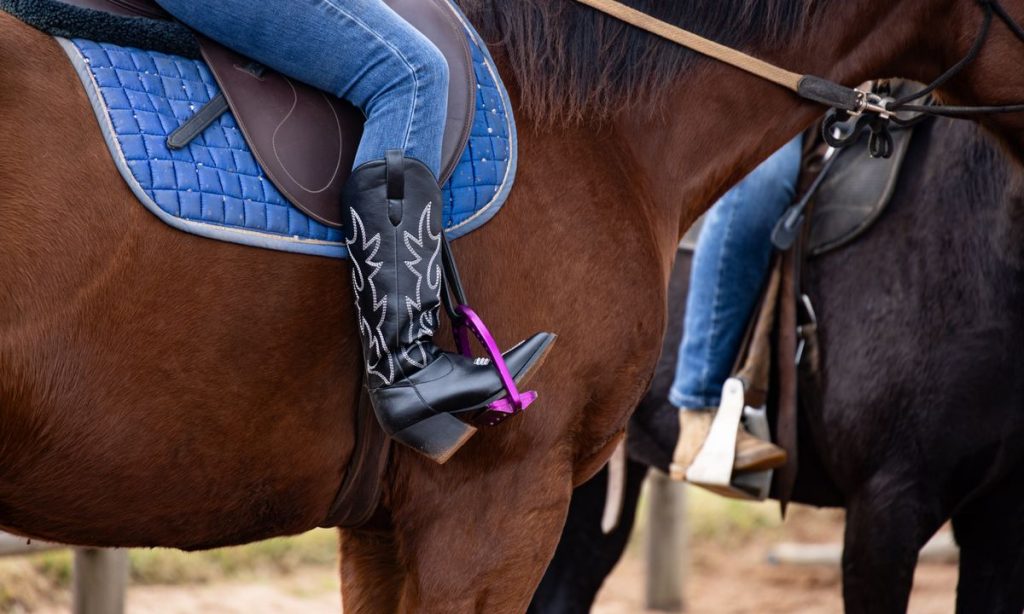
The best horse riding boots for beginners need to work with the stirrups and the lesson environment, not merely look like riding footwear. A defined heel and an appropriate sole can help reduce the risk of a foot slipping too far through a stirrup, while a comfortable fit supports balance and walking around the barn. We compared seven Amazon-verified paddock and tall riding boot listings for adult and younger riders. The selection includes simple synthetic paddock boots, rubber tall boots, and weather-oriented choices. We explain each pair’s advertised features and practical limitations without claiming personal testing. Before purchasing, ask your riding instructor about the stable’s footwear requirements and the type of stirrup used in lessons. For a broader clothing checklist, read our guide to what to wear riding horses.
Quick Picks
These seven verified listings offer distinct beginner footwear styles. Choose only after the riding instructor confirms the heel and sole suit the stirrups.
| Product | Best For | Key Advantage | Buy | |
|---|---|---|---|---|
| TuffRider Women’s Starter Front Zip Paddock Boots | adult first riding lessons | front zipper and synthetic leather upper | View on Amazon | Jump to Review |
| TuffRider Children’s Starter Paddock Boots | children starting lessons | entry-level short boot for youth | View on Amazon | Jump to Review |
| Ovation Vega Synthetic Paddock Boots | lightweight ankle boots | synthetic Vega-style leather and moisture lining | View on Amazon | Jump to Review |
| HORZE Rover Kids’ Tall Field Boots | children wanting tall boots | tall synthetic design with zipper | View on Amazon | Jump to Review |
| HORZE Chester Rubber Tall Riding Boots | weather-resistant beginner use | supple rubber tall boot with riding heel | View on Amazon | Jump to Review |
| Ovation Highlander Tall Winter Riding Boots | cold-weather lesson planning | tall winter insulation and covered lower leg | View on Amazon | Jump to Review |
| HORZE Wexford Women’s Paddock Boots | simple synthetic paddock style | zip opening and reinforced synthetic upper | View on Amazon | Jump to Review |
1. TuffRider Women’s Starter Front Zip Paddock Boots

What We Like
- Starter-focused design
- Front zip closure
- Elastic side gussets
- Water-resistant synthetic upper
What We Don’t Like
- Selected size may not suit every foot
TuffRider markets this ankle-length front-zip paddock boot as an entry-level design for everyday riding and stable work. A beginner should pay close attention to the heel, outsole and overall shape of the selected size. Riding instructors commonly advise purpose-built boots with a modest defined heel so the foot is less likely to slide all the way through a stirrup. An excessively bulky tread or wide shoe profile can create separate problems. Ask the instructor which footwear suits their tack. A front zipper may be simpler than stiff pull-on tall boots for early lessons.
Elastic side panels and a rubber outsole are described for support and convenient dressing. Comfort in the barn matters, but riding fit also depends on how the boot behaves in the stirrup. A heel should feel secure without squeezing the toes, and the boot should not catch when the rider needs to release the foot. Walk in the boots with riding socks and check how closures sit around the ankle or calf. New riders should avoid judging fit from photographs. The heel should stay seated when walking around the stable.
This selected size-eight women’s variant still requires foot-width, sock and ankle-fit checks before riding. Material and care affect long-term usefulness. Synthetic uppers can be easier to clean, rubber may suit damp conditions, and lined winter models may feel bulky. Allow footwear to dry after muddy lessons and inspect soles for excessive wear. Check the instructor’s rules before bringing an unfamiliar boot to the arena. Riding footwear is one part of a larger safety setup, alongside a suitable helmet and supervised instruction. The chosen women’s size must fit the rider’s real foot shape.
My Recommendation
TuffRider Women’s Starter Front Zip Paddock Boots is worth comparing when you need adult first riding lessons. Its distinctive advertised features include front zipper and synthetic leather upper, although we have not personally tested the product. The main limitation is that this selected size-eight women’s variant still requires foot-width, sock and ankle-fit checks before riding. If that makes this style unsuitable, look at HORZE Wexford instead. Confirm the actual size, try the boots with riding socks, and ask the instructor to approve the sole and heel for their stirrups. We value secure release, comfort and suitable lesson use more than appearance or a premium-sounding description.
2. TuffRider Children’s Starter Paddock Boots

What We Like
- Youth riding sizing
- Starter paddock shape
- Zip closure
- Synthetic material
What We Don’t Like
- Growing feet need regular checks
The children’s TuffRider starter version uses a front zipper and synthetic upper with ankle-length coverage. A beginner should pay close attention to the heel, outsole and overall shape of the selected size. Riding instructors commonly advise purpose-built boots with a modest defined heel so the foot is less likely to slide all the way through a stirrup. An excessively bulky tread or wide shoe profile can create separate problems. Ask the instructor which footwear suits their tack. Young riders may appreciate a short boot that is quick to fasten.
Its elastic gussets are intended to make dressing easier for younger riders during everyday lessons. Comfort in the barn matters, but riding fit also depends on how the boot behaves in the stirrup. A heel should feel secure without squeezing the toes, and the boot should not catch when the rider needs to release the foot. Walk in the boots with riding socks and check how closures sit around the ankle or calf. New riders should avoid judging fit from photographs. Ask the instructor about half chaps or separate leg coverage.
Growing children’s feet require frequent size checks, and a child-size design should not be chosen by age alone. Material and care affect long-term usefulness. Synthetic uppers can be easier to clean, rubber may suit damp conditions, and lined winter models may feel bulky. Allow footwear to dry after muddy lessons and inspect soles for excessive wear. Check the instructor’s rules before bringing an unfamiliar boot to the arena. Riding footwear is one part of a larger safety setup, alongside a suitable helmet and supervised instruction. Check growth and sock thickness regularly.
My Recommendation
TuffRider Children’s Starter Paddock Boots is worth comparing when you need children starting lessons. Its distinctive advertised features include entry-level short boot for youth, although we have not personally tested the product. The main limitation is that growing children’s feet require frequent size checks, and a child-size design should not be chosen by age alone. If that makes this style unsuitable, look at HORZE Rover instead. Confirm the actual size, try the boots with riding socks, and ask the instructor to approve the sole and heel for their stirrups. We value secure release, comfort and suitable lesson use more than appearance or a premium-sounding description.
3. Ovation Vega Synthetic Paddock Boots

What We Like
- Ankle-length paddock style
- Synthetic upper
- Moisture-management lining
- Everyday riding focus
What We Don’t Like
- Fit still varies by foot shape
Ovation describes a synthetic equestrian paddock boot with a lightweight build and interior moisture-management material. A beginner should pay close attention to the heel, outsole and overall shape of the selected size. Riding instructors commonly advise purpose-built boots with a modest defined heel so the foot is less likely to slide all the way through a stirrup. An excessively bulky tread or wide shoe profile can create separate problems. Ask the instructor which footwear suits their tack. A lightweight paddock style may be practical for short introductory sessions.
An ankle-length profile is intended for daily riding and can be paired with appropriate riding legwear when required. Comfort in the barn matters, but riding fit also depends on how the boot behaves in the stirrup. A heel should feel secure without squeezing the toes, and the boot should not catch when the rider needs to release the foot. Walk in the boots with riding socks and check how closures sit around the ankle or calf. New riders should avoid judging fit from photographs. Lining comfort matters only when the rider can still release the foot cleanly.
Marketing about comfort cannot substitute for testing the actual foot and ankle fit while walking and using a stirrup. Material and care affect long-term usefulness. Synthetic uppers can be easier to clean, rubber may suit damp conditions, and lined winter models may feel bulky. Allow footwear to dry after muddy lessons and inspect soles for excessive wear. Check the instructor’s rules before bringing an unfamiliar boot to the arena. Riding footwear is one part of a larger safety setup, alongside a suitable helmet and supervised instruction. Inspect zip placement so it does not create pressure.
My Recommendation
Ovation Vega Synthetic Paddock Boots is worth comparing when you need lightweight ankle boots. Its distinctive advertised features include synthetic Vega-style leather and moisture lining, although we have not personally tested the product. The main limitation is that marketing about comfort cannot substitute for testing the actual foot and ankle fit while walking and using a stirrup. If that makes this style unsuitable, look at TuffRider women’s starter instead. Confirm the actual size, try the boots with riding socks, and ask the instructor to approve the sole and heel for their stirrups. We value secure release, comfort and suitable lesson use more than appearance or a premium-sounding description.
4. HORZE Rover Kids’ Tall Field Boots

What We Like
- Youth tall boot design
- Back zipper
- Starter-level positioning
- Full lower-leg coverage
What We Don’t Like
- Calf measurements are essential
HORZE markets the Rover as a tall starter field boot for younger equestrians, with a zipper for dressing. A beginner should pay close attention to the heel, outsole and overall shape of the selected size. Riding instructors commonly advise purpose-built boots with a modest defined heel so the foot is less likely to slide all the way through a stirrup. An excessively bulky tread or wide shoe profile can create separate problems. Ask the instructor which footwear suits their tack. The tall shaft provides a traditional silhouette for young riders.
The tall shaft gives a traditional lesson appearance without the need for a separate half chap. Comfort in the barn matters, but riding fit also depends on how the boot behaves in the stirrup. A heel should feel secure without squeezing the toes, and the boot should not catch when the rider needs to release the foot. Walk in the boots with riding socks and check how closures sit around the ankle or calf. New riders should avoid judging fit from photographs. Test flex at the ankle and knee before riding.
Tall boots need calf-height and calf-circumference checks in addition to normal foot size. Material and care affect long-term usefulness. Synthetic uppers can be easier to clean, rubber may suit damp conditions, and lined winter models may feel bulky. Allow footwear to dry after muddy lessons and inspect soles for excessive wear. Check the instructor’s rules before bringing an unfamiliar boot to the arena. Riding footwear is one part of a larger safety setup, alongside a suitable helmet and supervised instruction. Tall boot sizing must include calf as well as foot measurements.
My Recommendation
HORZE Rover Kids’ Tall Field Boots is worth comparing when you need children wanting tall boots. Its distinctive advertised features include tall synthetic design with zipper, although we have not personally tested the product. The main limitation is that tall boots need calf-height and calf-circumference checks in addition to normal foot size. If that makes this style unsuitable, look at TuffRider kids paddock instead. Confirm the actual size, try the boots with riding socks, and ask the instructor to approve the sole and heel for their stirrups. We value secure release, comfort and suitable lesson use more than appearance or a premium-sounding description.
5. HORZE Chester Rubber Tall Riding Boots

What We Like
- Rubber outer construction
- Tall riding silhouette
- Defined heel
- Unisex size range
What We Don’t Like
- Rubber can feel warm or stiff
The HORZE Chester listing describes unisex tall rubber riding boots with a structured heel and outsole. A beginner should pay close attention to the heel, outsole and overall shape of the selected size. Riding instructors commonly advise purpose-built boots with a modest defined heel so the foot is less likely to slide all the way through a stirrup. An excessively bulky tread or wide shoe profile can create separate problems. Ask the instructor which footwear suits their tack. Rubber helps resist surface moisture but can feel warmer in dry weather.
Rubber construction is a practical comparison for damp barn environments, provided the sole and fit meet instructor guidance. Comfort in the barn matters, but riding fit also depends on how the boot behaves in the stirrup. A heel should feel secure without squeezing the toes, and the boot should not catch when the rider needs to release the foot. Walk in the boots with riding socks and check how closures sit around the ankle or calf. New riders should avoid judging fit from photographs. A defined heel should be checked for shape and wear.
Rubber may feel less breathable, and a tall shaft that pinches the calf can interfere with comfort. Material and care affect long-term usefulness. Synthetic uppers can be easier to clean, rubber may suit damp conditions, and lined winter models may feel bulky. Allow footwear to dry after muddy lessons and inspect soles for excessive wear. Check the instructor’s rules before bringing an unfamiliar boot to the arena. Riding footwear is one part of a larger safety setup, alongside a suitable helmet and supervised instruction. Dry the inside between uses to reduce discomfort.
My Recommendation
HORZE Chester Rubber Tall Riding Boots is worth comparing when you need weather-resistant beginner use. Its distinctive advertised features include supple rubber tall boot with riding heel, although we have not personally tested the product. The main limitation is that rubber may feel less breathable, and a tall shaft that pinches the calf can interfere with comfort. If that makes this style unsuitable, look at Ovation paddock instead. Confirm the actual size, try the boots with riding socks, and ask the instructor to approve the sole and heel for their stirrups. We value secure release, comfort and suitable lesson use more than appearance or a premium-sounding description.
6. Ovation Highlander Tall Winter Riding Boots

What We Like
- Cold-weather lining
- Tall leg coverage
- Winter barn focus
- Footwear for chilly conditions
What We Don’t Like
- Bulk needs instructor approval
Ovation’s Highlander listing describes a winter-oriented tall riding boot with a faux-fur lining. A beginner should pay close attention to the heel, outsole and overall shape of the selected size. Riding instructors commonly advise purpose-built boots with a modest defined heel so the foot is less likely to slide all the way through a stirrup. An excessively bulky tread or wide shoe profile can create separate problems. Ask the instructor which footwear suits their tack. Winter insulation may help in cold stable conditions, not automatically in every stirrup.
A lined tall boot can be attractive for cold stable conditions when your instructor approves its sole and stirrup fit. Comfort in the barn matters, but riding fit also depends on how the boot behaves in the stirrup. A heel should feel secure without squeezing the toes, and the boot should not catch when the rider needs to release the foot. Walk in the boots with riding socks and check how closures sit around the ankle or calf. New riders should avoid judging fit from photographs. Make sure the shaft does not interfere with the leg position.
Extra insulation and winter-oriented bulk may not work with every stirrup or lesson style. Material and care affect long-term usefulness. Synthetic uppers can be easier to clean, rubber may suit damp conditions, and lined winter models may feel bulky. Allow footwear to dry after muddy lessons and inspect soles for excessive wear. Check the instructor’s rules before bringing an unfamiliar boot to the arena. Riding footwear is one part of a larger safety setup, alongside a suitable helmet and supervised instruction. An instructor should approve any bulky tread or outsole.
My Recommendation
Ovation Highlander Tall Winter Riding Boots is worth comparing when you need cold-weather lesson planning. Its distinctive advertised features include tall winter insulation and covered lower leg, although we have not personally tested the product. The main limitation is that extra insulation and winter-oriented bulk may not work with every stirrup or lesson style. If that makes this style unsuitable, look at HORZE Chester instead. Confirm the actual size, try the boots with riding socks, and ask the instructor to approve the sole and heel for their stirrups. We value secure release, comfort and suitable lesson use more than appearance or a premium-sounding description.
7. HORZE Wexford Women’s Paddock Boots

What We Like
- Zip-up short design
- Synthetic upper
- Reinforced seams described
- Simple daily riding style
What We Don’t Like
- Exact heel-and-foot fit needs testing
HORZE Wexford is listed as a women’s synthetic-leather paddock boot with a zipper and classic short silhouette. A beginner should pay close attention to the heel, outsole and overall shape of the selected size. Riding instructors commonly advise purpose-built boots with a modest defined heel so the foot is less likely to slide all the way through a stirrup. An excessively bulky tread or wide shoe profile can create separate problems. Ask the instructor which footwear suits their tack. A classic paddock outline suits riders preferring ankle-length footwear.
Its ankle-length profile can be convenient for riders who need a simple boot for both walking and lessons. Comfort in the barn matters, but riding fit also depends on how the boot behaves in the stirrup. A heel should feel secure without squeezing the toes, and the boot should not catch when the rider needs to release the foot. Walk in the boots with riding socks and check how closures sit around the ankle or calf. New riders should avoid judging fit from photographs. Check both sides of the foot for pressure after walking.
Foot width and heel security should be checked; a comfortable barn boot still needs suitable stirrup clearance. Material and care affect long-term usefulness. Synthetic uppers can be easier to clean, rubber may suit damp conditions, and lined winter models may feel bulky. Allow footwear to dry after muddy lessons and inspect soles for excessive wear. Check the instructor’s rules before bringing an unfamiliar boot to the arena. Riding footwear is one part of a larger safety setup, alongside a suitable helmet and supervised instruction. Zip and seam condition should be inspected after muddy lessons.
My Recommendation
HORZE Wexford Women’s Paddock Boots is worth comparing when you need simple synthetic paddock style. Its distinctive advertised features include zip opening and reinforced synthetic upper, although we have not personally tested the product. The main limitation is that foot width and heel security should be checked; a comfortable barn boot still needs suitable stirrup clearance. If that makes this style unsuitable, look at TuffRider starter instead. Confirm the actual size, try the boots with riding socks, and ask the instructor to approve the sole and heel for their stirrups. We value secure release, comfort and suitable lesson use more than appearance or a premium-sounding description.
How to choose best horse riding boots for beginners
When comparing beginner riding boots, focus first on a riding-appropriate heel, a sole that releases from the stirrup, and a secure fit. Your instructor’s tack requirements should guide the purchase. Comfortable footwear is one part of riding safety, not a complete safety system.
Choose a riding-safe heel and sole
For English riding lessons, boots commonly have a modest defined heel and a sole shaped to move in and out of the stirrup. The heel helps reduce the chance of the foot sliding all the way through. Very wide or aggressively textured soles can create a snagging problem instead. Ask your instructor about the type of stirrup and the stable’s equipment rules before selecting a product. A fashionable boot with a large tread is not necessarily a riding boot. The beginner riding clothing guide covers the rest of an appropriate outfit. Also plan for a properly fitted certified riding helmet and supervised lessons. Footwear should complement a safe riding environment, not be treated as a complete safety system by itself.
Fit foot, ankle, and calf correctly
A short paddock boot is often easy to put on for lessons, while a tall field or dress boot may require extra measurements. Check the length and width of the foot, then the ankle and calf measurements when selecting a tall style. Wear the socks you intend to use when riding. Walk around indoors to identify toe pressure, rubbing at the heel, or a zipper that digs into the skin. The boot should feel secure without cramping the toes or making the ankle rigid. Growing children need repeat sizing checks. For general riding boot pressure points, our guide to checking cowboy-boot fit discusses common signs of rubbing, although Western and English footwear styles differ. Try the correct discipline-specific design whenever possible.
Match the weather and level of experience
For a first lesson, simple synthetic paddock boots may be easier to size and care for than expensive tall designs. Rubber tall boots can be practical in wet conditions, while insulated winter boots require especially careful stirrup-clearance checks. Ask whether half chaps or other legwear are appropriate with your chosen short boots. After muddy sessions, remove debris and let footwear dry naturally. Check the outsole and heel for wear before each ride. Avoid using a generic hiking boot merely because it appears sturdy; tread and shape matter for stirrup release. A riding instructor can review the boot while the horse is stationary before the first mounted lesson. The best beginner footwear supports balance, suitable grip, and a foot that can leave the stirrup when necessary.
FAQs
Do beginner riding boots need a heel?
Most conventional riding lessons call for a modest defined heel to help reduce the chance of the foot slipping through the stirrup.
Are paddock boots suitable for first lessons?
Often yes, subject to the instructor’s footwear and legwear requirements.
Can children use adult riding boots?
Choose based on measurements and safe fit. Youth-specific sizing may be more appropriate for growing feet.
Are rain boots appropriate for horse riding?
Not automatically. Generic rain boots may have unsafe tread or insufficient heel shape; use approved riding footwear.
Should I wear winter riding boots all year?
Choose based on weather and stirrup clearance. Insulation and bulk may be uncomfortable or unsuitable in warm conditions.
Final Verdict
TuffRider women’s and children’s starter paddock boots offer straightforward entry-level options, while Ovation Vega and HORZE Wexford cover additional synthetic ankle styles. HORZE Rover offers a youth tall-boot silhouette, Chester emphasizes rubber construction, and Highlander is more specialized for cold conditions. The best horse riding boots for beginners are those your instructor approves for the relevant stirrups and lesson discipline. Prioritize a suitable heel, secure fit, comfortable movement, and practical care rather than appearance alone.
As an Amazon Associate, PetAdvisorPro earns from qualifying purchases. If you buy through qualifying Amazon links on this page, we may receive a commission at no additional cost to you. These comparisons explain advertised features and beginner fit considerations, not claims of personal product testing or guaranteed riding safety.









