
Choosing hay for an older horse starts with chewing ability, body condition, and forage quality. The best hay for senior horses is not always the softest bale or the richest blend. Some seniors chew long stems comfortably, while others need chopped forage or soaked cubes. This guide compares seven verified products with different textures, ingredients, and handling requirements. It explains the practical differences that matter before you order a bale or bag.
A forage analysis and dental examination remain more useful than a marketing label. Sudden weight loss, dropped wads of hay, or trouble swallowing needs equine veterinary advice. Our guide to common mistakes when choosing grass hay explains why looks alone are insufficient. Here, you can compare long-stem choices with more manageable formats and make a purchase decision that fits your horse's actual feeding plan. For supporting background, see common mistakes when choosing grass hay.
Quick Picks
These 7 verified selections address different needs. Compare the use case first, then jump to the detailed discussion and cautions.
| Product | Best For | Key Advantage | Buy | |
|---|---|---|---|---|
| standlee Certified Timothy Grass Compressed Hay Bale | long-stem timothy forage | compressed long stems | View on Amazon | Jump to Review |
| Standlee Alalfa & Timothy Chopped Hay | short-cut mixed forage | shorter chopped pieces | View on Amazon | Jump to Review |
| Triple Crown Safe Starch | fortified low-starch forage substitute | fortified forage alternative | View on Amazon | Jump to Review |
| Triple Crown Timothy Cubes Balancing Horse Supplement | soakable timothy and beet-pulp cubes | timothy and beet-pulp cube format | View on Amazon | Jump to Review |
| Standlee Timothy Grass Mini Cubes | small soakable timothy cubes | rapid-soaking small cubes | View on Amazon | Jump to Review |
| standlee Alfalfa Chopped Hay | soft chopped alfalfa forage | short-cut alfalfa for easier chewing | View on Amazon | Jump to Review |
| Standlee Alfalfa & Orchard Grass for Horses | mixed alfalfa and orchard bales | mixed legume and grass stems | View on Amazon | Jump to Review |
Product Comparisons
The choices below are compared from authenticated product listings and practical suitability criteria. They are not represented as personally tested items.
standlee Certified Timothy Grass Compressed Hay Bale
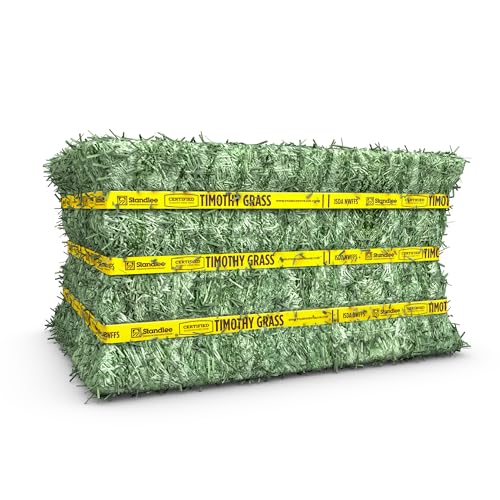
- 50-lb compressed timothy bale
- Moderate-protein forage option
- Certified noxious-weed-free
- Natural long-stem texture
- Long stems challenge worn teeth
standlee Certified Timothy Grass Compressed Hay Bale is a candidate for long-stem timothy forage rather than a universal solution. The current product description highlights 8% protein – ideal for horses that require a moderate protein diet. It also identifies senior friendly – high nutrient content to support overall health and vitality. These details make this option worth comparing with different formats in the roundup. Confirm the exact purchasable variation before ordering.
The practical attraction is compressed long stems. Another published feature mentions hind gut health – promotes improved digestion and nutrient absorption. Consider how that changes daily preparation, storage, cleaning, or handling. Observe chewing comfort, forage waste, and changes in manure during every feed transition. Feed from a clean manger and keep new hay separate until you have inspected its quality. Compared with a product aimed at short-cut mixed forage, this design addresses a different preference. Always check the actual package details; nearby variations can differ in size, ingredients, or included accessories.
There is a meaningful tradeoff: Long stems may be difficult for a horse with worn teeth. For seniors with missing teeth, ask a veterinarian whether chopped or soaked forage is appropriate. The manufacturer information also mentions certified noxious weed free – safe for national parks. Decide whether that feature earns its place in your care routine. Compare the delivered forage weight, texture, and batch analysis before changing the ration. If the horse drops mouthfuls or loses condition, schedule a dental examination before buying more. Our comparison is based on verified listing identity and documented features. Make the final choice against your needs, not the number of bold claims on a product page.
My Recommendation
I would consider standlee Certified Timothy Grass Compressed Hay Bale for long-stem timothy forage because its key distinction is compressed long stems. However, long stems may be difficult for a horse with worn teeth. Check the current variation. If you prioritize short-cut mixed forage, compare the neighboring option before deciding.
Standlee Alalfa & Timothy Chopped Hay

- Chopped alfalfa-timothy blend
- Short 2–4-inch pieces
- Canola-oil dust control
- 35-lb forage package
- Still requires comfortable chewing
For short-cut mixed forage, Standlee Alalfa & Timothy Chopped Hay takes a different approach from the previous pick. Its main distinction is shorter chopped pieces. According to the current product information, it offers this mix combines two of the most popular forages fed to horses in a blend that is moderate. The maker also describes standlee premium western forage alfalfa timothy chopped is a great option for senior horses with dental issues due. A technically attractive design can be inconvenient if its format does not fit the existing routine or the specific animal.
Examine the actual application before ordering. Feed from a clean manger and keep new hay separate until you have inspected its quality. A further listing point concerns added canola oil helps eliminate dust and adds omega 3-6 fatty acids, great for a shiny coat. That may matter if you regularly need short-cut mixed forage. At the same time, verify the exact size, packaging, and compatible accessories. Choosing for a real routine produces a more useful comparison than shopping from a photograph alone.
The principal drawback is clear: Chopped material still needs chewing and a careful transition. The listing additionally refers to timothy grass hay is highly palatable, reducing waste from picky eaters. That detail should be weighed against the product limitation, not used to erase it. Compare the delivered forage weight, texture, and batch analysis before changing the ration. For seniors with missing teeth, ask a veterinarian whether chopped or soaked forage is appropriate. If the horse drops mouthfuls or loses condition, schedule a dental examination before buying more. If another format handles your most important constraint better, the alternative deserves priority.
My Recommendation
I would consider Standlee Alalfa & Timothy Chopped Hay for short-cut mixed forage because its key distinction is shorter chopped pieces. However, chopped material still needs chewing and a careful transition. Check the current variation. If you prioritize fortified low-starch forage substitute, compare the neighboring option before deciding.
Triple Crown Safe Starch

- Low-starch fortified forage
- Grain-free formula
- Added vitamins and minerals
- Timothy-based hay alternative
- Needs a full ration calculation
Triple Crown Safe Starch belongs on this shortlist because it targets fortified low-starch forage substitute. The distinct selling point is fortified forage alternative. Its listing describes low starch horse feed – specially formulated with low starch and sugar levels to support metabolic and mature. It also calls out grain free horse food – this low starch horse food is free of whole grains and molasses. A buyer who values fortified low-starch forage substitute may find the format useful, but another buyer may prioritize a completely different constraint.
Look beyond the headline. The provided specification also mentions balanced vitamin and mineral fortification – packed with essential nutrients to promote optimal health and vitality in your horse. Think through the actual setup, including preparation, handling, and safe storage. Observe chewing comfort, forage waste, and changes in manure during every feed transition. Feed from a clean manger and keep new hay separate until you have inspected its quality. Confirm that the intended variation matches the listed materials and quantity before paying.
This option has a limitation: Fortified feed requires a full ration calculation. Its manufacturer also notes hay replacement for horses – ideal for addressing horse hay shortages, poor-quality hay, or aiding horses with dental concerns. Consider that claim alongside the real-world restriction. For seniors with missing teeth, ask a veterinarian whether chopped or soaked forage is appropriate. Compare the delivered forage weight, texture, and batch analysis before changing the ration. If the horse drops mouthfuls or loses condition, schedule a dental examination before buying more. The most persuasive reason to choose a product is that its documented construction or form fits your defined use, with acceptable maintenance and safety costs.
My Recommendation
I would consider Triple Crown Safe Starch for fortified low-starch forage substitute because its key distinction is fortified forage alternative. However, fortified feed requires a full ration calculation. Check the current variation. If you prioritize soakable timothy and beet-pulp cubes, compare the neighboring option before deciding.
Triple Crown Timothy Cubes Balancing Horse Supplement

- Timothy and beet-pulp cubes
- Lower-sugar formula
- Molasses-free formulation
- Packaged forage substitute
- Dry cubes require feeding precautions
Triple Crown Timothy Cubes Balancing Horse Supplement is a candidate for soakable timothy and beet-pulp cubes rather than a universal solution. The current product description highlights horse supplement – a premium forage replacement designed to support mature and metabolic horses with specialized dietary needs. It also identifies low sugar horse feed – contains low starch and sugar levels. These details make this option worth comparing with different formats in the roundup. Confirm the exact purchasable variation before ordering.
The practical attraction is timothy and beet-pulp cube format. Another published feature mentions timothy cubes for horses – made from timothy hay and beet pulp. Consider how that changes daily preparation, storage, cleaning, or handling. Observe chewing comfort, forage waste, and changes in manure during every feed transition. Feed from a clean manger and keep new hay separate until you have inspected its quality. Always check the actual package details; nearby variations can differ in size, ingredients, or included accessories.
There is a meaningful tradeoff: Dry cubes can pose a choke hazard if fed inappropriately. For seniors with missing teeth, ask a veterinarian whether chopped or soaked forage is appropriate. The manufacturer information also mentions gmo free & molasses free – completely free from gmos. Decide whether that feature earns its place in your care routine. Compare the delivered forage weight, texture, and batch analysis before changing the ration. If the horse drops mouthfuls or loses condition, schedule a dental examination before buying more. Our comparison is based on verified listing identity and documented features. Make the final choice against your needs, not the number of bold claims on a product page.
My Recommendation
I would consider Triple Crown Timothy Cubes Balancing Horse Supplement for soakable timothy and beet-pulp cubes because its key distinction is timothy and beet-pulp cube format. However, dry cubes can pose a choke hazard if fed inappropriately. Check the current variation. If you prioritize small soakable timothy cubes, compare the neighboring option before deciding.
Standlee Timothy Grass Mini Cubes

- Quick-soaking mini timothy cubes
- Uniform portion sizes
- Sun-cured timothy grass
- Compact storage format
- Soaking adds preparation time
For small soakable timothy cubes, Standlee Timothy Grass Mini Cubes takes a different approach from the previous pick. Its main distinction is rapid-soaking small cubes. According to the current product information, it offers highly palatable made from premium sun-cured timothy grass hay. The maker also describes good source of digestible fiber timothy grass hay cubes provide a consistent. A technically attractive design can be inconvenient if its format does not fit the existing routine or the specific animal.
Examine the actual application before ordering. Feed from a clean manger and keep new hay separate until you have inspected its quality. A further listing point concerns easy keeper friendly low in calories and sugar compared to many other forages. That may matter if you regularly need small soakable timothy cubes. At the same time, verify the exact size, packaging, and compatible accessories. Choosing for a real routine produces a more useful comparison than shopping from a photograph alone.
The principal drawback is clear: Soaking and clean-water management add a preparation step. The listing additionally refers to quick soaking these mini hay cubes soften rapidly in water. That detail should be weighed against the product limitation, not used to erase it. Compare the delivered forage weight, texture, and batch analysis before changing the ration. For seniors with missing teeth, ask a veterinarian whether chopped or soaked forage is appropriate. If the horse drops mouthfuls or loses condition, schedule a dental examination before buying more. This item is best treated as one option among several identifiable designs. If another format handles your most important constraint better, the alternative deserves priority.
My Recommendation
I would consider Standlee Timothy Grass Mini Cubes for small soakable timothy cubes because its key distinction is rapid-soaking small cubes. However, soaking and clean-water management add a preparation step. Check the current variation. If you prioritize soft chopped alfalfa forage, compare the neighboring option before deciding.
standlee Alfalfa Chopped Hay

- Short-cut alfalfa forage
- Soft texture for older teeth
- Light canola-oil coating
- 35-lb chopped package
- Higher-protein forage needs ration review
standlee Alfalfa Chopped Hay belongs on this shortlist because it targets soft chopped alfalfa forage. The distinct selling point is short-cut alfalfa for easier chewing. Its listing describes alfalfa chopped forage is uniformly chopped alfalfa hay. It also calls out lightly sprayed with canola oil for added nutritional benefit. A buyer who values soft chopped alfalfa forage may find the format useful, but another buyer may prioritize a completely different constraint.
Look beyond the headline. The provided specification also mentions added oil minimizes fines and fractures and increases omega-3 and 6 fatty acids. Think through the actual setup, including preparation, handling, and safe storage. Observe chewing comfort, forage waste, and changes in manure during every feed transition. Feed from a clean manger and keep new hay separate until you have inspected its quality. If a similar product is intended for mixed alfalfa and orchard bales, ask which function you need more. Confirm that the intended variation matches the listed materials and quantity before paying.
This option has a limitation: Alfalfa changes protein and calorie balance; ask for a forage analysis. Its manufacturer also notes soft texture makes it easy on aging teeth and gums. Consider that claim alongside the real-world restriction. For seniors with missing teeth, ask a veterinarian whether chopped or soaked forage is appropriate. Compare the delivered forage weight, texture, and batch analysis before changing the ration. If the horse drops mouthfuls or loses condition, schedule a dental examination before buying more. The most persuasive reason to choose a product is that its documented construction or form fits your defined use, with acceptable maintenance and safety costs.
My Recommendation
I would consider standlee Alfalfa Chopped Hay for soft chopped alfalfa forage because its key distinction is short-cut alfalfa for easier chewing. However, alfalfa changes protein and calorie balance; ask for a forage analysis. Check the current variation. If you prioritize mixed alfalfa and orchard bales, compare the neighboring option before deciding.
Standlee Alfalfa & Orchard Grass for Horses

- Alfalfa and orchard-grass blend
- 50-lb compressed bale
- Sun-cured long-stem forage
- Mixed grass-legume profile
- Alfalfa alters the nutrient balance
Standlee Alfalfa & Orchard Grass for Horses is a candidate for mixed alfalfa and orchard bales rather than a universal solution. The current product description highlights premium sun-cured forage made from naturally sun-cured western alfalfa and orchard grass. It also identifies supports digestive health & slow intake natural forage length encourages chewing, mimics grazing, and helps minimize digestive upset. These details make this option worth comparing with different formats in the roundup. Confirm the exact purchasable variation before ordering.
The practical attraction is mixed legume and grass stems. Another published feature mentions moderate protein, low sugar & calories provides balanced energy, high digestible fiber, and low sugar/starch, ideal for horses. Consider how that changes daily preparation, storage, cleaning, or handling. Observe chewing comfort, forage waste, and changes in manure during every feed transition. Feed from a clean manger and keep new hay separate until you have inspected its quality. Always check the actual package details; nearby variations can differ in size, ingredients, or included accessories.
There is a meaningful tradeoff: Alfalfa can change protein and calorie balance significantly. For seniors with missing teeth, ask a veterinarian whether chopped or soaked forage is appropriate. The manufacturer information also mentions convenient compressed bale 50 lb bale is easy to handle, store, and expands once opened for fresh, high-quality forage. Decide whether that feature earns its place in your care routine. Compare the delivered forage weight, texture, and batch analysis before changing the ration. If the horse drops mouthfuls or loses condition, schedule a dental examination before buying more. Make the final choice against your needs, not the number of bold claims on a product page.
My Recommendation
I would consider Standlee Alfalfa & Orchard Grass for Horses for mixed alfalfa and orchard bales because its key distinction is mixed legume and grass stems. However, alfalfa can change protein and calorie balance significantly. Check the current variation. If you prioritize long-stem timothy forage, compare the neighboring option before deciding.
How to choose best hay for senior horses
Consider your actual use, maintenance routine, and safety needs first. These three checks help narrow the products above without relying on exaggerated claims. Verify the exact package and the guidance that applies to your animal or household.
Chewing comfort and forage texture
Watch your horse eat before picking a package. Long-stem hay supports normal chewing when teeth are sound. But older horses can develop painful or missing teeth. Dropped hay boluses, slow meals, and weight loss justify a dental appointment. Chopped hay reduces stem length without making every piece effortless to chew. Cubes can often be soaked to a soft texture when the maker's directions permit it. Keep the soaking vessel clean and discard leftovers promptly. Do not assume a dry cube is automatically safer than long stems. Match the physical form to the individual horse, and ask your veterinarian how much forage remains practical. For more context, see our guide to common mistakes when choosing grass hay.
Nutrients, forage testing, and metabolic needs
Protein, digestible energy, and sugar levels vary by cutting and batch. A product name cannot tell you the complete nutrient profile. Obtain a forage analysis when possible, especially for horses with insulin dysregulation or a past laminitis episode. Legume blends may provide more concentrated nutrients than plain grass hay. Fortified substitutes may already include vitamins and minerals, so adding them can change the whole ration. A horse that is losing weight needs assessment before simply increasing calories. Compare the actual feed tag and dry-matter intake. Your equine veterinarian or nutritionist can help balance forage against existing concentrates and supplements. For more context, see our guide to senior horse feed planning.
Storage, feeding routine, and cost per pound
Check the package's real weight, not its compressed size. A 50-pound bale and a 40-pound cube bag differ in cost per feeding day. Store forage off damp floors and inspect it for heat, dust, visible mold, or odd odors. Compressed bales expand when opened, so plan clean storage space. Weigh portions for a week to understand waste. Any forage switch should be gradual and monitored for appetite or manure changes. If you use soaked forage, prepare it freshly according to product instructions. Reliable supply and safe handling often matter as much as the headline ingredients. For more context, see our guide to introducing alfalfa pellets safely.
Frequently Asked Questions
These practical answers address the questions buyers should settle before placing an order.
Is timothy hay always best for an older horse?
No. Timothy can suit many horses, but dental status and tested nutrients matter more than a single grass name.
Should a senior horse eat soaked hay cubes?
Only when appropriate for its chewing and medical needs. Follow preparation directions and seek veterinary advice about choke risk.
Can alfalfa help a thin senior horse?
It may change protein and energy intake, but weight loss requires assessment and a balanced ration.
How can I tell whether long hay is hard to chew?
Watch for quidding, unusually slow eating, dropping feed, and declining condition. Arrange a dental examination.
Do I need to test a commercial hay bale?
Testing is especially valuable for metabolic disease or when nutrient levels are uncertain. Review available batch analysis.
Final Verdict
The best choice depends on the actual job, not an absolute ranking. standlee Certified Timothy Grass Compressed Hay Bale offers compressed long stems, while Standlee Alfalfa & Orchard Grass for Horses emphasizes mixed legume and grass stems. Neither removes the need to check fit, ingredients, care instructions, or safety. For seniors with missing teeth, ask a veterinarian whether chopped or soaked forage is appropriate. Compare product details and decide which tradeoff you can manage over time. For related guidance, see hay features for laminitic horses.
Affiliate disclosure: This article contains Amazon affiliate links. If you purchase through them, PetAdvisorPro may earn a commission. As an Amazon Associate I earn from qualifying purchases.









