How to choose the right gut supplement for horses with ulcers begins with veterinary diagnosis, not a shopping list. Equine gastric ulcer syndrome can cause discomfort, changes in appetite, poor performance, and other nonspecific signs. Different regions of the stomach can be affected, and similar symptoms may have other causes. A supplement is not a replacement for diagnosis or prescribed treatment. No generic gut powder has been shown to cure every form of equine ulcer disease.
If your veterinarian considers nutritional support, evaluate the horse’s forage schedule, medication, total ration, and the evidence behind each ingredient. Our guide to gut supplement for horses with ulcers provides background terminology. This article explains how to evaluate claims, distinguish gastric from other digestive concerns, protect feeding consistency, and monitor clinical signs. The best decision may be to improve management without adding a supplement.
Confirm the Type and Severity of the Problem
Equine gastric ulcer syndrome includes squamous and glandular gastric disease, which can differ in causes and management. A veterinarian may recommend gastroscopy to examine the stomach and identify lesions. Symptoms alone do not establish ulcer type. Hindgut problems also have distinct considerations and cannot automatically be treated with a product labeled ‘gut support.’
How to choose the right gut supplement for horses with ulcers depends on knowing what has been diagnosed. Ask whether treatment is already underway, what the goals are, and which outcomes should be monitored. If there is no confirmed diagnosis, do not assume reluctance to work or poor appetite proves an ulcer. Other diseases and management problems can look similar.
Do Not Delay Medical Treatment
Some horses need prescribed medication and follow-up. Merck Veterinary Manual and UC Davis explain that medical and dietary measures form parts of equine gastric ulcer management. Do not stop or reduce prescribed medication based on supplement marketing. Severe colic signs, persistent inappetence, or marked distress warrant prompt veterinary evaluation.
Evaluate Forage and Feeding Intervals First
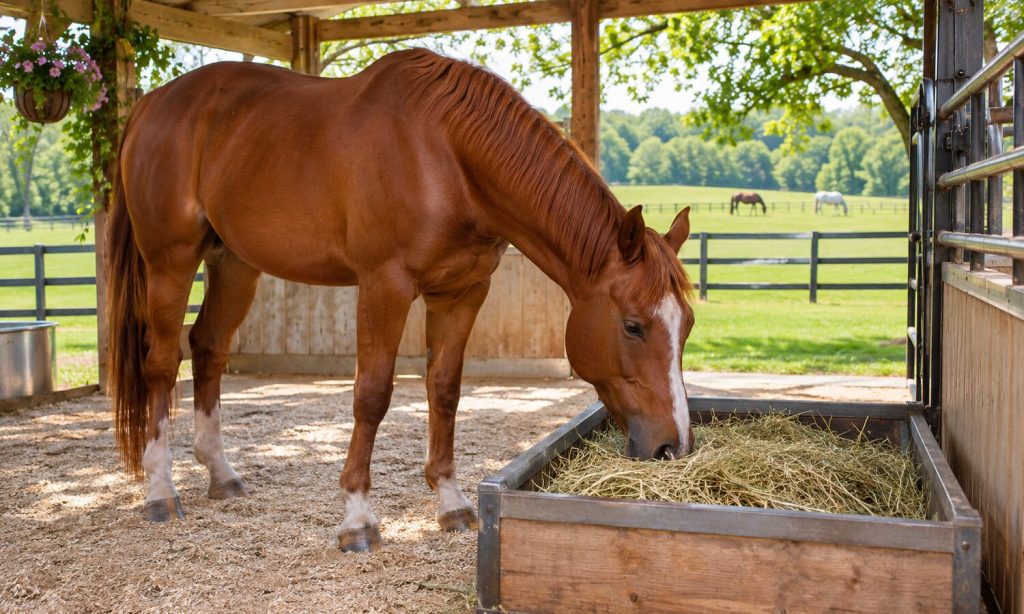
Long periods without forage can be relevant to gastric ulcer risk. Work with the veterinarian on adequate forage access, feeding frequency, turnout, and changes in training or management. Diet quality and consistency may support the broader plan. The correct approach depends on body condition, metabolic health, and other diseases. Do not use an unbalanced ration simply because it is advertised for ulcers.
How to choose the right gut supplement for horses with ulcers should follow a forage review. UC Davis emphasizes that no magic diet or supplement replaces sound nutrition and veterinary management. Examine actual hay availability, grain feeding, workload, and stressors. Sometimes practical schedule changes address obvious risks more directly than a new powder.
Consider the Whole Digestive System
A horse’s stomach and hindgut have different functions. A formula marketed for ‘hindgut ulcers’ may use a different rationale from a gastric ulcer product, and evidence may be limited. Our site discusses comparing hindgut ulcer supplement claims, but a veterinarian must distinguish medical diagnoses and treatment goals.
Check Ingredients and Evidence Rather Than Promises
Read the full ingredient list, guaranteed analysis, serving amount, warnings, and manufacturer details. Ask whether controlled studies support the particular product and outcome in horses with the relevant diagnosis. Small studies, testimonials, and vague claims are not equivalent to treatment evidence. Be especially cautious of promises to heal ulcers rapidly without medical care.
How to choose the right gut supplement for horses with ulcers includes reviewing overlapping nutrients and additives. A horse may already receive minerals, probiotics, oils, or digestive supplements through a ration balancer and fortified feed. Adding several products can increase cost and complicate feeding without improving care. A veterinary nutritionist can help identify meaningful gaps.
Probiotics and Buffers Are Not Interchangeable
Different products may claim to alter intestinal microbes, buffer stomach contents, or support mucosal function. These are distinct proposed mechanisms, and benefit may not be established for a given horse or disease. Do not assume an ingredient with a plausible theory is clinically effective. Ask the veterinarian whether the formula is appropriate alongside current treatment.
Consider Medical History and Drug Interactions
A horse with metabolic disease, liver or kidney concerns, poor body condition, or a complex medication list requires individualized care. Review all existing treatments before adding herbs or nutrient concentrates. Some ingredients may affect palatability, gastrointestinal tolerance, or competition eligibility. Labels should provide enough information to evaluate safety.
How to choose the right gut supplement for horses with ulcers is also about avoiding adverse effects. Start only as directed by a veterinarian and product instructions, without guessing dose. Monitor appetite, manure, drinking, behavior, and any changes in discomfort. If the horse reacts poorly, stop the unapproved addition and contact the vet.
Do Not Assume ‘Natural’ Means Harmless
Plant extracts and concentrated nutrients can still be biologically active. A formula appropriate for a healthy animal may be unsuitable for a horse receiving medication. Unknown ingredient quantities create uncertainty. Avoid unlabeled homemade mixtures or products with implausible guarantees.
Plan a Practical Feeding and Monitoring Routine
If a supplement is approved, give the measured amount consistently in the intended feed. Keep forage, concentrate, and daily handling as stable as practical during a trial. Record the start date, amount, lot number, medications, and any signs. This reduces confusion when discussing changes with the veterinarian.
How to choose the right gut supplement for horses with ulcers should include a defined review point. Appetite improvement alone does not prove ulcer healing, and absence of obvious symptoms may not establish disease resolution. Follow the veterinarian’s plan for clinical reassessment or repeat gastroscopy if indicated. Avoid adding more products whenever progress seems slow.
Use an Objective Care Log
Track feed consumption, weight trend, performance tolerance, observed discomfort, manure pattern, and exercise changes. Note travel, stall confinement, and disruptions in forage availability. Shared records help stable staff follow the plan consistently. They also help identify whether environmental changes coincided with improvement.
Common Red Flags Before You Buy
Avoid products that claim to cure all ulcers, promise to replace prescribed medication, or conceal ingredient amounts. Beware of advice that ignores forage or treats stomach and hindgut conditions as identical. If the supplier cannot explain appropriate use, safety, or evidence, ask your veterinary team before proceeding. A reputable feeding plan should remain transparent.
How to choose the right gut supplement for horses with ulcers may lead to deciding against supplementation. If the diet is complete and the horse is receiving appropriate treatment, additional ingredients might not help. Our guide on adding gut health supplements to a horse’s routine addresses general care concerns, but the ulcer-specific plan belongs with the veterinarian.
Know When Veterinary Reassessment Is Needed
Contact the veterinarian if appetite declines, pain appears, performance changes sharply, or the horse loses condition. Urgent colic signs should be assessed immediately. Do not double a supplement dose or add several new products to manage worsening signs. Clinical problems need diagnosis, not improvisation.
Frequently Asked Questions
Ulcer supplements are often discussed as though they are treatments. These answers distinguish nutrition support from medical diagnosis and care.
Evidence and suitability differ by formulation. Always review a diagnosed horse’s feeding plan with the veterinarian before altering supplements or medications.
Can a gut supplement cure gastric ulcers in horses?
Do not assume so. Veterinary diagnosis and treatment are central to ulcer care, and evidence for supplement claims is often limited.
Are gastric and hindgut ulcers the same condition?
No. They involve different regions and diagnostic considerations. Do not apply one treatment claim automatically to both.
Should I stop ulcer medication if I add a supplement?
No. Never alter prescribed medication without the veterinarian’s direction.
Can forage management matter more than a supplement?
Yes. Forage availability, feeding intervals, and stress management are important parts of a veterinarian-guided ulcer plan.
How do I know whether a supplement helped?
Use the veterinarian’s defined goals and follow-up plan. Appetite or behavior changes alone cannot confirm ulcer healing.
Final Words
How to choose the right gut supplement for horses with ulcers starts with a confirmed diagnosis, appropriate veterinary treatment, and a thoughtful forage schedule. Examine evidence, ingredient transparency, ration overlap, and medical interactions before considering an addition. Do not expect a single powder to replace these foundations.
Information about a gut supplement for horses with ulcers can help you prepare questions, but the final decision should match the individual horse’s clinical plan. Prioritize stable feeding, careful observation, and timely reassessment. Persistent pain or poor appetite is a reason to call the veterinarian, not to experiment with more products.
Reference
Veterinary ulcer information: UC Davis Center for Equine Health — Equine Gastric Ulcer Syndrome; and Merck Veterinary Manual — Gastric Ulcers in Horses.
Nutrition evidence: UC Davis Horse Report — Beyond the Magic Bullet: Nutritional Strategies for Gastric Ulcers; and Merck Veterinary Manual — Feeding the Sick Horse.