
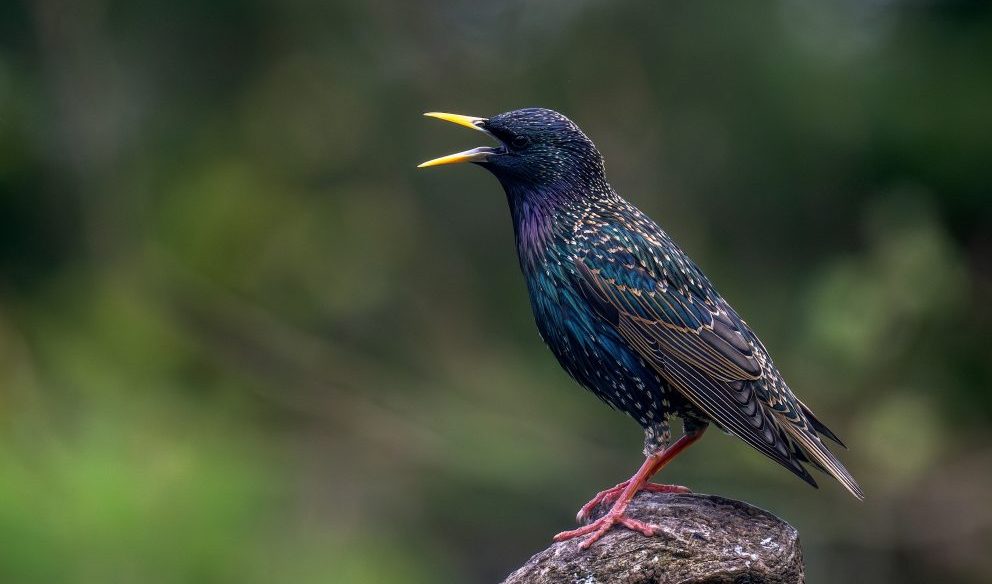
A starling is a medium-sized passerine bird noted for iridescent plumage and vocal mimicry.
I have studied birds and worked with wildlife projects for years, so I know how to answer the question what is starling bird with clarity and depth. This article explains what is starling bird, how to identify starlings, their behavior, ecological role, and practical tips for living alongside them. Read on for clear, expert insight you can use today.
A starling is a passerine bird in the family Sturnidae. The common European starling is the best known, but the family includes many species worldwide. When people ask what is starling bird, they mean a bird known for glossy feathers, loud calls, and social flocks. Starlings are often bold around people and adapt well to urban settings.
Source: australian.museum
Species and identification
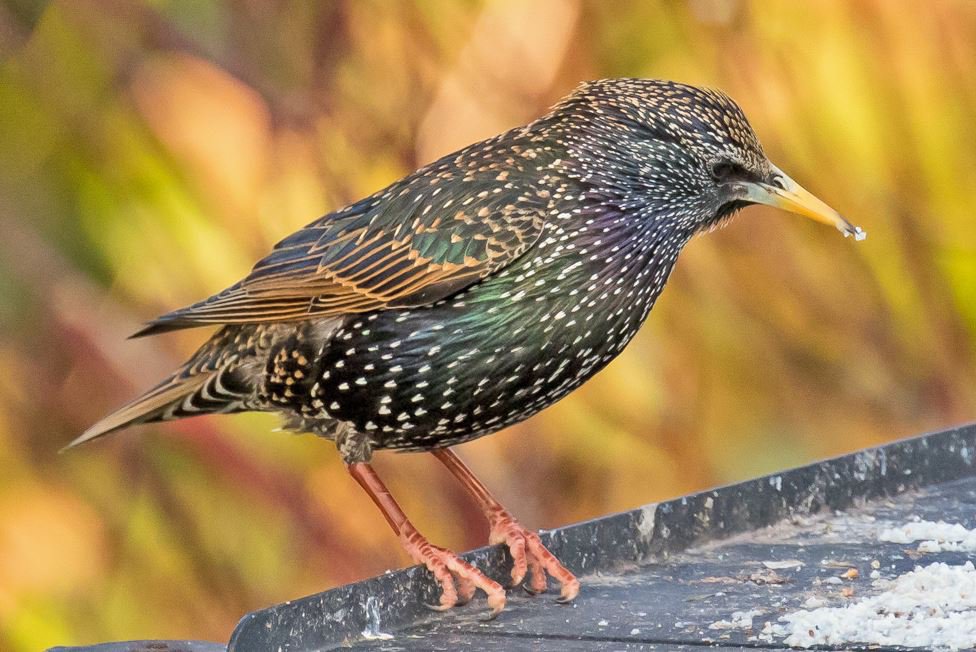
There are about 120 starling species. Sizes range from small to medium. Plumage can be glossy black, speckled, or brightly colored. Key ID traits when you ask what is starling bird include:
- Short tail and strong, pointed bill.
- Glossy feathers that may show green or purple iridescence.
- Speckled winter plumage (in some species) and plain breeding plumage.
Many species are similar. Look for shape, behavior, and vocalizations to confirm ID.
Behavior and intelligence
One reason people search for what is starling bird is curiosity about their smarts. Starlings are highly social. They form tight flocks called murmurations. These flocks move in coordinated waves that appear almost choreographed. Starlings also mimic sounds. They can copy other birds, human speech, and environmental noises. Research and fieldwork show starlings learn quickly and use problem-solving skills to access food.
Habitat and geographic range
If you wonder what is starling bird in your area, note this: starlings occupy many habitats. They live in woodlands, farmland, gardens, and cities. The common European starling has a native range in Europe and Asia and has been introduced to North America, Australia, and New Zealand. Their flexible habitat use helps them spread. Local climate and food availability shape their distribution.

Source: usda.gov
Diet and feeding habits
Understanding what is starling bird eating helps explain their success. Starlings are omnivores. They forage for insects, fruit, seeds, and human scraps. Common feeding behaviors include:
- Probing soil for grubs and worms.
- Hawking insects in flight.
- Visiting bird feeders for seeds and suet.
Their adaptable diet makes starlings resilient in changed landscapes.
Reproduction, nesting, and lifespan
Answers to what is starling bird include their breeding habits. Starlings usually nest in cavities. They use tree holes, rock crevices, and man-made structures. Pairs lay clutches of several eggs. Some species show cooperative breeding behaviors. Lifespan varies by species and conditions but often ranges from 2 to 7 years in the wild, longer in captivity.

Source: reconnectwithnature.org
Ecological impact and human interaction
People often ask what is starling bird when concerns arise about crops or nesting sites. Starlings can be both beneficial and problematic. Positive roles include:
- Eating insect pests.
- Helping disperse some seeds.
Negative impacts can include: - Competing with native cavity-nesters for nest sites.
- Damaging fruit crops or contaminating livestock feed.
Wildlife managers balance these effects using humane control and habitat management.
Conservation and management
To fully answer what is starling bird, we must cover conservation. Some starling species are common and thriving. Others face habitat loss, invasive predators, or climate pressures. Effective management includes:
- Protecting nesting habitat for threatened species.
- Using nonlethal deterrents where starlings cause damage.
- Monitoring populations to guide policy.
Transparent data and local partnerships improve outcomes.
Personal experience and practical tips
From my fieldwork, I have seen many flocks and nesting sites up close. When asking what is starling bird, here are practical tips I use:
- Use nest boxes sized for target native species to reduce starling takeover.
- Secure livestock feed and fruit to limit attraction.
- Offer alternative water and shelter spots to steer starlings away from sensitive areas.
Lessons learned: quick, small changes often prevent larger conflicts. A mistake I made early in my work was ignoring early-season signs of nesting; act early to manage outcomes.

Source: australian.museum
Frequently Asked Questions of what is starling bird
What is a starling bird and where are they found?
A starling bird is a social passerine known for glossy plumage and mimicry. Species exist across Europe, Asia, Africa, and in introduced ranges like North America and Australia.
How can I tell a starling bird from other birds?
Look for a compact body, short tail, pointed bill, and glossy, often speckled feathers. Their loud, varied calls and flocking behavior are also diagnostic.
Do starling birds damage gardens or crops?
Some starling birds can damage fruit and field crops, especially in large numbers. They also eat insect pests, so the impact can be mixed.
Are starling birds protected by law?
Protection varies by country and species. Some starlings are common and not protected; others are threatened and receive legal protection. Check local regulations for specifics.
Can starling birds live near humans safely?
Yes, starling birds often thrive near people. They adapt to urban areas, use buildings for nesting, and find human food sources. Simple precautions can reduce conflicts.
Conclusion
What is starling bird? It is a versatile, social passerine with striking plumage and notable intelligence. Starlings play complex roles in ecosystems and in human spaces. Use the practical tips here to manage interactions and support native species when needed. If you found this guide helpful, explore more resources, subscribe for updates, or share your experiences in the comments below.









