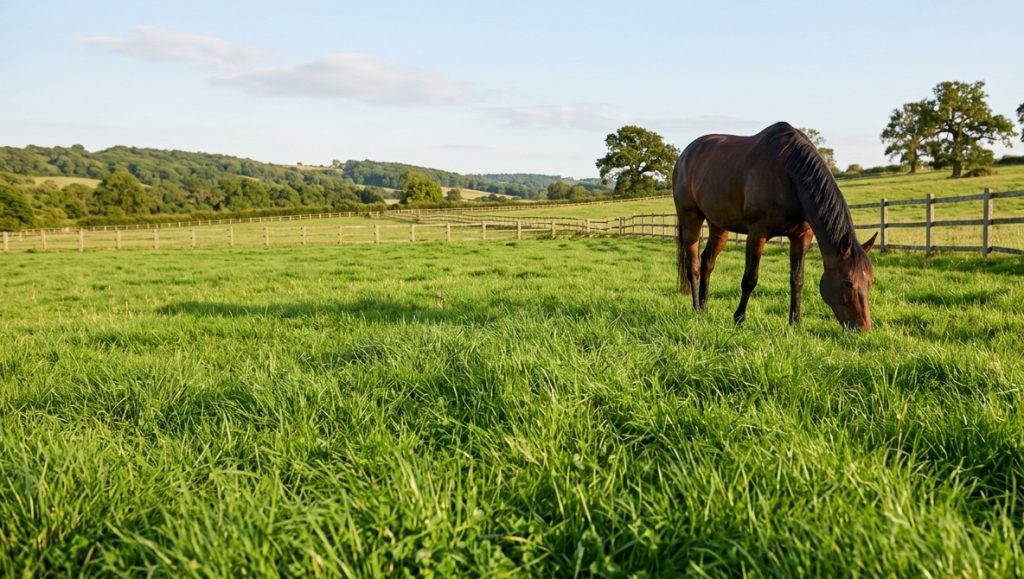
The best grass seed for horse pasture blends orchardgrass, timothy, and bluegrass.
You love the sight of your horses grazing in a lush, safe field. But bare spots, weeds, and muddy gateways can turn that dream into work. The right seed fixes that fast. A horse-safe blend grows dense, handles hoof traffic, and recovers after grazing. It keeps sugars in check when you manage it right. It matches your climate so it thrives in heat or cold. In this guide, I review the best options now. I share real pasture tips you can use today. By the end, you will know exactly which bag to buy for your land, your horses, and your goals.

Barenbrug SeedPasture25 Grass Seed- Forage…
RAPID ESTABLISHMENT: Allows for quick recovery and is usable in less than ideal conditions in order to repair your pasture. It can also be used for making hay. ENDOPHYTE FREE…

Pasture Seed, 25 lb 23094
PASTURE SEED: This perfect formula is safe and highly palatable for not only your horses but all classes of livestock. DURABLE: This seed can handle high traffic areas and grazing…
Check Price on Amazon →
Horse Pasture Seed Mix –…
🐎 Designed for Horse Pastures Balanced blend of orchardgrass, timothy, festulolium, and Kentucky bluegrass for dependable grazing environments. 🌾 Highly Palatable Forage Soft, leafy grasses encourage consistent grazing and natural…
Barenbrug SeedPasture25 Forage Grass Seed (25 lb)
This 25 lb bag is built for action. It is a forage blend made for hard use and fast repair. The coverage is simple: about one acre per bag. I like it for gates, traffic lanes, and thin spots that need a quick fill-in. In cool seasons, it pops fast when soil holds steady moisture.
The stand forms a dense sod that handles hoof traffic. That helps block weeds and keeps soil in place during wet turns. Horses tend to like the taste, so you get steady intake without waste. If you manage rest periods, the regrowth is strong and clean.
Pros:
- Fast germination in good conditions
- Handles hoof traffic and grazing pressure
- Simple coverage: one bag per acre
- Good for overseeding and repairs
- Dense stand helps block weeds
- Reliable brand quality and seed testing
Cons:
- May not be horse-only species; check tag details
- Best in cool-season windows; summer heat can slow growth
- One-acre bag size is not ideal for very small paddocks
My Recommendation
If you want fast results and simple math, start here. It is ideal for owners who need a hardy, all-around pasture repair mix. I reach for it when I see bare soil near waterers and along fence lines. If you need the best grass seed for horse pasture to patch and thicken a field without fuss, this is a smart buy.
| Best for | Why |
|---|---|
| Rapid pasture repair | Quick strike and dense cover help stop erosion and weeds |
| Overseeding high-traffic areas | Tolerates hoof traffic and compaction better than lawn types |
| Simple one-bag projects | Clear one-acre coverage reduces guesswork for seed rates |
Overall value is strong for busy owners who want sturdy growth and easy planning. Availability is steady, so you can time your order with your next rain window.
Pasture Seed, 25 lb (23094)

This is a straightforward 25 lb pasture seed that suits many basic needs. Think of it as a flexible, general-purpose option for mixed-use fields. It shines when you want a simple solution for a few paddocks. It is easy to spread and pairs well with a no-till drill or a broadcast spreader.
Results rest on a good seedbed and timing. Plant into a firm, clean surface with steady moisture. Aim for fall or spring in cool zones for best take. Let early growth set roots before you turn horses onto it.
Pros:
- Good value for broad pasture needs
- Works for overseeding or new stands
- Easy to handle 25 lb bag size
- Pairs with most spreaders and drills
- Balanced growth for grazing cycles
Cons:
- Generic label may not list full species mix
- Not region-specific; performance varies by climate
- Plan on weed control and grazing rest for best results
My Recommendation
Choose this if you want a simple, budget-friendly start. It is a fair pick for owners new to pasture work who still need solid coverage. If you blend it with careful grazing, you can coax out strong forage. For many small farms, this is an easy way to test what looks and grazes best before buying larger volumes of the best grass seed for horse pasture.
| Best for | Why |
|---|---|
| First-time pasture projects | Simple bag size and spread rate reduce mistakes |
| Mixed-use fields | General-purpose blend suits many grazing setups |
| Trial plots | Use a small area to judge stand vigor and palatability |
Overall, it is a practical way to get grass growing now while you fine-tune a long-term seed plan. Availability is consistent, so you can align it with your ideal planting window.
Horse Pasture Seed Mix – No Tall Fescue (25 lb)

This mix is built for horses, mares, and foals. There is no tall fescue in the bag. That choice matters to many breeders and owners. You get a safe blend of orchardgrass, timothy, and bluegrass. These species make a soft, tasty, and resilient sod when managed right.
The 25 lb bag covers about 0.5–0.75 acre. That is a strong seeding rate for a thick start. The stand responds well to rotational grazing. It also suits overseeding when your sod has thinned after a hard season.
Pros:
- No tall fescue; safe choice for broodmares
- Orchardgrass, timothy, and bluegrass blend
- Dense, horse-friendly sod with good recovery
- Great for renovation and overseeding
- High palatability and clean bite
- Supports cool-season growth and spring flush
Cons:
- Higher seeding rate means higher cost per acre
- Not ideal for deep South heat without summer rest
- Slower than ryegrass in cold soils
My Recommendation
This is my top pick for horse-only fields where safety is non-negotiable. It fits broodmare farms, training barns, and family paddocks. The species list is a textbook answer for the best grass seed for horse pasture in cool zones. If you want peace of mind and a soft, leafy sward that horses love, this mix delivers.
| Best for | Why |
|---|---|
| Broodmares and foals | No tall fescue; gentle, reliable species |
| Cool-season renovation | High seeding rate builds a thick, even stand |
| Rotational grazing | Recovers well with proper rest and residual height |
The value shows in the stand quality and peace of mind. It is often in stock, but I order early before peak spring and fall demand.
Nature’s Seed Southern Horse Forage Mix (10 lb)

Hot summers can beat up a pasture. This Southern mix is tuned for heat and humidity. It suits the Southeast, Gulf Coast, and transition areas with long, warm seasons. The blend targets drought tolerance and steady grazing value when the sun is high.
The 10 lb size is great for test plots and small paddocks. That helps you match species to your soil before scaling up. Establishment improves when you seed into warm soil with a firm bed. Expect better persistence if you rest it during peak stress.
Pros:
- Designed for Southern heat and humidity
- Drought tolerance for summer survival
- 10 lb bag suits trials and small areas
- Good palatability under managed grazing
- Handles hoof wear better than lawn types
Cons:
- Not ideal for cold Northern winters
- Smaller bag covers limited area
- Warm-season components may go dormant in winter
My Recommendation
If summer slump and heat stress hurt your pasture, start here. It is a smart pick for owners from Texas to the Carolinas. With the right rest and height, it holds feed quality through hot spells. For many in the South, this is the best grass seed for horse pasture you can buy right now.
| Best for | Why |
|---|---|
| Southern climates | Heat- and drought-ready species mix |
| Trial and test plots | 10 lb bag lets you dial in your blend |
| Summer grazing gaps | Better persistence when cool-season grasses fade |
Value is strong for heat-prone farms. It is often available year-round, but I still time orders near warm-soil planting windows.
Outsidepride Horse Choice Pasture Mix (5 lb)

This 5 lb bag is a tidy, focused option. The mix targets perennial growth, high yield, and a stand that holds up in dry spells. It is also cold hardy. That helps owners in variable climates that swing from frosts to summer drought.
The small bag suits small paddocks, lanes, and gate resets. It also works for trial strips before a larger buy. I like it for fill-ins after fencing or water line work. You can keep a bag on hand for quick repairs after a wet week of hoof churn.
Pros:
- Perennial base for long-term stands
- Drought tolerant to bridge dry weeks
- Cold hardy for shoulder seasons
- High yield potential under good management
- Great small-bag option for targeted repairs
Cons:
- 5 lb covers a small area; buy more for acres
- Still needs weed control and rest periods
- Check species on the tag for horse-only comfort
My Recommendation
Pick this if you need a precise tool for small jobs or trial runs. It serves owners who want perennial toughness with flexible use for grazing, hay, or greenchop. For many around the country, this bag is the best grass seed for horse pasture when you want to test and repair without overbuying.
| Best for | Why |
|---|---|
| Small paddocks and lanes | Handy 5 lb bag makes spot work easy |
| Trial strips | Low-commitment way to judge stand vigor |
| Cold-to-dry swings | Cold hardy and drought tolerant cover the extremes |
The value is in its flexibility. It is often in stock, so grab a bag before your next rain event to lock in quick germination.
How to choose the best grass seed for horse pasture
Great pastures are built, not guessed. I start with the climate, then the species, then the management plan. When those align, seed turns into safe, steady feed. Here is the path I use on horse farms across regions.
Match seed to your climate. Cool-season grasses fit the North and high elevations. Orchardgrass, timothy, Kentucky bluegrass, meadow fescue, and perennial ryegrass are the core. They surge in spring and fall. They ease off in summer heat. Warm-season grasses fit the South and coastal heat. Bermudagrass and bahiagrass hold on when the sun is strong. They nap when the nights get cool.
Check the horse-safety box. Avoid endophyte-infected tall fescue with broodmares. That endophyte can cause foaling issues. If you want fescue-like toughness, use endophyte-free meadow fescue or horse-safe, tested varieties. For many barns, orchardgrass plus timothy plus bluegrass is the safe core. That trio often makes the best grass seed for horse pasture in cool zones.
Plan for sugar and starch. Lush spring grass can be high in non-structural carbs. That can be a risk for easy keepers and horses with laminitis history. Use a muzzle. Limit turnout in the afternoon on bright, cool days. Grow a dense, leafy sward that you can manage with short, controlled grazing bouts.
Use soil tests. Aim for pH near 6.0–6.5. Lime if needed. Set phosphorus and potassium by the lab sheet. Do not pour on nitrogen in big spikes. That can boost sugars and push lush growth that horses overeat. Steady, modest fertility grows a safer, stronger sod. Healthy roots and dense tillers resist weeds and hoof scuffs.
Seed at the right time. Cool-season grasses want soil in the 50–65°F range with regular moisture. That is fall or early spring in many regions. Warm-season grasses want warmer soil, often 60–75°F. Do not plant into dust. Firm the seedbed so your boot heel sinks about a half inch. That simple test prevents seed from sinking too deep.
Choose a seeding method that fits your soil. A no-till drill puts seed at the right depth and hugs the seed to soil. Broadcast can work if you firm it with a roller or hoof traffic after rain. For quick touch-ups, frost seeding in late winter lets freeze-thaw pull seed into the soil. It is simple and low stress.
Respect rest periods. Horses are tough on plants. Rotate paddocks. Keep a sacrifice area for wet days. Leave a 3–4 inch residual for cool-season grasses and 5 inches for warm-season stands. That rule saves crowns and roots. It also keeps sugars steadier and weeds out. If you want the best grass seed for horse pasture to show its value, you must give it that rest.
Read the seed tag. Check purity, germination, and the test date. Fresh seed with high germ rates pays for itself. The tag tells you what is in the bag. If you see something you do not want for horses, pick another blend. This step is how I avoid surprises a month later.
Be real about weeds. Many pasture weeds fill bare soil. Mowing on time helps a lot. So does a thick, leafy stand. If you use herbicides, follow the label for grazing and reseeding intervals. Some products restrict grazing for days or weeks. Time sprays and seeding so you do not waste seed or risk horses.
Time turnout on new seed. I wait until plants reach 6–8 inches and pass the “tug test.” Grab a handful and pull. If leaves break but roots hold, you are close. If clumps lift, wait. Many fields need 8–12 weeks before light grazing. Short, careful first grazes train horses and protect crowns.
Think long-term. Overseed thin spots each fall. Keep a bag on hand for post-storm repairs. Pull horses off early in a drought and early in a flood. Those two moves save more grass than anything I do. It is how the best grass seed for horse pasture pays off year after year.
For cool regions, I often favor the orchardgrass-timothy-bluegrass trio. For the South, I pick heat lovers and time seeding to warm soil. In both cases, I use clean seed, firm beds, and tight rotations. That system builds a pasture you are proud to show and safe to feed.
FAQs of best grass seed for horse pasture
When is the best time to plant horse pasture seed?
Plant cool-season mixes in early fall or early spring. Plant warm-season mixes after soil warms in late spring. Aim for steady moisture and mild weather.
How many pounds of seed do I need per acre?
Most cool-season mixes need about 20–30 lb per acre for new stands. Overseeding often takes 8–15 lb per acre. Follow the bag’s rate for best results.
Is tall fescue safe for horses?
Endophyte-infected tall fescue can harm broodmares. Many owners avoid it. Horse-specific blends, or endophyte-free options, are safer picks.
How long before horses can graze new seedings?
Wait until plants reach 6–8 inches and pass the tug test. This often takes 6–12 weeks. Start with short, light grazing and watch the regrowth.
What is the easiest pasture mix for beginners?
Use a horse-safe cool-season blend with orchardgrass, timothy, and bluegrass. It is forgiving, tasty, and often the best grass seed for horse pasture in temperate zones.
Final Verdict: Which Should You Buy?
For most horse owners, the Horse Pasture Seed Mix – No Tall Fescue is the best overall pick. It blends orchardgrass, timothy, and bluegrass with a horse-first focus.
Use this guide to match climate, timing, and care. Do that, and the best grass seed for horse pasture will turn into safe, rich grazing fast.