
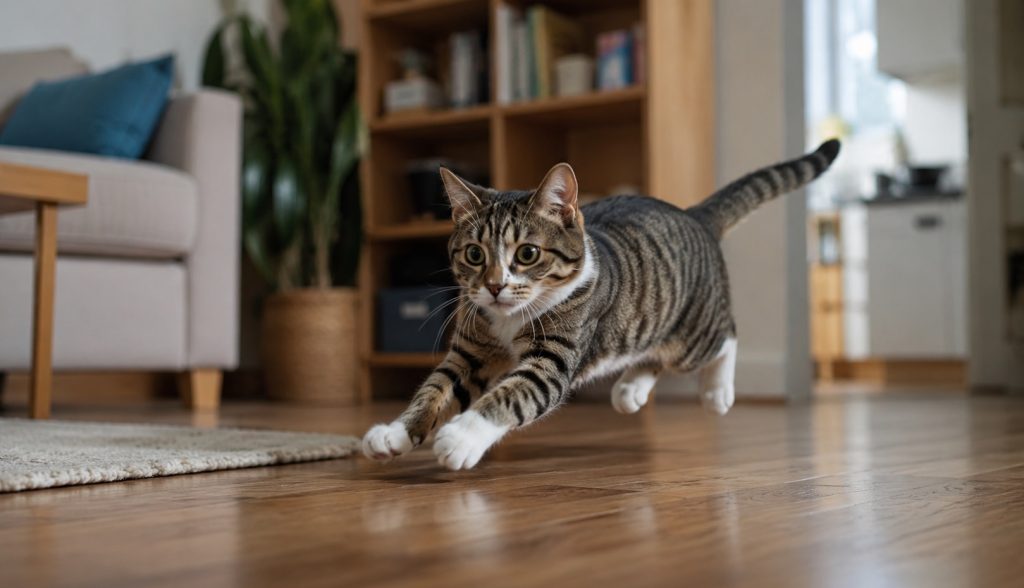
One minute your cat is curled up on the couch looking like the picture of relaxation. The next, they are tearing down the hallway, launching over a chair, skidding around a corner, and disappearing into another room as though someone just announced a very important feline emergency.
If you have ever wondered, “Why Do Cats Sprint Around the House?”, you are certainly not alone. This behavior is commonly called cat zoomies, and in veterinary behavior terminology, these energetic episodes may be described as Frenetic Random Activity Periods, or FRAPs.
In most cases, zoomies are a normal part of cat behavior. Cats may suddenly run because they have built-up energy, want to play, are acting on their hunting instincts, or simply feel excited. Kittens tend to experience these bursts particularly often.
Still, context matters. A cat that occasionally races around the living room and then settles down is very different from a cat that suddenly becomes frantic, disoriented, aggressive, or unusually active.
So, why do cats sprint around the house? Let’s look at what may be happening behind those four-pawed rocket launches.
What Are Cat Zoomies? (Defining Feline Frenetic Energy)
Cat zoomies are short periods of intense activity during which a cat may run, jump, pounce, chase, climb, or rapidly change direction. There is usually no obvious destination. Your cat isn’t necessarily trying to get somewhere. Sometimes the living room simply becomes a racetrack.
Veterinary behavior sources describe zoomies as periods of frenzied running and pouncing. Pent-up energy, mental stimulation needs, predatory instincts, playfulness, and individual personality can all contribute. For many healthy cats, these episodes are nothing to worry about. They can be particularly common in kittens and younger cats, although adult cats can enjoy an unexpected sprint too. And yes, sometimes the reason is basically: your cat felt like it. Cats did not receive the memo that your hallway is not a professional racing circuit. 🙂
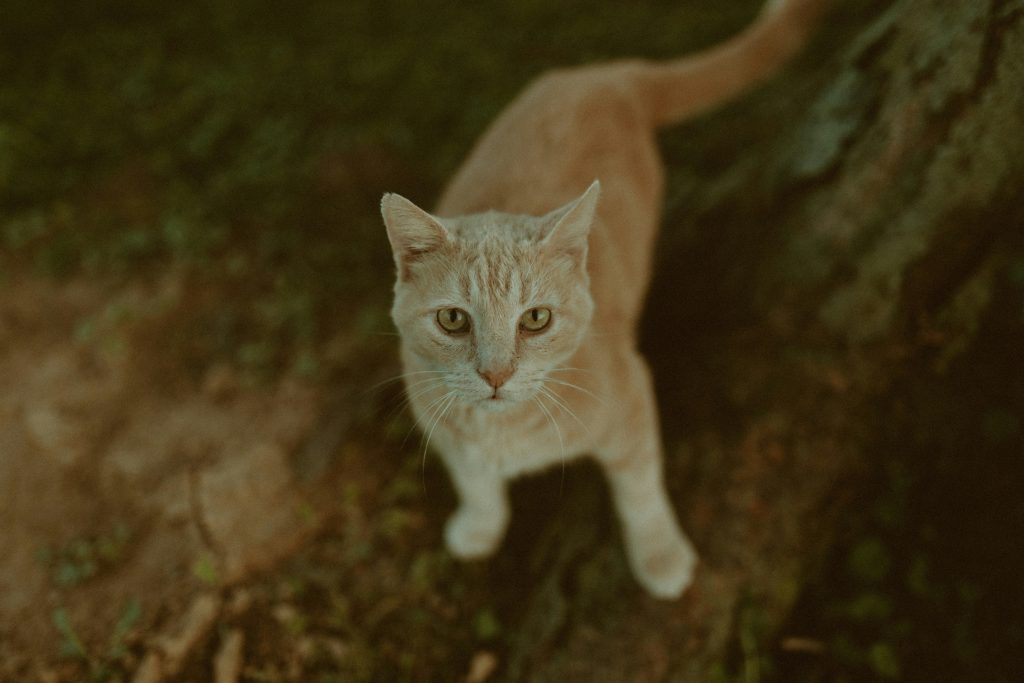
Source: Unsplash — Shelby Pieper, A cat running through a hole
Why Do Cats Sprint Around the House?
There isn’t one universal explanation. Several factors can cause a cat to suddenly switch from relaxed to ridiculously energetic.
1. They Have Built-Up Energy
One of the simplest explanations is that your cat has energy that needs an outlet. Indoor cats spend a lot of time sleeping and resting. If they haven’t had enough opportunities to chase, climb, pounce, explore, or play, that energy may eventually come out in a concentrated burst. This is especially common in cats that spend most or all of their lives indoors. A few minutes of intense running can provide physical activity that a sedentary cat may otherwise be missing.
2. Their Hunting Instincts Kick In
Your house cat may have a comfortable bed, a full food bowl, and absolutely no requirement to catch dinner. That doesn’t mean the hunting instincts disappeared. Cats are natural predators. Chasing, stalking, pouncing, and capturing are behaviors that remain relevant even in well-fed companion cats.
During a zoomie episode, a cat may chase a toy, another pet, a shadow, or absolutely nothing that you can see. VCA notes that cats may use zoomies to express predatory behavior, including stalking, chasing, and pouncing. This is one reason interactive toys can be so useful. They give cats an appropriate outlet for behaviors they are naturally motivated to perform.
3. Play and Excitement Trigger a Burst
Sometimes your cat is simply excited. A favorite toy comes out. Another cat starts playing. You return home. Your cat spots a bird through the window. Suddenly, the household’s most dignified resident is doing laps. Excitement increases activity, and some cats express that excitement by running.
There is considerable individual variation here. One cat may quietly watch a toy move across the floor. Another may respond as though the toy has personally challenged the family honor.
4. Indoor Cats Need More Physical Activity
Indoor living can be excellent for feline safety, but it also means owners need to provide opportunities for physical and mental activity. Cats benefit from enrichment that encourages natural behaviors such as chasing, searching, manipulating objects, and foraging.
If a cat spends much of the day sleeping with little stimulation, a sudden sprint may simply be an energetic response to an otherwise quiet environment. That doesn’t necessarily mean your cat is unhappy. It may simply mean that more structured play would be beneficial.
5. Cats May Zoom After Using the Litter Box
Some cats appear to develop a particularly enthusiastic relationship with the litter box. You may see your cat finish using it and immediately dash away. The reason isn’t fully established, and not every cat does this. It may be associated with the excitement of completing an activity, relief, learned behavior, or simply coincidence. If your cat otherwise uses the litter box normally and shows no signs of discomfort, an occasional post-litter-box sprint is generally not alarming.
However, repeated running away from the box combined with straining, frequent trips, vocalizing, or other litter-box changes should be taken seriously. Changes in elimination behavior can sometimes have medical causes.
6. Kittens Naturally Have More Energy
If you’ve ever lived with a kitten, you already know that the laws of physics appear somewhat optional. Kittens are developing their coordination, muscles, balance, hunting skills, and confidence. Play is an important part of that development. That is why why do cats sprint around the house can have a particularly simple answer when the “cat” in question is only a few months old: growing bodies have a lot of exploring and practicing to do. Kittens also tend to have shorter attention spans and frequent bursts of activity followed by naps.
7. Your Cat May Simply Be Feeling Good
Not every zoomie needs a deeper psychological explanation. A healthy cat may run because it is playful, stimulated, curious, or simply feeling energetic. VCA notes that zoomies can occur as normal behavior throughout a cat’s life and may reflect playfulness or personality.
This is worth remembering because cat owners can sometimes overanalyze ordinary behavior. If your cat has a brief energetic episode, then returns to normal eating, sleeping, playing, grooming, and using the litter box, there may be nothing wrong at all.
8. Stress or Startle Can Sometimes Cause Running
Not every fast sprint is playful. A loud noise, unfamiliar visitor, another animal outside the window, or an unpleasant environmental change can cause a cat to run away. Stress-related running may look different from playful zoomies. Your cat may hide, flatten its ears, vocalize, become tense, or remain unsettled afterward.
Cats can also redirect their reactions toward another animal or person when they become highly aroused by a stimulus. If the running appears fearful rather than playful, look for the trigger instead of assuming your cat simply has extra energy.
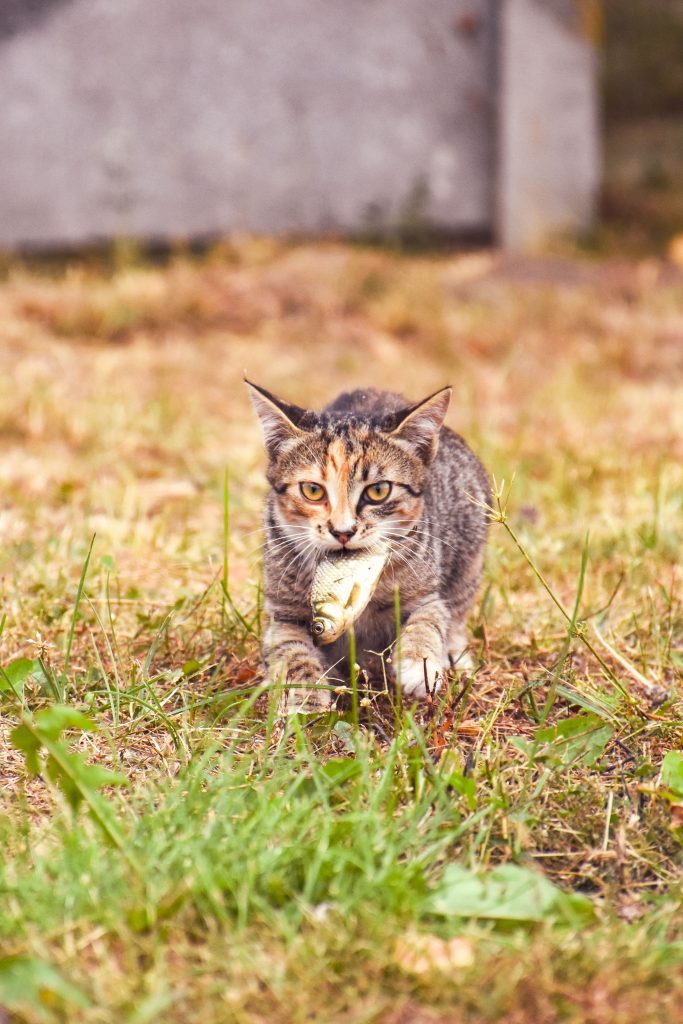
Source: Pexels — Artem Makarov, Cat Running on Grass Field
How Fast Can a Cat Run?
So, how fast can a cat run when it really puts some power behind those little legs? Healthy domestic cats are commonly reported as capable of short sprints around 20–30 mph, although individual speed varies significantly. A top-speed figure should not be interpreted as the speed every household cat reaches during ordinary zoomies.
The commonly cited average cat running speed is therefore best treated cautiously. There isn’t a single universally applicable “average” speed for every cat, and household cats rarely run under controlled conditions where their speed is precisely measured.
The domestic cat running speed you actually see will depend on factors such as:
- Age
- Breed
- Body condition
- Muscle strength
- Motivation
- Health
- Flooring and traction
- Available running distance
Cats are built for acceleration rather than endurance running. Their powerful hind legs, flexible spines, lightweight bodies, and digitigrade posture help them move rapidly over short distances.
So when your cat rockets across the kitchen, you’re witnessing a body designed for quick bursts of movement—not a furry marathon runner.
How Fast Can Kittens Run?
If you’re wondering how fast can kittens run, the answer is less precise than many internet charts suggest. Kittens are fast relative to their size, but their physical abilities change rapidly as they grow. A young kitten is still developing coordination, balance, strength, and confidence. Rather than focusing on a specific mph number, pay attention to how your kitten moves.
A healthy kitten should generally become increasingly coordinated and confident as it develops. It may stumble occasionally during energetic play, but persistent weakness, difficulty walking, obvious pain, or inability to use a limb is not something to dismiss as ordinary kitten behavior. And if your kitten suddenly races across the house, climbs the furniture, and then collapses into a nap, congratulations: you’ve probably just witnessed a fairly standard kitten schedule.
Why Do Cats Run Around at Night?
Nighttime zoomies are one of the most common complaints from cat owners. Cats aren’t strictly nocturnal. Their activity patterns are influenced by their natural hunting behavior, and many cats are particularly active around dawn and dusk. A house cat that sleeps for much of the day may have plenty of energy left when the household is finally trying to sleep. That can produce the classic 2 a.m. hallway sprint.
VCA recommends providing opportunities for daytime activity and mental stimulation, which may help reduce disruptive nighttime zoomies. If nighttime activity is becoming a problem, don’t try to eliminate your cat’s need for exercise. Instead, give that energy a more appropriate outlet earlier in the day and evening.
Is It Normal for Cats to Sprint Around the House?
For most healthy cats, occasional zoomies are normal. Normal zoomies often have several characteristics:
- They are relatively brief.
- Your cat appears playful or excited rather than frightened.
- Your cat moves normally.
- There is no obvious sign of pain.
- Your cat returns to its normal behavior afterward.
- Eating, drinking, grooming, sleeping, and litter-box habits remain normal.
In other words, the cat acts like a cat before and after the sprint. Understanding why do cats sprint around the house becomes more important when the behavior changes suddenly or is accompanied by other symptoms.
When Cat Zoomies May Be a Reason for Concern
A sudden increase in running or agitation deserves closer attention if it is accompanied by other changes.
Contact your veterinarian if your cat’s unusual activity occurs alongside signs such as:
- Apparent pain
- Limping
- Sensitivity when touched
- Persistent vocalization
- Confusion or disorientation
- Unusual aggression
- Significant appetite changes
- Changes in thirst or urination
- Repeated litter-box problems
- Weakness
- Difficulty breathing
- Repetitive or compulsive running
- Excessive grooming or skin irritation
Medical and behavioral issues can overlap. Veterinary behavior specialists emphasize the importance of considering medical causes when behavior changes unexpectedly.
Older cats also deserve special consideration. Cognitive dysfunction and other age-related conditions can cause noticeable changes in behavior, sleep patterns, vocalization, and interaction with the environment.
The key is not to panic over a single energetic episode. Look at the whole picture.
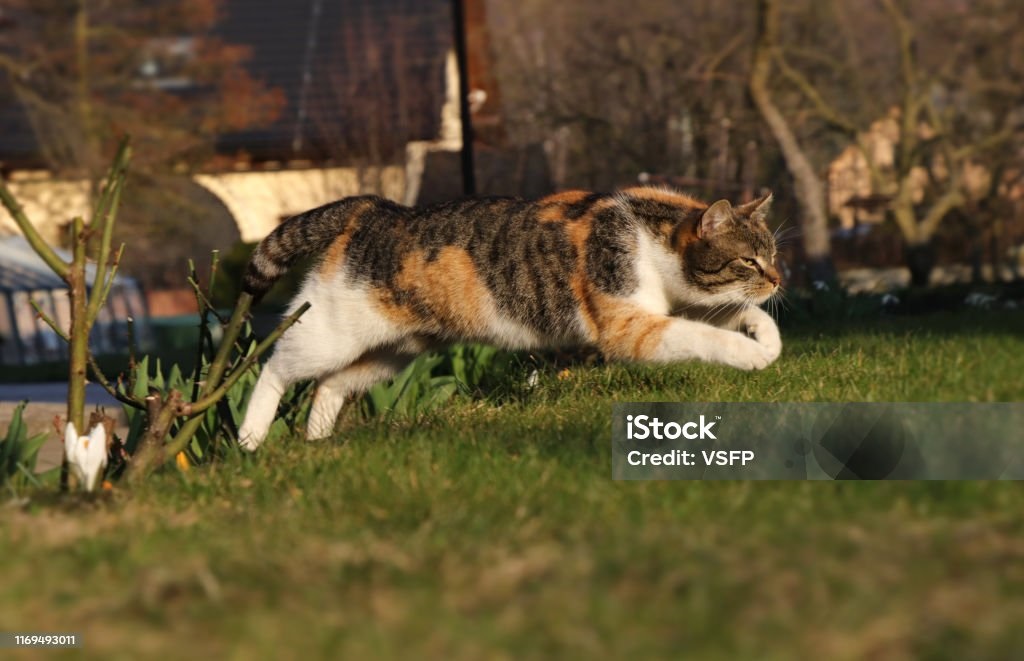
Source: Pixabay — Cat, Running, Domestic Cat, photographer music4life
How to Reduce Problematic Cat Zoomies
If your cat has too much unused energy, enrichment can make a noticeable difference.
Schedule Interactive Play
Use wand toys, feather toys, or other appropriate interactive toys that encourage chasing and pouncing. Several shorter play sessions may be more practical than expecting your cat to exercise for a long continuous period.
Provide Climbing Opportunities
Cat trees, shelves designed for cats, and other secure vertical spaces can encourage movement while allowing cats to observe their surroundings.
Use Food-Based Enrichment
Puzzle feeders and foraging activities can combine mental stimulation with physical activity. VCA notes that foraging enrichment can encourage natural behaviors including seeking, chasing, manipulating, and capturing food.
Rotate Toys
You don’t need to leave every toy on the floor permanently. Rotating toys can help maintain novelty and give familiar objects a renewed sense of interest.
Create a Safe Running Area
Remove fragile objects, exposed cords, unstable furniture, and other hazards from areas where your cat commonly races. A cat doesn’t need a perfectly empty home. It needs a home where normal feline behavior doesn’t turn into an emergency-room obstacle course.
How to Make Nighttime Zoomies Less Disruptive
If your cat regularly wakes you with midnight athletics, establish a predictable routine. Try providing an active play session during the evening, followed by an appropriate meal or food-based enrichment activity. The goal is to give your cat a healthy opportunity to engage in natural behaviors before the household settles down.
Don’t punish a cat for being active. Yelling, chasing, or frightening the animal can increase stress and may make behavioral problems worse. Cornell specifically notes that physical punishment can increase fear and worsen aggression.
Instead, make appropriate daytime and evening activity more rewarding. FYI, your cat may not appreciate your carefully engineered schedule nearly as much as you do—but consistency can still help.
Can Zoomies Be Good for Cats?
Yes, normal zoomies can be a healthy form of activity. Running, jumping, chasing, and pouncing allow cats to use their bodies and express natural behaviors. For indoor cats especially, these activities can complement structured play and environmental enrichment.
However, zoomies shouldn’t be the only exercise your cat receives. A well-enriched home should offer opportunities to climb, scratch, explore, forage, hide, chase, and interact with people in appropriate ways.
The goal isn’t to exhaust your cat. It’s to give your cat meaningful ways to behave like a cat.
Frequently Asked Questions
Why do cats suddenly run around the house?
Cats may suddenly run because of built-up energy, excitement, playfulness, hunting instincts, environmental stimulation, or simply individual personality. Indoor cats that have fewer opportunities for exercise may experience particularly noticeable bursts of activity. Occasional zoomies are usually normal when the cat otherwise behaves and functions normally.
Are cat zoomies normal?
Yes. Cat zoomies are generally normal, especially when they are brief and followed by normal behavior. They are particularly common among kittens and younger cats, although healthy adult cats can experience them as well. A sudden major change in activity, especially with pain or other unusual symptoms, should be discussed with a veterinarian.
Why does my cat get the zoomies at night?
Cats may become active at night because they sleep or rest for much of the day and naturally have periods of increased activity around dawn and dusk. Additional evening play, food-based enrichment, climbing opportunities, and a predictable routine may help redirect some nighttime energy.
How fast can a house cat run?
Healthy domestic cats are commonly reported to reach roughly 20–30 mph during short sprints, although individual cats vary. A household cat will not necessarily reach its maximum speed during a typical zoomie episode. Breed, age, body condition, health, motivation, traction, and available distance all affect performance.
When should I worry about my cat running around?
Be more concerned when running is sudden, persistent, compulsive, or accompanied by other changes such as pain, aggression, confusion, limping, unusual vocalization, appetite changes, litter-box problems, weakness, or breathing difficulty. In those circumstances, contact your veterinarian rather than assuming the behavior is simply a case of zoomies.
Final Words
So, why do cats sprint around the house? In most cases, the answer is surprisingly ordinary: your cat has energy, feels playful, responds to instinct, or has found an exciting reason to move.
Those sudden hallway races can be one of the most entertaining parts of living with a cat. They can also be a useful reminder that indoor cats still need opportunities to exercise, hunt through play, explore, climb, and stay mentally engaged.
The important thing is to know your individual cat. If the zoomies are occasional and your cat is otherwise healthy and relaxed, there is usually little reason to worry. But if the behavior changes dramatically or appears alongside signs of illness, pain, fear, or confusion, it is time to involve your veterinarian.
In short, the next time your cat suddenly launches into a full-speed lap around the house, you may not need to ask why do cats sprint around the house with quite so much concern.
Sometimes, your cat just has somewhere extremely important to be.
Nobody knows where.
Not even the cat.