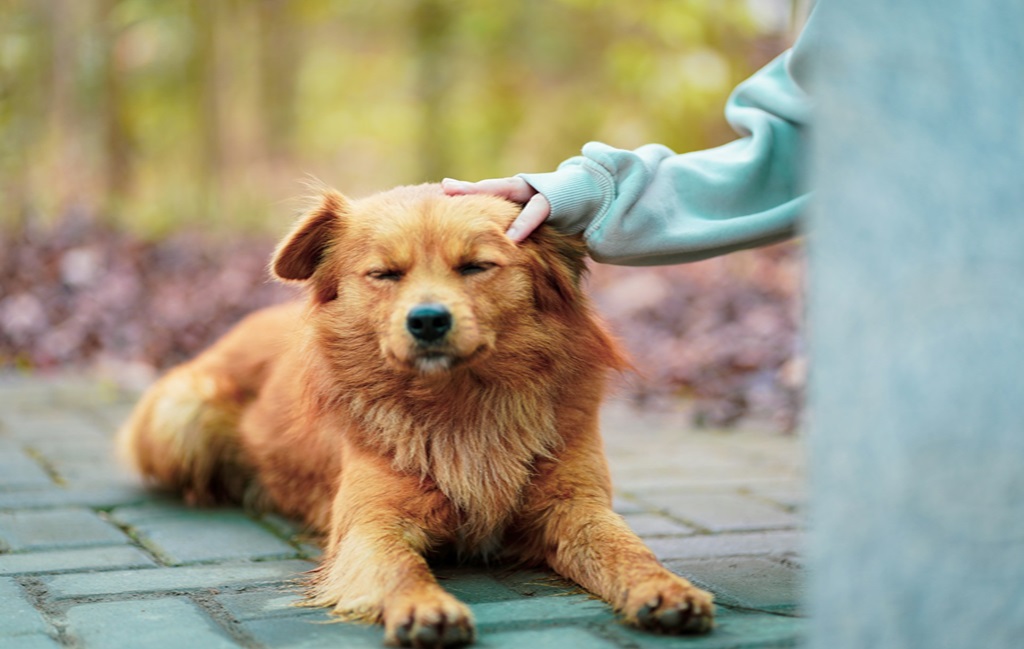
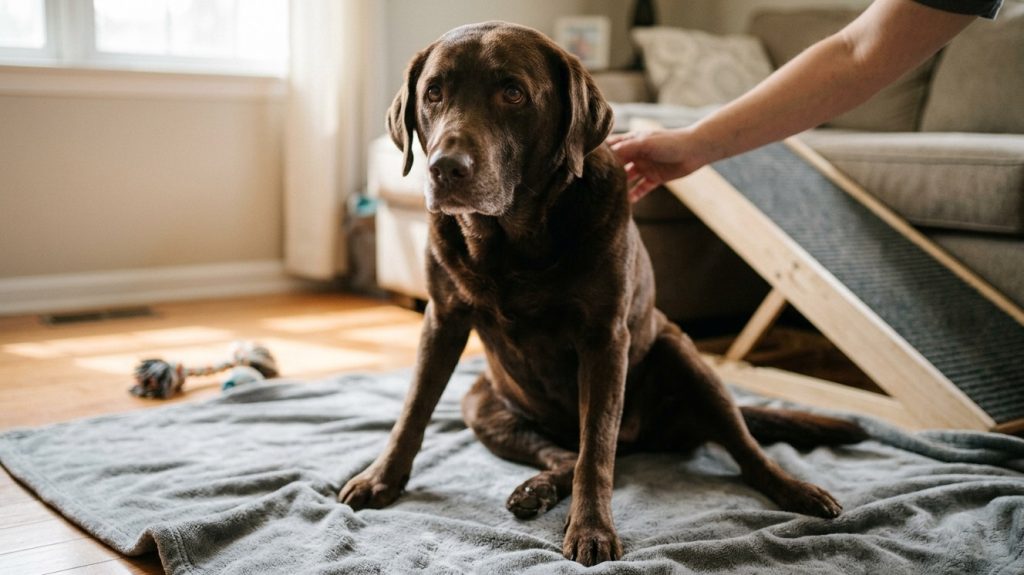
There is nothing quite like the sudden pit in your stomach when your furry best friend goes to stand up, only for their hindquarters to wobble, sway, or completely collapse. Seeing your dog back legs suddenly weak instantly sends any dog parent into panic mode. One minute they are chasing a tennis ball across the yard like an energetic goofball, and the next, their back legs seem to have lost all power.
If you are currently sitting on the living room floor watching your pup struggle, take a deep breath. When you ask yourself, why is my dog’s back legs suddenly weak?, the answer ranges from minor, treatable muscle strains to time-sensitive medical emergencies.
Having shared my home with multiple dogs over the years—from hyperactive retrievers who think they are invulnerable to senior rescues with creaky joints—I have faced this scary moment more than once. This guide breaks down the underlying causes, warning signs, emergency triggers, and recovery options so you can act quickly and give your dog the care they need.
Red Flag Symptoms: When “Weak Legs” Is an Emergency
Before analyzing specific conditions, we must distinguish between mild weakness and a full-blown veterinary emergency. If your dog suddenly can’t walk or is displaying any of the following symptoms alongside hind leg weakness, skip the internet research and get to an emergency vet clinic immediately:
Complete Paralysis: Your dog is dog dragging back legs behind them and cannot support any weight whatsoever.
Severe Pain Vocalization: Whining, crying out, snapping, or trembling when their lower back or legs are touched.
Loss of Incontinence: Inability to control bowel movements or urination, or being unable to void urine at all.
Cold Hind Paws: Paws that feel noticeably cold to the touch, combined with pale or blue-tinted gums (often a sign of a vascular blood clot).
Rapid Collapse or Distressed Breathing: Heavy panting, pale gums, or confusion alongside leg weakness.
Quick Tip: If your dog cannot use their rear legs, do not drag them or lift them under their stomach, as this can worsen spinal injuries. Slip a thick folded towel underneath their belly right in front of their hind legs to act as a temporary sling, supporting their weight safely as you move them to the car.
Why Is My Dog’s Back Legs Suddenly Weak? 7 Major Causes
Hind limb weakness (referred to by veterinarians as paresis for partial loss, or paralysis for complete loss) generally stems from three body systems: the nervous system (spine and brain), the musculoskeletal system (bones and joints), or systemic issues (toxins, blood circulation, and metabolism).
                                  +------------------------------------+
                                  | Sudden Rear Leg Weakness in Dogs   |
                                  +------------------------------------+
                                                    |
         +------------------------------------------+------------------------------------------+
         |                                          |                                          |
+-----------------+                        +-----------------+                        +-----------------+
|   Neurological   |                        |   Orthopedic    |                        |    Systemic     |
+-----------------+                        +-----------------+                        +-----------------+
| • IVDD          |                        | • CCL Tear      |                        | • Toxins        |
| • FCE (Stroke)  |                        | • Hip Dysplasia |                        | • ATE (Clot)    |
| • DM            |                        | • Arthritis     |                        | • Hypoglycemia  |
+-----------------+                        +-----------------+                        +-----------------+
1. Intervertebral Disc Disease (IVDD)
Intervertebral Disc Disease is one of the most frequent culprits behind why a dog back legs suddenly weak situation occurs. Think of the discs between your dog’s spinal vertebrae as jelly-filled donuts that act as shock absorbers. In IVDD, a disc ruptures or bulges into the spinal canal, compressing the nerves that tell the back legs how to move.
This condition is notorious in long-backed, short-legged breeds (chondrodystrophic breeds) like Dachshunds, Corgis, and Basset Hounds, but it can hit any breed—including French Bulldogs and Beagles. IVDD often manifests rapidly after a simple jump off the couch or a sharp turn during fetch.
2. Fibrocartilaginous Embolism (FCE or “Spinal Stroke”)
If your energetic Labrador was sprint-chasing a frisbee, let out a sharp yell, and suddenly lost control of one or both back legs without showing ongoing pain afterward, you might be dealing with an FCE.
An FCE occurs when a microscopic bit of cartilage breaks off from an intervertebral disc and blocks blood supply to a portion of the spinal cord. While it sounds terrifying, the good news is that FCE is non-progressive after the initial 24 hours, and many dogs recover well with intensive physical therapy.
3. Acute Cranial Cruciate Ligament (CCL) Tears
Dogs don’t have ACLs like human athletes—they have CCLs (Cranial Cruciate Ligaments). When a dog tears a CCL in their knee joint, they may suddenly refuse to place weight on a hind leg, giving the appearance that their rear end has collapsed. If they tear both CCLs or have existing hip joint issues in the opposite leg, their entire hindquarters will look shaky and weak.
4. Degenerative Myelopathy (DM)
IMO, Degenerative Myelopathy is one of the toughest diagnoses a pet owner can face. Often described as the canine equivalent of ALS, DM is a progressive disease of the spinal cord seen frequently in German Shepherds, Boxers, and Pembroke Welsh Corgis.
While DM usually develops gradually, owners often do not notice the subtle early signs until a threshold is crossed and it seems like their dog dragging back legs happened overnight. A key sign of DM is “knuckling”—where the dog walks on the tops of their rear paws rather than the pads.
5. Sudden Toxin Exposure
Dogs are notorious for eating things they shouldn’t. Ingestion of specific toxins can cause sudden neurological impairment, loss of motor coordination (ataxia), and back leg collapse. Common offenders include:
Xylitol: Found in sugar-free gum and peanut butter, causing a massive insulin spike and severe hypoglycemia.
Cannabis/THC Edibles: Causes pronounced staggering, dribbling urine, slow heart rate, and limb weakness.
Mycotoxins: Found in moldy compost or spoiled food.
Tick Paralysis: Caused by neurotoxins injected by specific ticks (like the Rocky Mountain wood tick or American dog tick) after several days of attachment.
6. Aortic Thromboembolism (Blood Clots)
Although more common in cats, a blood clot lodged at the main junction supplying blood to the rear legs (the aortic bifurcation) can occur in dogs with underlying heart disease. This stops blood flow cold. The rear legs become cold, extremely painful, and completely paralyzed within seconds.
7. Severe Osteoarthritis Flares and Hip Dysplasia
While arthritis and hip dysplasia are chronic, long-term issues, an acute flare-up can trick you into thinking it appeared out of nowhere. A dog that slips on a slick hardwood floor or overexerts themselves at the dog park can suffer sudden, severe joint inflammation that makes them refuse to bear weight on their hind legs.
Comparing the Primary Causes of Rear Leg Weakness
| Condition | Onset Speed | Primary Symptoms | Pain Level | High-Risk Breeds / Types |
| IVDD | Sudden to Sub-acute | Arched back, knuckling, paralysis | High to Severe | Dachshunds, Corgis, Frenchies |
| FCE (Spinal Stroke) | Instantaneous | Sudden asymmetry, loss of leg use | Low (after initial yell) | Medium-to-Large Breeds |
| CCL Ligament Tear | Sudden (during play) | Holding one leg up, hopping | Moderate to High | Active, overweight, or large dogs |
| Toxin Ingestion | Rapid (1–4 hours) | Wobbly gait, tremors, vomiting | Variable | All dogs (curious eaters) |
| Degenerative Myelopathy | Slow (appears sudden) | Paw dragging, knuckling, no pain | None | German Shepherds, Boxers |
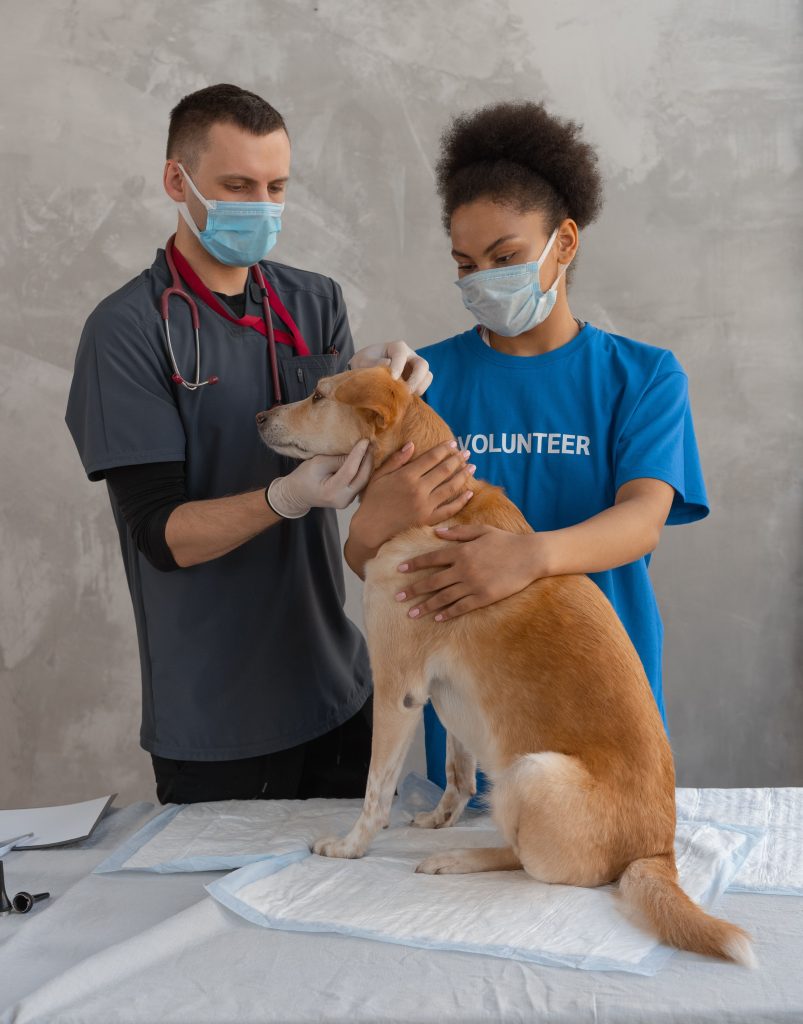
Source: Mikhail Nilov / Pexels — “Dog Getting Checked.”
How Vets Diagnose Sudden Hind Leg Weakness
When you take your pup to the vet, they will systematically pinpoint why your dog back legs suddenly weak by following a set diagnostic pathway:
Neurological & Orthopedic Exam: The vet will check spinal reflexes, toe pinch responses (deep pain perception), and proprioception (turning the paw upside down to see if the dog corrects it).
Bloodwork & Urinalysis: To rule out severe hypoglycemia, systemic infection, metabolic failure, or toxin presence.
Digital Radiographs (X-rays): Helpful for spotting bone fractures, hip dysplasia, joint dislocation, and arthritic changes. (Note: Standard X-rays do not show soft tissue spinal cord compression from IVDD or FCE).
Advanced Imaging (MRI or CT Scan): The gold standard for neurological issues. An MRI clearly reveals spinal cord swelling, herniated disc material, or strokes.
Treatment & Medical Recovery Options
The treatment plan depends entirely on the root diagnosis. Never attempt to medicate your dog at home with human painkillers like ibuprofen or acetaminophen, as these are highly toxic and often fatal to dogs.
Surgical Intervention
For severe IVDD where the dog has lost the ability to walk or feel their legs, emergency spinal decompression surgery (hemilaminectomy) offers the best chance of functional recovery. Time is of the essence here—getting a paralyzed dog into surgery within 24–48 hours of symptom onset drastically improves prognosis.
Conservative Medical Management
If the weakness is mild, or if surgery is not an option, vets often prescribe conservative management:
Strict Crate Rest: 4 to 8 weeks of restricted movement to allow disc tears or tissue inflammation to heal without further trauma.
Prescription Anti-inflammatories: NSAIDs (like Carprofen or Meloxicam) or short-term corticosteroid therapy to suppress spinal swelling.
Neuropathic Pain Medications: Gabapentin or Pregabalin to control nerve pain.
Muscle Relaxants: Methocarbamol to alleviate painful back spasms.
Home Care & Mobility Support for Weak Rear Legs
Caring for a pup whose back legs give out requires patience, adjustments to your living environment, and the right gear to keep them comfortable and mobile.
Essential Home Setup Adjustments
Non-Slip Flooring: Hardwood, tile, and laminate floors are the enemy of a dog with weak legs. Cover your main walking corridors with non-slip runner rugs or interlocking foam yoga mats to prevent dangerous slips.
Ramps over Stairs: Never force a dog with rear leg weakness to navigate stairs or jump onto furniture. Portable ramps with high-traction surface grips are essential investments for couches, beds, and vehicles.
Orthopedic Bedding: Upgrade your dog to a high-density orthopedic memory foam bed. This minimizes pressure points on hips and hocks during long periods of rest.
Supportive Mobility Gear
When your dog suddenly can’t walk without stumbles, assistive gear keeps them active while protecting your back from strain:
Rear Support Harnesses: Mobility harnesses (like the Help’EmUp Harness) feature padded handles above the hips, allowing you to lift their back end gently while they walk.
Toe Grips and Traction Boots: Rubberized socks or grip rings applied to the nails give your dog extra leverage on slick indoor surfaces.
Dog Mobility Wheelchairs: For dogs facing long-term mobility loss from conditions like Degenerative Myelopathy or non-operable IVDD, a custom two-wheel dog wheelchair provides freedom of movement, allowing them to run, play, and potty outdoors.
Prevention: Protecting Your Dog’s Spinal and Joint Health
While you cannot prevent every genetic condition or unexpected accident, taking proactive steps reduces the risk of sudden rear leg collapse:
Maintain an Ideal Body Weight: Extra weight places continuous stress on intervertebral discs, cruciate ligaments, and hip joints. Keeping your dog lean is the single best gift you can give their musculoskeletal health.
Discourage High-Impact Jumping: Train long-bodied breeds from puppyhood to use ramps instead of leaping off beds, couches, or SUV trunks.
Incorporate Joint Supplements: Look for high-quality, vet-formulated supplements rich in Glucosamine, Chondroitin, MSM, and Omega-3 fatty acids (EPA/DHA) to support cartilage and reduce joint inflammation.
Regular Low-Impact Exercise: Daily controlled leash walks and swimming help maintain strong core and hind-quarter muscle mass, which acts as a protective brace for the spine.
Frequently Asked Questions (FAQs)
Why is my dog’s back legs suddenly weak after playing fetch?
When weakness happens abruptly during or right after vigorous exercise, the top suspects are an acute Cranial Cruciate Ligament (CCL) tear, an intervertebral disc extrusion (IVDD), or a spinal stroke (FCE). Rest your dog immediately, avoid letting them walk unassisted, and seek veterinary evaluation.
Can a dog recover from sudden back leg weakness without surgery?
Yes! Many dogs recover through conservative management involving strict crate rest, anti-inflammatory medications, cold laser therapy, and targeted physical rehabilitation. However, if your dog has lost deep pain sensation or is completely paralyzed, surgery is often necessary to restore function.
Could sudden rear leg weakness be caused by a tick bite?
Yes. Tick paralysis occurs when certain tick species attach and release neurotoxins into the dog’s bloodstream. The weakness typically starts in the hind legs and moves forward toward the front legs. Removing the tick often leads to a rapid, full recovery within 24 to 48 hours.
How do I know if my dog is in pain when their legs give out?
Dogs hide pain exceptionally well. Look for subtle signs: heavy panting while resting, dilated pupils, muscle tremors, loss of appetite, reluctance to turn their head, lip licking, or subtle growling when you touch their lower back. If they are vocalizing (yelping or whining), their pain is severe.
What should I do if my dog is dragging back legs while trying to walk?
If you notice your dog dragging back legs, stop them from walking immediately. Allowing them to drag their legs can cause skin abrasions, spinal cord damage, or permanent paralysis. Use a belly sling or harness to carry their rear weight, place them gently in a secure crate or car, and visit an emergency vet clinic.
Final Words
Seeing your beloved companion lose control of their hind legs is one of the most stressful moments a pet parent can endure. It is completely normal to feel overwhelmed, but remember that prompt action makes all the difference.
Whether your pup is dealing with a temporary joint strain, a herniated disc, or a recovery journey requiring a mobility harness, your calm support is their greatest asset. Reach out to your veterinarian right away, set up a comfortable, non-slip recovery space at home, and take it one day at a time 🙂