
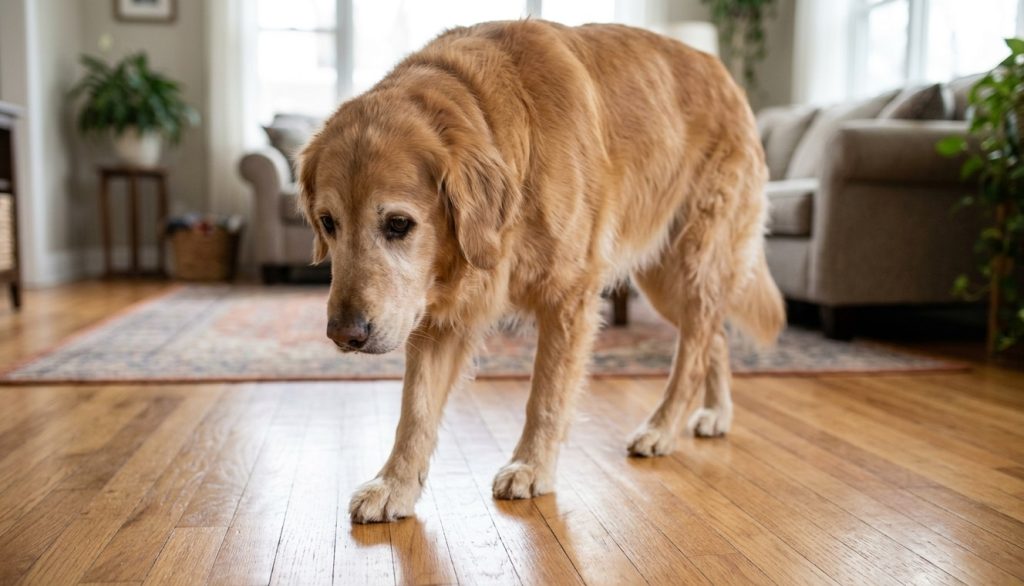
Few things freeze a dog owner’s heart faster than watching a beloved furry companion stumble across the living room carpet for no apparent reason, or stare blankly at a blank wall like they’ve seen a ghost. When our dogs experience nervous system issues, the symptoms often manifest abruptly and dramatically. Recognizing neurological problems in dogs: warning signs early can mean the difference between a swift recovery and permanent nerve damage.
Our dogs depend entirely on their central nervous system—the intricate network of the brain, spinal cord, and peripheral nerves—to navigate every step, tail wag, and sprint after a tennis ball. When a glitch occurs in that system, the body sends clear signals. Understanding these neurological problems in dogs: warning signs empowers you to take decisive action before a minor tremor becomes a major medical crisis.
What Are Canine Neurological Disorders?
At its core, a neurological disorder involves a malfunction in how the brain sends signals to the rest of the body, or how the spinal cord processes those messages. Unlike a simple muscle strain or a cut on a paw pad, neurological issues originate directly within the command center.
The nervous system is broadly split into two main sections:
-
The Central Nervous System (CNS): Comprising the brain and spinal cord, responsible for processing information, balance, memory, and voluntary movement.
-
The Peripheral Nervous System (PNS): The network of nerves branching off the spine to control limbs, facial muscles, and organ functions.
When disease, trauma, or degeneration strikes any part of this system, the symptoms look markedly different from typical joint stiffness or localized injuries.
Key Neurological Problems in Dogs: Warning Signs Every Parent Must Spot
Recognizing neurological problems in dogs: warning signs requires paying close attention to subtle shifts in your pet’s routine, movement, and mood. While some symptoms appear suddenly, others creep up slowly over weeks.
1. Unsteady Gait and Ataxia (Wobbliness)
If your dog walks like they’ve had one too many margaritas at a patio brunch, they are experiencing ataxia. This wobbly, uncoordinated movement happens when the brain loses track of where the limbs are in space. You might notice crossing paws, sway-backed walking, or unexpected swaying while standing completely still.
2. Knuckling (Walking on the Tops of Paws)
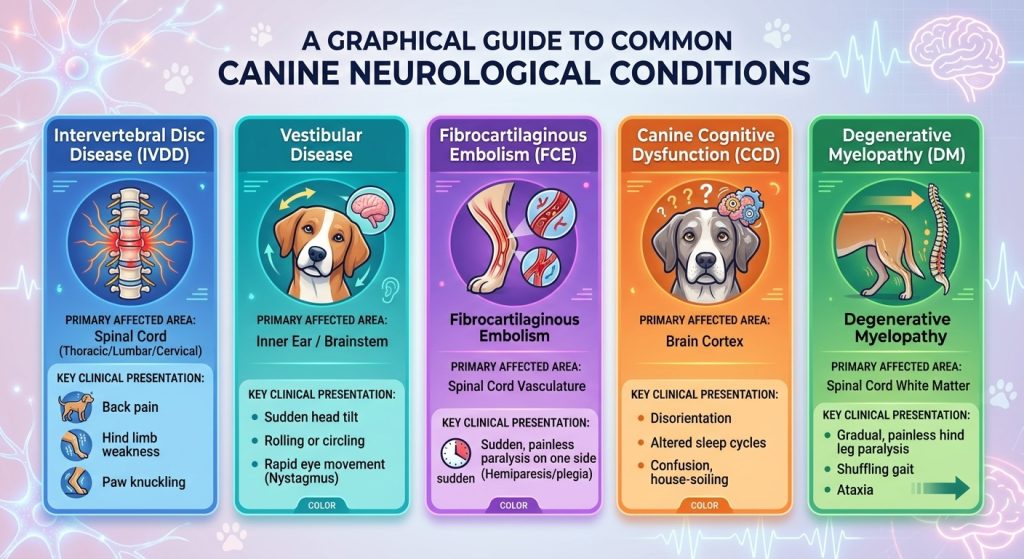
Knuckling is one of the classic neurological problems in dogs: warning signs that indicates a loss of proprioception—the body’s spatial awareness. Instead of placing the paw pad flat on the floor, the dog turns the toes under and walks on the top of the foot. You may hear their nails scuffing repeatedly against the pavement during daily walks.
3. Head Tilt and Involuntary Eye Movement (Nystagmus)
A sudden, persistent head tilt—where your dog looks as though they are permanently listening to an odd sound—often points to vestibular disease. This system controls balance. Along with a head tilt, you might notice their eyes darting rapidly side-to-side or up-and-down (nystagmus), leading to severe dizziness and nausea.
4. Behavioral and Cognitive Shifts
When brain tissue or blood flow is affected, behavior alters drastically. A usually affectionate dog might suddenly become aloof, confused, or aggressive. Pacing endlessly in circles, getting stuck behind furniture, or staring into corners are strong behavioral indicators of neurological distress.
5. Seizures and Involuntary Tremors
Seizures represent sudden bursts of abnormal electrical activity in the brain. They can range from full-body convulsions with drooling and loss of consciousness (grand mal) to subtle “fly-biting” episodes where the dog snaps at invisible air.
Common Underlying Causes of Neurological Issues
Identifying neurological problems in dogs: warning signs is only the first half of the puzzle; understanding what drives them is the second.
Dog Spinal Problems and Disc Disease
The canine spine is a complex architecture of bones (vertebrae) cushioning a sensitive nerve bundle. Severe dog spinal problems, such as Intervertebral Disc Disease (IVDD), occur when the shock-absorbing cushions between vertebrae bulge or rupture directly into the spinal cord. Breeds with long backs and short legs (like Dachshunds, Corgis, and Basset Hounds) are especially prone to acute disc ruptures, though any dog can suffer spinal disc herniation from rough play or jumping off furniture.
Brain Tumors and Inflammatory Conditions
In older dogs, brain tumors can cause progressive pressure inside the skull, leading to seizures, vision loss, or dramatic personality changes. In younger dogs, inflammatory conditions like Meningoencephalomyelitis (MUO) cause immune system attacks on brain tissues, demanding immediate steroid intervention.
Triage Guide: When Hind Leg Weakness Is Emergency Care
Not every stumble requires an midnight rush to the ICU, but knowing when hind leg weakness is emergency care saves lives and preserves mobility.
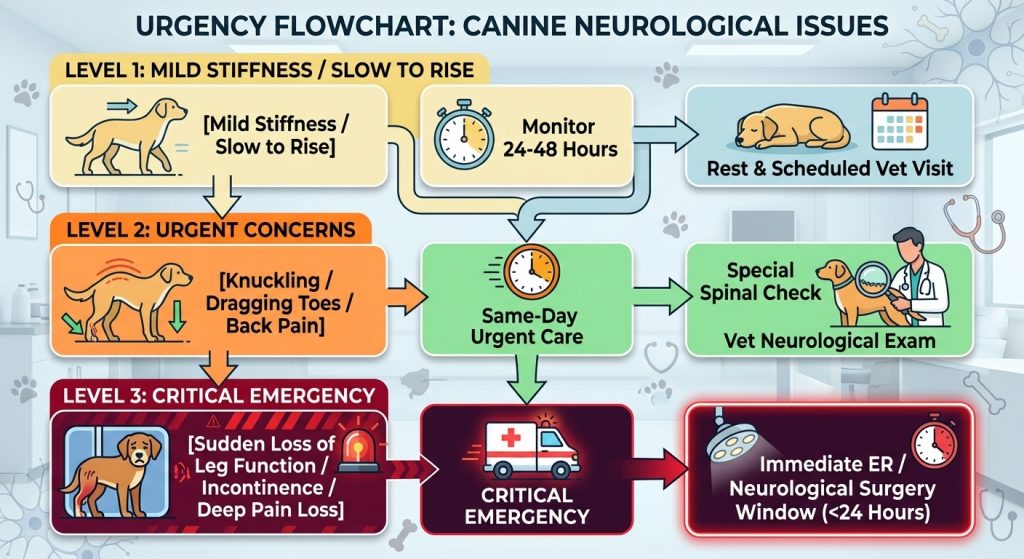
If your dog displays mild hind leg weakness after an energetic afternoon at the dog park, resting them for 12 hours under close observation is often reasonable. However, knowing when hind leg weakness is emergency territory comes down to checking for these critical red flags:
-
Sudden Inability to Stand: Your dog’s back legs give out completely, and they are forced to drag their lower body using their front legs.
-
Loss of Bladder or Bowel Control: Involuntary leaking or complete inability to urinate indicates severe spinal compression interrupting nerve supply to the sphincter.
-
Severe Vocalization and Spinal Pain: Crying out, screaming when touched along the back, or holding a arched, rigid posture.
-
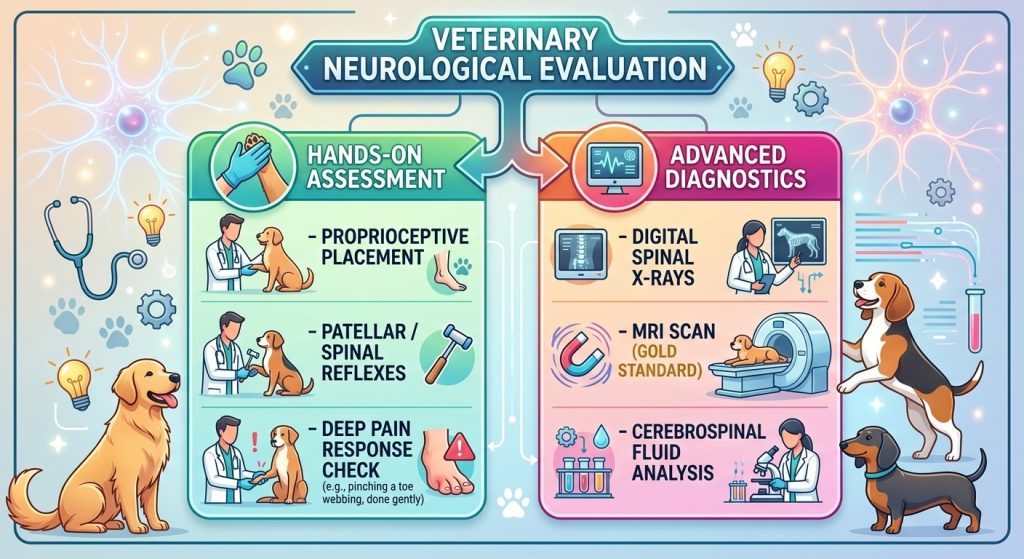
Loss of Deep Pain Perception: If you firmly pinch the skin between their toes and they display no conscious awareness (no turning around or whimpering), the spinal cord is under severe pressure.
FYI: In cases of acute IVDD, surgical decompression yields high success rates if performed within 24 to 48 hours of losing mobility. Waiting to “see how they feel tomorrow” can permanently close that recovery window.
Veterinary Diagnosis and Modern Treatment Paths
When you arrive at the clinic after noticing neurological problems in dogs: warning signs, the veterinarian will conduct a structured neurological exam to localize the lesion—determining whether the issue resides in the brain, cervical spine, lumbar spine, or peripheral nerves.
Medical vs. Surgical Interventions
Depending on the diagnosis, treatment pathways vary significantly:
-
Conservative Medical Management: Used for mild IVDD, vestibular disease, or early nerve inflammation. Involves strict crate confinement for 4 to 6 weeks, anti-inflammatory medications, pain relievers, and muscle relaxants.
-
Surgical Decompression: For acute disc herniations causing severe compression, hemilaminectomy surgery removes bone fragments pressing against the spinal cord.
-
Long-Term Medication: Anticonvulsants (such as Levetiracetam or Phenobarbital) manage chronic seizure disorders with exceptional success.
Supportive At-Home Care and Gear for Recovery
Managing a dog recovering from spinal or nerve conditions requires physical support, environmental modifications, and dedicated gear to protect their body during rehabilitation.
IMO, modifying your home before your dog returns from the hospital is the best gift you can give your sanity and your dog’s safety.
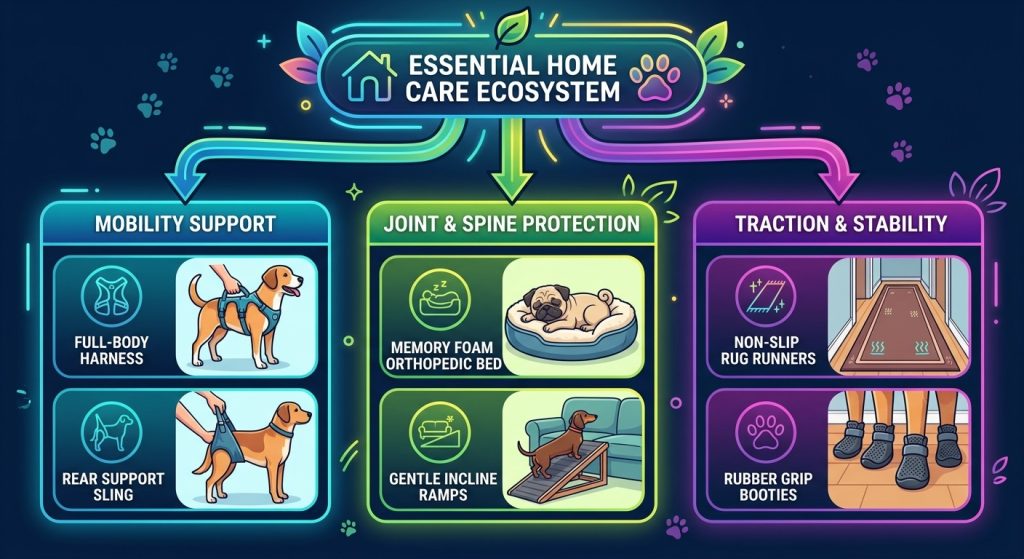
Key Supportive Equipment for Dogs with Mobility Issues
-
Orthopedic Memory Foam Dog Beds: Dogs with spinal strain or weakness spend extra time resting. High-density, medical-grade memory foam cushions aching pressure points and keeps the spine aligned.
-
Full-Body Lift Harnesses: Supporting a 70-pound Golden Retriever with rear-leg paralysis without straining your own back requires specialized gear. Rear-support slings or full-body harnesses allow you to assist them outside for potty breaks effortlessly.
-
Pet Ramps for Furniture and Vehicles: Jumping off couches or car trunks puts immense compressive force on intervertebral discs. Incline ramps eliminate impact forces completely.
-
Non-Slip Socks and Grip Booties: Smooth hardwood and tile floors present hazardous terrain for a wobbly dog. Rubber-soled booties or adhesive paw pads provide immediate traction, preventing scary wipeouts. 🙂
Frequently Asked Questions
Can a dog recover from severe neurological problems?
Yes. Many dogs recover remarkably well from conditions like vestibular disease, mild IVDD, and localized nerve damage with prompt medical care, strict rest, and physical therapy.
How do I know if my dog’s wobbly walking is joint pain or a neurological issue?
Joint pain (like arthritis) typically manifests as stiffness that improves as the dog warms up, with clear limping on a specific leg. Neurological wobbliness involves lack of coordination, crossing feet, toe scuffing, or knuckling without a specific localized limb limp.
What is the most common cause of sudden hind leg weakness in dogs?
Intervertebral Disc Disease (IVDD) is the leading cause of sudden rear-leg weakness or paralysis, particularly in chondrodystrophic (short-legged) breeds.
How long does acute vestibular disease last in dogs?
The most severe symptoms (vertigo, rapid eye movement, vomiting) usually peak within 24 to 48 hours and improve significantly over 7 to 14 days, though a mild head tilt may linger permanently.
Is a head tilt always an emergency neurological sign?
A head tilt warrants a prompt veterinary visit within 24 hours. While often caused by inner ear infections or benign old-dog vestibular disease, it can occasionally signal a central brain lesion.
Final Words
Catching neurological problems in dogs: warning signs early provides your veterinarian with the best opportunity to treat underlying conditions effectively. Whether it’s setting up non-slip runners across slippery hardwood floors, investing in a supportive orthopedic bed, or rushing to the emergency clinic when hind leg weakness turns acute, your attentive care makes all the difference in your dog’s quality of life.
Stay observant, trust your instincts when something seems off with your dog’s stride, and never hesitate to seek expert veterinary guidance when nerve or spinal health is on the line.









