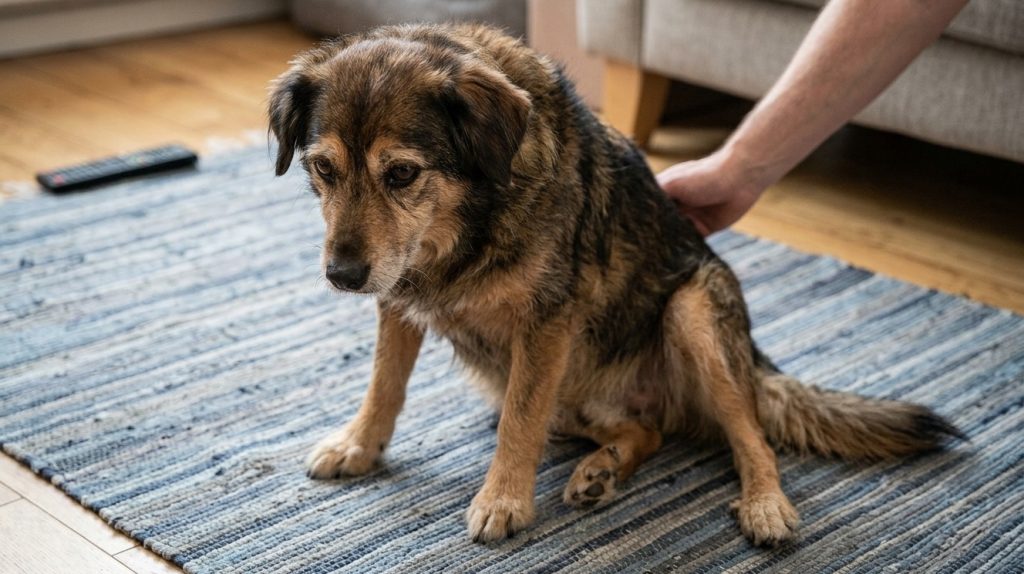
Watching your dog or cat suddenly wobble, drag a paw, or struggle to push themselves up off the hardwood floor is a stomach-dropping moment. One minute they are zooming through the living room chasing a tennis ball; the next, their back legs look like noodles. As pet parents, our first instinct is often panic. Is it just a pulled muscle from jumping off the couch? Arthritis acting up on a damp morning? Or is something far more serious happening under the hood?
Knowing when is hind-leg weakness an emergency can mean the difference between a full recovery and permanent mobility loss. While some mobility changes develop gradually over months, others require immediate, middle-of-the-night intervention at the nearest emergency vet clinic.
Let’s cut through the confusion and break down exactly what causes rear-end instability, how to spot urgent red flags, and what you need to do right now to keep your companion safe.
Understanding Rear-Leg Instability: Sluggish vs. Sudden
Not all weakness is created equal. Veterinary professionals generally divide mobility issues into two distinct categories: chronic (slow onset) and acute (sudden onset).
                                 [HIND-LEG WEAKNESS]
                                          │
                  ┌───────────────────────┴───────────────────────┐
                  ▼                                               ▼
          [CHRONIC ONSET]                                 [ACUTE ONSET]
     (Develops over months)                         (Develops over hours/days)
          │                                               │
  • Osteoarthritis                                • IVDD (Disk Herniation)
  • Degenerative Myelopathy                       • Sudden Paralysis / FCE
  • Muscle Atrophy                                • Spinal Trauma / Toxins
          │                                               │
          ▼                                               ▼
   [Schedule Vet Visit]                            [EMERGENCY VET VISIT NOW]
Chronic Weakness (Non-Emergency, But Needs Care)
If your 10-year-old Labrador takes a few extra seconds to stand up after a long nap, or your senior cat hesitates before jumping onto the window sill, you are likely looking at a chronic condition. Osteoarthritis, gradual muscle loss, and slow-progressing conditions like canine degenerative myelopathy fall into this bucket.
These issues require veterinary management, pain relief, and environmental modifications—like non-slip rug runners and orthopedic dog beds—but they rarely require a 2:00 AM trip to the emergency room.
Source: SEV Neurology
Acute Weakness (Potential Medical Emergency)
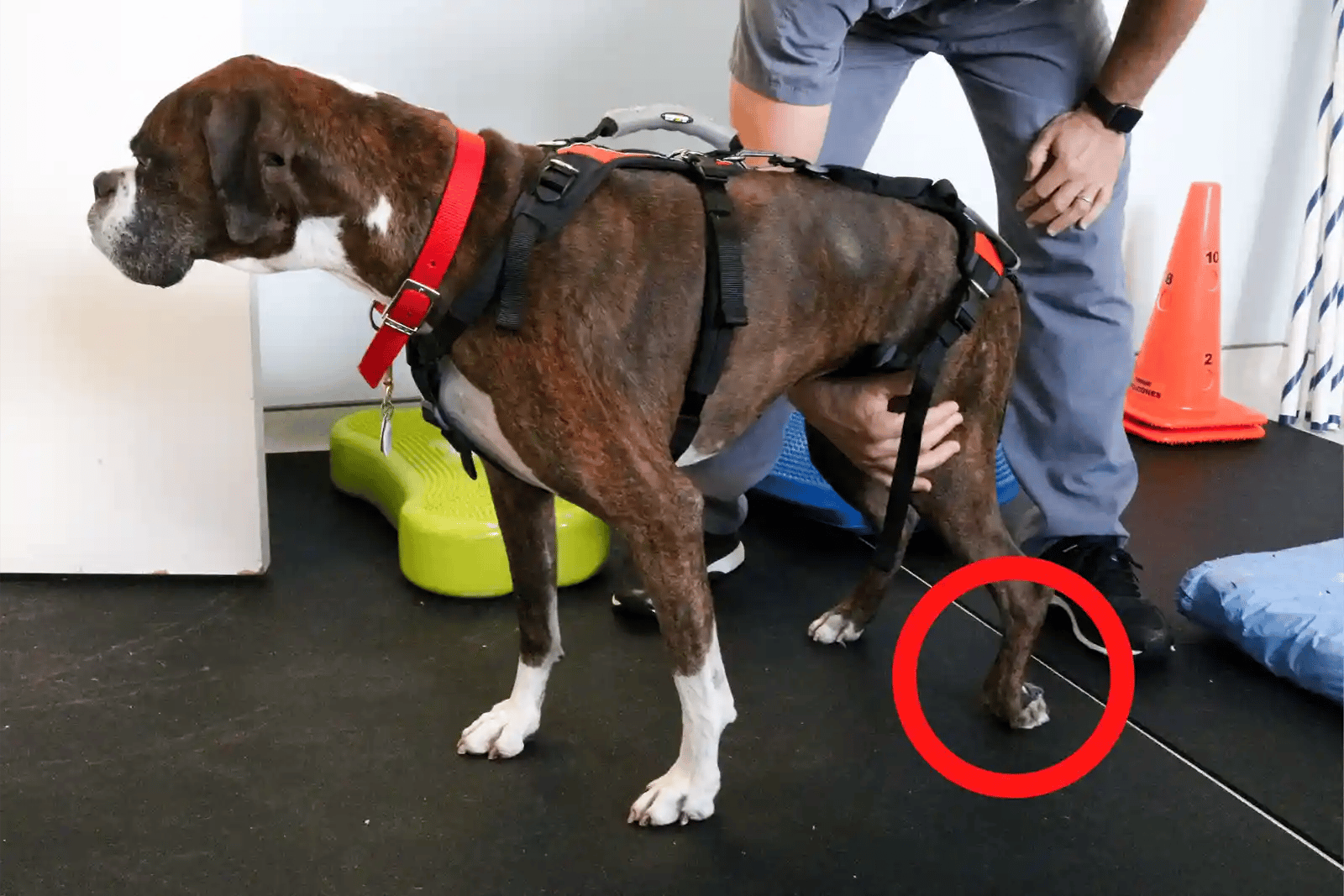
If your pet was fine two hours ago and is now dragging their rear paws, knuckling under (walking on the tops of their feet), or screaming in pain when they move, you are in potential emergency territory. Rapid loss of motor function often points to nerve damage, vascular blockages, or severe spinal cord compression.
Red Flag Symptoms: When Is Hind-Leg Weakness an Emergency?
If you are staring at your pet right now asking yourself when is hind-leg weakness an emergency, run through this rapid diagnostic checklist.
If your pet exhibits any of the following high-risk indicators alongside back leg instability, load them into the car and head to an emergency animal hospital immediately:
-
Complete Loss of Deep Pain Sensation: Pinch the skin between their back toes gently. If they do not turn around, pull the foot back, or acknowledge it, nerve transmission is severely impaired.
-
Knuckling Under: Walking on the tops of the paws rather than the pads. This is a classic sign of impaired proprioception (the brain’s spatial awareness of the limbs).
-
Sudden Paralysis in Dogs or Cats: Inability to move the rear limbs entirely, often accompanied by severe distress or rapid breathing.
-
Vocalizing in Severe Pain: Yelping, screaming, panting heavily, or snapping when touched around the back, hips, or abdomen.
-
Cold Back Paws (Especially in Cats): If your cat’s back legs are weak, cold to the touch, and their toe pads look blue or pale, suspect an aortic thromboembolism (saddle thrombus). This is an excruciating emergency.
-
Loss of Bladder or Bowel Control: Inability to hold urine or feces, or conversely, an inability to express the bladder voluntarily.
-
Systemic Signs: Collapse paired with pale gums, vomiting, high fever, or unresponsive pupils.
IMO, it is always better to pay an emergency exam fee for a false alarm than to wait until morning and miss a critical treatment window for spinal trauma.
Neurological vs. Orthopedic: Identifying the Root Cause
To understand when is hind-leg weakness an emergency, it helps to know whether the problem originates in the bones/joints (orthopedic) or the nervous system (neurological).
| Symptom Characteristic | Orthopedic Issue (Joints / Bones) | Neurological Issue (Brain / Spine / Nerves) |
| Paws/Placement | Walks on pads; may limp or favor one side | Knuckles under; walks on tops of toes |
| Pain Level | Mild to moderate; localized to joint | Often severe acute pain, or complete numbness |
| Reflexes | Normal spinal reflexes | Hyperactive, dull, or absent reflexes |
| Symmetry | Often asymmetrical (one bad leg) | Often symmetrical (both back legs weak) |
| Onset | Usually gradual with flare-ups | Often sudden and rapidly worsening |
Common Causes of Rear Leg Instability in Dogs and Cats
1. Intervertebral Disc Disease (IVDD)
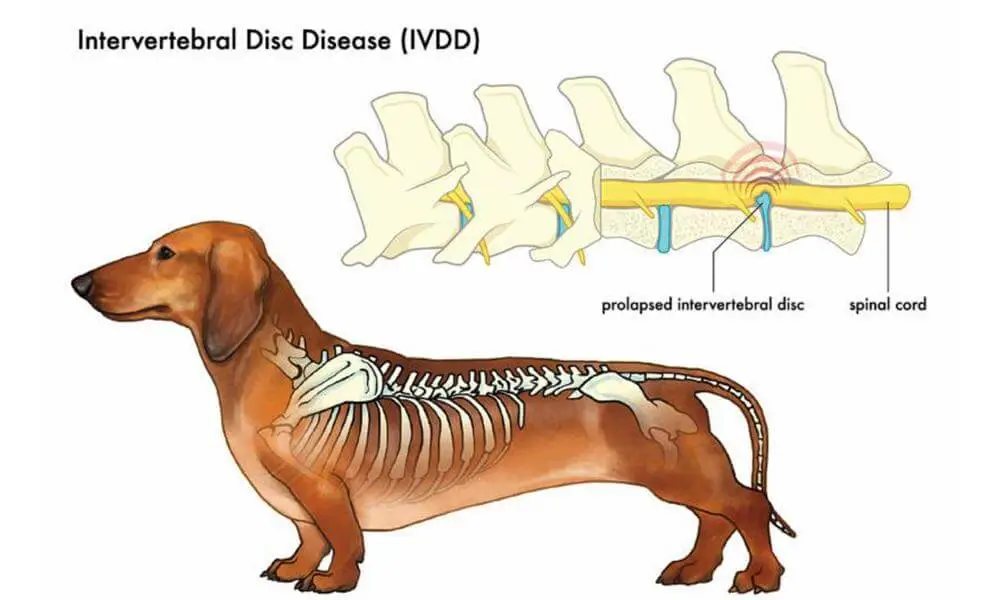
IVDD occurs when the cushioning discs between spinal vertebrae bulge or rupture into the spinal cord space. Dachshunds, Corgis, Beagles, and French Bulldogs are famous for this due to their long spines and short legs, but IVDD can strike any breed.
When a disc ruptures, it compresses the spinal cord, blocking communication to the rear limbs. Without rapid surgical decompression or high-dose anti-inflammatory intervention, permanent paralysis can set in within 24 to 48 hours.
Source: RehabVet
2. Fibrocartilaginous Embolism (FCE)
Often called a “spinal stroke,” an FCE happens when a microscopic piece of cartilage breaks off into the blood vessels supplying the spinal cord. It typically occurs during energetic play or exercise.
A dog might yelp once while chasing a ball, fall over, and instantly lose function in one or both back legs. While FCE is usually non-painful after the initial onset, recognizing these dog neurological symptoms early is critical to rule out IVDD and start immediate physical therapy.
3. Degenerative Myelopathy (DM)
Common in German Shepherds, Boxers, and Bernese Mountain Dogs, DM is a progressive disease of the spinal cord akin to ALS in humans. It begins with subtle swaying of the rear end, dragging toes, and wearing down the middle nails.
While DM is non-painful and not an immediate overnight emergency, knowing when is hind-leg weakness an emergency helps owners distinguish DM from acute spinal conditions that require urgent surgery.
4. Feline Aortic Thromboembolism (Saddle Thrombus)
In cats, sudden back leg weakness is frequently vascular rather than spinal. A blood clot originating from an underlying heart condition travels down the aorta and lodges where the artery splits to supply the hind legs.
Cats will suddenly drag their hind limbs, cry out loudly in intense pain, and have cold back paws with firm muscles. This is a grade-A medical emergency. Immediate veterinary stabilization is mandatory.

Source: Linden Vet Hospital
5. Tick Paralysis & Toxins
Exposure to neurotoxins—such as ingestion of certain plants, human medications, pest controls, or a bite from specific tick species (like the American Dog Tick or Rocky Mountain Wood Tick)—can cause ascending paralysis. It usually starts in the back legs and creeps forward toward the respiratory system.
Immediate Steps: What to Do at Home Before Reaching the Vet
If you suspect your pet is experiencing an acute emergency, how you handle them right now matters tremendously. Mismanaging a spinal injury can make compression worse.
                    [EMERGENCY HANDLING PROTOCOL]
                                  │
      ┌───────────────────────────┼───────────────────────────┐
      ▼                           ▼                           ▼
[STABILIZE SPINE]          [RESTRICT MOVEMENT]         [SAFE TRANSPORT]
Use rigid board/blanket    No walking, running,       Crate bound with towels
stretcher for transport    or stair climbing          to prevent sliding
-
Keep Them Still: Do not let your dog walk, run, or attempt stairs. Small dogs and cats should be picked up carefully. Support their front and rear ends simultaneously to keep the spine completely straight.
-
Use a Rigid Surface for Large Dogs: If you have a large dog showing dog rear leg collapse or sudden paralysis in dogs, slide a firm wooden board, ironing board, or rigid stretcher wrapped in blankets under them to transport them to the car.
-
Do NOT Administer Human Medications: FYI, giving human pain medications like Tylenol, Advil, or Aspirin can be fatal to pets or block vets from safely prescribing necessary veterinary anti-inflammatories right away.
-
Call the ER Clinic Ahead of Time: Call the veterinary hospital while you are on your way. Tell them you are bringing in a pet with acute hind-leg weakness and neurological deficits so they can prepare a triage team with a stretcher at the door.
Veterinary Diagnosis and Treatment Options
When you arrive at the clinic, the veterinary team will perform a rapid physical and neurological evaluation to pinpoint the lesion location in the spine.
Diagnostic Testing
-
Neurological Exam: Assessing paw placement (proprioception), spinal reflexes, and deep pain sensation.
-
Radiographs (X-rays): Helpful for identifying bony fractures, spinal dislocations, or severe arthritis, though X-rays cannot clearly visualize soft tissues like spinal discs or blood clots.
-
Advanced Imaging (MRI or CT Scan): The gold standard for diagnosing IVDD, spinal tumors, or soft-tissue compressions.
[Arrival at ER] ──► [Neurological Exam] ──► [Spinal X-Rays] ──► [Advanced MRI/CT]
                                                                        │
                                                                        ▼
                                                             [Targeted Treatment]
Medical and Surgical Interventions
Depending on the diagnosis, treatment strategies vary widely:
-
Surgical Decompression (Hemilaminectomy): For severe IVDD cases, surgeons remove part of the spinal vertebra to relieve pressure on the compressed spinal cord. Success rates are highest when performed within 24 hours of losing mobility.
-
Strict Rest and Anti-Inflammatories: For mild IVDD or strain, conservative management involves 6 to 8 weeks of strict crate rest paired with steroids or NSAIDs and pain modulators (like Gabapentin).
-
Supportive Therapy: For conditions like FCE or DM, rehabilitation, acupuncture, laser therapy, and custom mobility harnesses play a huge role in maintaining quality of life.
Supporting Mobility at Home During Recovery
Recovering from a hind-leg crisis takes time, patience, and the right gear to prevent secondary injuries like pressure sores or slips.
-
Mobility Support Harnesses: A sturdy rear-support harness or sling allows you to carry your pet’s hindquarters weight while taking them out to eliminate, saving your back in the process 🙂
-
Non-Slip Flooring: Hardwood and tile floors are the enemy of recovering pets. Place rubber-backed yoga mats or runner rugs across high-traffic pathways to give their paws traction.
-
Orthopedic Bedding: High-density memory foam beds distribute weight evenly, preventing pressure sores on hips and hocks during extended crate rest.
-
Toe Grips and Anti-Slip Socks: Rubber grips that fit over nails or non-skid booties can provide traction for pets recovering from neurological knuckling.
Prevention: Protecting Your Pet’s Spine and Joints
While you cannot prevent genetic conditions like Degenerative Myelopathy, you can take proactive steps to reduce the risk of traumatic spinal injuries and joint degeneration:
-
Ramps for Furniture: Avoid letting high-risk breeds (Dachshunds, Basset Hounds, Corgis) jump off sofas or beds. Dog ramps with high-traction carpeting act as joint-savers.
-
Weight Management: Excess body weight puts immense, unnecessary stress on the spine and joints. Keeping your pet at a lean body condition score is the single best gift you can give their frame.
-
Joint Supplements: Incorporating vet-recommended joint support containing Omega-3 fatty acids (EPA/DHA), glucosamine, and chondroitin early in life supports cartilage health and reduces inflammation.
-
Regular, Low-Impact Exercise: Daily leash walks and swimming build strong core and back muscles, which naturally stabilize the vertebral column.
Frequently Asked Questions (FAQs)
Can a dog recover from sudden hind-leg paralysis?
Yes, many dogs recover from sudden hind-leg paralysis, particularly if the cause is IVDD or an FCE and treatment is initiated rapidly. If a dog retains deep pain sensation in their back legs, the prognosis for walking again with surgery or strict crate rest is generally good (80–90%+). However, waiting too long to treat severe compression dramatically lowers the odds of recovery.
Is hind-leg weakness in senior dogs always fatal?
Not at all. Weakness in older dogs is most frequently caused by manageable conditions like osteoarthritis, spinal stenosis, or age-related muscle atrophy. With anti-inflammatory medications, physical therapy, weight management, and mobility harnesses, many senior dogs enjoy a happy, comfortable life for years after weakness first appears.
What is the difference between arthritis and IVDD?
Arthritis is a chronic inflammation of the joints (like hips and knees) that develops slowly over time, causing stiffness that usually improves as the pet warms up. IVDD is a condition involving the intervertebral discs of the spine compressing the spinal cord, often causing acute pain, loss of coordination, knuckling, or sudden paralysis.
Why are my cat’s back legs suddenly weak and cold?
In cats, sudden rear-leg weakness combined with cold paws and vocalization is a classic sign of Feline Aortic Thromboembolism (Saddle Thrombus). A blood clot blocks circulation to the hind limbs. This is an excruciating medical emergency that requires immediate veterinary care to manage pain and attempt blood flow restoration.
How long can I wait to see a vet if my dog starts dragging a back paw?
If your dog starts dragging a paw or knuckling under, you should not wait more than a few hours to seek veterinary evaluation. Knuckling indicates a neurological deficit. Even if your pet does not seem to be in intense pain, neurological issues can progress rapidly from dragging a toe to complete loss of function.
Final Words
Determining when is hind-leg weakness an emergency comes down to observing the speed of onset, your pet’s pain level, and neurological signs like knuckling or loss of feeling. Slow, subtle stiffness on cold mornings warrants a scheduled vet visit; sudden loss of coordination, collapse, or vocalizing in pain demands immediate emergency care.
As pet parents, trusting your gut is half the battle. If something feels wrong with your companion’s movement, do not hesitate to contact your vet or local emergency clinic. Catching spinal compressions and neurological issues early remains the single most effective way to keep your four-legged family member happy, mobile, and trotting by your side for years to come.