Choosing a breakaway halter is about balancing a secure fit, a release point you can inspect, and the way your horse is handled. A breakaway feature may reduce some risks if a horse becomes caught, but no halter prevents every accident. This guide compares seven distinct models by construction and practical use so you can narrow the options for your horse and barn.
Safety note: Remove a halter for turnout whenever practical. If a halter must remain on, inspect it often and follow a knowledgeable handler’s advice. Breakaway halters can release during tying, which may allow a horse to escape; use established barn procedures.
Best breakaway halters for horses
Quick Picks
| Product | Best For | Key Advantage | Buy | |
|---|---|---|---|---|
| Weaver Leather Nylon Adjustable Breakaway Horse Halter | Classic leather crown | Latigo crown and brass hardware | View on Amazon (paid link) | Jump to Review |
| Weaver Leather Padded Breakaway Adjustable Chin & Throat Snap Halter | Padding and chin adjustment | Padded contact points | View on Amazon (paid link) | Jump to Review |
| Equinavia Loki Nylon Horse Halter with Breakaway Leather Crown | Double-side crown fit | Replaceable leather crown | View on Amazon (paid link) | Jump to Review |
| Gatsby Nylon Breakaway Halter | Double-ply nylon | Spring snap | View on Amazon (paid link) | Jump to Review |
| Gatsby Nylon Safety Breakaway Halter | Simple turnout-oriented style | Throatlatch snap | View on Amazon (paid link) | Jump to Review |
| Tough1 Nylon Breakaway Halter | Straightforward adjustability | Adjustable nose and crown | View on Amazon (paid link) | Jump to Review |
| TuffRider Miller’s Adjustable Nylon Halter with Snap and Breakaway Leather | Trigger snap and color options | Adjustable webbing | View on Amazon (paid link) | Jump to Review |
1. Weaver Leather Nylon Adjustable Breakaway Horse Halter

Check the price on Amazon (paid link)
What We Like
- Latigo leather crown provides a replaceable breakaway point
- Box-stitched nylon webbing
- Brass hardware with oblong buckle holes
- Heat-sealed webbing edges
What We Don’t Like
- No extra padding at contact points
- Single-side crown adjustment
This Weaver Leather halter is a straightforward choice for barns that want an everyday nylon halter with a replaceable breakaway point. The crownpiece uses burgundy latigo leather, while the rest of the halter is made from nylon webbing with box stitching. Its brass hardware and oblong buckle holes give the crown adjustment a familiar, traditional feel. The heat-sealed webbing edges help limit fraying, and the adjustable fit makes it easier to accommodate ordinary differences in head shape than a fixed-size design. It is a practical pick for owners who prefer a classic leather crown over an all-webbing breakaway insert and want a basic, recognizable barn halter.
The defining safety feature is the leather crown: it is intended to give way under force more readily than the nylon body, but it is not a guarantee against entanglement or injury. Check the crown for cracking, stretching, or worn stitching before each use, and replace it if damaged. Nylon itself can stretch or slip, so fit should be checked again after adjustment and periodically during use. This model is a sensible general-purpose option for supervised handling and for situations where a halter must remain on, subject to your barn’s policy. As with any halter, remove it for turnout whenever practical; use a separate, appropriate setup for tying and follow experienced instruction. Choose the size that fits the horse rather than relying on a broad “adjustable” label. Before purchase, compare the product dimensions with a halter that already fits your horse, and keep the leather crown clean and dry between uses. (paid link)
My Recommendation
We recommend this Weaver for owners who want a traditional leather-crown breakaway halter with brass hardware. It is a straightforward general-purpose pick; choose another model if padding or bilateral crown adjustment is a priority.
2. Weaver Leather Padded Breakaway Adjustable Chin & Throat Snap Halter
Check the price on Amazon (paid link)
What We Like
- PVC-coated foam-rubber padding
- Adjustable chin and throat snap
- Breakaway fuse uses Chicago screws
- Polypropylene webbing
What We Don’t Like
- Padding adds bulk around contact areas
- Confirm fuse assembly and fit carefully
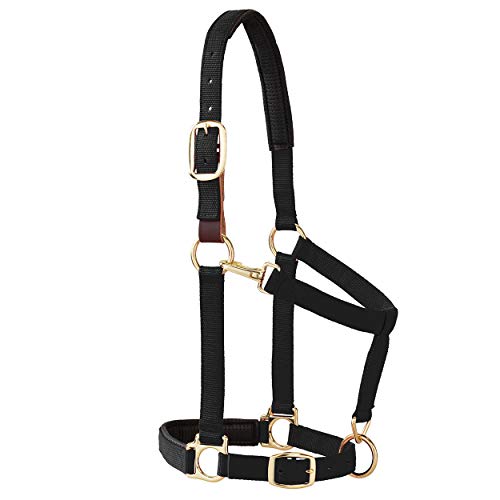
For handlers who want extra padding at contact points, this Weaver model adds PVC-coated foam-rubber padding to a polypropylene halter. The product listing identifies an adjustable chin and a throat snap, plus a breakaway fuse secured with Chicago screws. That combination gives the owner more adjustment options around the jaw while making the throatlatch easier to open during routine handling. The maker describes it for average horse, yearling, and draft sizing, so confirm the exact size option and measurements before ordering. Padding can be appealing for horses that wear a halter for regular barn handling, especially when a less basic feel is preferred.
Padding does not make a halter safer by itself, and a cushioned strap still needs close fit and frequent inspection. Check that the noseband rests on the bony portion of the nose, away from the soft nostrils, and that the crown and jaw area do not pinch or rub. The release component depends on its condition and correct assembly; inspect the fuse, screws, stitching, and webbing for looseness or wear. Because padded material may hide early rubbing or dirt, lift and inspect the contact areas during grooming. Treat the breakaway feature as a risk-reduction measure, not a promise that the horse will always escape safely. This is a strong choice for buyers prioritizing adjustability and padding, provided the selected size fits the individual horse. Consider whether the padding changes the fit around your horse’s jaw; extra bulk can affect clearance, so assess it while the halter is buckled and centered. (paid link)
My Recommendation
Choose the padded Weaver if contact-point cushioning and chin adjustment matter to you. Its main tradeoff is added bulk, so compare the fit on your horse before settling on it.
3. Equinavia Loki Nylon Horse Halter with Breakaway Leather Crown

Check the price on Amazon (paid link)
What We Like
- Replaceable leather breakaway crown
- Double-side crown adjustment
- Adjustable chin with riveted holes
- Nickel-plated hardware
What We Don’t Like
- More adjustment points take care to center evenly
- No added padding listed
The Equinavia Loki uses nylon webbing with a replaceable leather breakaway crown, giving owners a familiar webbing halter and a distinct leather release section. Its crown adjusts on both sides, the chin adjusts through riveted holes, and the throatlatch has a snap. Those adjustments can help center the halter and tailor it to a horse whose head does not match a generic fixed fit. The listing also identifies nickel-plated hardware. This model is worth considering if double-side crown adjustment is useful in your barn, or if you want to be able to replace the leather crown rather than replace the entire halter after that part wears.
More adjustment points are useful only when set correctly. After fitting, check that the halter stays clear of the eye, does not press on the cheekbone, and leaves enough room at the noseband for comfortable movement without slipping over the muzzle. Inspect the leather crown and its attachment points routinely; leather can become dry, cracked, or weakened, and hardware can loosen. The breakaway action depends on the crown giving way, so do not modify the assembly or assume the halter will release at a particular force. This is a practical option for handling and for a horse that must wear a halter under an established barn plan. For turnout, removing any halter remains the safest default when feasible. If choosing this model for a specific horse, verify the size range and final fit with an experienced handler. Its bilateral crown adjustment can help with centering, but take time to adjust both sides evenly and make a final check from the front and side. (paid link)
My Recommendation
The Loki is our fit-flexibility pick for handlers who value double-side crown adjustment and a replaceable leather crown. It may be more adjustment than you need for a simple spare halter.
4. Gatsby Nylon Breakaway Halter

Check the price on Amazon (paid link)
What We Like
- Double-ply nylon webbing
- Pre-conditioned leather crown
- Side spring snap
- Adjustable chin and rolled throat
What We Don’t Like
- Basic configuration without padding
- Single crown adjustment point
The Gatsby Nylon Breakaway Halter keeps the design relatively simple: double-ply nylon webbing, a pre-conditioned leather crown, a side spring snap, an adjustable chin, and a rolled throat. That specification makes it a traditional option for owners who want a leather breakaway crown and easy access at the side snap. Double-ply webbing provides a substantial feel in the body of the halter, while the adjustable chin gives some room to tune the fit. It can suit a barn looking for a basic model from a familiar tack line without extra padding or a complex set of adjustment features.
Its simplicity makes careful sizing especially important. Confirm the size on the listing and adjust the chin so the noseband sits securely without being tight or low on the soft part of the nose. Check that the rolled throat area lies comfortably and does not rub when the horse lowers its head. The leather crown is the intended weak point, so inspect it and its stitching for damage before relying on the breakaway function. A leather section is replaceable on some designs, but replacement compatibility should be verified rather than assumed. This halter is best viewed as an uncomplicated everyday handling choice for someone who values double-ply webbing and a spring snap. It is not a substitute for supervision, a safe turnout area, or appropriate tying practices. If you need a second halter for travel or barn chores, this conventional layout is easy to understand, but check snap action and crown condition each time. (paid link)
My Recommendation
We recommend the Gatsby for buyers who want double-ply webbing and a simple spring-snap setup. Look at the padded Weaver if cushioning or broader adjustment is more important.
5. Gatsby Nylon Safety Breakaway Halter

Check the price on Amazon (paid link)
What We Like
- Turnout-oriented safety design
- Throatlatch snap
- Single-buckle crown
- Straightforward nylon construction
What We Don’t Like
- Single-buckle crown offers fewer fit adjustments
- Verify exact release construction on the selected listing
This Gatsby Safety model is presented as a turnout-oriented nylon breakaway halter. The listing highlights a throatlatch snap and a single-buckle crown, making it a relatively uncomplicated option for owners who want a halter that is quick to put on and remove. Its focus is different from a padded or heavily adjustable model: the appeal is a practical safety-oriented configuration from a straightforward nylon design. Before purchase, check the size chart and available color or size selection, since product pages may display several variations. A model marketed for turnout should still be evaluated against the horse, pasture, and barn’s specific requirements.
No halter makes unsupervised turnout risk-free. Horses can catch equipment on fencing, branches, gates, or other objects, and even a release feature may not prevent injury. The safest general practice is to remove a halter for turnout when possible. If your horse must wear one, inspect the throatlatch, crown, stitching, and webbing before use, and make sure the halter is snug enough not to slip but not tight enough to restrict or rub. Confirm exactly how this model’s breakaway section is constructed on the current product listing before relying on it. The single-buckle crown is less adjustable than double-side designs, so fit suitability should lead the decision. This is a possible pick for a barn seeking a simple turnout-specific option, but only as one part of a broader safety plan. Treat the turnout label as intended use guidance, not a safety certification; pasture hazards and individual behavior still determine whether leaving any halter on is appropriate. (paid link)
My Recommendation
This Gatsby is worth considering when a simple turnout-oriented configuration is the goal and the fit is right. We still recommend removing any halter for turnout when practical.
6. Tough1 Nylon Breakaway Halter

Check the price on Amazon (paid link)
What We Like
- Adjustable nose and crown
- Nylon construction
- Leather overlay with breakaway feature
- Uncomplicated everyday format
What We Don’t Like
- Single-ply crown needs regular condition checks
- No padding listed
The Tough1 Nylon Breakaway Halter is a no-frills nylon option with a leather overlay and a single-ply crown. Its nose and crown adjustments offer practical fit flexibility while keeping the overall construction uncomplicated. The listing describes a leather breakaway feature, which gives it a familiar replacement-style release point compared with an all-nylon design. For owners who need a straightforward halter for leading, grooming, or routine barn use, the appeal is the combination of adjustable fit and a recognizable leather section without adding padding or multiple buckles.
Because this model uses a single-ply crown, inspect the leather and its attachments carefully and replace worn components promptly. Look for dry cracking, stretching, loose stitching, corroded hardware, and webbing damage. Adjust the crown and noseband so the halter cannot rotate into the eye or drop onto the nostrils, then recheck fit after the horse moves. A leather breakaway piece can reduce the chance of a horse remaining caught in some circumstances, but release is not predictable enough to treat as a guarantee. The halter is a reasonable value-minded candidate when simplicity matters, and when the selected size gives a stable, comfortable fit. Use it for the task for which it is intended; for tying, follow a knowledgeable trainer’s guidance and use safe release procedures. Keep a compatible replacement crown available only if the manufacturer confirms it fits this exact model, and record inspection issues before returning it to service. Compare this adjustment range with your horse’s current, properly fitted halter. Check carefully before each use. (paid link)
My Recommendation
The Tough1 is a sensible uncomplicated option for buyers who prefer adjustable nose and crown straps. Select a different design if padding or additional crown adjustment is important.
7. TuffRider Miller’s Adjustable Nylon Halter with Snap and Breakaway Leather

Check the price on Amazon (paid link)
What We Like
- Adjustable polypropylene webbing
- Leather breakaway feature
- Trigger snap for opening
- Color options and iron nickel-plated hardware
What We Don’t Like
- Color selection does not replace fit checks
- Confirm current variation matches model and size
TuffRider Miller’s Adjustable Nylon Halter combines polypropylene webbing with a trigger snap and a leather breakaway feature. The product listing describes adjustable construction, color choices, and iron nickel-plated hardware. It is a useful candidate for shoppers who want an easy-to-handle snap and an adjustable webbing halter with a leather release section. The available color options may be convenient for separating horses’ equipment in a shared barn, but color should come after sizing, construction, and the exact configuration shown on the listing. Check the selected variation to make sure it is the halter model and size you intend to buy.
A trigger snap can make opening the halter convenient for routine handling, but it should move freely and close securely. Before every use, inspect the snap gate, leather section, stitching, and webbing for damage or corrosion. Adjust the crown and noseband carefully, and check the fit again after the horse has worn it because webbing can shift or stretch. The leather feature is intended to provide a breakaway point; its condition and installation matter, and it cannot guarantee escape from every snag. This model may be a good fit for a barn that prefers snap convenience and multiple color options, as long as it fits the horse’s head shape. As with all picks in this guide, remove the halter for turnout whenever practical and do not rely on product marketing as a substitute for safe handling. Compare the current listing’s size and color variation carefully, since a similar product photo may represent a different option than the model details described here. (paid link)
My Recommendation
The TuffRider suits handlers who value a trigger snap, adjustable webbing, and color choices. Check the exact listing variation and fit; another model may suit better if you prefer side-adjustable crown buckles.
How we chose these breakaway halters
We compared product specifications from Amazon Creators API listings, focusing on the release construction, adjustability, webbing, snaps, padding, and practical differences between models. These are seven distinct halter models rather than seven color variations. Product details can change by listing and size, so confirm the selected option before ordering. We did not treat ratings, sales rank, or unverified durability claims as proof of safety.
A breakaway halter has a component designed to give way under force, commonly a leather crown or a replaceable fuse. This can reduce some entrapment risks if a horse catches its halter, but it does not eliminate risk and does not ensure a predictable release. The safest choice is often removing the halter when it is not needed, especially for turnout.
What to look for in a breakaway halter
Fit comes first
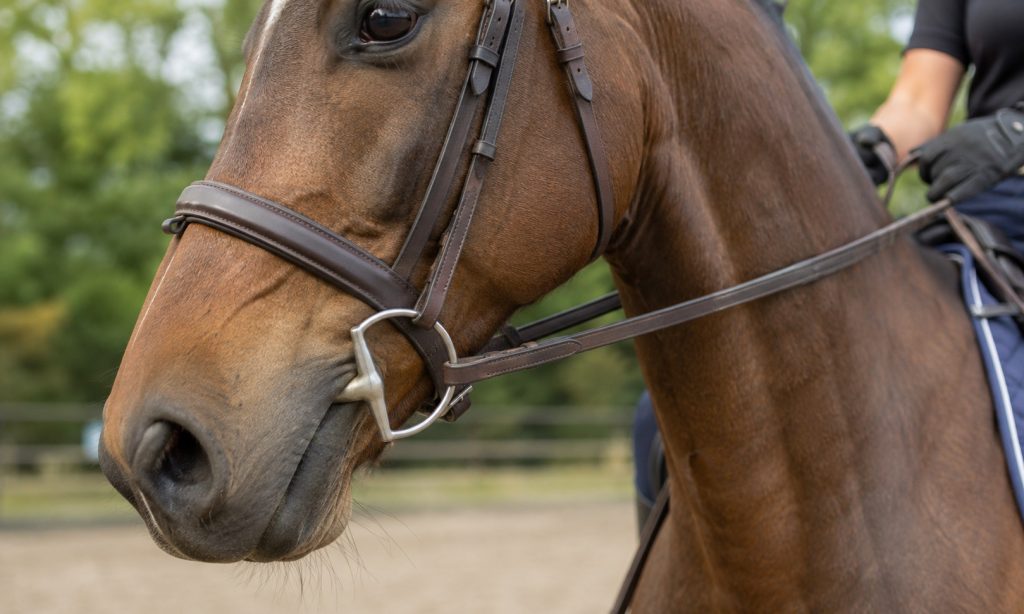
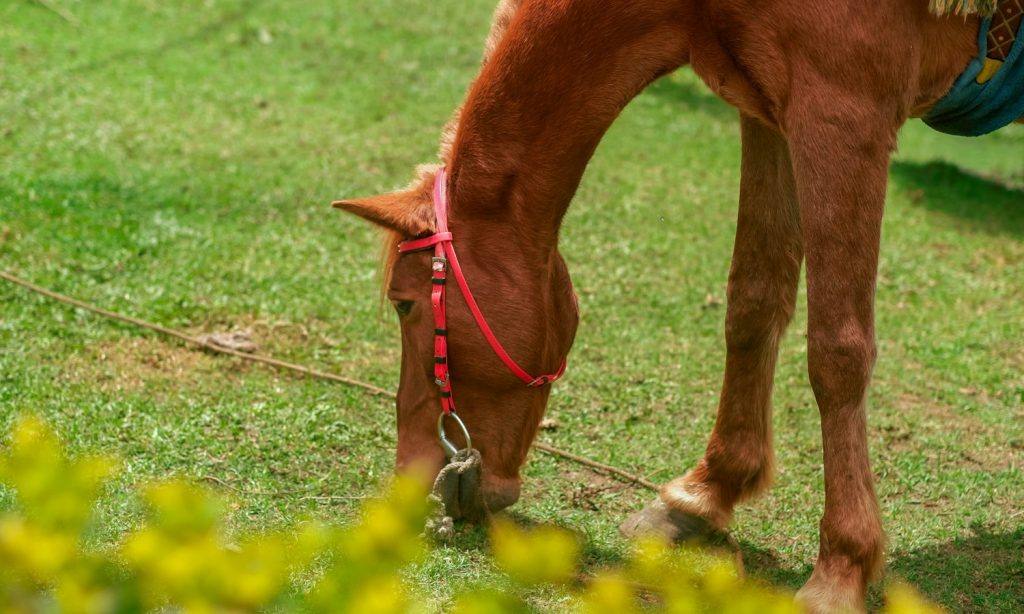
The halter should sit securely without pressing on the soft nostrils, rubbing the cheekbones, or coming close to the eyes. The noseband should not be so low that it can restrict breathing, and the crown should not slip off over the ears. Follow the manufacturer’s fit directions and ask an experienced horse handler to check the fit if you are unsure. Recheck after adjustment and as webbing wears or stretches.
Understand the release point
Leather crowns and replaceable fuse systems work differently. Identify the part intended to release and inspect it often. A breakaway component that is cracked, badly stretched, incorrectly assembled, or modified may not behave as intended. Keep replacement parts compatible with the exact model; do not improvise repairs to a safety feature.
Match it to the job
For leading, grooming, or routine handling, choose a model that fits and opens easily for the handler. For turnout, first consider whether the halter can be removed. The University of Missouri Extension guide to haltering and tying horses explains fit and safe handling, while the Certified Horsemanship Association equipment guidance recommends removing halters during turnout when possible and discusses the tradeoffs of breakaway designs when tying.
My recommendation
For most buyers who need a general-purpose halter with a clear, replaceable leather release point, start with the Weaver Leather Nylon Adjustable Breakaway Horse Halter and confirm the size carefully. Choose the padded Weaver if contact-point padding and an adjustable chin are priorities. Consider the Equinavia Loki when double-side crown adjustment is especially useful. Those are practical distinctions, not a claim that one halter is universally safest: the right fit, intact hardware, and correct use matter more than a feature list.
Final verdict
The best breakaway halter for horses is one that fits the individual horse, has an intact and understood release component, and is used for the appropriate task. The seven models here offer different combinations of leather crowns, adjustment, padding, and snaps. Inspect the halter before use and remove it for turnout whenever practical. For tying decisions, follow established barn procedures and qualified instruction; breakaway designs can allow a horse to escape and create risks for the horse and people nearby.
Frequently asked questions
Are breakaway halters safer for turnout?
They can reduce some risks compared with a halter that cannot give way, but no halter makes turnout completely safe. Removing the halter is generally the safer option when practical. If one must remain on, use a well-fitted model in good condition and inspect the turnout area.
Can I tie a horse with a breakaway halter?
There is no one-size-fits-all answer. A breakaway halter may release if a horse pulls back, allowing escape and potentially endangering the horse or people. The Certified Horsemanship Association generally advises against breakaway halters for tying, with exceptions based on the horse and situation. Follow your barn’s protocol and an experienced trainer’s guidance.
How often should I inspect the halter?
Check it before each use, with special attention to the leather or fuse, stitching, buckles, snap gate, and webbing. Replace damaged parts with compatible components. Recheck fit as the horse’s condition changes and after adjustments.
How should a horse halter fit?
It should be snug enough to stay in position but not tight. Keep it clear of the eyes and soft nostrils, and make sure it does not rub or pinch. Use the manufacturer’s fit instructions and get help from a knowledgeable handler if the fit is uncertain.
Can I replace a leather breakaway crown?
Some halters are designed for a replaceable crown, but compatibility depends on the exact model. Verify the correct replacement part and installation instructions with the manufacturer, and do not improvise a repair to a safety feature.
As an Amazon Associate I earn from qualifying purchases.