Finding the best shedding blade for horses can feel surprisingly complicated when spring coat change begins. Traditional metal loops, rigid grooming bars, and dual-purpose scrapers all promise to lift loose hair. Their shapes and edges are not interchangeable, and the wrong technique can leave a horse uncomfortable. This guide compares seven individually verified Amazon products, explaining what each design does well and where it falls short. You will see which tools suit broad body grooming, which offer adjustable handles, and when a softer brush is the wiser choice. The comparison also separates documented product features from advertising claims that have not been independently tested. You do not need an expensive grooming kit to make a sensible decision. You need a controllable tool, gentle strokes, and a clear understanding of your horse’s coat and sensitivity. Use the buying guidance after the reviews to narrow your options confidently.
Quick Picks
| Product | Best For | Key Advantage | Buy | |
|---|---|---|---|---|
| SleekEZ 10-Inch Horse Grooming Tool | Broad-body seasonal shedding | 10-inch two-handed design | View on Amazon | Jump to Review |
| Intrepid International Metal Shedding Blade | Traditional versatile blade | Open or folded handling | View on Amazon | Jump to Review |
| Jeffers Double Shedding Blade | Double-loop control | Stainless steel and grip | View on Amazon | Jump to Review |
| Weaver Leather Shedding Blade | Basic barn-tool option | Straightforward shedding-blade format | View on Amazon | Jump to Review |
| NRTFE Single-Loop Horse Shedding Blade | Compact loop grooming | Unlatching single-loop style | View on Amazon | Jump to Review |
| Dual-Sided Single-Loop Horse Shedding Tool | Coarse and fine edges | Two tooth profiles | View on Amazon | Jump to Review |
| MRTDGCFY Horse Shedding Blade and Sweat Scraper | Shedding and bath cleanup | Metal blade plus rubber scraper | View on Amazon | Jump to Review |
1. SleekEZ 10-Inch Horse Grooming Tool

What We Like
- Wide 10-inch working surface
- Wave-pattern metal grooming edge
- Designed for large animals
- Also useful on saddle pads
What We Don’t Like
- Less practical around small contours
- Not intended for mats or tangles
SleekEZ offers a different shape from the familiar flexible steel loop. Its 10-inch working edge sits along a solid handle, giving you room to guide it with both hands. The manufacturer positions this large size for horses and other substantial livestock. That makes its broad contact area appealing during the spring coat change, when loose winter hair seems to cover every grooming surface. The shaped metal edge is intended to lift detached hair and dirt rather than clip healthy coat. You can work along large muscular areas with short, controlled strokes. Because the tool is wide, take extra care around curves, prominent bones, and sensitive skin. The size that helps on the barrel is not necessarily the right choice for every part of a pony.
One useful distinction is the tool’s narrow job description. The manufacturer specifically says this product does not detangle mats or shave hair. Keep a separate comb or appropriate brush for knots, and do not force its edge through resistance. Its rigid design also differs from a loop blade that can be opened into a longer arc. Some owners may prefer that straightforward handling; others may want the flexibility of a hinged blade. Clean the working edge after grooming and check it for debris before the next session. The same style may help pull loose hair from stable textiles, though keep the tool separate from delicate fabrics. If you mainly need a horse-focused shedding implement, this is a sensible baseline against which to compare the alternatives.
My Recommendation
Choose this for a full-size horse with heavy seasonal shedding and plenty of broad coat to cover. Its large, simple shape is the attraction. For a small pony, tight curves, or a tool that doubles as a scraper, consider a flexible loop design instead.
2. Intrepid International Metal Shedding Blade

What We Like
- Metal shedding strip
- Open or folded configuration
- Ergonomic grip
- Suitable for broad body grooming
What We Don’t Like
- Metal edge needs careful pressure
- Not designed for delicate areas
Intrepid International takes the traditional shedding-blade approach. The metal blade works with a grip that lets you handle it either as a loop or in a more open configuration. That gives you options when moving across the shoulder, side, and barrel. The maker describes the metal construction as suitable for regular grooming and emphasizes its flexible working arrangement. A loop can feel compact in your hand, while an opened strip can cover a longer section of coat. Neither configuration should tempt you to scrape aggressively. Loose hair should release with light, deliberate passes. When an area is muddy or close to bone, change to a more suitable brush rather than adding force. Inspect the blade and joints for damage before using it on your horse.
This is a particularly understandable choice if you already know how to hold a classic shedding blade. Its main advantage is familiar mechanical simplicity, not a complicated accessory system. The metal contact surface can catch loose hair as you follow the direction of growth. Work on the body and switch to a soft brush for the final finish. If the coat is not actively shedding, you may find a rubber curry more comfortable for ordinary daily grooming. The open design can help on broad sections, but proper handling remains important. Do not take the marketing language about versatile animal use as permission to work on sensitive facial or lower-leg areas. For people who want one uncomplicated blade in a tack box, Intrepid provides a recognizable configuration without requiring a new grooming routine.
My Recommendation
This is a practical pick for owners who prefer the conventional metal shedding blade and want open-or-loop versatility. Use a gentle hand and follow with a soft brush. Choose a rigid wooden tool if you dislike managing a flexible strip.
3. Jeffers Double Shedding Blade

What We Like
- Dual-loop design
- Stainless-steel blade
- Plastic easy-grip handle
- Can open for wider coverage
What We Don’t Like
- Wide mode takes practice
- Bulky compared with compact combs
The Jeffers Double Shedding Blade is built around a stainless-steel strip and a practical plastic handle. Its double-loop layout is the distinguishing detail. You can keep the blade closed for a concentrated pass or open it to cover more of the horse’s side. Jeffers also describes it as suitable for removing loose coat hair and dirt during ordinary barn grooming. That combination could fit someone who maintains several horses and wants adaptable reach. It is still a shedding tool, not a replacement for every brush in the kit. Use its edges only where the coat and underlying body shape make contact comfortable. A horse that pins its ears, shifts away, or tightens its skin may be telling you the pressure is wrong.
The plastic grip is a sensible feature for a tool that may be handled with dusty or slightly damp fingers. Stainless steel is generally easier to wipe down than a complex grooming mechanism, but dry the blade after washing and examine the edges regularly. The adjustable shape makes sense for a horse with a large body surface. However, opening a blade changes the way pressure is distributed. Begin slowly on a small area rather than dragging it across the whole barrel. Keep a softer curry available for spots where a rigid metal contact feels excessive. The double-loop format also occupies more room when held closed than a tiny folding accessory. For stable owners seeking a straightforward, adaptable shedding strip, that tradeoff may be entirely reasonable.
My Recommendation
Jeffers suits barn routines that benefit from switching between concentrated and wide-area passes. Its stainless-steel design is straightforward to maintain during routine barn care. If you prefer a solid tool without a moving loop, the SleekEZ format may feel easier.
4. Weaver Leather Shedding Blade

What We Like
- Recognizable equestrian brand
- Dedicated shedding blade
- Simple grooming function
- Compact tack-box addition
What We Don’t Like
- Limited verified feature details
- Check handle and edge before use
Weaver Leather’s shedding blade is a no-frills choice for buyers who want the basic tool rather than a heavily marketed multi-function accessory. The authenticated listing confirms the product identity, although it provides few technical details about the blade itself. That matters when comparing specifications. It would be misleading to claim a particular tooth pattern, metal alloy, or handle material without checking the exact version you receive. Its purpose is familiar: help remove loose body-coat hair during shedding season. Consider how comfortably the tool sits in your hand and how predictably the edge makes contact. If you groom often, a secure hold matters as much as the number of features printed on the packaging. Keep each stroke measured and check the horse’s reaction.
The absence of a long feature list does not mean the tool cannot serve a useful purpose. It does mean your purchase decision should rely on basics that can be confirmed from the current listing and product photos. Look at the edge profile, blade length, and whether the grip fits your preferred technique. A broad blade may be convenient for the barrel yet awkward around a narrower shoulder. Try a gentle pass on the fleshy body before settling into a routine. Avoid scraping across prominent joints, and never assume that a shedding blade belongs on the face, mane, tail, or lower legs. Pair the tool with regular brushing to move away remaining dust and hair. If you value an established equestrian label and a traditional purpose, Weaver deserves consideration without exaggerated performance promises.
My Recommendation
Consider Weaver when you want a basic equestrian shedding blade and can inspect its current listing carefully. The key limitation is sparse verified specification data. Buyers needing a confirmed two-way handle design and fuller feature documentation may prefer Intrepid or Jeffers.
5. NRTFE Single-Loop Horse Shedding Blade

What We Like
- Single-loop blade shape
- Can unlatch into longer arc
- Metal scraping surface
- Designed for horses and ponies
What We Don’t Like
- Product text mixes dog and horse uses
- Requires care around body curves
NRTFE’s single-loop blade combines a curved metal shedding strip with a configuration that can unlatch. The maker describes using the loop for concentrated grooming and the longer open form for broader coverage. It specifically mentions horses and ponies among the intended animals. That makes the single-loop arrangement relevant to a stable where grooming tasks vary by size. The shorter working curve can be convenient when you need deliberate control along a muscular shoulder. Opening the blade may reduce the number of passes across a larger body section. Whichever way you hold it, the goal is to lift hair already ready to shed. It is not appropriate to pull firmly through tangled mane hair or use the metal teeth on thin skin. The most useful technique is light pressure, with frequent pauses to clear loose hair.
The product listing also talks about dog grooming, so a horse owner should focus on its actual shape and intended horse use rather than treating every marketing claim as equally relevant. A loop feels different from a stiff one-piece blade. It can demand more hand control, particularly while changing its arc. Close the latch securely before using the loop position and inspect the connection if it loosens. After grooming, remove hair and dirt from the working edge, then dry it before storage. Avoid pressing harder in areas where shedding is slow. The amount of loose coat changes naturally across the season and between horses. When only fine dust remains, finish with a soft brush instead. For somebody wanting a lightweight, traditional-looking loop to keep beside the curry comb, this is a reasonable focused option.
My Recommendation
NRTFE is worth considering for a pony or horse owner who likes a smaller single-loop tool. The opening blade offers flexibility but requires attentive handling. For wider two-handed passes across a full-size horse, a larger rigid grooming tool is the clearer alternative.
6. Dual-Sided Single-Loop Horse Shedding Tool

What We Like
- Two serration profiles
- Single-loop format
- Textured anti-slip handle
- Stainless-steel strip
What We Don’t Like
- Unbranded generic listing
- Coarser side may feel too harsh
This dual-sided single-loop shedding tool is aimed at owners who want a choice of tooth profiles in one blade. Its product details describe deeper serrations on one edge and finer teeth on the other. The flexible stainless-steel strip can also open into a wider arc. The maker lists an anti-slip handle, a practical detail when loose hair accumulates during grooming. The deeper side may catch more shedding coat, but that does not mean it is appropriate for every horse. Start with the gentler option and keep your hand light. Inspect the edge carefully before first use. A rough finish or protruding tooth would be a reason to stop rather than trying to smooth it against your horse. These checks matter particularly with a less familiar generic product.
The coarse-versus-fine choice can simplify seasonal grooming if your horse’s coat changes in thickness. However, the best edge is the one that removes loose hair without making the skin uncomfortable. It is better to make another gentle pass than to bear down with a coarse edge. The same tool is advertised for several animal species, yet use on a horse should still be limited to suitable body areas. Keep a soft brush for the face and lower legs. Its open configuration adds reach, but also changes leverage, so practice on a broad muscular section first. Wash away accumulated debris as directed and dry the metal before putting it away. This option offers practical adjustability, but its generic presentation makes pre-purchase inspection more important than with a well-documented manufacturer tool.
My Recommendation
Choose this only if the two tooth profiles meet a specific grooming need and you can inspect the current product listing. Start with the fine edge. If simplicity and well-defined manufacturer guidance matter more, the horse-focused SleekEZ is easier to evaluate before purchase.
7. MRTDGCFY Horse Shedding Blade and Sweat Scraper

What We Like
- Two-in-one tool format
- Metal shedding edge
- Rubber squeegee edge
- Non-slip foam handle
What We Don’t Like
- Mixed-purpose edges need attention
- Unverified drying-time claims
MRTDGCFY combines a metal shedding edge with a rubber scraper in a single grooming accessory. The concept is easy to understand: use the appropriate edge for loose hair or for moving water from a wet coat. That could reduce the number of tools carried between a grooming area and wash stall. Its maker also advertises a textured foam-style grip. Such a grip may be convenient when your hands are wet, although comfort will depend on how it fits your hand. Treat the steel edge like any other shedding blade. Keep it to suitable body areas and use light pressure. The rubber side serves a different task and should not be treated as proof that the metal side is gentle enough for sensitive skin. Check both edges before switching functions.
This combination is most relevant to owners who regularly bathe horses or rinse them after work. You may appreciate having a water-removal edge available without reaching for another scraper. Still, the product’s promotional claims about exact water removal or health outcomes have not been independently established here. Evaluate the physical design instead. Ask whether the scraper is wide enough for your horse, whether you can control its angle, and whether cleaning around both edges is manageable. A dedicated shedding blade may feel more balanced if coat removal is your only priority. A separate soft scraper may also be preferable on sensitive areas. After washing, remove trapped hair and dirt from both surfaces so the tool dries cleanly. This is a functional multitasker, provided you keep its two grooming jobs distinct.
My Recommendation
This combination suits owners who want a shedding implement and a water scraper in one place. Its appeal is convenience, not proven faster drying or medical benefit. Choose a dedicated blade instead if shedding performance alone determines your purchase and you rarely bathe your horse.
How to choose Best Shedding Blade for Horses
The right blade should remove loose coat without relying on force. Compare working width, edge profile, and grip before choosing. These factors matter more than dramatic claims about how much hair a tool can lift in a single stroke.
Match the blade to your horse’s coat and body shape
A large horse with broad, muscular sides can accommodate a wider grooming surface. A smaller pony may be easier to groom with a shorter tool. Seasonal coats also vary. Thick winter hair can release rapidly for a few weeks, while a summer coat may need little shedding-blade work. A tool that feels effective in March might be unnecessary in August. Look at the shape of the working edge and how it contacts the body. A rigid bar covers a predictable area, while a flexible loop can change curvature. Neither design is automatically safer. The correct choice is the one you can use with light, even contact. Never try to compensate for poor fit by increasing pressure. If your horse is sensitive or sore, use a softer grooming implement and consult your veterinarian if discomfort persists.
Examine edge finish, control, and maintenance
A shedding blade’s edge should be free of burrs, sharp damage, or corrosion. Inspect it before the first session and after storage. Some models have two tooth patterns, which gives you flexibility but also creates another decision about pressure. Begin with a gentler profile and watch how your horse responds. A handle should remain secure even if you wear grooming gloves. Adjustable or unlatching models require an extra latch check. Think about cleaning, too. Loose hair and mud can collect around metal teeth and joint areas. Wipe away debris after use, rinse only as permitted by the manufacturer, and dry the tool completely. Good maintenance reduces the risk of rough contact and protects the handle. A simple blade kept clean and used properly may be more useful than a complicated tool with rarely used functions.
Use a safe grooming technique
Begin on a calm horse in a safe handling area. Work along the direction of coat growth on broad body surfaces. Use short, gentle strokes rather than dragging the blade repeatedly across the same spot. Watch for flinching, pinned ears, skin twitching, or attempts to step away. These can signal discomfort. University of Missouri Extension advises using a shedding blade gently, especially near bones or muddy areas, and avoiding the mane, tail, and legs. For the face and delicate areas, choose a soft brush or another appropriate grooming tool. When hair has loosened, follow with a body brush to remove remaining debris. A shedding blade does not replace regular skin checks, bathing when needed, or veterinary care for unusual hair loss. Stop if you see irritation, bald patches, or unexplained skin changes.
Final Verdict
For a straightforward horse-focused choice, the SleekEZ 10-inch tool offers broad coverage with a clearly documented purpose. Intrepid and Jeffers provide classic adjustable metal-blade formats. A dual-sided loop offers edge choices, while MRTDGCFY combines shedding and water scraping. The best option is the one you can control gently on your horse’s coat.
Frequently Asked Questions
Can a shedding blade hurt a horse?
Yes. Too much pressure or use over sensitive, bony, or injured areas can cause discomfort. Use light strokes on suitable body areas and stop when your horse reacts adversely.
Can I use it on my horse’s legs or face?
Do not use a metal shedding blade there. Choose a soft grooming tool for sensitive areas instead.
How often should I use a shedding blade?
Base frequency on the amount of loose hair and the horse’s comfort, not a rigid daily schedule. Many horses need it primarily during seasonal shedding.
Is a shedding blade the same as a sweat scraper?
No. A blade is intended to collect loose coat hair, while a sweat scraper removes water. Some combination tools provide separate edges for both jobs.
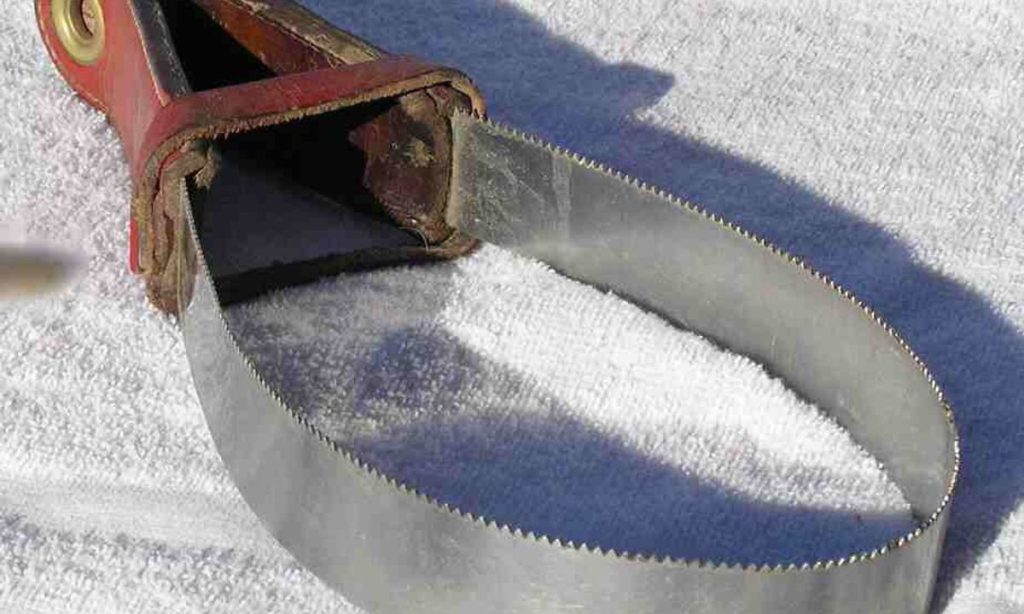
Feature photo: Traditional shedding blade photograph by BLW, Wikimedia Commons (public domain); cropped to 5:3.
For related reading
Explore hoof care products for horses and horse ear cleaning choices for related barn-care equipment.
As an Amazon Associate, PetAdvisorPro earns from qualifying purchases.