
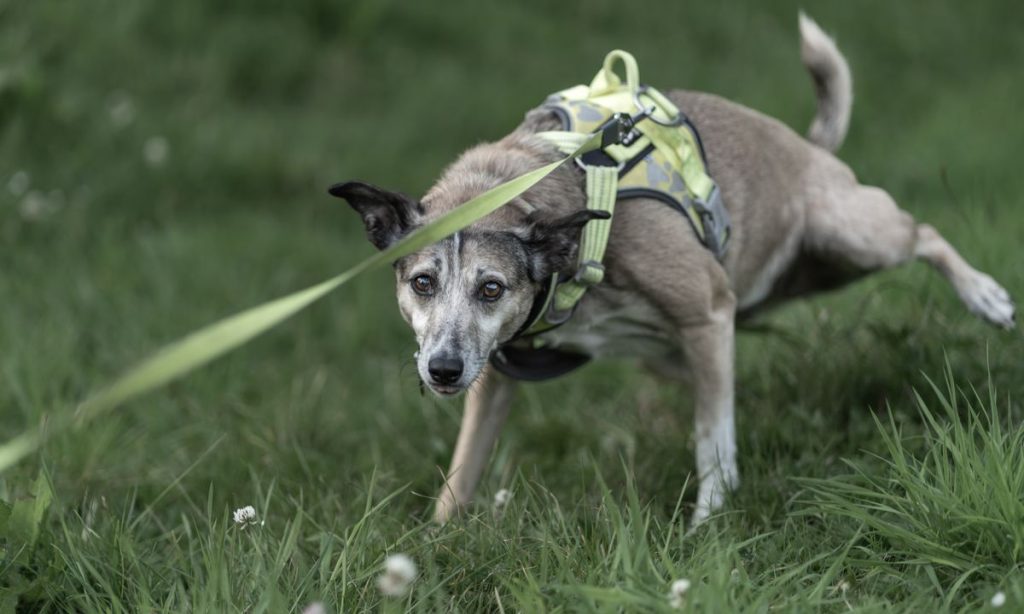
The best slip lead for dogs is not simply the thickest rope or the leash with the boldest training promise. A slip lead combines a collar loop and leash, making quick supervised handling convenient. But that loop can tighten on the neck, so fit and the dog’s walking habits matter more than marketing claims. For relaxed, brief outings, a well-made rope may be practical. For dogs that pull, lunge, cough, or have neck or airway problems, a comfortable body harness is often the better option. This guide compares seven verified slip leads by length, rope width, handle design, and visibility. You will also find clear safety tradeoffs, sizing tips, and links to more suitable choices when a slip lead is not right for your dog. No product here replaces reward-based training or veterinary advice.
If persistent pulling makes a slip loop unsuitable, compare leash options for dogs that pull before buying.
Quick Picks
| Product | Best For | Key Advantage | Buy | |
|---|---|---|---|---|
| Ruffwear Just-a-Cinch | Outdoor walks | Reflective 5-ft rope and cinch stoppers | View on Amazon | Jump to Review |
| Mendota Pet Slip Leash | Larger calm dogs | Handmade 6-ft rope with leather splices | View on Amazon | Jump to Review |
| Fida Durable Slip Lead | Low-light short walks | Reflective half-inch nylon and stopper | View on Amazon | Jump to Review |
| Coastal Pet Water & Woods | Quick supervised transfers | Soft braided 6-ft slip design | View on Amazon | Jump to Review |
| MayPaw Slip Lead | Smaller-dog handling | Slim 7-ft, quarter-inch rope | View on Amazon | Jump to Review |
| lynxking Padded-Handle Slip Lead | Handlers wanting a padded grip | Braided nylon with soft handle | View on Amazon | Jump to Review |
| PetiFine Reflective Slip Lead | Basic visibility on a budget | Reflective 6-ft nylon rope | View on Amazon | Jump to Review |
Safety first: None of these tightening-loop leads should be used for jerking corrections or left on an unattended dog. A properly fitted harness is preferable if your dog regularly pulls.
1. Ruffwear Just-a-Cinch

What We Like
- Reflective rope for dim conditions
- Tubular webbing handle
- Adjustable silicone bumpers
- Five-foot handling length
What We Don’t Like
- No separate collar attachment
- Not for dogs with neck pain
Ruffwear’s Just-a-Cinch brings a trail-oriented approach to the slip-lead format. The verified listing identifies a five-foot rope leash with an 11 mm diameter, reflective detailing, adjustable silicone bumpers, and a tubular handle. Those details make it an interesting choice for an owner who values a relatively short, easy-to-manage lead while moving between the car, sidewalk, and trailhead. The collar-free loop is convenient, but convenience should never be confused with automatic neck safety or a substitute for calm leash behavior.
The rope’s reflective detail is a practical difference when compared with plain training cords. It can make the lead more visible around dusk, although visibility does not replace a light or reflective gear for the dog. Five feet offers somewhat less roaming distance than a seven-foot option, which some handlers prefer near paths and traffic. The silicone bumpers provide adjustment points. You still need to check where the loop sits and whether the dog can back out or pull against it.
This product is worth considering for a steady adult dog that already walks without persistent tension. A handler should place and adjust the loop carefully, supervise every second of use, and release any pressure promptly. Avoid using tightening pressure as a correction. The manufacturer’s outdoor styling may appeal to hikers, yet the basic limitations of a slip lead remain unchanged on rough ground. If your dog lunges, coughs, or has a sensitive neck, a well-fitted body harness is usually the more suitable direction.
My Recommendation
Choose the Ruffwear Just-a-Cinch when you want a compact, reflective slip lead for brief transitions or relaxed outings with a dog that already walks calmly. Its five-foot length and adjustable bumpers are more meaningful reasons to consider it than claims that any slip lead stops pulling. The principal compromise is direct pressure on the neck if tension develops. Owners handling strong pullers, dogs with breathing concerns, or dogs needing long-term walking equipment should look first at a properly fitted front-clip or dual-clip harness.
2. Mendota Pet Slip Leash

What We Like
- Six-foot leash length
- Half-inch rope for large dogs
- Leather-spliced connections
- Made in the United States
What We Don’t Like
- Thicker rope than slim alternatives
- Neck pressure under pulling
Mendota’s slip leash is a straightforward rope-and-loop design rather than a feature-heavy training device. The verified blue version is listed at six feet long and one-half inch in diameter, with the manufacturer positioning that size for larger dogs. The product information describes handmade construction in the United States, metal hardware, and oil-tanned leather splices. Its most useful distinction is an established, uncomplicated physical layout: a single lead can be placed and removed quickly for supervised handling when a separate clipped leash is inconvenient.
An owner comparing leash dimensions may find this half-inch rope easier to locate and grip than a much thinner lead. The six-foot format provides an intermediate amount of room: more than a short control lead but less than a long line. Hardware and leather splices introduce material details to inspect after exposure to moisture and repeated wear. Because the slip loop itself changes size, you cannot use the rope’s substantial look as proof of a safe fit, particularly when a startled dog moves backward.
For a routine transfer or a quiet walk, this Mendota option suits handlers who prefer traditional rope equipment and have an animal already comfortable with leash guidance. Practice fitting the loop without tightening it to stop movement, and check that the dog is breathing comfortably throughout. Never leave a slip leash on an unattended pet or attach it to a tie-out. Its six-foot reach is not a replacement for recall training. Dogs that surge ahead repeatedly will benefit more from reward-based loose-leash work and a neck-sparing harness.
My Recommendation
The Mendota Pet Slip Leash makes sense for larger, calm dogs whose handlers prefer a familiar six-foot rope lead with conventional hardware and leather-spliced ends. Consider it for supervised short sessions rather than as a solution to persistent pulling. The thicker rope may feel substantial in the hand, but it does not prevent damaging neck tension. If you need better control for a reactive large breed, choose a properly adjusted harness and a separately clipped leash while working on walking skills.
3. Fida Durable Slip Lead

What We Like
- Reflective threads along rope
- Six-foot by half-inch format
- Built-in loop adjustment
- Leather-covered knot joints
What We Don’t Like
- Bulky for tiny dogs
- Stopper requires careful placement
Fida’s six-foot slip lead is designed around an adjustable nylon rope loop and simple handling without a separate collar. The verified black model has a half-inch rope, a metal ring, leather-covered knot areas, and reflective threads along the lead. These details make it a reasonable comparison point for dog owners who do short morning or evening outings. The reflective material can help the leash stand out in a beam of light, but it does not illuminate the dog or provide a guarantee against escapes.
Compared with thinner quarter-inch models, the half-inch Fida has a more substantial rope profile. That may appeal to an owner handling a medium or larger dog, while feeling oversized for a small pet. Its built-in stopper is an important adjustment feature, not a license to pull the loop tight. Fida’s product information includes explicit positioning and hand-safety warnings. Read those instructions carefully before use, especially if the dog tends to reverse suddenly or if you habitually wrap a leash around your wrist.
Use this lead only when you can pay attention to the dog’s posture, position, and pace. The loop should never be used for jerking corrections, and the leash must come off before the dog is left alone. Practicing a loose-leash walk in a quiet area will tell you more about suitability than an advertised no-pull label. Persistent tension, coughing, or avoidance are reasons to stop and reassess the equipment. A harness and positive reinforcement are better foundations for dogs still learning polite walking.
My Recommendation
For a medium or larger dog already comfortable on a loose leash, Fida provides a useful combination of a six-foot rope and reflective detailing. I would prioritize its visibility and accessible loop design, not the marketing language around correcting pulling. The stopper and fit instructions deserve real attention. If your dog is very small, frequently lunges, or has any neck sensitivity, a lighter clipped leash and a well-fitted body harness are more sensible options.
4. Coastal Pet Water & Woods

What We Like
- Braided rope construction
- Soft, foldable lead
- Six-foot handling room
- Quick on-and-off loop
What We Don’t Like
- No dedicated no-pull system
- Loop requires continual monitoring
Coastal Pet’s Water & Woods braided rope leash focuses on straightforward use. The verified product is a one-half-inch, six-foot slip lead with a braided design that the maker describes as pliable and easy to stow. That can be useful for a short supervised crate transfer, a controlled walk between spaces, or routine handling where a clipped leash and collar are not already attached. The simplified layout is its main appeal; it should not be read as an advanced behavior-training tool or a safety device.
A braided lead has a different hand feel from a flat nylon strap, which may matter when you are carrying gear or need to put the leash away. Six feet allows the handler to avoid holding a dog directly beside the leg every moment. Still, that extra distance can turn into sudden tension if a dog bolts. The listing emphasizes portability rather than a specialized neck-protection mechanism. Inspect its loop, rope, and contact points for wear, especially before handling a strong or unpredictable animal.
The best use case is a handler who can keep the lead loose and remove it immediately after a supervised transition. Do not leave the slip loop around a resting or crated dog, and do not use a leash to physically drag a frightened dog forward. The same basic safety checks apply in the field and at home: watch breathing, avoid tightening pressure, and give the animal room to respond to cues. If your dog’s leash behavior is unreliable, switch to a secured harness for ordinary walks.
My Recommendation
The Coastal Pet Water & Woods slip lead is a practical choice for people who want a foldable six-foot rope for short, closely supervised handling. Its simple construction and easy storage are more compelling than any claim of better behavior control. It is not my first choice for a dog that pulls forcefully or startles at ordinary street noise. For daily exercise with those dogs, use a secure harness, reward calm walking, and reserve a slip lead for situations where it is genuinely appropriate.
5. MayPaw Slip Lead
What We Like
- Slim quarter-inch rope
- Seven-foot leash length
- Lightweight nylon build
- Simple integrated loop
What We Don’t Like
- Longer lead needs management
- Thin feel not ideal for every grip
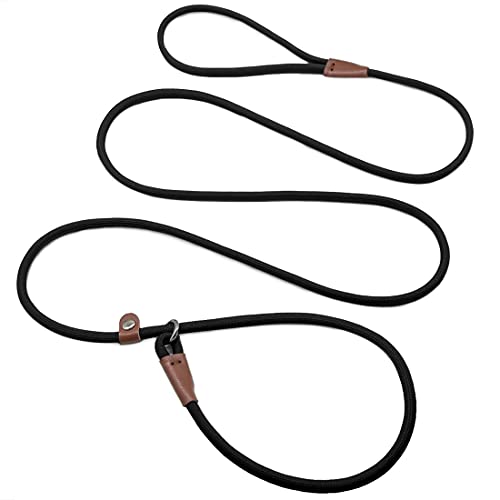
MayPaw’s verified slip lead stands apart chiefly through its dimensions. The listing identifies a seven-foot nylon rope with a quarter-inch diameter and describes it for small to medium dogs. This is noticeably slimmer and longer than many half-inch, six-foot options. For a calm smaller dog, the lighter-looking profile may be easier to handle than a heavy rope. The seven-foot reach also provides additional freedom in quiet spaces, although it requires more active attention near roads or other dogs.
The small rope diameter makes correct use especially important. A narrow line can concentrate pressure on the neck if a dog rushes to the end, even when a product page calls it a training lead. MayPaw describes hardware and a reinforced rope connection, but no amount of product detailing removes that basic mechanical risk. The range of colors is a visual choice rather than a safety advantage. Owners should select based on the actual dog’s size, behavior, and the amount of leash length they can control.
If you choose this model, begin in a quiet setting where your dog already responds to a relaxed walking cue. Keep slack in the line, use food or praise to reinforce good positioning, and shorten the working distance by holding the lead rather than by putting pressure on the throat. Remove it promptly after the session. For a toy breed, an older dog, or a pet with airway concerns, even a lightweight slip lead may be inappropriate. Ask your veterinarian about safer harness options.
My Recommendation
MayPaw is worth a look when a slim, seven-foot lead is genuinely useful for a calm small or medium dog in a low-distraction environment. Its light rope profile is the key distinction here, but thin material is not automatically kinder to the neck. Choose an ordinary harness and leash instead if your dog pulls, has breathing problems, or needs close street control. The extra foot of length also requires thoughtful management around doors, cyclists, and other pets.
6. lynxking Padded-Handle Slip Lead

What We Like
- Padded loop-style handle
- Built-in adjustable stopper
- Braided nylon rope
- Available rope thickness choices
What We Don’t Like
- Padding does not protect neck
- Multiple variants need size checks
The lynxking slip lead pairs a rope loop with a padded handling end. Its verified listing describes braided nylon, a metal ring, leather-covered connection areas, and an adjustable stopper. The product family offers different rope dimensions, with the selected listing describing a half-inch by six-foot configuration among its options. A padded handle may appeal to someone who finds a plain rope loop uncomfortable when carrying the lead. It should not be mistaken for a shock absorber, however, or used to justify allowing a dog to pull harder.
Handle comfort matters most when it helps you keep a gentle, steady grip and avoid reflexive tugs. The lynxking’s rope-and-stopper design can be put on quickly, but it still changes pressure as tension rises. Measure your needs against your dog’s behavior before focusing on the handle. A handler of a smaller animal should inspect the specific variant rather than assuming every version has the same rope thickness. Likewise, check the actual delivered length and any adjustment instructions because product families can vary by listing.
This lead is better treated as convenient, temporary handling equipment for a dog already trained to walk with slack. The soft handle is a user-comfort feature; the dog’s throat remains the main safety consideration. Do not use the leash to tether a pet, lift a dog, or give sharp leash corrections. If the dog repeatedly reaches the end, move to a more suitable harness while you work on rewarded loose-leash exercises. Keep an eye on the adjustment point and retire the rope if damaged.
My Recommendation
I would put the lynxking slip lead on the shortlist for owners who specifically dislike rough rope handles and need a quick-on lead for short supervised use. Its padded grip and stopper are relevant distinctions, but neither makes a tightening loop harmless. Check the selected size carefully and avoid prolonged tension. When your priority is controlling sudden lunges, a front-clip harness with a secure ordinary leash is usually a more appropriate purchase than a padded slip lead.
7. PetiFine Reflective Slip Lead

What We Like
- Reflective rope threading
- Half-inch leash diameter
- Soft hand-contact area
- Simple six-foot length
What We Don’t Like
- Few specialized adjustment features
- Not suitable for neck-sensitive dogs
PetiFine’s slip lead is a basic six-foot nylon rope with a half-inch diameter and reflective threads. The verified product listing describes an integrated collar-and-leash arrangement, meaning you do not need to clip into a separate collar for supervised handling. It also mentions a softer handle area. These are practical everyday details, especially for owners who simply want a recognizable rope design rather than extra attachments. Its reflective component can improve visibility of the lead itself when conditions are dim.
Unlike a specialized harness, this PetiFine model still relies on a loop around the dog’s neck. Its conventional dimensions may suit a calm medium or larger dog, but they do not prove comfort or adequate control for every breed. The listing’s general training language should not replace an assessment of your own dog’s physical condition. Choose the lead because it meets your handling situation, not because a tightening mechanism sounds like an easy cure for a pulling habit.
Before walking, examine the rope, loop, and join points, then fit and hold the lead according to its instructions. Maintain slack and reward your dog for moving with you rather than using pressure to force compliance. Reflective fibers cannot substitute for a visible collar tag, properly lit walking route, or attentive traffic awareness. Never leave it on when the dog is unattended. If you see coughing, gagging, freezing, or repeated resistance, discontinue use and discuss alternative gear with your veterinarian or qualified reward-based trainer.
My Recommendation
PetiFine offers a straightforward reflective six-foot slip leash for calm dogs whose owners prefer uncomplicated walking equipment. I like the clarity of its basic configuration, but I would not pay extra for unsupported promises about stopping pulls. Consider it for short supervised walks or transfers where a slip lead truly fits the situation. For sensitive dogs, strong pullers, or pets with airway problems, a body harness with a conventional clip leash is the safer starting point.
How to Choose the Best Slip Lead for Dogs
Match length and rope size to the dog
Start with the dog in front of you, not a size claim in a listing. A five-foot rope gives a handler a slightly shorter working range than a seven-foot rope. Neither length is automatically better: wide sidewalks and quiet outdoor settings differ from crowded waiting rooms and doorways. Rope diameter also affects hand feel. Half-inch leads look substantial, while quarter-inch versions may feel lighter. A thinner line can focus tension on a smaller area of the neck. If your dog is strong, reactive, or still learning, do not assume a thicker rope will solve control problems. The important question is whether you can keep the leash loose without relying on the tightening loop.
Understand stoppers, handles, and visibility
A slip lead should be inspected as a piece of handling equipment rather than judged only by its color. Examine the adjustable stopper, metal ring, rope joins, and the surface that contacts your hands. A stopper may help keep the loop from slipping out of position when correctly used, but it does not remove the risks of neck pressure. A padded handle can reduce discomfort in the hand, not protect the dog’s throat. Reflective threads can make a rope more noticeable in headlights or a flashlight beam; use additional visibility gear and a safe route for dark walks. Check manufacturer directions for the exact variant you purchase, and inspect the lead for fraying or damaged fittings before each use.
Put health and humane walking first
Slip leads are best limited to closely supervised situations with dogs that already walk calmly. When the dog surges, the loop can tighten; using that pressure for corrections is not a humane training plan. Veterinary guidance on collar safety favors neck-sparing harnesses for dogs with tracheal disease, neck pain, or significant pulling concerns. Teach loose-leash walking through rewards, gradual practice, and environments where your dog can succeed. Never leave a slip loop on an unsupervised dog, tie it to a fixed object, or use it to drag an anxious animal. Ask for professional guidance if a dog backs out of equipment or reacts strongly to other dogs. A secure harness and an ordinary leash usually give a better daily-walk starting point for difficult situations.
If escapes are the main concern, study how to choose an escape-proof dog harness. For ongoing leash tension, explore gear considerations for large dogs that pull, without assuming a collar alone will fix the behavior.
Frequently Asked Questions
Are slip leads safe for dogs that pull?
A tightening loop can put pressure on the neck. For frequent pulling, choose a well-fitted harness and use reward-based leash training instead of relying on leash corrections.
Can a slip lead stay on a dog indoors?
No. Remove it after the supervised handling session. An unattended loop can catch on objects or tighten unexpectedly.
Is a thicker slip lead better?
Thicker rope changes grip and feel, not the basic safety mechanism. Choose dimensions by dog size and handling needs, and prioritize a loose line.
Do reflective slip leads make night walks safe?
Reflective rope can help with visibility, but use proper lighting, a safe route, and reflective gear on the dog as well.
What if my dog coughs or backs away from the loop?
Stop using it and check for discomfort, fear, or poor fit. Ask your veterinarian or a qualified reward-based trainer about safer equipment.
Final Verdict
The best slip lead for dogs depends on the handler’s ability to keep pressure off the neck. Ruffwear offers a compact reflective trail-style option, Mendota favors traditional rope construction, and Fida adds visible reflective threading. Each has a specific use case, but none is the right tool for every dog. If your dog needs escape resistance or tends to pull, choose safer equipment and build relaxed leash manners first.
For Related Reading
Compare harness options for smaller dogs or revisit leash choices for pulling dogs for more guidance.
As an Amazon Associate, PetAdvisorPro earns from qualifying purchases. Some product links in this article are affiliate links, which may generate a commission for us at no additional cost to you. Our selections and explanations focus on product relevance, verified listing details, practical tradeoffs, and pet safety; we do not claim personal testing of these products.









