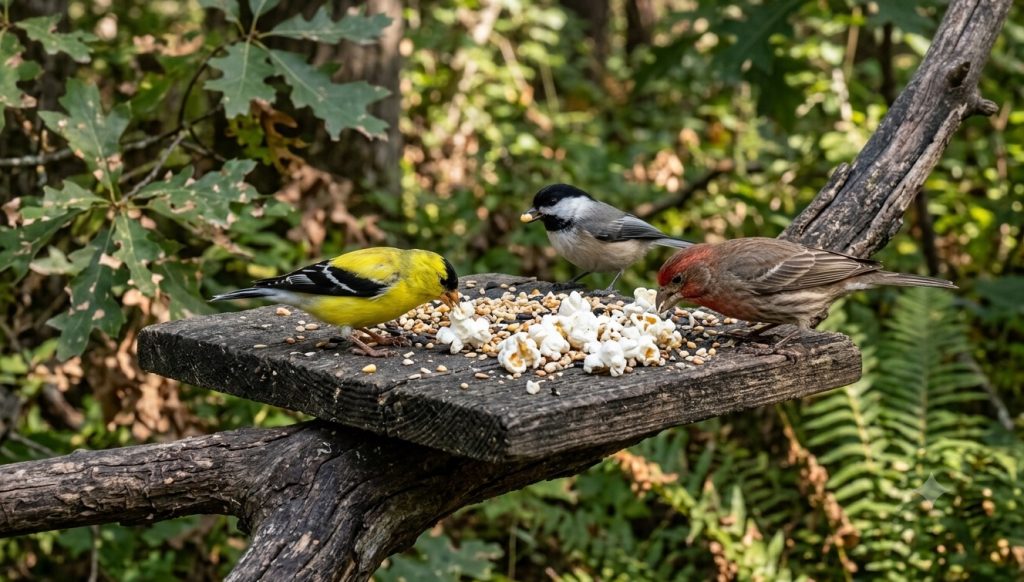
Yes — plain, air-popped popcorn is generally safe for most birds when given sparingly.
I have studied and worked with backyard and pet birds for years, and I’ll walk you through the full answer to can birds eat popcorn. This guide explains types of popcorn, nutritional effects, risks, how to offer popcorn safely, and species-specific advice so you can make smart feeding choices for pet and wild birds.

Source: reddit.com
Is popcorn safe for birds?
Plain, air-popped popcorn can be an occasional treat for many bird species. The basic kernels are low in fat and mostly carbohydrate, so small amounts are usually harmless. The main hazards come from added salt, butter, oils, and flavorings. Microwave or movie-theater style popcorn often contains additives and high sodium that can harm birds.
- Plain air-popped popcorn is the safest option.
- Avoid popcorn with salt, butter, oil, or flavor coatings.
- Do not feed popcorn that is stale, moldy, or from a sachet with chemicals.

Source: reddit.com
Nutritional profile of popcorn for birds
Popcorn is mostly complex carbohydrates and fiber once popped. It contains small amounts of protein and very little vitamin or mineral content. For birds, popcorn delivers quick energy but no balanced nutrition. Use popcorn as a treat, not a staple food.
- Macronutrients: mostly carbs, minimal protein and fat.
- Vitamins and minerals: limited; not a substitute for seeds, pellets, or fresh food.
- Caloric density: moderate—easy to overfeed if offered often.
Risks and concerns when feeding popcorn
There are several clear risks to consider before offering popcorn to birds. Some are immediate, such as choking, while others are chronic, like excessive sodium intake.
- Choking risk for very small birds when pieces are too large.
- Salt and butter can cause sodium poisoning and digestive upset.
- Oils and seasonings may trigger toxins or long-term health problems.
- Moldy or stale popcorn can contain mycotoxins harmful to birds.
Unpopped kernels can damage beaks or cause crop impaction.

How to safely offer popcorn to birds
Follow a few simple steps to keep popcorn a safe treat. Preparation and portion control are essential.
- Choose plain, air-popped popcorn with no salt or additives.
- Let popcorn cool fully and remove any unpopped kernels.
- Break larger pieces into small bits for finches and very small birds.
- Offer popcorn in moderation—no more than 5–10% of the daily treat allowance.
- Observe the bird after first feeding for any digestive or behavioral changes.
Discard leftover popcorn after a short period to prevent mold growth.
Species differences: which birds can eat popcorn?
Not all birds tolerate popcorn the same way. Size, diet type, and digestive anatomy matter.
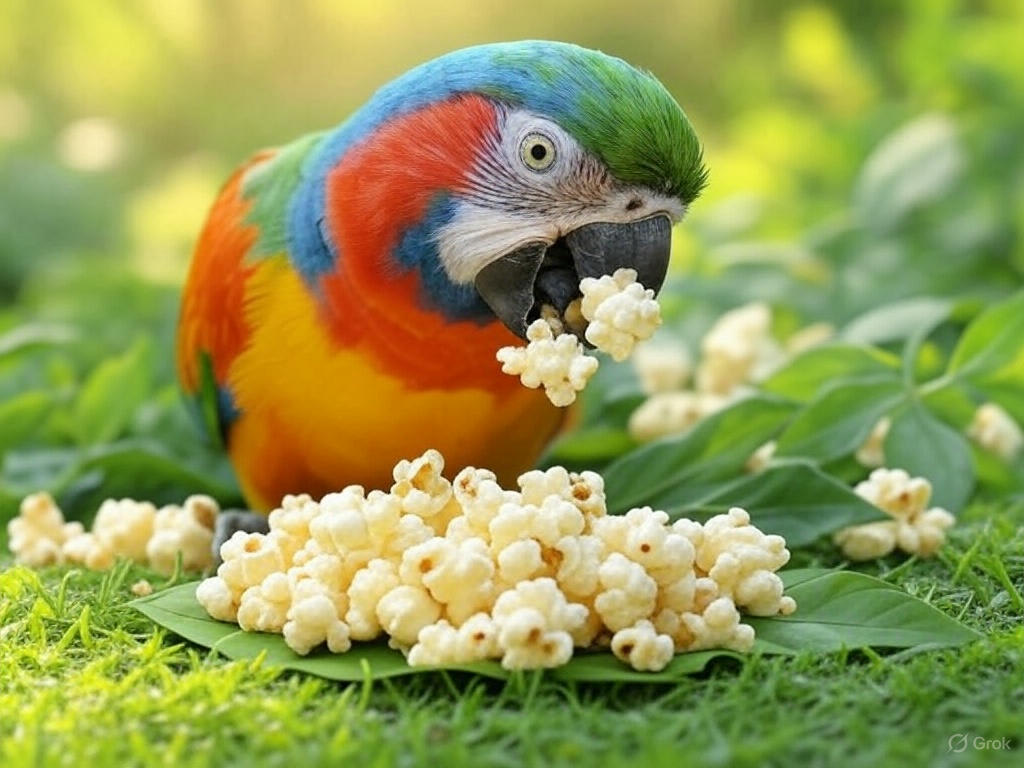
- Large seed-eating and omnivorous birds such as pigeons, crows, ducks, and many parrots can safely eat plain popcorn in moderation.
- Medium-sized birds like doves, starlings, and cardinals usually handle small amounts well.
- Very small birds such as canaries and budgies can nibble tiny pieces but should get popcorn rarely.
- Baby birds and chicks should not be given popcorn; their dietary needs are specific and sensitive.
Better alternatives and complementary treats
While popcorn can be an occasional treat, consider healthier or more nutritious options. These provide vitamins, minerals, and balanced nutrients.
- Unsalted, raw seeds or sprouted seeds for energy and protein.
- Fresh fruits like apple slices or berries (avoid pits).
- Steamed or raw vegetables such as peas, corn kernels, or leafy greens.
- Commercial pellets formulated for species-specific nutrition.
- Plain puffed grains made for birds, without seasoning.
Personal experience and practical tips
Over years of feeding backyard flocks and caring for pet parrots, I learned a few practical tips. I once offered plain popcorn to a flock of sparrows and pigeons; they ate it eagerly but ignored it when fresher seeds were available. My pet cockatiel loved a small handful now and then, but too much led to mild weight gain.
Lessons learned:
- Always prioritize balanced food first, treats second.
- Start with tiny portions to test tolerance.
- Avoid sharing movie popcorn or seasoned popcorn from parties.
Replace treats with fresh foods if you notice changes in droppings or weight.

Frequently Asked Questions of can birds eat popcorn
Can birds eat microwave popcorn?
Microwave popcorn often contains oils, salt, and artificial flavors that can harm birds. It’s best to avoid microwave popcorn entirely and choose plain air-popped instead.
Is buttered popcorn bad for birds?
Yes. Butter and cooking oils add fat and possible toxins that can upset a bird’s digestion and lead to obesity. Buttered popcorn should never be offered to birds.
Can wild birds eat popcorn left on the ground?
Wild birds will eat plain popcorn, but leaving large quantities risks attracting pests and creating dependency. Offer small amounts and avoid heavily seasoned popcorn.
How often can pet birds eat popcorn?
Treats like popcorn should be rare—think once or twice a week at most, and only in small portions. The bulk of a pet bird’s diet should be species-appropriate pellets, seeds, and fresh foods.
Are popcorn hulls dangerous for birds?
Hard hulls and unpopped kernels can be a choking hazard and may cause crop impaction, especially in small birds. Remove tough pieces and unpopped kernels before offering.
Can baby birds eat popcorn?
No. Baby and fledgling birds need nutrient-dense, soft foods for growth. Popcorn is not suitable for young birds and can cause digestive problems.
Conclusion
Plain, air-popped popcorn can be a safe, occasional treat for many bird species when given in small amounts and without additives. The key is moderation, proper preparation, and knowing your bird’s species-specific needs. Use popcorn as a fun supplement, not as a dietary mainstay, and prioritize balanced feed and fresh foods for long-term health. Try offering a small, plain piece today, watch your bird’s reaction, and adjust based on their response — then share your experience or questions in the comments to help other bird lovers learn more.