
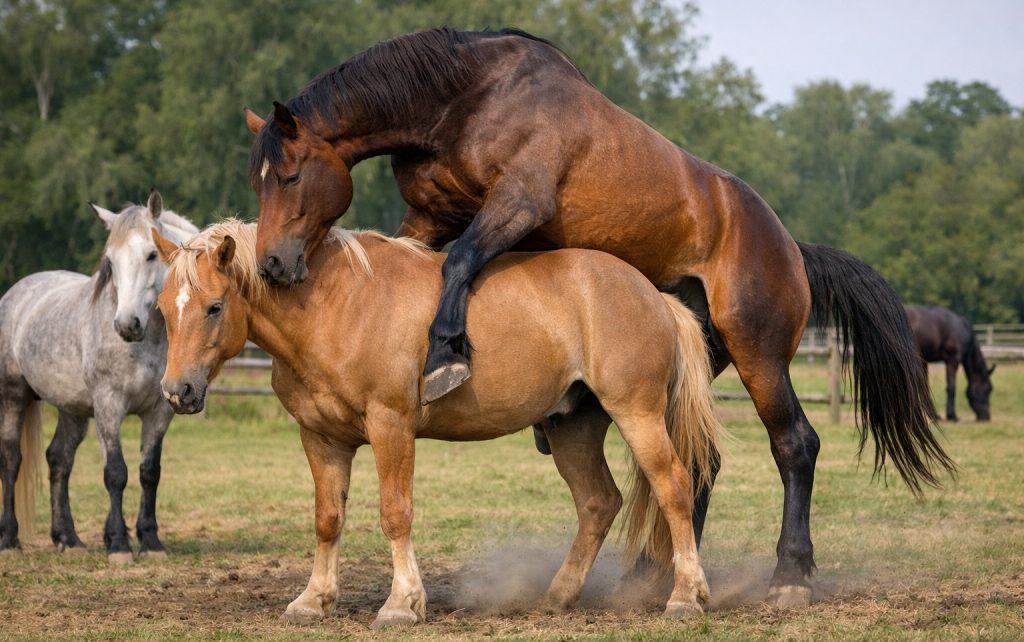
Horses mate through seasonal courtship: a stallion courts a mare in heat, then mounts for a brief copulation.
As someone with years working in equine breeding and stable management, I’ll guide you through exactly how do horses mate. This article explains mare cycles, stallion behavior, the mechanics of mating, and modern breeding options like artificial insemination. Expect clear steps, practical tips, and real-world lessons that help owners, breeders, and horse lovers understand safe and effective breeding practices. Read on for an in-depth, experience-backed view of how do horses mate and what that means for care, timing, and outcomes.
How horses mate: a practical overview
Horses mate when a mare is in estrus and a stallion shows interest. The process blends instinct, scent, and trained handling. The stallion courts the mare using vocal calls, nuzzling, and circling. If the mare accepts, the stallion mounts from behind and achieves intromission and ejaculation. Copulation is short, usually under a minute, but the courtship and timing matter most for success.
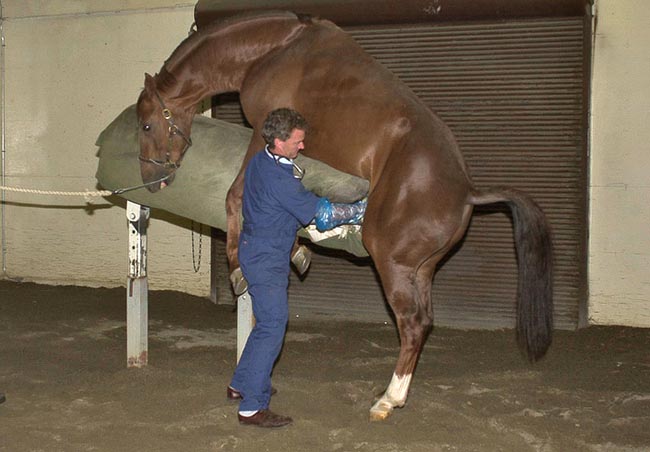
Breeding can occur naturally or through assisted methods. Natural mating is straightforward but needs careful management for safety and disease control. Artificial insemination lets owners breed without physical contact and can increase genetic reach. Understanding both the natural behavior and the technical options helps answer how do horses mate in real situations.

Source: purdue.edu
Estrus cycle and timing: when do horses mate?
A mare’s cycle determines when mating can result in pregnancy. Most mares are seasonal breeders. They cycle from spring to autumn under longer daylight. Estrus, or heat, lasts about 5 to 7 days. Ovulation usually happens near the end of estrus.
Common short questions:
- How long is a mare in heat? Mares are in heat about 5 to 7 days, but this can vary by individual.
- When is ovulation? Ovulation typically occurs in the last 24 to 48 hours of estrus.
Tracking heat improves breeding success. Methods include:
- Daily behavior checks for mounting tolerance and tail raising.
- Teasing with a stallion to observe reactions.
- Veterinary exams like ultrasound to confirm follicle growth and ovulation timing.
Proper timing answers a core part of how do horses mate. Breeding at or just before ovulation gives the best conception rate.
Courtship and mating behavior: the natural sequence
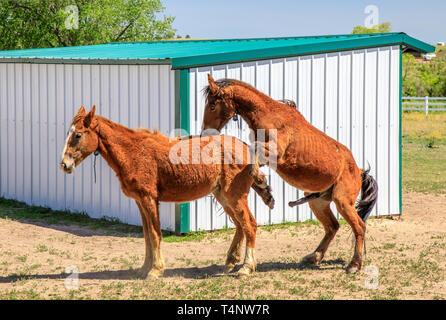
Courtship is subtle and relies on scent and body language. The mare signals readiness by moving her tail, urinating often, and standing for the stallion. A receptive mare will allow the stallion to nuzzle and mount. A non-receptive mare pins her ears, switches her tail, and may kick.
The mating steps are:
- Stallion approaches and sniffs the mare’s hindquarters and genitals.
- Stallion may bite lightly at the mare’s withers or flank during acceptance.
- Stallion mounts from behind and grips with his teeth on the mare’s neck or mane for balance.
- Intromission and ejaculation occur quickly; stallion dismounts and the pair separate.
Anatomy matters. The stallion’s penis is fibroelastic and the mare’s cervix must relax at ovulation. Semen is deposited in the mare’s uterus or cervix depending on technique. Safety is crucial. Handlers must be experienced to prevent injuries during natural mating.
Source: breedingnews.com
Natural breeding versus artificial insemination
Both methods answer how do horses mate, but they differ in risk and reach.
Natural breeding:
- Pros: Simple, familiar, no lab work. Stallion and mare perform normal behavior.
- Cons: Injury risk, disease transmission, limited genetics by location.
Artificial insemination (AI):
- Pros: Safer for mares and stallions, lowers disease spread, allows frozen semen transport worldwide.
- Cons: Requires veterinary skill, lab work, and timing precision.
AI methods:
- Fresh extended semen placed into uterus soon after collection.
- Cooled transported semen used within 24–48 hours.
- Frozen semen requires precise timing and often multiple inseminations.
Good AI programs increase pregnancy rates and let breeders plan better. They also change how people ask how do horses mate, since the act of natural copulation can be replaced by a technical process.
Gestation, foaling, and post-mating care
After successful mating, the mare enters pregnancy. Equine gestation averages 340 days but ranges from about 320 to 360 days. Early pregnancy checks by ultrasound confirm a viable embryo by 14 to 16 days. Regular vet checks, proper nutrition, and dental and hoof care matter throughout pregnancy.
Key care points:
- Nutrition balanced for body condition and fetal growth.
- Vaccinations and deworming per veterinary guidance.
- Monitoring for signs of colic, discharge, or early labor.
Foaling usually happens at night. Prepare a clean, safe stall and have emergency contacts ready. After birth, ensure the foal nurses colostrum within the first two hours. This early care completes the practical arc of how do horses mate to produce a healthy foal.
Breeding management, selection, and practical tips
Good management improves outcomes. Matching mare and stallion temperament, conformation, and health matters. Run pre-breeding exams that include:
- Reproductive tract inspection for both mare and stallion.
- Semen analysis for stallions.
- Tests for venereal diseases and other infections.
- Genetic screening for known heritable conditions.
My experience:
I’ve managed dozens of matings. Early on I relied on visual heat signs alone. I learned to use ultrasound to time insemination. That change raised conception rates and cut repeat matings. Also, always have a calm handler and a plan for emergencies. Avoid last-minute decisions; planning reduces stress.
Practical tips:
- Record cycles and behaviors carefully.
- Keep vaccines and deworming current.
- Use protective equipment during natural covers.
- Work with a vet familiar with equine reproduction.
These practices answer how do horses mate in a modern, responsible way.
Risks, complications, and ethical considerations
Breeding carries risks. Injuries can occur during mating. Infection risk exists for sexually transmitted and systemic diseases. Overbreeding or poor selection can pass on bad traits. Ethical care requires informed choices and welfare-focused decisions.
Common complications:
- Failure to conceive due to poor timing or fertility issues.
- Uterine infections in mares after mating.
- Injury to mare or stallion during natural breeding.
Mitigation steps:
- Use proper restraint and experienced handlers.
- Employ hygiene and testing to prevent disease.
- Consider contraception or spaying when breeding is not appropriate.
Be transparent about limits. Not every mare or stallion should be bred. Responsible breeding practices protect animals and the reputation of breeders.
Source: alamy.com
Frequently Asked Questions of how do horses mate
How long does horse mating last?
Mating itself is brief, often less than a minute. The courtship before mating can last much longer.
Can mares get pregnant on their first heat?
Yes, mares can conceive on their first estrus of the season if ovulation occurs and mating is well timed.
Is artificial insemination as effective as natural mating?
AI can be equally or more effective when managed by experienced vets using proper timing and semen handling.
How soon after mating will a mare show pregnancy?
Ultrasound can detect pregnancy as early as 14 days, but a routine check is often done around day 14 to 21.
Will a mare that refuses a stallion always be infertile?
No. Refusal can indicate behavior, pain, or timing issues. Veterinary exam and timing review usually find a cause.
Can stallions mate frequently?
Stallions can mate many times, but overuse reduces semen quality and increases stress. Planned rest and semen evaluation help maintain fertility.
Do horses need special conditions to mate naturally?
They need safety, space, and experienced handlers. A calm setting reduces stress and lowers injury risk.
Conclusion
Understanding how do horses mate means knowing behavior, timing, anatomy, and modern options. Good results come from careful timing, routine veterinary support, and safe handling. If you breed or plan to, start with a health check, document cycles, and work with an experienced repro vet. Take action: review your mare and stallion records, schedule a pre-breeding vet visit, or join a local breeding workshop to improve your skills. Share your experiences or questions below and subscribe for updates on practical equine care.









