
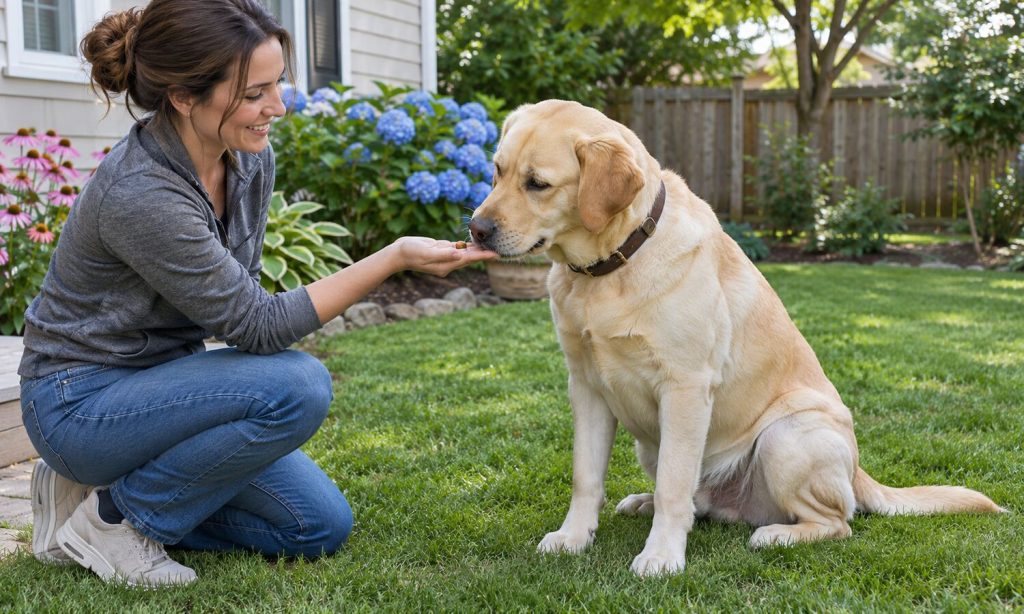
A large dog’s size can make treats look harmlessly small, but calories and choking risks still matter. If you are learning how to use and care for a dog treats for large dogs, think about safe texture, portion control, supervision, and hygienic storage. Treats are extras, not a replacement for complete daily nutrition. A dog that weighs more does not automatically need a much larger reward every time it sits, waits, or comes when called.
This guide explains how to give rewards without upsetting the feeding plan, how to inspect chewy treats, and when to discard them. It also covers using small rewards during training and storing opened packages safely. You can use the same principles for many forms of dog treats for large dogs without relying on a specific brand or marketing claim. Dogs with dental disease, food allergies, or prescribed diets need advice tailored to their condition.
Choose a Safe Treat Format for the Individual Dog
Look at the dog’s chewing behavior, mouth condition, and tendency to gulp food. Large breeds are not all alike: a careful older retriever may need a different texture from a young dog that swallows everything quickly. Avoid hard items that may fracture teeth or break into sharp pieces. Treats can also become choking hazards when they are too small, slippery, or swallowed whole. Stay nearby while your dog chews, and remove the final small portion of a long-lasting chew if it becomes a swallowing risk. Never leave a dog alone with a risky edible chew.
Read ingredient labels, expiration information, and feeding directions. Check whether the treat has a caloric statement and whether it is intended for intermittent feeding only. Be cautious with long ingredient lists if your dog has a confirmed food allergy, since unapproved extras can interfere with a veterinary elimination diet. Do not offer foods containing xylitol, chocolate, grapes, raisins, or other known canine toxins. The FDA also warns that bones, corn cobs, and other objects may obstruct the digestive tract. Ask your veterinarian about any treat that raises safety concerns.
Match reward size to the task
During training, a pea-sized or otherwise very small soft reward may be sufficient even for a large dog. The reward’s appeal and timing often matter more than volume. A large biscuit given ten times during one session can add substantial calories without improving learning. Break approved treats into smaller pieces when safe and practical, but avoid creating fragments that your dog could inhale. For dogs that gulp, use calm, controlled delivery and consider rewarding with part of the regular meal ration instead.
For activities such as recall practice or a new behavior, deliver a reward immediately after the desired response so the dog can connect action and consequence. Keep sessions short enough to maintain attention. Our guide to reward-based treat training explains the training role of treats. Do not use food to force a dog past fear or pain. If behavior changes suddenly, consider whether a health or environmental problem needs attention rather than simply increasing the reward size.
Keep Treat Calories Inside the Daily Budget
Many veterinary nutrition specialists recommend that treats and table extras stay at roughly 10% or less of a dog’s daily calories, with the balanced main diet supplying the rest. Ask your veterinarian for a personal target when the dog needs weight control or has a medical condition. Calculate treat calories from the label where possible. If a treat contains 40 kcal and the allowance for extras is 100 kcal per day, three such treats would already exceed that amount. Sharing one treat among several small training rewards is often enough.
Count every reward, including dental chews, training bites, and food used to hide medicine. Family members can unknowingly double the allowance. A small jar or bag containing the day’s permitted treats helps everyone see what remains. If your dog receives substantial snacks, ask whether to reserve a measured portion of the daily food for training. Our article on daily dog food portions provides a broader framework for meals and calories. Never sharply reduce a medically prescribed diet to compensate for an excessive number of treats without guidance.
Watch weight and digestion
A treat that agrees with one dog may cause diarrhea or vomiting in another. Introduce new foods slowly and offer only a small amount first. Stop and seek veterinary advice if repeated vomiting, severe diarrhea, abdominal pain, or unusual weakness follows. Dogs with pancreatitis, obesity, kidney disease, or food allergies may need strict restrictions. Do not assume “natural” means low fat or safe for every dog. Check the full nutritional profile and ask about the ingredients that matter to the individual medical plan.
Monitor body condition and weight over time. Many owners underestimate calories from little extras because they appear insignificant next to a large dog’s meal. A calendar of training sessions and treat use helps reveal patterns. Replace some food rewards with praise, play, or a favorite activity if that fits your dog’s motivation. A balanced plan should improve training without steadily increasing the waistline. FYI, the dog may vote for more biscuits, but the scale gets a vote too.
Store, Handle, and Replace Treats Safely
The FDA recommends retaining the original pet-food or treat packaging, including the lot number, expiry date, and manufacturer details. These details matter if a recall or quality issue arises. Close opened bags tightly and store them as the label directs in a cool, dry location away from pests. Refrigerate products when the label requires it. Do not assume every soft treat is shelf-stable once opened. Moist, homemade, or fresh foods may have shorter safe storage periods than dry shelf-stable snacks.
Wash hands after handling food and treats, clean reusable treat pouches regularly, and prevent the dog from accessing the entire package. Inspect treats for mold, unusual odor, discoloration, or damaged packaging. Discard any questionable portion instead of trimming visible spoilage off the outside. Keep treats out of reach of children and pets when not in use, and prevent swallowing of packaging material. Never let a dog put its head into an empty flexible food bag because suffocation is a serious risk.
Care for reusable treat accessories
A treat pouch, dispensing toy, or training bag also needs attention. Empty crumbs, wash food-contact parts according to instructions, and let everything dry completely. Sticky residue can attract pests and spoil the next batch. Check toys for cracks or pieces that could detach under a strong jaw. A large dog may destroy a lightweight dispenser more quickly than expected, so inspect the object before each session. Remove damaged accessories immediately rather than allowing more forceful chewing.
If treats are carried on hikes or in hot weather, prevent prolonged exposure to heat and moisture. Carry only what you expect to use and close the container between rewards. Wash reusable containers after outings, particularly if the dog has slobbered on the food. Check that the treat remains safe and palatable before giving it. If your dog refuses a familiar snack, assess overall appetite and behavior instead of assuming the flavor is suddenly boring. A persistent appetite change deserves veterinary attention.
Frequently Asked Questions
Most large dogs do well with small, supervised rewards as part of a balanced feeding plan. The right quantity and form depend on the individual dog’s chewing habits, health, and calorie requirements.
Use these answers as general handling principles. A veterinarian can help with restricted diets, dental disease, repeated digestive symptoms, or a tendency to swallow chews whole.
Do large dogs need extra-large training treats?
No. Small rewards are usually enough for training, even in large breeds. Deliver the reward promptly and count its calories.
How many treats can I give in a day?
Use the dog’s individual calorie plan. Treats are commonly limited to about 10% or less of daily calories, with the rest from balanced food.
Should I leave a dog alone with a long-lasting chew?
No. Supervise chewing and remove pieces that become small enough to swallow. Hard, sharp, or splintering items can cause injury.
How should I store opened dog treats?
Follow the package instructions, reseal properly, keep them dry and pest-free, and refrigerate products that require it. Retain lot and date information.
When should treats be thrown away?
Discard treats past safe storage limits or those with mold, odd odors, moisture damage, or a recall. Do not feed questionable food to avoid waste.
Final Words
The best approach to using and caring for dog treats for large dogs is measured, supervised, and simple. Choose a safe size and texture, use tiny rewards when training, include every snack in the daily calorie allowance, and check for chewing hazards. Treats should reinforce a good relationship without compromising nutrition or safety.
Keep balanced dog nutrition as the foundation, and store treats carefully using their original labels. Supervise chews, clean treat accessories, and discard stale or damaged products. A consistent routine keeps rewards enjoyable for you and your dog without turning snack time into an avoidable health problem.









