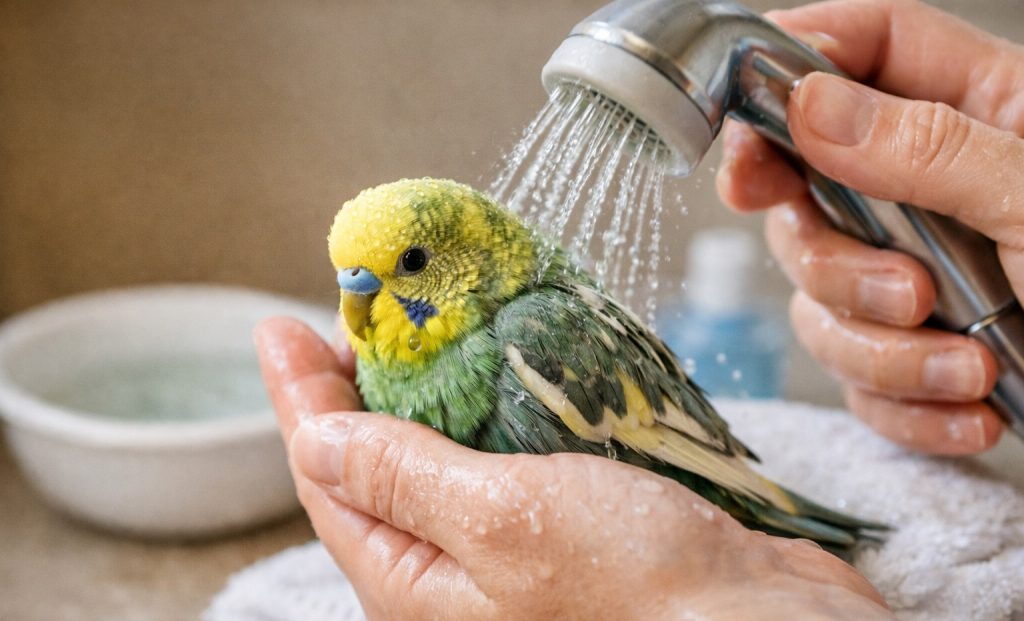
Use warm, shallow water and gentle motions to clean feathers without harsh soaps.
I have worked with avian vets and cared for dozens of pet birds. This guide explains how to wash birds safely, step by step, with clear advice, safety checks, and real-world tips from my experience. Read on to learn the right supplies, timing, methods, and aftercare to keep your bird healthy and comfortable.
Why bathe birds? Benefits and timing
Bathing helps birds keep feathers clean and functional. Clean feathers improve flight, insulation, and skin health.
Many pet birds enjoy regular baths. Wild birds bathe naturally. For pet birds, knowing how to wash birds helps prevent dust buildup, mites, and poor feather condition.
Timing matters. Bath in the morning so feathers dry during the day. Avoid bathing before cold nights or drafts.
Which birds need bathing and how often
Different species need different care. Budgies, cockatiels, and parrots often enjoy daily misting or weekly shallow baths. Toucans, some raptors, and waterfowl have different needs.
Young, sick, or very old birds require extra caution. Learning how to wash birds includes matching method to species, age, and health. Monitor your bird’s reaction and adjust frequency.

Source: wikihow.com
Supplies and safety checklist for washing birds
Use safe, bird-friendly tools. Gather supplies before you begin.
- Shallow basin or sink with non-slip mat for baths
- Lukewarm water (about 90–100°F / 32–38°C)
- Clean towel for drying and warmth
- Soft spray bottle or cup for gentle rinsing
- No soaps, detergents, or human shampoos unless vet-approved bird shampoo is recommended
Safety rules to follow:
- Never submerge the head fully for small pet birds.
- Avoid strong water pressure.
- Check room temperature and avoid drafts.
- Keep all other pets away during bathing.
Step-by-step guide: How to wash birds
Follow these steps to wash birds safely. Use calm, steady moves. Speak softly and move slowly.
- Prepare the space.
- Warm the room. Lay a towel on the counter or sink. Fill a shallow basin with lukewarm water.
- Offer a choice first.
- Many birds prefer to step into water themselves. Place the basin where the bird can approach. Give time and praise.
- Use gentle mist or shallow bathing.
- For birds that like misting, use a soft spray bottle from 12–18 inches away. For birds that prefer standing baths, let them stand in 1–2 inches of water.
- Clean gently with hands.
- If needed, cup water in your hand and let the bird preen through it. Avoid rubbing feathers harshly.
- Rinse if a vet-approved shampoo was used.
- Use plain lukewarm water to remove residue. Most pet birds do not need shampoo.
- Dry safely.
- Let your bird preen naturally. Pat excess water gently with a towel. Keep the room warm until fully dry.
When you practice how to wash birds, patience is key. Forceful handling creates stress. Reward calm behavior with quiet praise or a favored treat.
Aftercare and drying tips
Proper aftercare prevents chilling and stress. Allow birds to preen. Preening restores feather alignment and oils.
Use a towel for birds that are chilled or sleepy. Keep the room warm and quiet until feathers are dry. Never use hair dryers on high heat; on low and distant settings they may be acceptable for larger species, but consult a vet first. Monitor breathing and activity for signs of distress.
Common mistakes and troubleshooting when washing birds
Avoid these frequent errors:
- Bathing in cold rooms or with cold water. This can lead to hypothermia.
- Using human soap or detergent. These strip natural oils and irritate skin.
- Forcing a bird into water. This raises stress and risk of injury.
Troubleshooting tips:
- Bird is frightened: try misting from farther away or offer a shallow bowl instead.
- Bird avoids water: increase humidity and offer baths after playtime.
- Feathers feel oily or sticky: consult an avian vet—this might be a health issue.

Source: birdrescue.org
Personal experience and practical tips
I learned how to wash birds through trial and care for several pet parrots. One cockatiel hated being held. Switching to a shallow bowl and letting him choose improved trust. Small wins like offering baths after favorite toys increased cooperation.
Lessons I learned: start slow, watch body language, and never rush. If a bird shows signs of illness or extreme stress, stop and call an avian vet. My simple tip: warm the room, let the bird lead, and use soft water pressure.
PAA-style questions to address search intent
What is the safest way to wash a pet bird?
The safest way is a shallow bowl or gentle mist with lukewarm water. Let the bird choose and keep movements slow and calm.
Can you use soap when you wash birds?
Generally no. Avoid human soaps and shampoos. Only use vet-approved bird shampoos when recommended by an avian professional.
How often should I wash my bird?
Frequency depends on species and environment. Many parrots enjoy weekly baths; some enjoy daily misting. Monitor feather condition to decide.
Frequently Asked Questions of how to wash birds
How do I know if my bird needs a bath?
Look for dusty feathers, dull plumage, or a bird that starts preening more than usual. Bathing frequency depends on species and living conditions.
Can I use a hair dryer to dry my bird after a bath?
Avoid hot air and close contact. A hair dryer on the lowest, coolest setting and held far away may work for large birds, but air drying in a warm room is safer for most pets.
Is it okay to bathe a baby bird?
Only if recommended by an avian vet or an experienced caregiver. Baby birds and nestlings can lose heat fast and need special handling.
What if my bird eats the water or dips its head?
Many birds will sip or dunk their heads; this is normal. Watch for signs of choking or coughing and pause the bath if the bird struggles.
When should I contact an avian vet after bathing?
Contact a vet if the bird seems chilled, has labored breathing, shows skin irritation, or develops unusual behavior after a bath.
Conclusion
Washing birds is simple when you know the right steps. Use lukewarm water, gentle motions, and species-appropriate methods. Let your bird lead, stay patient, and follow safety checks.
Try one small change this week: offer a shallow bowl or gentle mist and observe your bird’s response. If you found this guide helpful, leave a comment, subscribe for more avian care tips, or share your own bathing stories.