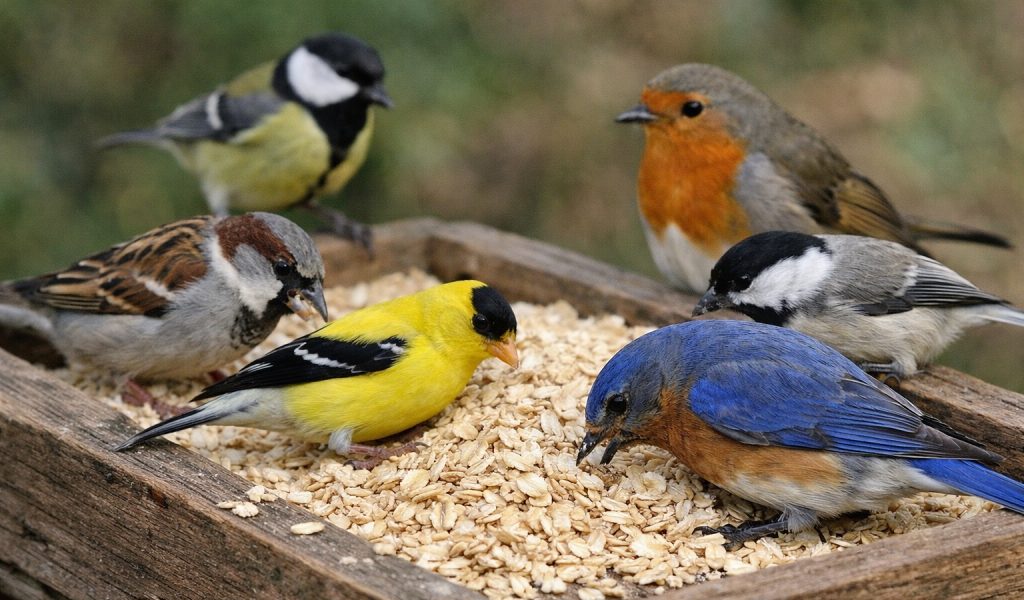
Most birds will eat oats; prepared properly, oats are a safe, nutritious option.
As an avian nutrition writer with years of backyard birding and hands-on experience feeding pet birds, I will guide you through whether will birds eat oats, which birds prefer them, how to prepare oats safely, and how oats fit into a balanced feeding plan. This article combines practical tips, simple science, and tested steps so you can confidently offer oats to wild or pet birds and know what to expect.
Are oats safe for wild and pet birds?
Yes. If plain and fresh, oats are safe for most birds.
Oats provide energy and some fiber without harmful additives.
Care matters: avoid salted, sweetened, or flavored packaged oats.
Types of oats birds eat and how they differ
Birds accept several oat forms, but each has pros and cons.
- Rolled oats – soft texture, easy for small birds to eat, popular at feeders.
- Quick oats – thinner and softer than rolled; birds eat them readily.
- Steel-cut oats – chewier and larger; better cooked or chopped for small species.
- Instant/flavored oats – often contain sugar, salt, or preservatives; avoid these.
If you ask will birds eat oats in any form, most will prefer plain rolled or quick oats. Choose the simplest option to reduce risk.

Source: meanderingwild.com
How to prepare and offer oats for birds
Preparation affects acceptance and safety. Use these simple methods.
- Dry oats – scatter on a tray feeder or ground for sparrows and doves.
- Soaked oats – soak rolled oats briefly to soften; serve cold to prevent mold.
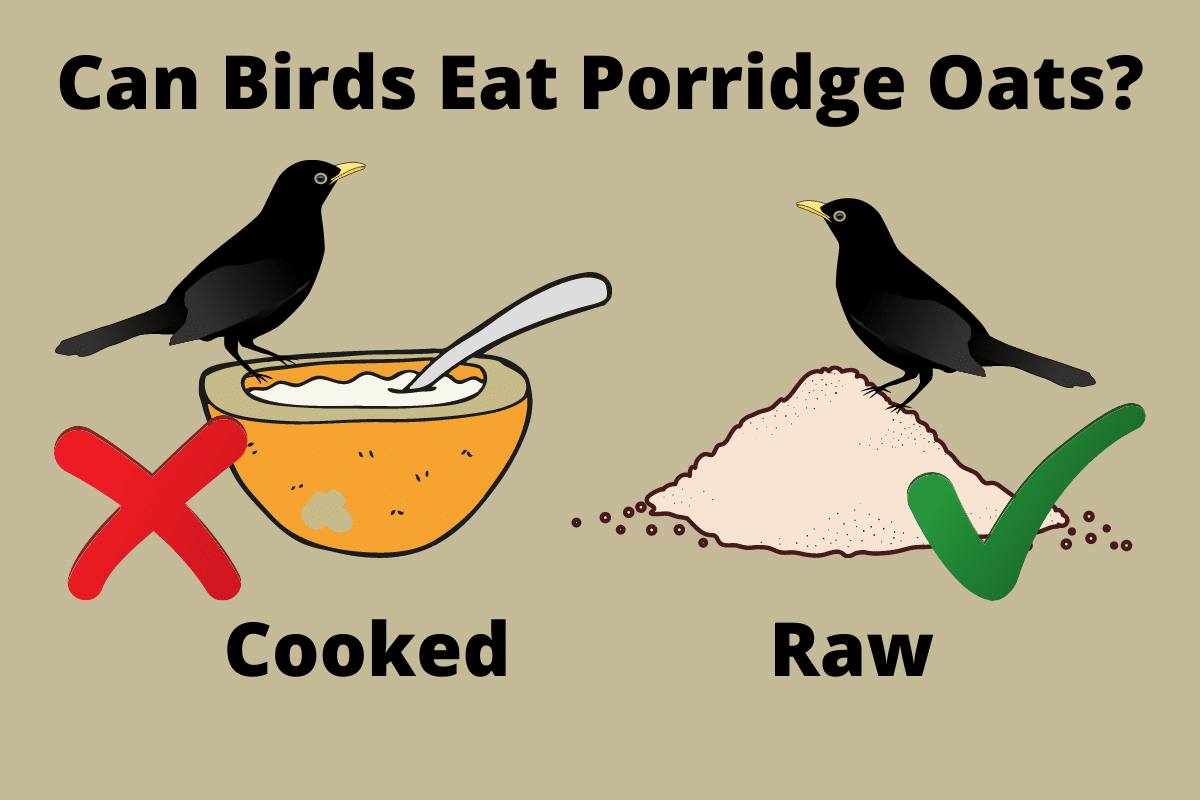
- Cooked oats – plain and fully cooked, cooled, and served in small amounts.
- Mixed with seed – blend oats with birdseed or suet for variety.
Always rinse any soaked oats before serving and discard leftovers after 24 hours to avoid mold. These steps help answering will birds eat oats safely and reliably.
Nutritional value: what oats provide to birds
Oats offer useful nutrients without being a complete diet.
- Energy – oats are rich in carbohydrates for quick fuel.
- Protein – modest protein helps small birds, though not as high as some seeds.
- Fiber – supports digestion in many species.
- Vitamins and minerals – oats contain B vitamins, iron, and magnesium in small amounts.
Use oats as a supplement to a varied diet. Relying only on oats will not meet all a bird’s nutritional needs.
Risks, limitations, and how to avoid problems
Knowing the limits keeps birds healthy.
- Mold and fermentation – wet oats spoil fast; remove after 24 hours.
- Additives – flavored or salted oats can harm birds; only offer plain oats.
- Overfeeding – too many oats can displace a balanced diet and cause weight gain.
- Choking – large, hard pieces can be a hazard for small species; soak or chop if needed.
When deciding if will birds eat oats at your feeder, always weigh benefits against these risks and act cautiously.
Source: co.uk
Which bird species eat oats and how to attract them
Many common feeder birds will sample oats.
- Sparrows and finches – readily eat dry or lightly soaked oats.
- Doves and pigeons – favor oats scattered on the ground.
- Jays and crows – will take oats and often crack larger pieces.
- Chickadees and titmice – accept small portions mixed with seed.
To attract specific species, adjust presentation: ground for doves, tray feeders for finches, or mixed offerings for generalist songbirds. Testing small amounts helps you learn what local birds prefer.
Practical feeding schedule and portion guidance
Simple rules keep feeding safe and effective.
- Offer oats 2–3 times weekly as a supplement to seed and suet.
- For small feeders, use a tablespoon or two per feeding; increase for larger flocks.
- Remove uneaten wet oats after 24 hours to prevent spoilage.
- Rotate foods to maintain interest and balance nutrition.
Following these steps answers “will birds eat oats” in a way that favors bird health and consistent attraction.
Personal experience, tips, and lessons learned
From years of feeding wild and pet birds, I’ve learned small changes matter.
When I first scattered plain rolled oats, sparrows and doves were quick to sample. After switching to soaked oats on cold mornings, chickadees began to accept small spoonfuls. A mistake I made was leaving wet oats overnight; mold formed and a few birds avoided the dish for days. Now I use small portions and compost leftovers.
Key lessons
- Start small to test local preferences.
- Keep oats plain and fresh.
- Clean feeding areas daily to prevent disease.
These practical tips reflect direct experience and help you use oats wisely.
Source: co.uk
How oats fit into a balanced feeding plan
Oats are an easy, low-cost supplement, not a sole solution.
- Combine oats with seeds, suet, fruit, or mealworms for variety.
- Use oats to add texture and energy during migration or cold snaps.
- Monitor bird condition; if many birds ignore oats, try different presentation or switch types.
By thinking of oats as one component of a broader feeding strategy, you answer will birds eat oats while promoting healthy, diverse diets.
Frequently Asked Questions of will birds eat oats
Will birds eat oats raw or do they need to be cooked?
Most birds will eat raw rolled or quick oats. Smaller birds may prefer soaked or softened oats to reduce choking risk.
Are instant flavored oats bad for birds?
Yes. Instant flavored oats often contain sugar and salt that can harm birds, so avoid them. Plain oats are the safe choice.
How often can I feed oats to wild birds?
Offer oats a few times per week as a supplement. Daily feeding is okay in small amounts but do not let oats replace a varied diet.
Can pet parrots eat oats?
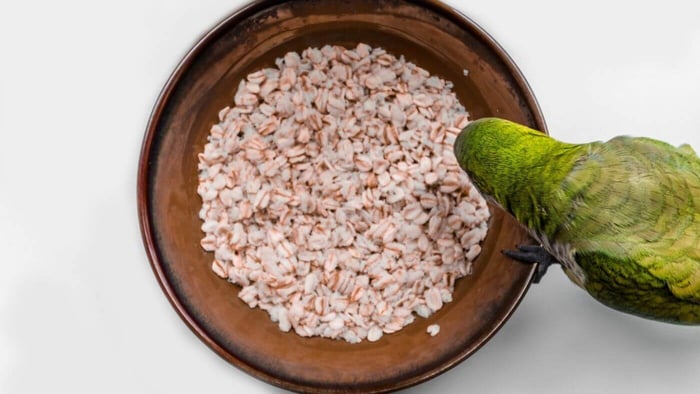
Many parrots can eat plain cooked or soaked oats in moderation. Always introduce new foods gradually and monitor for adverse reactions.
Will oats attract pests like rodents?
Oats can attract rodents if left on the ground or in large open piles. Use tray feeders and clean up spills to minimize unwanted visitors.
How should I store oats for bird feeding?
Keep oats in a cool, dry place in an airtight container. This prevents rancidity and contamination.

Source: co.uk
Conclusion
Oats are a safe, inexpensive, and flexible food that many species will eat when offered plain, fresh, and in appropriate portions. Use oats as a supplement—soften for small birds, avoid flavored varieties, and always monitor for spoilage. Start small, observe local bird preferences, and adapt presentation to suit species you want to attract.
Takeaway: try plain rolled or quick oats in small amounts, keep feeding areas clean, and mix oats into a varied feeding plan to support healthy wild or pet birds. Leave a comment with your observations or subscribe for more practical bird-feeding tips.