
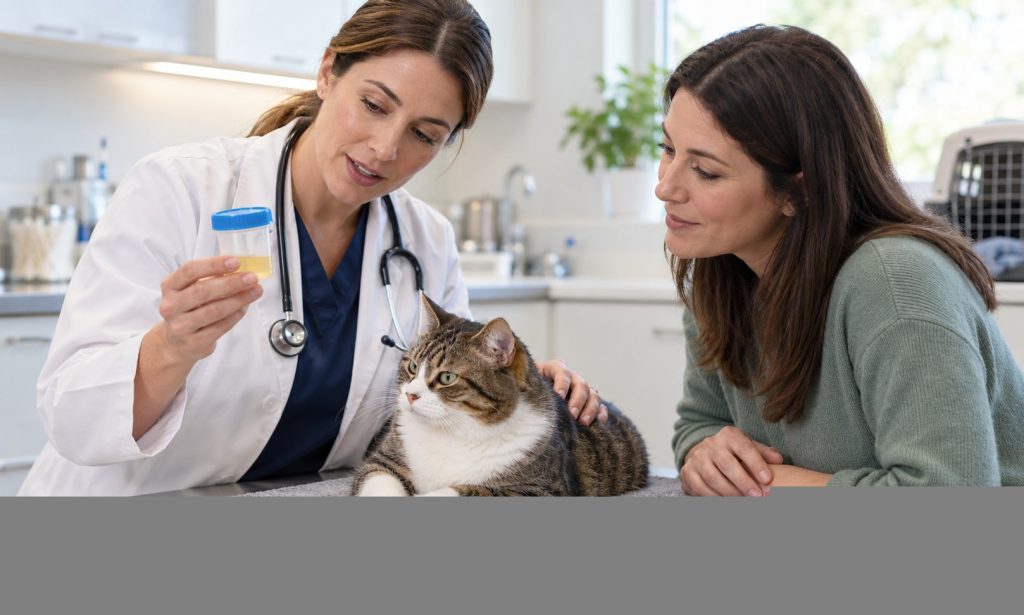
When a cat’s diet is changed to address urinary tract health, veterinarians monitor whether the plan matches the diagnosis and whether the cat is eating and responding as expected. Follow-up may include a review of litter box signs, appetite, water intake, weight, urinalysis, urine culture, blood work, or imaging. The tests depend on the cause of the urinary problem and the diet’s purpose. A plan for dissolving a confirmed stone is different from long-term recurrence prevention or care for bladder inflammation. Keep notes on food, portions, treats, litter box habits, and any straining or discomfort. If you are reviewing cat foods for urinary tract health, ask how the veterinarian will evaluate whether a specific food is appropriate and effective for your cat.
Monitoring begins with the diagnosis
Urinary signs can have several causes, so a veterinarian may first establish what condition is being treated. The evaluation may include a physical examination and urinalysis, with other testing such as urine culture, blood work, x-rays, or ultrasound when indicated. Ask what the test results mean and how they influence the diet recommendation.
If stones are involved, the stone type and treatment goal matter. Some struvite stones may be managed with a veterinarian-prescribed dissolution diet and monitoring, while calcium oxalate stones cannot be dissolved by diet. A food labeled for urinary health does not identify the cause of signs or replace diagnostic testing.
What the veterinarian may track
Urinary signs at home
The veterinarian may ask about litter box frequency, urine amount, straining, vocalizing, blood in urine, accidents, or genital licking. Record when signs occur and whether they are improving, returning, or changing. A short video of behavior at the litter box may help if it can be captured without delaying care.
Food intake, hydration, and weight
The team may review whether your cat eats the recommended diet, how much is served, and whether treats or other foods are added. They may also ask about water intake, wet versus dry food, and weight changes. If a cat refuses the prescribed diet or eats less, contact the clinic rather than waiting for the next appointment.
Urine testing
Urinalysis can provide information such as urine concentration, pH, blood, and sediment. Results need context, including what the cat eats and how the sample was collected, handled, and analyzed. Ask whether a repeat urine test is needed, what changes the veterinarian is looking for, and whether a culture is appropriate.
A urine result is one part of the assessment. Crystals in a sample do not always mean a cat has stones, and sample conditions can affect interpretation. Let the veterinary team explain what a finding means for your cat rather than trying to adjust the diet based on a single number.
Imaging and other tests
When stones or obstruction are suspected, x-rays or ultrasound may be used to check the urinary tract. If a stone is being managed with a dissolution diet, repeat imaging may help the veterinarian assess whether it is changing. The schedule depends on the diagnosis and treatment plan; ask when your cat should be rechecked.
How to support useful follow-up
Bring the current food packaging or a photo of the label, including the feeding directions and lot information if available. List all treats, supplements, flavored medications, and other foods. Note how much your cat actually eats and any days when the diet was interrupted.
Ask whether the diet should be fed exclusively, how to transition if your cat is stable, and what alternatives are available if your cat refuses it. Do not add urinary supplements or acidifiers unless the veterinarian recommends them. Unsupervised changes can work against the treatment goal or create new problems.
Keep a simple log of appetite, water intake, litter box behavior, and medications. If your cat has several episodes, note dates and changes in the home that may affect stress or routine. These observations help the veterinarian decide whether the plan needs adjustment or whether further tests are needed.
Understand when to call sooner
Repeated attempts to urinate with little or no urine, increasing distress, or crying in the litter box can indicate obstruction. A cat that cannot pass urine needs immediate veterinary care. Do not wait for a scheduled recheck or see whether a food change helps. If you are unsure whether urine is passing, call an emergency veterinary clinic for instructions.
Also contact the veterinary team if your cat stops eating, vomits repeatedly, becomes lethargic, or has a sudden worsening of urinary signs. New symptoms may need prompt assessment even when a diet has been prescribed.
Questions to ask at each recheck
- Are the original signs improving, and what changes would concern you?
- What do the latest urine results show in light of my cat’s diet?
- Do we need repeat imaging, culture, or another test?
- Should this diet continue, and when will we review that decision?
- What should I do if my cat eats less or refuses the food?
- When should I call urgently instead of waiting for the next appointment?
Frequently asked questions
How often will a cat on a urinary diet need follow-up?
It depends on the diagnosis, treatment goal, test results, and whether stones are being monitored. Ask your veterinarian to set a recheck schedule for your cat.
Will a urine test show whether the diet is working?
Urinalysis can provide useful information, but it must be interpreted with the cat’s signs, food, and sample details. The veterinarian may also use imaging or other tests.
Does every cat with crystals need a urinary diet?
Not necessarily. Crystals and urinary signs need interpretation in context. Ask the veterinarian what the result means and whether a diet change is indicated.
What if my cat will not eat the prescribed diet?
Call the veterinary team for alternatives and guidance. Do not let your cat go without food to force acceptance of the new diet.
Can I wait until a recheck if my cat is straining?
No, if your cat repeatedly strains and passes little or no urine, seek immediate veterinary care. A urinary obstruction is an emergency.
Final Words
Veterinarians monitor urinary diet changes by combining home observations with tests chosen for the cat’s diagnosis. Track food intake, water, weight, litter box signs, and any treatment changes, then attend the recommended rechecks. Ask how urine results and imaging relate to the diet’s goal, and contact the clinic if appetite falls or signs worsen. Straining with little or no urine needs urgent care. When comparing cat foods for urinary tract health, follow the veterinarian’s diagnosis-specific guidance and do not change the plan on your own.









