
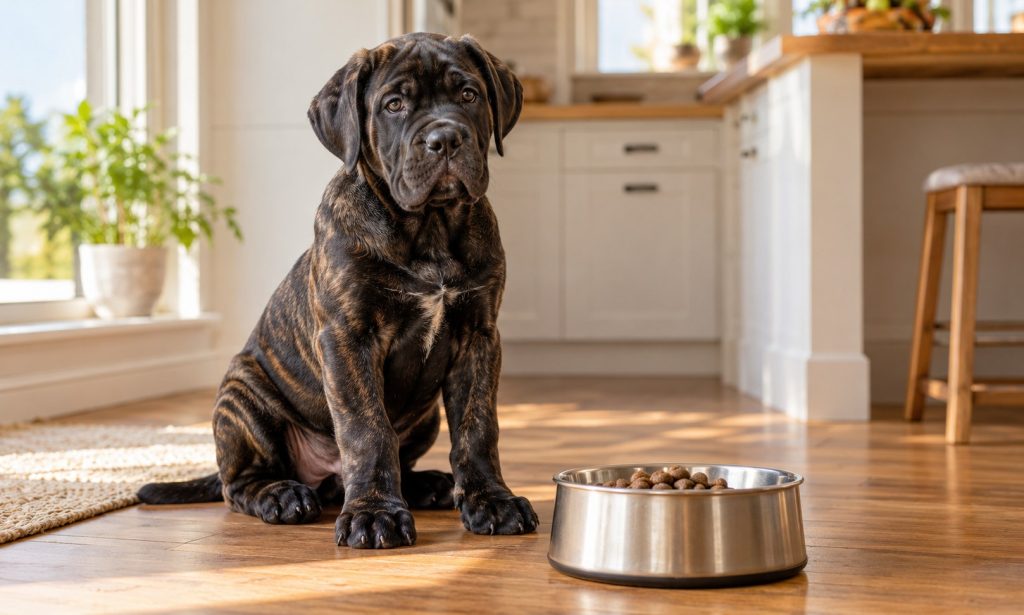
Choosing food for a Cane Corso puppy can feel like a high-stakes decision because this breed grows into a very large dog. A complete, balanced growth diet made for large-size puppies is a sensible starting point. The best dog food for a Cane Corso puppy should support steady growth, fit your puppy’s age and appetite, and provide clear feeding directions. This guide compares seven large-breed or giant-breed formulas by their verified product details. It also explains what to check on the label and when to ask your veterinarian. For broader context, see our guides to food for Rottweiler puppies and food for Doberman puppies, two other large-breed growth roundups. Use the comparisons as a starting point, then verify the package and your puppy’s feeding plan.
Quick Picks
| Product | Best For | Key Advantage | Buy | |
|---|---|---|---|---|
| Diamond Naturals Large Breed Puppy Lamb & Rice | Large-breed growth | Large-puppy nutrient positioning | View on Amazon | Jump to Review |
| VICTOR Elite Canine Large Breed | Multi-protein formula comparison | Listed for puppies and large breeds | View on Amazon | Jump to Review |
| Purina ONE Plus Large Breed Puppy | Chicken-based large-breed option | DHA and glucosamine listed | View on Amazon | Jump to Review |
| Purina Pro Plan Large Breed Puppy Chicken & Rice | Large-puppy growth formula | Growth-rate and joint support features | View on Amazon | Jump to Review |
| Hill’s Science Diet Large Breed Puppy Chicken & Brown Rice | Controlled-growth comparison | Calcium and DHA features | View on Amazon | Jump to Review |
| IAMS Proactive Health Large Breed Puppy | Chicken-first puppy food | DHA and calcium features | View on Amazon | Jump to Review |
| Royal Canin Giant Puppy | Very large puppies in the listed age range | Giant-breed life-stage targeting | View on Amazon | Jump to Review |
Best Dog Food for Cane Corso Puppy: 7 Options
1. Diamond Naturals Large Breed Puppy Lamb & Rice

What We Like
- Large-breed puppy formula
- Lamb is the named first ingredient
- DHA for brain and vision development
- Calcium and phosphorus features
What We Don’t Like
- Lamb may not fit every puppy’s diet
- Large bag needs dry storage space
Diamond Naturals Large Breed Puppy Lamb and Rice is directly positioned for growing large-breed dogs. The product information identifies pasture-raised lamb as its first ingredient and describes nutrient levels intended for larger growing bodies. It also lists DHA for brain and vision development, plus calcium and phosphorus for bone development. These details make it a relevant option to compare for a Cane Corso puppy, although the label on the bag remains the final source for life-stage suitability.
The formula includes a lamb-and-rice profile rather than a chicken-centered recipe. That gives owners another protein choice to discuss if their puppy has a known dietary restriction. The manufacturer also describes probiotics and a feeding chart based on age and weight. Those features can help you plan meals, but the chart is only a starting point. Cane Corso puppies grow at different rates, and body condition is more useful than trying to make a puppy grow as quickly as possible. Check the complete-and-balanced statement and confirm it covers growth of large-size dogs before making this the regular diet.
A key limitation is that a breed name does not tell you whether a particular puppy needs lamb, a different calorie density, or a therapeutic diet. Do not add calcium or other supplements to a complete growth food unless your veterinarian directs you to do so. A sudden food change can also upset digestion, so ask your veterinarian how to transition if your puppy has symptoms or a medical plan. This product is best viewed as a large-breed formula candidate with clearly stated growth features, not as a guaranteed fit for every Cane Corso.
My Recommendation
Consider Diamond Naturals if you want a lamb-and-rice large-breed puppy food with growth-stage features to compare. Confirm the current package’s adequacy statement for large-size growth, then use your veterinarian’s guidance and your puppy’s body condition to set portions. Recheck the label after any formula change.
2. VICTOR Elite Canine Large Breed

What We Like
- Listed for puppies and large breeds
- Chicken and fish meal proteins
- Glucosamine and chondroitin sources
- Named protein and fat percentages
What We Don’t Like
- Multi-protein blend may complicate a food trial
- Label adequacy needs a close check
VICTOR Elite Canine Large Breed is described as a chicken-and-fish-meal dry food for puppies and large-breed dogs. The product information lists 25% protein and 14% fat, and it describes natural sources of glucosamine and chondroitin. These details provide concrete comparison points for an owner who wants to review protein composition and joint-related label features. The listing also mentions a proprietary vitamin and mineral blend. For a Cane Corso puppy, however, the key question is whether the current bag’s nutritional adequacy statement specifically supports growth of large-size dogs. The product name alone is not enough to establish that.
This formula uses more than one animal protein source, including chicken and fish meals. That variety may suit a puppy that already tolerates those ingredients, but it is less convenient if a veterinarian has asked you to run a controlled diet trial. Read the feeding chart, calorie information, and age guidance on the current package. If your puppy is transitioning from a breeder’s food, a gradual switch can make it easier to monitor appetite and stool changes.
The available listing does not provide every detail needed to make a medical nutrition judgment. It should not be treated as a joint treatment or a substitute for veterinary advice. Cane Corsos are large dogs, so controlled growth and appropriate body condition matter. Ask your veterinarian to compare the label with your puppy’s expected adult size, age, activity, and health history. Choose another formula if the package does not state it is suitable for large-size puppy growth or if your veterinarian recommends a different nutrient profile. That label check is especially important for any all-life-stage food.
My Recommendation
VICTOR Elite Canine is worth comparing when you want a multi-protein large-breed option with glucosamine and chondroitin sources. Verify the current package’s large-size growth statement before feeding it as a puppy’s main diet. Keep growth and stool quality under observation.
3. Purina ONE Plus Large Breed Puppy Chicken

What We Like
- Chicken listed as the first ingredient
- DHA and antioxidant features
- Glucosamine is listed
- Crunchy kibble with tender pieces
What We Don’t Like
- Chicken recipe may not suit every diet
- Mixed textures can invite food sorting
Purina ONE Plus Large Breed Puppy is a chicken-based dry food designed for large-breed puppies. The listing names chicken as its first ingredient and identifies DHA for brain and vision development. It also lists glucosamine and a blend of crunchy kibble with tender pieces. Those features make this a straightforward option to compare if your Cane Corso puppy eats chicken and accepts mixed textures. The formula is not described as Cane Corso-specific, so read the package for the nutritional adequacy statement, age guidance, and calories per cup. Those details should guide feeding more than a breed label or a product slogan.
The product’s large-breed focus is useful because the growing needs of a very large puppy differ from adult maintenance. Still, the correct amount depends on your puppy’s age, weight trend, body condition, treats, and daily activity. Use the package chart as an initial estimate and adjust with veterinary advice. Observe how your puppy eats rather than assuming a texture blend will improve appetite.
A chicken-forward food is not automatically unsuitable if a dog has itching or digestive changes, and those symptoms do not prove a food allergy. If a concern persists, speak with your veterinarian before switching repeatedly or choosing an elimination diet on your own. This listing offers a large-breed puppy recipe with several named developmental features, but it does not replace individualized feeding advice. Verify the current label before purchase, especially if the product listing changes. For a puppy with a prescribed diet, use the veterinarian’s plan instead of choosing based on online product descriptions.
My Recommendation
Purina ONE Plus is a practical comparison point for owners seeking a chicken-first large-breed puppy food with DHA and glucosamine features. Check the label, monitor body condition, and choose another protein if your veterinarian recommends it. Use this as a label comparison, not a guarantee.
4. Purina Pro Plan Large Breed Puppy Chicken & Rice

What We Like
- Large-breed puppy formula
- Chicken is the first named protein
- DHA and glucosamine features
- Growth-rate positioning on the label
What We Don’t Like
- Chicken and rice may not match all preferences
- Package size can be bulky to store
Purina Pro Plan Development Large Breed Chicken and Rice is positioned for large-breed puppy growth. The product information says it supports an appropriate growth rate and lists chicken as the first ingredient. It also names glucosamine for developing joints, DHA for brain and vision development, and calcium, phosphorus, and other minerals for bones and teeth. These points give you specific label features to compare for a Cane Corso puppy. The product is a general large-breed puppy food rather than a breed-exclusive formula. Review the exact package’s adequacy statement and feeding directions, because formulas and package copy can change over time.
This chicken-and-rice recipe may suit a puppy that tolerates those ingredients and accepts dry kibble. Its large-breed positioning can make it easier to compare against other growth formulas, but the best portion is still individual. Weigh your puppy regularly, assess body condition, and discuss adjustments with your veterinarian. Do not use accelerated weight gain as a goal. The product details emphasize growth and joint support, but they do not promise a particular adult size or prevent orthopedic disease.
One limitation is the narrow protein profile for households that need to avoid chicken or follow a prescribed diet. The listing also does not provide a customized amount for each Cane Corso, so the feeding chart should be treated as a starting point. Ask your veterinarian how long your puppy should remain on a growth formula and when to transition. If your dog has persistent vomiting, diarrhea, reduced appetite, or unusual weight change, seek veterinary advice instead of making frequent formula switches. Use the current label and professional guidance together when deciding.
My Recommendation
Choose this as a comparison candidate if you want a clearly large-breed puppy formula with DHA and joint-related features. Confirm the current growth statement and adjust portions with your veterinarian as your Cane Corso develops. Reassess portions as weight and growth change.
5. Hill’s Science Diet Large Breed Puppy Chicken & Brown Rice
What We Like
- Large-breed growth formulation
- Calcium levels are a stated feature
- DHA from marine algae oil
- Prebiotic fiber and antioxidants
What We Don’t Like
- Chicken-based protein profile
- Smaller listed bag than some options
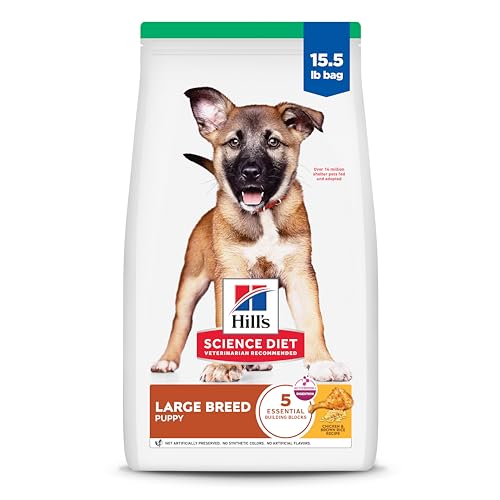
Hill’s Science Diet Puppy Large Breed Chicken and Brown Rice is presented as a food for growing large-breed puppies. Its product details emphasize balanced minerals for growing bones and teeth, DHA from fish oil or marine algae oil depending on the current package, and protein for muscle development. The listing also describes prebiotic fiber and antioxidants. This makes the formula relevant to compare for a Cane Corso puppy, but you should verify the exact bag because product pages may combine package variations. Look for the nutritional adequacy statement and ensure it covers growth of large-size dogs before using it as the primary diet.
A useful feature is the package’s focus on controlled bone development rather than simply promoting rapid growth. Large puppies need measured meals and steady development. Use the feeding table as a starting place, then track body condition and ask your veterinarian whether portions need adjustment. The chicken-and-rice recipe may fit a puppy that eats those ingredients comfortably. If you are comparing formulas, check calories per cup and the recommended age range alongside the ingredient list.
No product listing can determine an individual puppy’s ideal ration without age, current weight, body condition, and health history. Avoid adding calcium or vitamin supplements unless your veterinarian specifically recommends them. Over-supplementing a complete growth diet may be inappropriate. The product’s listed features should be treated as label details, not a guarantee against joint problems or a substitute for veterinary assessment. This is a strong option to evaluate if you want a large-breed puppy formula with stated mineral and DHA features. Choose another recipe if your veterinarian has advised a different protein or nutrient plan.
My Recommendation
Hill’s is worth comparing if you prioritize a large-breed growth formula with stated mineral and DHA features. Check the current package for the large-size growth statement and let your veterinarian help set the amount. A gradual transition can help reveal tolerance.
6. IAMS Proactive Health Large Breed Puppy Chicken

What We Like
- Chicken listed as the first ingredient
- DHA for cognitive and vision development
- Calcium feature for bones and joints
- Vitamin E and selenium listed
What We Don’t Like
- Chicken-centered recipe
- Large bag needs careful freshness storage
IAMS Proactive Health Large Breed Puppy is a chicken-based dry food made for large-breed puppies. The listing identifies chicken as the first ingredient and describes omega-3 DHA for cognitive and vision development. It also lists calcium levels intended to support bones and joints, plus vitamin E and selenium. These details make it a relevant option for a Cane Corso puppy owner comparing standard large-breed growth foods. Confirm the complete-and-balanced statement on the bag and check whether it specifically includes growth of large-size dogs. The Amazon product details verify the item identity, but the package is the best source for current feeding and adequacy information.
The formula may be convenient for a puppy that tolerates chicken and eats dry kibble consistently. Use the feeding directions as an initial guide rather than a fixed prescription. Record your puppy’s weight and body condition and discuss changes with your veterinarian. The developmental features listed on the package can help you compare foods, but they do not mean that every puppy needs added supplements. Keep treats measured so meals remain the main source of balanced nutrients.
This is not a breed-specific recipe, and it may not fit a puppy that needs a different protein or a veterinarian-prescribed food. Do not assume that a chicken-free diet is necessary without professional evaluation. If your puppy has recurring skin, ear, or digestive symptoms, your veterinarian can help decide whether diet testing is appropriate. Also check the current calorie content and age guidance as your dog matures. The best use for this product is as one label-supported large-breed puppy candidate in a careful comparison, not as a guaranteed solution for any health concern.
My Recommendation
IAMS offers a chicken-first large-breed puppy formula with DHA and mineral features to review. It may suit a puppy that tolerates chicken, provided the current package confirms large-size growth and your veterinarian agrees with the feeding plan. Watch intake closely as your puppy grows.
7. Royal Canin Giant Puppy

What We Like
- Giant-puppy life-stage targeting
- Listed for puppies 2 to 8 months
- Digestive and immune support features
- Specific next-stage transition guidance
What We Don’t Like
- Age window is narrower than some formulas
- Listed for expected adult weight above 100 pounds
Royal Canin Giant Puppy is a dry food intended for extra-large puppies. The listing describes it for puppies from 2 to 8 months old with an expected adult weight over 100 pounds. It also identifies crunchy kibble, antioxidants, prebiotics, and proteins for digestive support. This targeted age and size range may be relevant for some Cane Corsos, but breed averages do not determine an individual dog’s adult weight. Check with your veterinarian and compare your puppy’s expected adult size with the current package criteria. The formula’s listed transition to a junior food is another detail to review as your puppy approaches the next growth stage.
A giant-breed formula can make life-stage comparison more specific than choosing a general adult food. The product details mention energy needs during growth and immune support, though these features are not a promise of disease prevention. Follow the package’s feeding instructions and monitor your puppy’s body condition. If your puppy is older than the listed window, ask whether a junior formula or another large-breed growth food is more appropriate. Store food securely and transition gradually when changing stages unless your veterinarian recommends otherwise.
The main limitation is that the listing’s intended adult weight threshold may not fit every Cane Corso puppy. The product is not a universal breed recommendation. Confirm that your puppy matches the age and expected-size guidance on the current package, and ask your veterinarian to review the nutritional adequacy statement. If your puppy has a health condition or a special diet, follow the clinic’s plan. This option is most useful for owners whose young puppy falls within the giant-breed criteria and who want a defined early-growth product and transition path.
My Recommendation
Consider Royal Canin Giant Puppy only when your puppy fits its listed age and expected-size criteria. It gives you a clear giant-breed comparison, but the package and your veterinarian should guide both feeding and the later transition. Review the adult transition timing before switching.
How to Choose the Best Dog Food for Cane Corso Puppy
Start with life stage and the nutritional adequacy statement. A puppy needs food formulated for growth, and a Cane Corso may reach a large adult size. Look for a statement that covers growth of large-size dogs, when appropriate. AAFCO does not approve individual foods. The label tells you whether the manufacturer substantiates nutritional adequacy through a nutrient profile or feeding trial. Compare that statement before weighing marketing claims or ingredient order.
Choose steady growth over fast growth
Large-breed puppies benefit from measured meals and monitored growth. Avoid free-choice feeding unless your veterinarian advises otherwise. Use package directions as a starting estimate, then weigh your puppy regularly and assess body condition. Ask your veterinarian to adjust portions if your puppy gains too quickly, loses weight, or seems persistently hungry. Do not add calcium or vitamin supplements to a complete puppy diet without veterinary direction. More is not automatically better for developing bones.
Compare protein sources and calories
Check the calorie content per cup, named protein sources, and feeding amount. A food with more calories may require a smaller serving, while a lower calorie density may require a larger volume. Neither is automatically best. Consider what your puppy already eats and whether a change is needed. If symptoms such as recurring itching, ear inflammation, vomiting, or diarrhea persist, talk with your veterinarian before trying multiple new proteins. A supervised elimination diet has specific rules and is different from informal food hopping.
Plan meals and transitions
Feed measured meals on a consistent schedule and keep fresh water available. Divide the daily amount into meals suited to your puppy’s age and routine. Reduce meal portions if you use many training treats, so treats do not crowd out complete food. When changing diets, ask your veterinarian whether a gradual transition is appropriate, especially if your puppy has a sensitive stomach or a medical condition. For additional large-breed context, read our guide to dog food options for Golden Retrievers. Compare labels, measure portions, and bring the current food bag or a clear label photo to veterinary visits.
Use your puppy’s current food and routine as context when comparing options. If the puppy is thriving, a change may not be necessary simply because another bag makes a new claim. When a switch is needed, write down the current food, daily amount, treats, stool quality, and weight trend. Share that record with your veterinarian. This makes it easier to see whether a change is helping or creating a new problem. Choose a storage container that keeps the bag sealed, and use the product before its freshness declines. Keep water available during meals and throughout the day.
FAQs
What should I look for in food for a Cane Corso puppy?
Choose a complete growth food whose current label covers large-size puppy growth when appropriate. Compare calories and feeding directions with your veterinarian.
Can I feed a Cane Corso puppy adult dog food?
Puppies need growth nutrition. Use a food labeled for the correct life stage unless your veterinarian recommends a different diet.
Should I add calcium to my Cane Corso puppy’s food?
Do not add calcium to a complete growth diet unless your veterinarian directs you to. Excess supplementation can be inappropriate for growing puppies.
How much should a Cane Corso puppy eat?
Start with the package feeding chart, then adjust for age, weight trend, body condition, treats, and activity with veterinary guidance.
When should a Cane Corso switch from puppy food?
Timing depends on growth, expected adult size, and the specific formula. Ask your veterinarian when to transition to an adult or junior diet.
Final Verdict
The best dog food for a Cane Corso puppy is a complete growth formula that matches the puppy’s size, age, and health needs. Diamond Naturals, Purina ONE, Purina Pro Plan, Hill’s, IAMS, and the listed giant-breed options provide different features to compare. Read the current package rather than relying on product names alone. Track body condition and ask your veterinarian to guide portions, supplements, and diet changes.
For Related Reading
If you are comparing growth diets across large breeds, see our Rottweiler puppy food guide, Doberman puppy food roundup, and Golden Retriever food comparison.
As an Amazon Associate, PetAdvisorPro earns from qualifying purchases. PetAdvisorPro is a participant in the Amazon Services LLC Associates Program, an affiliate advertising program designed to provide a means for sites to earn advertising fees by advertising and linking to Amazon.com.









