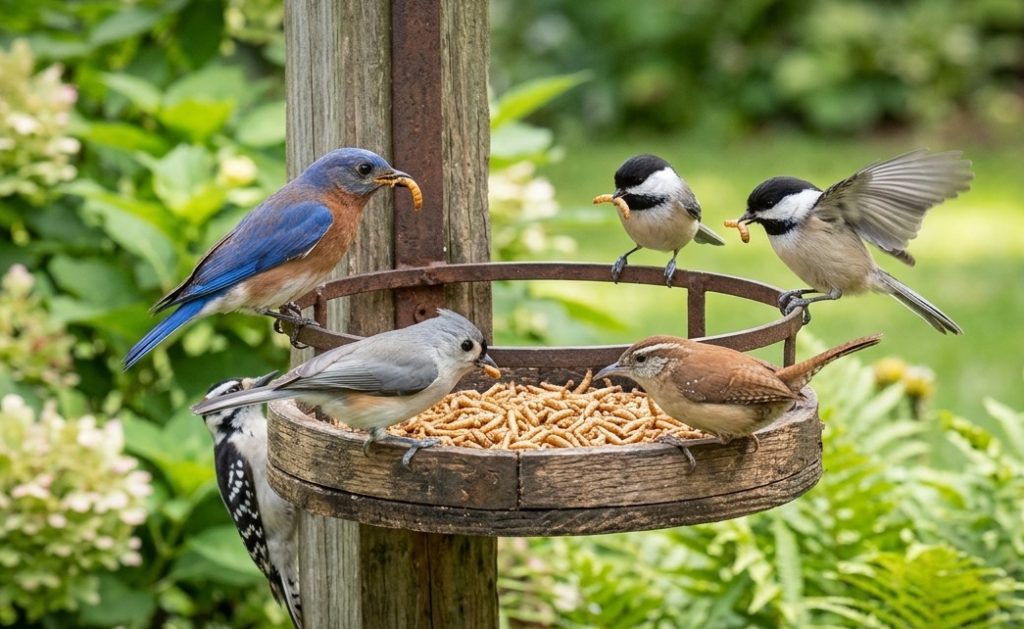
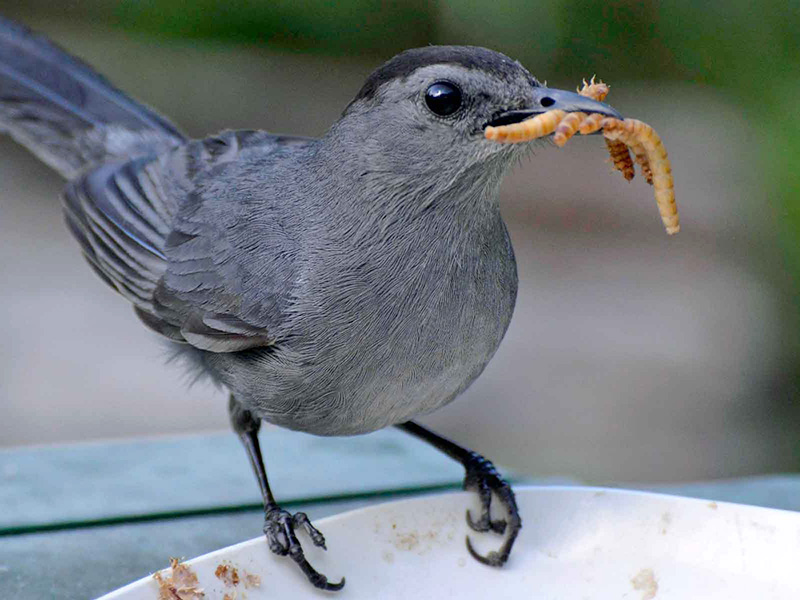
Many backyard and wild songbirds readily eat mealworms as a rich protein snack.
As an avian nutrition expert and long-time backyard birder, I’ll walk you through what birds eat mealworms, why they seek them, which species prefer them, and how to offer mealworms safely. This guide combines field experience, practical tips, and research-backed advice so you can feed birds responsibly and attract healthy visitors to your yard.
Why birds eat mealworms and what makes them valuable
Mealworms are a concentrated protein and fat source. They are easy to digest and fuel high-energy needs like breeding, molting, and migration. Knowing what birds eat mealworms helps you match feeders, timing, and portion sizes to bird needs.
Mealworm nutrition at a glance:
- Protein content: High, supporting muscle and chick growth.
- Fat content: Provides quick energy for cold days and breeding.
- Size and texture: Soft enough for chicks and adult songbirds to handle.
Common reasons birds eat mealworms:
- Feeding nestlings: Many species need protein-rich foods for chicks.
- Attracting insectivores: Birds that normally catch insects respond quickly.
- Seasonal energy boosts: Early spring and late fall increase demand.
PAA-style questions
What birds eat mealworms during nesting season?
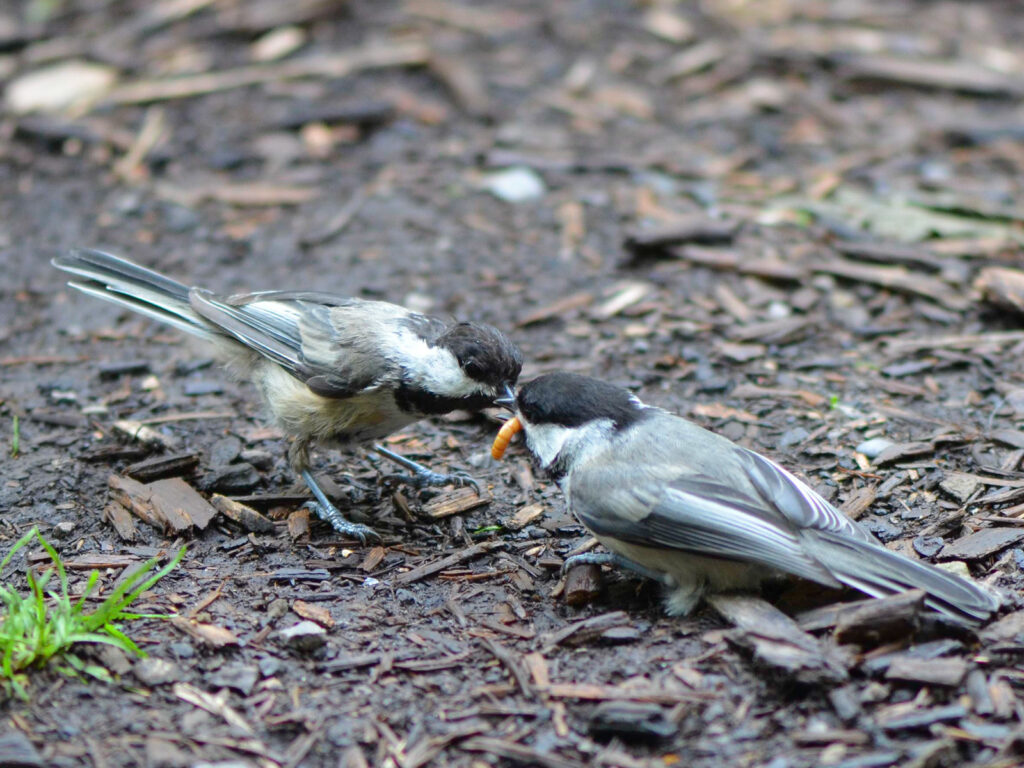
- In nesting season, cavity-nesters and open-cup nesters often take mealworms to feed young. Mealworms speed growth and improve chick survival.
Are mealworms good for migrating birds?
- Yes. Migrating birds use mealworms as a calorie-dense snack to refuel before and after long flights.
Source: ourhabitatgarden.org
Common bird species that eat mealworms
Many backyard and wild species regularly eat mealworms. Below are species that commonly accept live or dried mealworms.
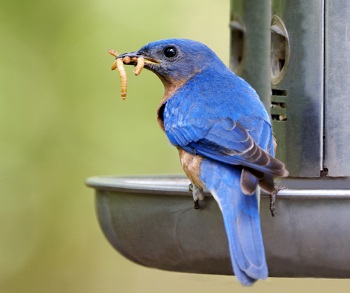
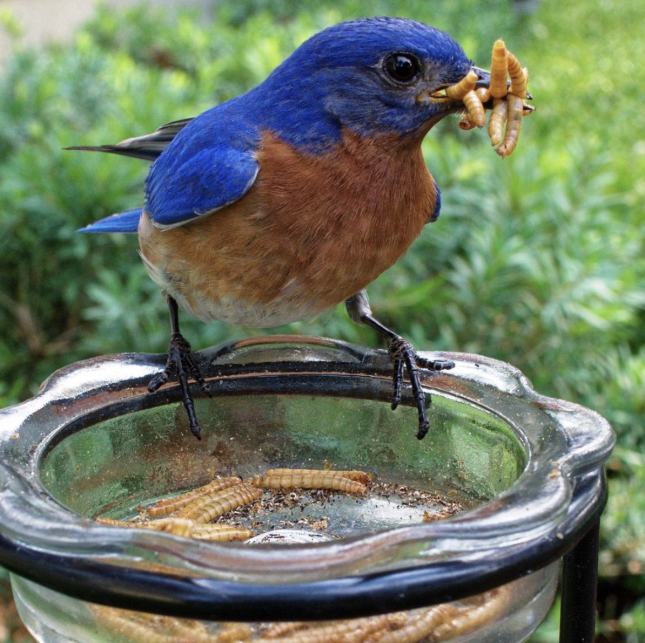
- Bluebirds: A top mealworm feeder; excellent for nesting pairs.
- Robins: Take mealworms from ground trays and feeders.
- Wrens: Active insectivores that relish mealworms.
- Chickadees: Small, agile feeders that carry mealworms to nests.
- Titmice: Similar to chickadees, they use mealworms for chicks.
- Nuthatches: Feed on mealworms at feeders and tree trunks.
- Sparrows: Some species accept mealworms, especially during breeding.
- Starlings and blackbirds: Opportunistic feeders that will eat mealworms.
- Woodpeckers: Larger species may take larger or dried mealworms.
- Thrushes: Many thrush species will take mealworms from the ground.
How bird size affects preference:
- Small songbirds prefer live or soft dried mealworms.
- Larger birds can handle whole live mealworms or larger dried pieces.
- Ground-feeding birds like robins and thrushes take mealworms from trays more readily.
Source: countryvisionscoop.com
How to offer mealworms safely to birds
Feeding mealworms correctly improves bird health and reduces risk. Follow these practical steps.
Choose live or dried:
- Live mealworms: Best for attracting insectivores and for nestling feeding. Offer in shallow dishes or platform feeders.
- Dried mealworms: Store longer and are cleaner. Rehydrate slightly for chicks if needed.
Feeder setup:
- Use shallow trays, platform feeders, or dish attachments on pole feeders.
- Place feeders at a safe height and away from dense cover where predators hide.
- Keep some feeders near trees or shrubs so birds can escape quickly.
Hygiene and frequency:
- Replace soiled mealworms daily.
- Clean dishes weekly with hot water. Avoid harsh chemicals that leave residue.
- Offer mealworms in small amounts during peak activity times, such as morning and late afternoon.
Quantity tips:
- Small songbirds: Offer a few to a dozen mealworms per day per pair during nesting.
- Larger groups or mixed flocks: Refill often in small batches to avoid spoilage.
- Avoid overfeeding to reduce dependency.
Source: wbu.com
Benefits and risks of feeding mealworms
Feeding mealworms brings clear benefits but also carries responsibilities. Understand both sides before you start.
Benefits:
- Supports chick growth and reproductive success.
- Attracts a wider range of insectivorous species to your yard.
- Provides energy in cold weather or during migration.
Risks and limitations:
- Disease spread if feeders are not cleaned.
- Pest attraction, such as rodents, if feeders are left dirty.
- Over-reliance: Birds may prefer feeders over natural foraging if overfed.
Risk mitigation:
- Rotate feeder locations if pests appear.
- Use baffles or predator guards to limit access by mammals.
- Offer mealworms as a supplement, not a sole food source.
Good handling keeps mealworms healthy and safe for birds. These steps help you buy and store mealworms wisely.
Buying:
- Choose reputable suppliers for live mealworms with good care guidelines.
- Buy dried mealworms from bird-care brands with clear processing info.
- For nestling feeding, prefer live or properly rehydrated dried mealworms.
Storing live mealworms:
- Keep them cool (40–50°F) to slow growth and extend shelf life.
- Provide bedding like oats and add carrot slices for moisture.
- Avoid freezing live mealworms unless you plan to use them as frozen feed later.
Storing dried mealworms:
- Keep in airtight containers in a cool, dry place.
- Use within manufacturer’s recommended time to avoid rancidity.
Preparing mealworms:
- For chicks, lightly moisten dried mealworms or serve live ones.
- For adult birds, present as-is on a shallow tray or in a feeder.
Source: ourhabitatgarden.org
Personal experience and practical tips from the field
I have fed mealworms for more than a decade in urban and rural yards. I learned several lessons that saved time and helped birds thrive.
What worked best:
- A shallow tray near nesting boxes attracted bluebirds and chickadees quickly.
- Offering mealworms in early spring led to more nesting visits and higher fledging rates.
- Mixing live and dried mealworms kept feeders active without spoilage.
Common mistakes I made:
- Leaving too many mealworms out at once attracted mice. I now use small daily portions.
- Neglecting dish cleaning led to mold. I clean trays every few days in warm weather.
- Over-relying on mealworms during insect-rich months reduced natural foraging. I limit feeding during peak insect availability.
Practical tips:
- Introduce mealworms gradually to avoid dependency.
- Observe visiting species and adjust portion sizes accordingly.
- Keep a simple log of feeder activity to track which birds take mealworms and when.
Frequently Asked Questions of what birds eat mealworms
Which birds are most likely to eat mealworms?
Many insectivorous songbirds like bluebirds, robins, wrens, chickadees, and titmice commonly eat mealworms. Larger opportunistic birds such as starlings and blackbirds will also take them when offered.
Can baby birds eat mealworms?
Yes, many species feed mealworms to chicks because of the high protein content, but ensure mealworms are soft or properly prepared for very small nestlings. Always match mealworm size and texture to chick age and species.
Are live mealworms better than dried ones?
Live mealworms are more attractive to many insectivores and are ideal for feeding nestlings, while dried mealworms are convenient, less messy, and store longer. Choose based on bird preferences, storage needs, and hygiene.
How often should I feed mealworms to backyard birds?
Offer mealworms as a supplement during nesting, cold weather, or migration, and provide small, frequent portions to avoid spoilage. Daily fresh offerings work best during high-demand periods.
Do mealworms attract pests?
If left unattended or in large amounts, mealworms can attract rodents and ants. Reduce this risk by using shallow trays, cleaning regularly, and limiting portions to what birds consume each day.
Conclusion
Feeding mealworms can boost bird health, attract diverse species, and support breeding success when done responsibly. Focus on safe presentation, cleanliness, and moderation to provide a helpful protein source without creating dependency or pest problems. Try offering mealworms for a season, observe how birds respond, and adjust approach based on species and timing. If you found this guide useful, subscribe for more bird-feeding tips or leave a comment describing which birds in your yard love mealworms.