Owning an African Pygmy hedgehog is a rewarding journey filled with midnight wheel-running, tiny snuffles, and an undeniable appreciation for mealworms. Having shared my home with various small mammals and exotic pets over the past fifteen years, I have learned that their unique care requirements demand close attention. These little quilled creatures bring incredible joy, but their digestive systems are surprisingly delicate.
When welcoming a hedgehog into your home, it is natural to want to share treats from your own kitchen. However, assuming that a small mammal can digest human foods or generic rodent treats is a common mistake. Understanding what foods are unsafe for hedgehogs is essential for maintaining your pet’s health, preventing emergency vet visits, and ensuring a long, happy life.
In the wild, hedgehogs are opportunistic insectivores. They spend their nights foraging for beetles, caterpillars, earthworms, and small vertebrates. In a domestic setup, their diet relies on high-quality commercial feeds, carefully chosen protein supplements, and occasional safe produce. However, several common foods can cause severe illness, choking, internal blockages, or organ failure.
Toxic Foods for Hedgehogs: The Immediate Red-Zone Hazards
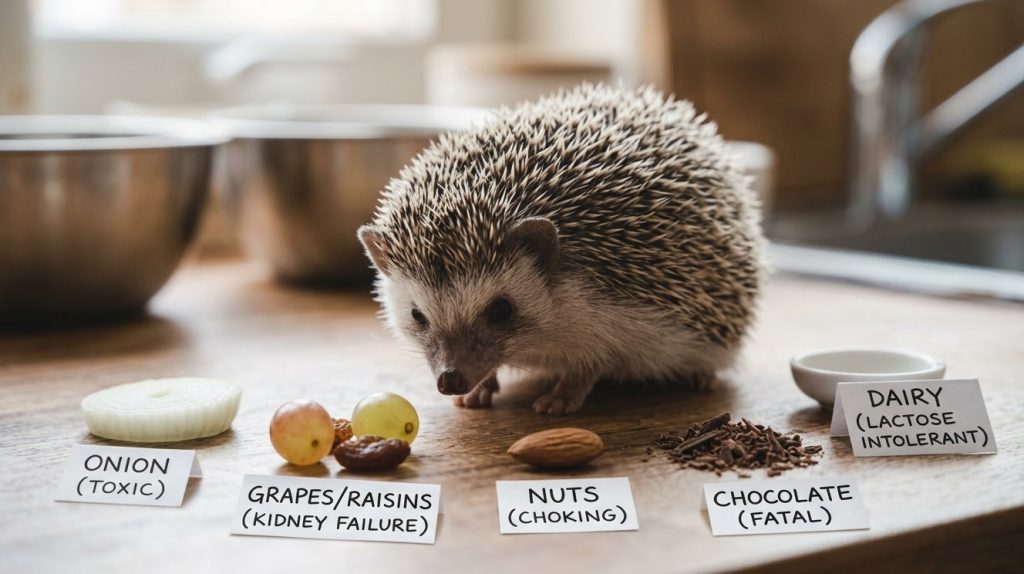
Some human items contain chemical compounds that a hedgehog’s liver and kidneys cannot metabolize. Knowing what foods are unsafe for hedgehogs in this category can help prevent life-threatening accidents.
+-------------------+--------------------------------+-------------------------------------+
| Food Category     | Primary Toxic Component        | Health Risk to Hedgehog             |
+-------------------+--------------------------------+-------------------------------------+
| Grapes & Raisins  | Unknown nephrotoxic agent      | Acute renal/kidney failure          |
| Avocados          | Persin                         | Cardiac distress, severe GI upset  |
| Chocolate & Coffee| Theobromine & Caffeine         | Tremors, seizures, elevated HR      |
| Onions & Garlic   | N-propyl disulfide / Thiosulfate| Oxidative damage, hemolytic anemia  |
+-------------------+--------------------------------+-------------------------------------+
Grapes, Raisins, and Avocados
Grapes and raisins top the list of toxic items for small animals. Even tiny amounts can lead to acute renal (kidney) failure. While veterinary science is still pinpointing the precise compound responsible, clinical evidence clearly shows that grapes cause severe systemic harm.
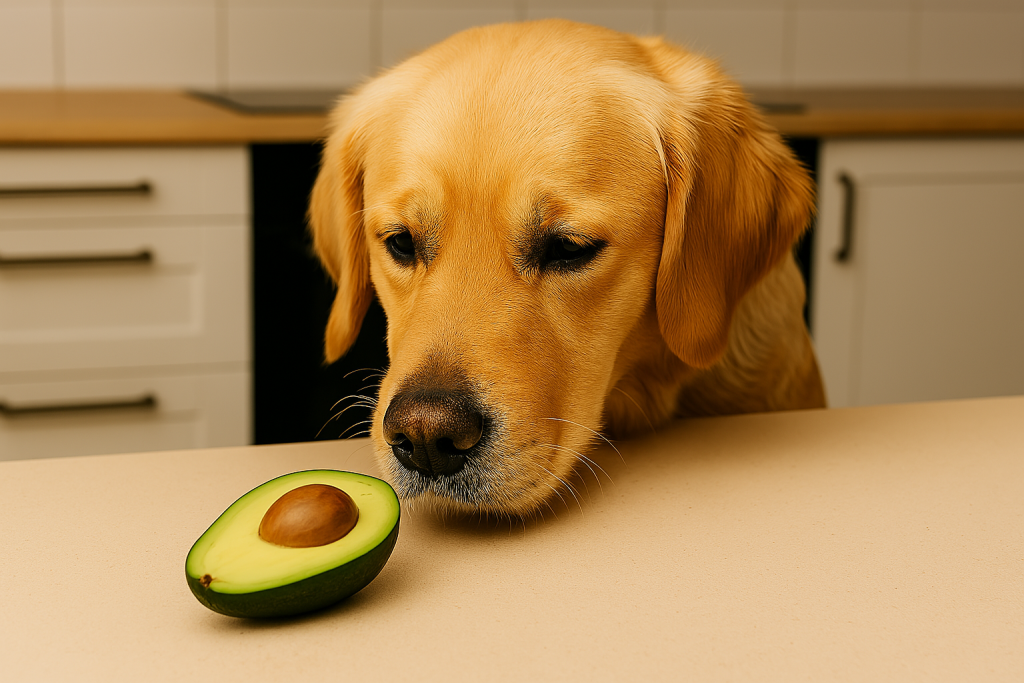
Avocados are equally dangerous. They contain persin, a fungicidal toxin that causes gastrointestinal irritation, breathing difficulties, and fluid accumulation around the heart in small mammals. Avoid all parts of the avocado—including the flesh, skin, and pit.
Chocolate, Caffeine, and Alcohol
It should go without saying, but human stimulants are toxic to small exotic pets.
-
Chocolate: Contains theobromine and caffeine, both of which overload a hedgehog’s cardiovascular system.
-
Caffeine: Coffee beans, tea bags, and energy drinks induce cardiac arrhythmia, muscle tremors, and seizures.
-
Alcohol: A hedgehog’s tiny liver cannot process ethanol; even a microscopic lap of spilled beer or wine can lead to fatal alcohol poisoning.
Onions, Garlic, and Chives
All members of the Allium family contain thiosulfate and N-propyl disulfide. These compounds destroy red blood cells in small animals, leading to Heinz body anemia. Symptoms may take several days to appear, presenting as extreme lethargy, pale gums, and dark-colored urine. Never offer cooked dishes seasoned with onion or garlic powder, as concentrated seasonings carry the same toxicity as fresh vegetables.
Dangerous Choking Hazards & Physical Obstructions
Toxicity is not the only threat to consider when evaluating what foods are unsafe for hedgehogs. Physical properties—such as texture, shape, and stickiness—pose significant risks to their mouths and narrow esophagi.
      [ CAUTION: PHYSICAL HAZARD ZONE ]
                     |
  +------------------+------------------+
  |                                     |
[ Hard/Wedge Hazards ]        [ Sticky/Adhesive Hazards ]
 - Whole Nuts & Seeds          - Peanut Butter
 - Hard Dried Fruit            - Chewy Gummy Treats
 - Raw Root Vegetables         - Melted Marshmallow
  (Roof of mouth jam &          (Jaw lock, pouching issues,
   intestinal blockage)          airway restriction)
Whole Nuts, Hard Seeds, and Uncut Dried Fruits
Hedgehogs lack the specialized teeth required to grind hard materials like almonds, walnuts, or sunflower seeds down safely. When ingested, whole nuts or large seeds can break into sharp, rigid fragments. These fragments frequently become wedged in the roof of the mouth, causing severe oral lesions, or pass into the digestive tract to cause fatal intestinal blockages.
Dried fruits like cranberries or dried apples present a dual threat: they are densely sugary and incredibly tough to chew, making them a common choking hazard.
Sticky and Gummy Foods
Thick peanut butter, almond butter, and gummy treats pose serious swallowing hazards. Hedgehogs lack flexible cheek pouches like hamsters, nor do they possess abundant saliva to break down sticky pastes rapidly. Thick nut butters can coat the palate, lock the jaw, or clog the trachea, causing respiratory distress.
IMO, if a food can stick to the roof of your own mouth for more than ten seconds, keep it far away from your hedgehog’s enclosure!
Best Cat Food For A Hedgehog: From Kibble to Insectivore Diets
Hidden Dietary Pitfalls: Unsafe Foods for Hedgehogs That Seem Harmless
Exotic pet owners often make mistakes with foods that seem healthy on the surface. Identifying what foods are unsafe for hedgehogs requires looking past human dietary norms.
                           +------------------------+
                           |  SEEMINGLY HARMLESS?   |
                           +-----------+------------+
                                       |
           +---------------------------+---------------------------+
           |                                                       |
+----------v----------+                                 +----------v----------+
|  Dairy Products     |                                 |  Raw Meats & Eggs   |
+---------------------+                                 +---------------------+
| - Lactose Intolerant|                                 | - Salmonella risk   |
| - Causes Diarrhea   |                                 | - E. coli exposure  |
| - Severe Dehydration|                                 | - Gut flora disrupt |
+---------------------+                                 +---------------------+
The Dairy Trap: Why Milk and Cheese Trigger Severe Gut Distress
A common misconception popularized by old folklore is that wild hedgehogs enjoy saucers of milk. In reality, hedgehogs are severely lactose intolerant.
They lack the lactase enzyme necessary to process lactose, the primary sugar in milk, cheese, and yogurt. Offering dairy to your quilled friend typically results in:
-
Violent, painful stomach cramping
-
Explosive, malodorous diarrhea
-
Rapid, life-threatening dehydration
While low-fat cottage cheese is occasionally referenced in older care guides as a rare treat, modern exotic veterinary science strongly recommends keeping dairy entirely off the menu to prevent digestive upset.
Raw Meat and Raw Eggs: The Salmonella Risk Factor
While wild hedgehogs consume wild invertebrates, raw supermarket chicken, beef, or unpasteurized eggs are unsafe. Raw poultry and meats frequently harbor bacterial pathogens, including Salmonella and E. coli.
Captive-bred hedgehogs do not possess immune systems equipped to handle high pathogen loads. Always ensure any meat or egg served as a treat is thoroughly cooked, unseasoned, and cooled to room temperature.
Processed Meats and High-Sodium Snacks
Deli meats, sausage, bacon, hot dogs, and canned soups are packed with sodium, nitrates, and artificial preservatives. A hedgehog’s kidneys are small and sensitive to high salt intake. Elevated sodium levels quickly lead to systemic dehydration, kidney stress, and potential electrolyte imbalances.
Evaluating Commercial Hedgehog Food Ingredients
Navigating pet store aisles can be tricky. Many commercial foods labeled “Hedgehog Diet” contain low-quality ingredients that do not support optimal health. Knowing what foods are unsafe for hedgehogs involves reading product labels carefully.
+------------------------------------+------------------------------------+
| AVOID (Low-Quality Fillers)        | SEEK (Optimal Insectivore Profile) |
+------------------------------------+------------------------------------+
| Ground Yellow Corn                 | Deboned Chicken or Turkey Meal     |
| Wheat Middlings & Soy Hulls        | Crude Protein: 30% - 35%           |
| Generic "Animal Digest/By-products"| Crude Fat: 10% - 15%               |
| Artificial Dyes (Red 40, Yellow 5) | High Fiber / Chitin Supplementation|
+------------------------------------+------------------------------------+
Fillers to Avoid
When reviewing hedgehog food ingredients, avoid brands that list corn, wheat, or soy as primary components. Hedgehogs are obligate insectivores/carnivores; their short, simple digestive tracts cannot process complex plant starches efficiently.
Look out for these undesirable additives:
-
Corn gluten meal and wheat middlings: Empty fillers used to artificially bump up protein percentages.
-
BHA, BHT, and Ethoxyquin: Chemical preservatives linked to health issues in small mammals.
-
Artificial dyes: Color additives like Red 40 or Yellow 5 serve no nutritional purpose and can trigger skin allergies.
Choosing Safe Commercial Cat Chow and Insectivore Diets
Because many commercial hedgehog foods are sub-par, exotic vets frequently recommend high-quality, weight-management dry cat foods as a staple diet.
When selecting a commercial kibble, ensure the label matches these targets:
-
Protein: 30% to 35% (derived from named meat sources like chicken or turkey)
-
Fat: 10% to 15% (low fat is critical to prevent hepatic lipidosis and obesity)
-
Fiber: At least 5% to 8% (simulates natural insect chitin)
Signs of Poisoning or Gastrointestinal Distress in Hedgehogs
Even attentive pet parents can experience an accidental ingestion event. Recognizing the warning signs of toxic exposure or intestinal blockages allows you to act quickly.
                             [ WARNING SIGNS ]
                                     |
    +--------------------------------+--------------------------------+
    |                                |                                |
[ Digestive & Excretory ]    [ Neurological & Motor ]     [ Physical & Behavior ]
 - Green, slimy, bloody stool - Hypersalivation/Foaming  - Lethargy / Unresponsiveness
 - Repeated vomiting/retching - Loss of coordination     - Tense, hunched posture
 - Total loss of appetite     - Muscle tremors/Seizures  - Pale or muddy gums
If your hedgehog shows any combination of these symptoms, consider it a medical emergency requiring immediate veterinary attention:
-
Severe Vomiting or Retching: Hedgehogs can throw up, which often signals toxicity or physical obstruction.
-
Green, Mucousy, or Bloody Stool: Indicates severe intestinal irritation, infection, or internal bleeding.
-
Lethargy and Unresponsiveness: Unwillingness to uncurl, lack of interest in high-value treats, or weak responses to handling.
-
Ataxia (Loss of Balance): Wobbly walking, dragging hind legs, or falling over, which can indicate neurological distress from toxins.
-
Hypersalivation or Foaming at the Mouth: Excess drooling paired with distress (distinguish this from normal “self-anointing” behavior, which is calm and purposeful).
Emergency Protocol: What to Do If Your Hedgehog Eats Unsafe Food
If you catch your hedgehog eating an unsafe item, remaining calm and taking systematic action is critical.
When to Visit an Exotic Animal Vet Immediately
Never adopt a “wait and see” approach when dealing with unsafe foods for hedgehogs. Because of their small body mass (typically between 300 to 600 grams), toxins absorb into their bloodstream rapidly, and dehydration from diarrhea can become critical within hours.
Always keep the contact details and address of the nearest 24/7 exotic animal hospital posted near your hedgehog’s enclosure.
Prevention Strategies for a Safe Hedgehog Sanctuary
Preventing access to dangerous items is far simpler than managing a medical emergency. Implementing proper enclosure management keeps your pet safe.
-
Controlled Free-Roaming Time: If you allow your hedgehog to explore a room outside their cage, thoroughly vacuum the carpet first. Small items like dropped nuts, stray chocolate chips, or human medications can easily be ingested during play.
-
Educate Family Members & Housemates: Ensure everyone in your household understands what foods are unsafe for hedgehogs. Post a clear list of safe vs. unsafe foods near the habitat.
-
Proper Treat Storage: Store live feeder insects (like gut-loaded mealworms or dubia roaches) and dry treats in sealed, bite-proof containers outside the hedgehog’s reach.
-
Inspect Foraging Toys Daily: If you use snuffle mats or puzzle feeders to encourage natural foraging behaviors, inspect them daily to ensure no decaying food particles or non-food fibers are consumed.
Frequently Asked Questions (FAQ)
1. Can hedgehogs eat apples or bananas safely?
Yes, in strict moderation. You can offer a tiny, pea-sized portion of skinless, seedless apple or banana once or twice a week as a treat. However, because fruits are high in natural sugars, overfeeding them can lead to obesity and dental issues. Always remove seeds, as apple seeds contain trace amounts of cyanide.
2. Are commercial treats made for hamsters safe for hedgehogs?
No, most hamster treats are unsafe for hedgehogs. Rodent treats typically contain whole seeds, dried corn, nuts, and honey—all of which pose choking risks, digestive issues, or excessive fat levels for an insectivore. Stick to treats formulated specifically for insectivores, or offer plain, cooked chicken and live mealworms instead.
3. Why can’t hedgehogs process milk if wild ones drink leftover pet food?
Wild European hedgehogs may lap up pet food or milk left outside by well-meaning humans, but they suffer the consequences later. They lack the lactase enzyme necessary to break down lactose. Drinking milk leads to severe diarrhea and dehydration in both wild and domestic hedgehogs.
4. What insects are safe, and can I feed wild bugs from my yard?
Safe insects include commercially raised mealworms, dubia roaches, crickets, and waxworms obtained from reputable pet supply stores. Never feed wild-caught insects from your yard or garden. Wild bugs often harbor internal parasites or carry toxic chemical residues from lawn pesticides and fertilizers.
5. How much high-quality cat food should a pet hedgehog eat daily?
An adult pet hedgehog generally requires 1 to 2 tablespoons of high-quality dry cat food per day as their main diet, supplemented by 1 to 2 teaspoons of insects and safe fresh produce. Monitor your hedgehog’s weight weekly with a digital kitchen scale; if they begin gaining excess weight, adjust their portion size accordingly to prevent obesity.
Final Words on Protecting Your Quilled Companion
Caring for an African Pygmy hedgehog requires attention to detail, especially when managing their daily menu. By removing high-risk hazards—such as grapes, avocados, dairy products, hard nuts, and low-quality commercial feeds containing harmful fillers—you protect your pet from painful digestive distress and avoidable emergency vet visits.
Focus on building a balanced diet centered around a premium, low-fat cat kibble or dedicated insectivore feed, supplemented with farm-raised feeder insects and the occasional safe piece of cooked meat or produce. When in doubt about a new food item, skip it until you can consult your exotic veterinarian.
Your quilled friend relies entirely on your choices—keeping their bowl filled with safe, wholesome ingredients is one of the best ways to show your love! 🙂