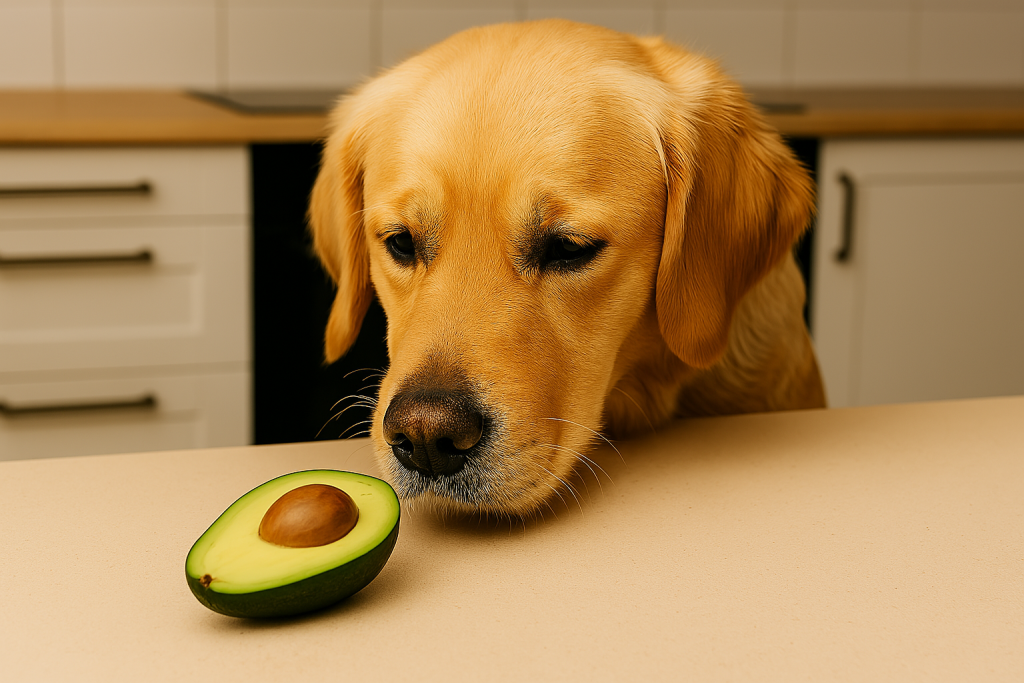

Having shared my home with three retrievers, a vocal Beagle, and two stubborn rescues over the past 15 years, I have cleaned up my fair share of mysterious counter-top raids. Once, my golden retriever managed to swipe a whole peach from the dining table. After a panic-driven call to my vet, I realized just how confusing the fruit aisle can be for pet parents.
We love sharing our snacks with our four-legged family members. However, standing in the kitchen wondering, what fruits can dogs eat? is a situation every responsible owner faces. While fresh produce offers vitamins, fiber, and hydration, dog digestive systems differ significantly from ours. Not every natural treat is a safe treat.
In this guide, I will share years of practical experience, vet-backed advice, and a clear breakdown of safe vs. dangerous treats so you never have to guess again.
Why Share Fruit with Your Dog?
Before handing over a slice of your morning snack, it helps to understand the physical impact of fruit on a canine system.
Dogs are opportunistic carnivores. They derive their core primary nutrition from protein and healthy fats. However, whole fruits can serve as low-calorie, high-reward treats during training or warm summer afternoons.
Benefits of Fresh Fruit Treats
-
Hydration Boost: Fruits like watermelon contain over 90% water, making them ideal after a game of fetch.
-
Vitamins and Antioxidants: Natural Vitamin C, Vitamin A, and antioxidants support immune health and joint mobility in aging dogs.
-
Low-Calorie Rewards: Replacing heavy, processed store-bought biscuits with small fruit slices keeps your pup’s waistline in check.
What Fruits Can Dogs Eat? Safe and Healthy Everyday Snacks
When asking what fruits can dogs eat?, starting with the safest, most accessible options found in your local US grocery store is your best bet.
+----------------+-------------------------------+-----------------------------------+
| Fruit          | Preparation Rule              | Key Health Benefit                |
+----------------+-------------------------------+-----------------------------------+
| Apples         | Remove core and all seeds     | High fiber, Vitamins A & C        |
| Blueberries    | Serve fresh or frozen whole   | Packed with antioxidants          |
| Bananas        | Peel fully; serve in moderation| Rich in potassium & magnesium    |
| Watermelon     | Remove rind and seeds         | High hydration, Vitamins A, B6, C |
| Strawberries   | Wash & chop into bites        | Contains teeth-whitening enzyme   |
+----------------+-------------------------------+-----------------------------------+
1. Apples (Core and Seeds Removed)
Apples provide a satisfying crunch that most dogs adore. They are high in Vitamin C and dietary fiber. However, never give your dog an apple core. Apple seeds contain trace amounts of cyanide, which can accumulate if consumed regularly.
2. Blueberries
Blueberries are an absolute powerhouse. During high-intensity agility training with my rescue, these served as low-calorie rewards. They require zero peeling; just wash and serve.
3. Bananas
Bananas are full of potassium, but they also carry a high sugar payload. IMO, bananas work best when mashed into a chew toy and frozen for a long-lasting distraction.
4. Watermelon
Watermelon is a summer staple. Always remove the thick green rind and seeds first, as both can cause painful intestinal blockages.
Exploring Exotic Produce: Can Dogs Eat Guava Fruit?
As pet owners explore exotic produce, questions naturally shift to lesser-known tropical options. A common query I receive from readers is: can dogs eat guava fruit?
The short answer is yes, but with strict preparation steps.
When asking is guava safe for dogs, the flesh of a ripe guava is non-toxic and loaded with Vitamin C, potassium, and soluble fiber. However, tropical fruits require extra care compared to your standard supermarket apple.
Guava Safety Breakdown: Seeds, Skin, and Flesh
If you are wondering what fruits can dogs eat when shopping in the tropical section, guava can be offered, provided you follow these safety rules:
Guava Preparation Steps for Dogs
 ├── Step 1: Peel away the entire tough outer skin.
 ├── Step 2: Slice the fruit in half.
 ├── Step 3: Scoop out and discard all interior seeds.
 └── Step 4: Cut the remaining flesh into small bite-sized cubes.
The Hazards of Guava Seeds for Dogs
Dealing with guava seeds can get tricky for dogs. Guava seeds are extremely hard, dense, and difficult to chew.
-
Choking Hazard: Small dogs can choke on the clumped seed center.
-
Digestive Blockage: Seeds can irritate the lining of the stomach or cause physical blockages in the intestines.
-
Toxicity Concerns: Similar to apple seeds, guava seeds carry minute amounts of cyanogenic glycosides. Always scoop out the seedy center before offering a piece.
Managing Guava Skin for Dogs
The outer rind presents another issue when evaluating guava skin dogs.
While human stomachs can process the fibrous peel, canine digestive tracts struggle with it. Feeding raw skin can lead to vomiting, severe indigestion, or diarrhea. Always peel the fruit completely.
Toxic Fruits You Should Never Feed Your Dog
Knowing what fruits can dogs eat? is only half the battle; knowing which ones send you straight to the emergency clinic is critical.
+-------------------+-----------------------------------+-------------------------------------+
| Toxic Fruit       | Dangerous Component               | Primary Risk                        |
+-------------------+-----------------------------------+-------------------------------------+
| Grapes & Raisins  | Tartaric acid (unknown threshold) | Acute renal (kidney) failure        |
| Cherries          | Cyanide in pits, stems, & leaves  | Respiratory distress, cell toxicity |
| Avocados          | Persin in pit, skin, & leaves     | Myocardial damage & blockage        |
| Tomatoes (Green)  | Solanine in green stem/unripe fruit| Gastrointestinal & heart distress   |
+-------------------+-----------------------------------+-------------------------------------+
-
Grapes and Raisins: Toxic to all dog breeds regardless of size. Even small amounts can cause sudden kidney failure.
-
Cherries: The pits contain cyanide and present severe choking risks.
-
Avocados: While the flesh has healthy fats, the skin and stone pit contain persin, which causes vomiting and diarrhea in canines.
Definition, Signs, and Impact of Fruit Intolerance
Even when research confirms what fruits can dogs eat, individual dogs react differently to new items.
Signs of Fruit Intolerance
If your dog gets into fruit they shouldn’t—or overindulges—watch for these common warning signs:
-
Gastrointestinal Distress: Excessive gas, abdominal bloating, or loud stomach gurgling.
-
Vomiting or Diarrhea: The body’s immediate attempt to purge excess sugar or difficult-to-digest fibers.
-
Lethargy: A sudden drop in energy levels after a dietary mistake.
-
Allergic Reactions: Facial itching, hives, or inflamed paw pads (rare, but possible).
The Impact of Sugar Content
Fruits contain natural sugars (fructose). Overfeeding fruit can spike your dog’s blood glucose, cause long-term weight gain, and disrupt the natural gut microbiome.
Reasons, Solutions, and Treatment for Upset Stomach
Why does fresh fruit sometimes upset a dog’s stomach? Canines short, acidic digestive tracts process proteins efficiently, but they lack the heavy amylase production needed to break down high amounts of plant sugars and tough cellulose.
Immediate Action Plan If Distress Occurs
-
Remove Access: Secure all remaining fruit, trash cans, and counter spaces immediately.
-
Hydration First: Ensure your pup has access to fresh, clean water to prevent dehydration from loose stool.
-
Bland Diet Transition: Fast your dog for 12 hours (under vet guidance), then introduce boiled white meat chicken and plain white rice in small portions.
-
Probiotic Support: Add a vet-approved canine probiotic to restore gut balance.
Prevention: Safe Preparation Protocols for Pet Parents
If you want to feed fruit safely while minimizing health risks, follow this 4-step preparation routine:
Standard Prep Protocol
 [Wash Thoroughly] ➔ [Peel & De-Seed] ➔ [Chop to Bite Size] ➔ [Portion Control]
-
Wash Thoroughly: Remove lingering pesticides, waxes, and agricultural residues from the skin.
-
Peel and De-Seed: Always remove rinds, pits, skins, and internal seeds (especially when handling guava, apples, peaches, and watermelons).
-
Chop into Small Morsels: Slice fruit into bite-sized cubes matching your dog’s size to eliminate choking hazards.
-
Follow the 10% Rule: Treats—including healthy fresh fruit—should never exceed 10% of your dog’s total daily caloric intake.
When to Visit a Veterinarian
While minor loose stool from eating an extra piece of banana usually resolves itself within 24 hours, certain symptoms require professional intervention.
Contact your veterinarian immediately if you observe:
-
Ingestion of known toxic fruits (grapes, raisins, or large cherry pits).
-
Persistent vomiting or diarrhea lasting longer than 24 hours.
-
Severe lethargy, disorientation, or signs of abdominal pain (whining, guarding the belly).
-
Suspected bowel obstruction (straining to poop, unproductive retching, or loss of appetite).
Frequently Asked Questions (FAQs)
1. What fruits can dogs eat safely on a daily basis?
Fruits like blueberries, small apple slices (without seeds), and watermelon chunks can be given daily in tiny quantities as training rewards, provided they fit within your dog’s daily 10% treat allowance.
2. Can dogs eat guava fruit skin or seeds?
No. You should never feed your dog guava seeds or skin. The skin is tough to digest and causes stomach pain, while the seeds present choking hazards, potential blockages, and trace toxicity concerns.
3. How much fruit should I feed my dog?
Fruit should be viewed as an occasional treat. For a small dog, one or two tiny bites are plenty. Larger dogs can enjoy a few small chunks. Always start with a single bite to test their stomach tolerance.
4. What should I do if my dog eats a grape?
Treat grape or raisin ingestion as an immediate emergency. Contact your local emergency vet clinic or the ASPCA Animal Poison Control Center immediately, as prompt treatment is crucial to prevent kidney damage.
5. Can puppies eat the same fruits as adult dogs?
Yes, puppies can eat safe fruits like blueberries and bananas, but their digestive systems are far more sensitive. Introduce single, bite-sized pieces very slowly to avoid severe digestive upset.
Final Words
Figuring out what fruits can dogs eat? doesn’t have to feel like a chemistry exam. Stick to safe classics like blueberries, apples, and watermelon, and always take extra prep precautions when serving tropical treats like guava. Peel the skin, remove every seed, chop into small bites, and keep portions modest.
Your dog relies on you to make the right dietary calls. Keep your kitchen prep clean, monitor their reactions, and when in doubt, consult your vet before offering a new food 🙂