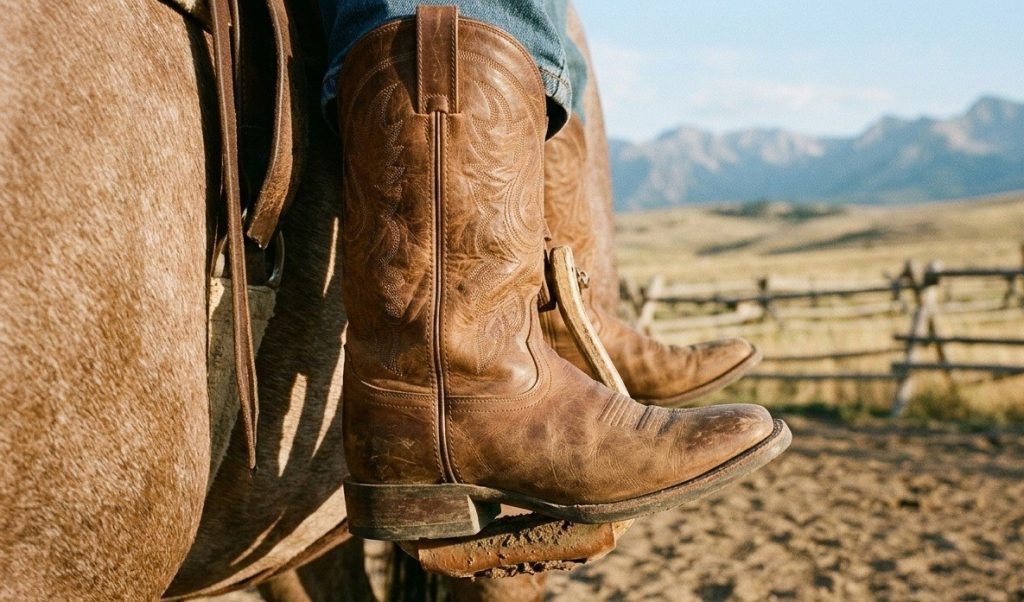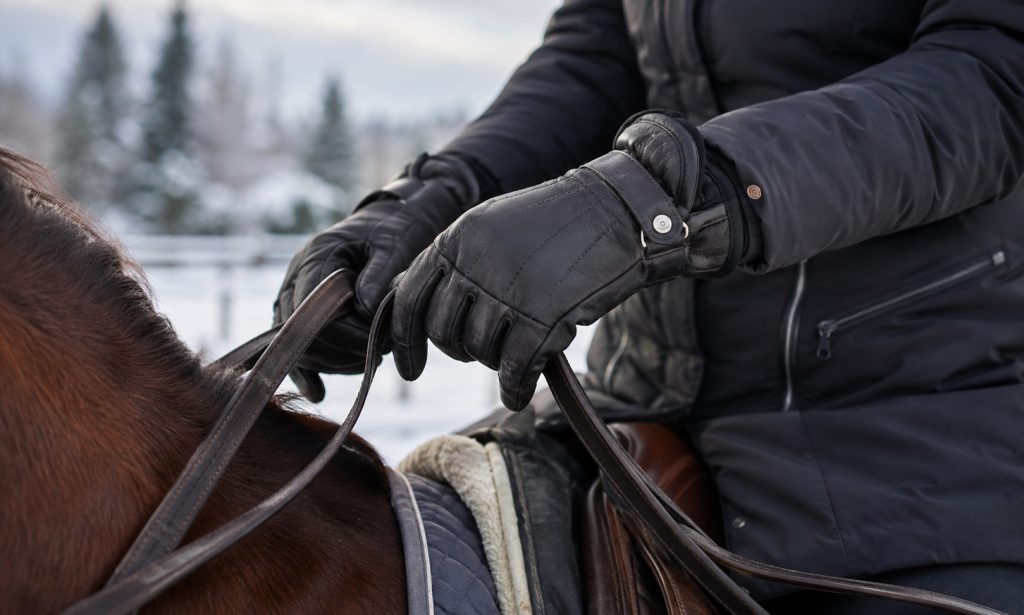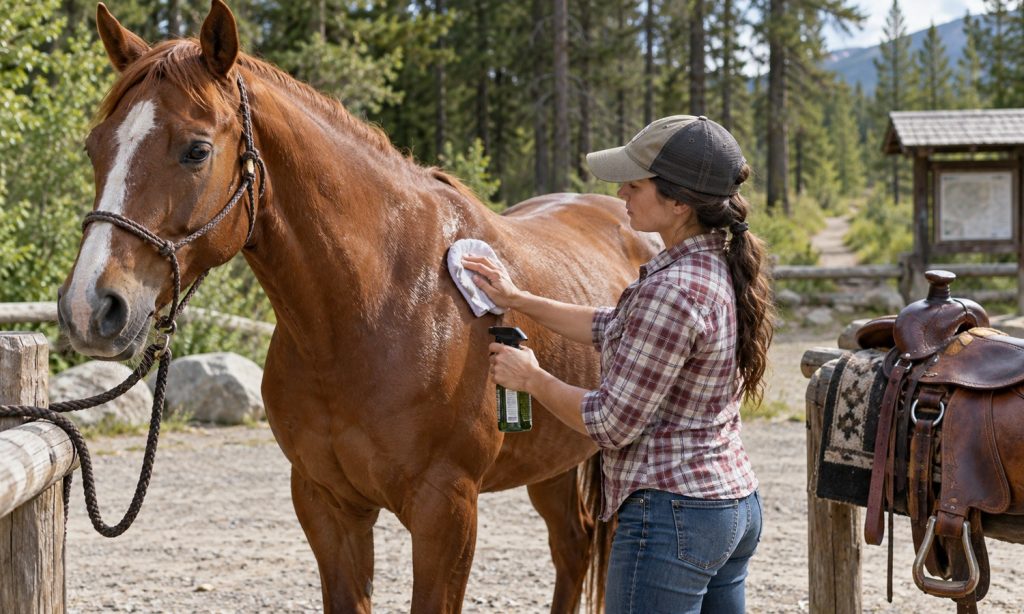
How to choose the right fly spray for trail riding begins with matching the product to your horse’s route, handling needs, and riding conditions. A product that works in a quiet paddock may not be convenient on a ride, and sweat or rain can affect how long protection lasts. Start by confirming that the exact product is labeled for horses and reviewing its application rate, reapplication interval, riding restrictions, and precautions. Consider how your horse responds to spray noise, whether you can apply it safely before departure, and what the label says about wiping it onto sensitive areas. This guide helps you compare format, coverage, handling, and ride-day logistics without assuming that every formula or application schedule is interchangeable. Preparation can make the experience calmer for horse and rider.
Start with the trail conditions
Think about the ride’s length, expected weather, shade, vegetation, water crossings, and likely insect pressure. Trails through wet vegetation may expose legs to more flies, while open areas can bring different pest activity. University extension guidance notes that repellents can provide temporary relief and may need reapplication after a horse walks through wet vegetation. The product label, however, determines the actual application interval and permitted use.
Consider the horse’s coat and handling needs, too. A horse that is sensitive to spray sounds may be easier to treat with a labeled wipe-on method. A horse with prior skin reactions needs extra caution and may need advice from a veterinarian before trying a new product. Do not wait until a trailhead to discover that your horse dislikes the container or develops irritation.
Read the complete product label
Choose only a product whose label expressly allows use on horses. Review the target pests, application sites, amount per horse, frequency, weather or water limitations, age restrictions, and any instructions about riding after treatment. Directions differ by formulation and active ingredients, so do not transfer a schedule from one product to another. Check whether the label permits use on the legs or other areas exposed to trail vegetation.
Follow the labeled dose and maximum frequency. Applying extra before a long ride or layering multiple repellents does not guarantee longer protection and can increase exposure. If directions are unclear, contact the manufacturer or your veterinarian before use. Keep the container or a photo of its label available so you can check the exact instructions later.
Choose a practical application format
Spray bottles can cover a broad coat efficiently, but mist may be blown by wind or inhaled by the horse or handler. Apply only in a well-ventilated area and follow label precautions. If the horse startles at a spray, see whether that same product permits application with a cloth or sponge. A wipe-on, lotion, or roll-on may provide better control around areas where direct spraying is inappropriate.
Do not spray directly into eyes, nostrils, or mouth. For face protection, use only the method the label allows; never improvise by spraying into your hand unless the product directs that technique. Keep the horse still and use a calm routine. If it becomes anxious, stop and use a safer handling plan rather than continuing while the animal is moving unpredictably.
Consider sweat, rain, and reapplication
Riding can produce sweat, and trail conditions may include rain, streams, or wet brush. Read whether the label addresses washing, rain, or sweating and how those conditions change reapplication. Do not assume a water-resistant claim means the product remains effective after every exposure. Follow the exact directions and do not exceed the labeled interval.
Bring product only if the label and container allow safe transport, and secure it upright away from heat, food, and direct sun. Never decant it into a drink bottle or unmarked container. If the ride will exceed the protection window, plan a safe stop and follow reapplication instructions only when you can do so as directed. Avoid applying a product around open flames or near food and water.
Check whether the horse tolerates it before the ride
Try a new product at home, well before a demanding ride, and follow the label’s first-use guidance. This lets you observe whether the horse reacts to the smell, spray noise, or application. A small-area test is appropriate only if the product label instructs it or your veterinarian recommends a method. It cannot guarantee that later use will not cause a reaction.
Watch for itching, redness, hives, swelling, hair changes, or unusual distress. Stop using the product if signs appear, follow label first-aid directions, and contact a veterinarian if the response persists or seems serious. Do not use a new formula on a horse with a known sensitivity without veterinary advice. Record the product name and active ingredients to help identify a possible trigger.
Plan coverage with other measures
Repellent is one part of fly management. A properly fitted fly mask or sheet, clean and dry facilities, manure management, shade, and screens can reduce exposure in other settings. For trail riding, physical barriers may be impractical or unsafe, so consider what equipment is appropriate for the route and horse. Avoid adding unfamiliar gear that could rub, flap, or interfere with tack.
Different products do not repel every fly equally. University extension material describes repellents as temporary and notes that one approach may not reduce every avoidance behavior. Choose a product based on its labeled pests and your region’s conditions, and seek veterinary guidance if biting insects are causing skin damage or persistent distress.
Prepare and handle it safely
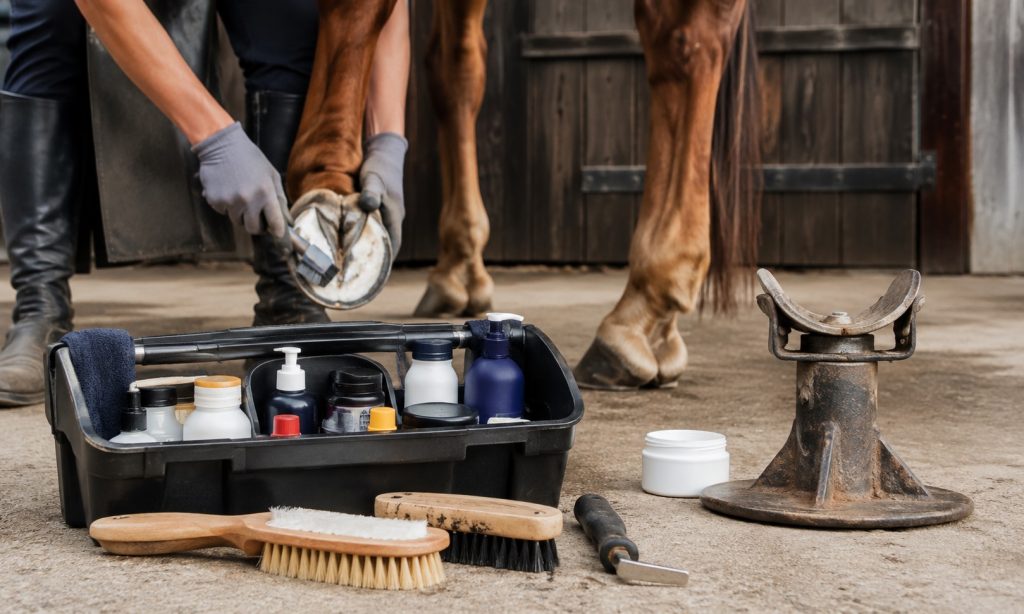
Brush dirt and loose debris from the coat if the label recommends it. Use protective equipment stated on the label and wash hands afterward. Keep product away from feed, water, tack, and children. Store it according to the package directions, including temperature and fire precautions. Do not use a product with a missing label or damaged container.
After a ride, inspect the horse’s skin and note any rubbing, irritation, or insect bites. Clean tack and equipment as directed if product residue could transfer. Never apply a premise spray or a product labeled for another species directly to a horse unless the label specifically allows it. If you need broader fly control, ask an equine veterinarian about a combined plan.
Frequently Asked Questions
When should I apply fly spray before a trail ride?
Follow the product’s directions. Apply at the labeled time and let the horse settle before mounting; there is no universal timing for every formula.
Does sweat make fly spray stop working?
It may affect some products, but the label is the guide for sweat, rain, washing, and reapplication. Do not guess or exceed directions.
Can I apply fly spray at the trailhead?
Only if you can follow the label safely, with adequate ventilation and control of the horse. Applying a new product for the first time at a trailhead is a poor way to assess tolerance.
Can I combine fly spray with a fly sheet or mask?
Physical barriers may complement repellent, if they fit properly and are suitable for the ride or turnout situation. Follow each product’s directions and avoid unsafe gear while mounted.
What if my horse reacts during the ride?
Stop using the product, follow label first-aid directions, and seek veterinary advice for persistent or severe signs. Prioritize safely ending the ride.
Final Words
Good fly spray for trail riding fits the route, your horse’s handling needs, and the exact label directions for use, sweat, weather, and reapplication. Test your horse’s tolerance well before riding, apply in a controlled setting, and carry only properly labeled product when needed. Do not layer formulas or extend a schedule by guesswork. Pair sensible repellent use with safe trail preparation and veterinary guidance when skin reactions or persistent insect problems occur.