How to choose the right fly mask for trail riding begins with matching the mask to your horse’s vision, bridle, and trail conditions. A standard turnout mask is not automatically designed for mounted exercise: stiff seams, ear covers, or loose fasteners may shift under a bridle or rub when the horse sweats. First confirm that the manufacturer intends the specific model for riding, then check the fit with the actual bridle and tack you use. Consider route conditions, ventilation, mesh visibility, nose and ear coverage, and whether the mask may catch on vegetation. This guide explains how to compare riding-specific designs and test them safely at home, while reminding riders to check local event rules and remove equipment that compromises comfort, control, or vision.
Choose riding gear, not turnout gear
Fly masks made for turnout may have rigid eye domes, broad closures, or ear and nose pieces that are bulky beneath a bridle. These features can interfere with cheekpieces, browbands, reins, or a horse’s ability to see the path. A riding-specific fly mask or veil is shaped for the intended tack arrangement. Read its use directions and do not assume that a mask marketed for pasture is safe for riding.
Some riders need only an ear bonnet or fly veil to reduce insects near the ears; others may use a riding mask that covers more of the face. Choose the least restrictive coverage that addresses the problem. Added coverage can increase warmth or create more material that might shift, so compare function rather than choosing the largest design.
Check visibility and eye clearance
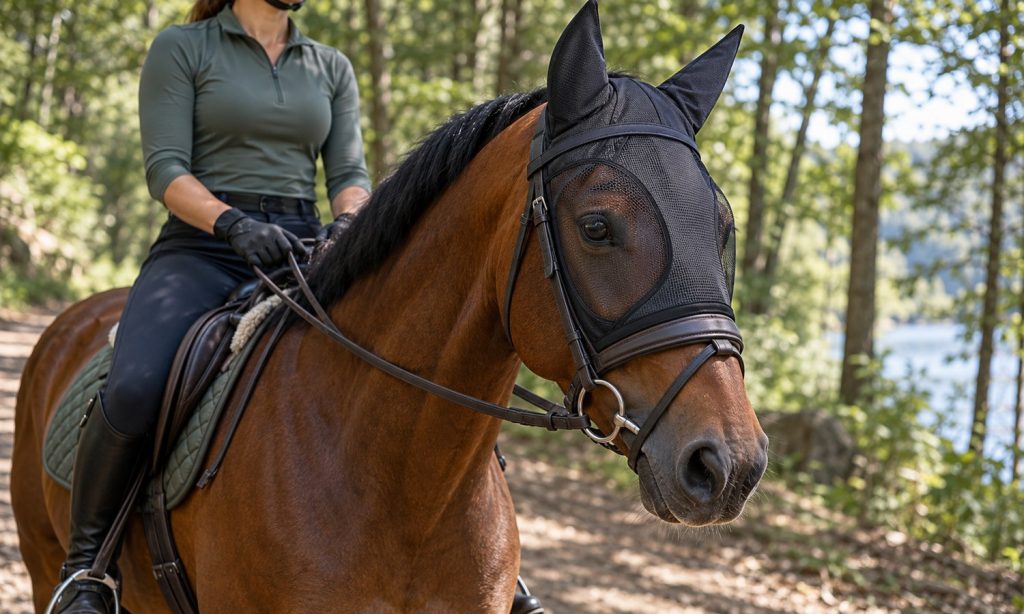
The mesh should remain clear of the eyes and eyelashes during normal head movement. Check the horse with its head raised, lowered, and turned. Make sure the fabric does not sag or fold toward the eyes when the bridle is fastened. If the mesh visibly blurs the horse’s view, obscures the ground, or blocks peripheral awareness, do not ride in it.
Look for a clear explanation of mesh construction and any UV protection claim. Dark fabric is not proof of a particular UV rating, and UV protection is a separate consideration from visibility. Avoid added eye cups, dark coverings, or opaque material unless a veterinarian has recommended them and the intended riding use is safe and permitted. Seek veterinary attention for squinting, tearing, redness, swelling, discharge, or sudden sensitivity to light.
Fit it with the bridle and tack
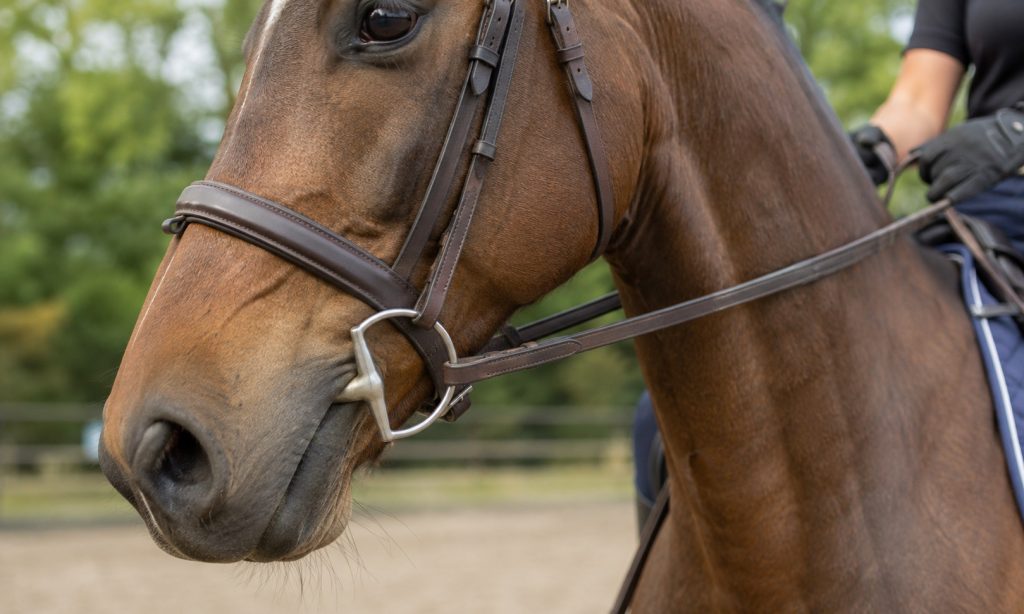
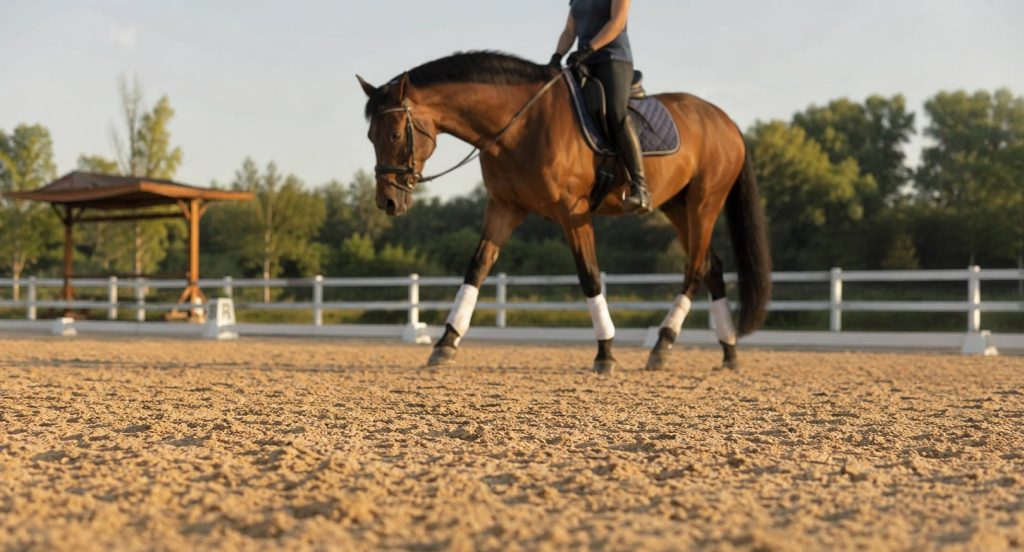
Try the mask with the exact bridle, browband, reins, and other headgear used for riding. Check that closures lie flat and do not sit under cheekpieces, rub against the poll, or alter how the bridle rests. The mask should not pull the bridle forward, tighten the throat area, or obstruct the horse’s nostrils. Ensure you can adjust tack normally and that the mask cannot slide over the eyes.
Walk the horse in hand before mounting. Observe whether it tosses its head, rubs, shakes, or seems reluctant to move. Check the fit again after a short period because movement can shift straps and seams. If the horse repeatedly tries to remove the mask, stop and reassess rather than tightening it uncomfortably.
Think about trail hazards and weather
On a trail, low branches, brush, water, and changing light can catch or shift equipment. Choose secure closures that do not create loose dangling ends and a design that can be removed quickly if needed. Do not ride through dense brush in a mask that catches on vegetation. Bring a safe way to remove it and store it without dangling straps.
Heat and humidity matter during exercise. Look for breathable materials and monitor the horse for unusual sweating, distress, or rubbing. A mask can trap heat against the face, especially if it has extensive coverage. Do not cover the horse’s nostrils, and stop if the animal seems overheated or uncomfortable. A mask does not replace sensible decisions about ride length, shade, water, and weather.
Assess the horse’s response before a long ride
Introduce new equipment at home during a short, calm session. Let the horse inspect it, fit it with the bridle, and walk in a familiar area before attempting a longer or more challenging trail. Confirm that the horse can turn, lower its head, see obstacles, and respond to cues as usual. Do not first test an unfamiliar mask on a busy trail or at a competition.
Ask a knowledgeable trainer or equine professional to observe fit if you are uncertain. A horse’s head shape and tack configuration can make a model suitable for one horse and unsuitable for another. Keep the mask clean and dry, and inspect it for frayed seams, stretched closures, or torn mesh before each ride.
Check rules before organized riding
Competition and organized ride rules can restrict equipment that covers the eyes or face. Requirements vary by discipline, venue, and event, and may change. Check the current rulebook and ask the event organizer before arriving. Do not rely on a product description or another rider’s past experience as proof that a mask is permitted.
Even where a riding mask is allowed, it must not compromise the horse’s safety or your control. Remove it if it shifts, obstructs vision, interferes with the bridle, or causes distress. If there is any conflict between the equipment instructions, event requirements, and safe handling, choose a different fly-control approach.
Care and inspection
Wash the mask according to its care instructions and remove dust, sweat, and hair from the mesh and seams. Let it dry fully before storage. Dirt can reduce visibility and irritate the skin around the eyes. Replace fabric that is torn, stretched, or no longer holds the eye panels away from the horse.
After riding, check for dampness, rubbing, pressure marks, or hair loss. Inspect the bridle contact points too, because the mask and tack may press together. If you notice eye discomfort, take the mask off and contact a veterinarian for concerning signs. Store the mask clean and away from chewing animals.
Frequently Asked Questions
Can I ride in a regular fly mask?
Only use a model specifically intended for riding and follow its directions. Turnout designs may interfere with tack or vision.
Does a riding fly mask affect vision?
Mesh and fit can affect visibility. Check the horse’s view in different head positions and do not ride if the mask obscures vision or shifts toward the eyes.
Can a fly mask fit under a bridle?
Some models are designed for bridle use, but compatibility depends on the mask, bridle, and horse. Test the full setup while standing and walking.
Are fly masks allowed at horse shows?
Rules vary by discipline and event. Review current rules and ask the organizer before riding or competing in covered eye equipment.
What if the mask shifts during a ride?
Stop in a safe place, dismount if needed, and remove or refit it. Do not continue if it affects vision, tack, or control.
Final Words
The right fly mask for trail riding is designed for mounted use, stays clear of the eyes, and works with the horse’s bridle without blocking vision or breathing. Test it at home, check for movement and rubbing, and verify event rules before organized rides. If it shifts, catches, or causes discomfort, remove it and choose a safer option. A secure fit and the horse’s comfort are essential throughout the ride.