Introduction
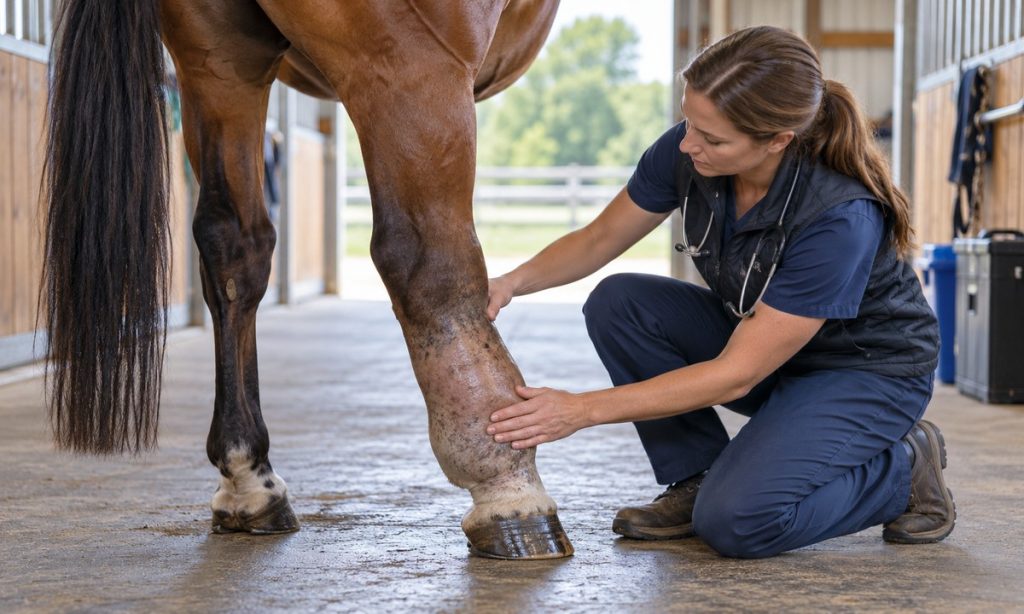
Early signs of cellulitis in horses can appear suddenly, sometimes before an obvious wound is easy to see. One leg may become warm, tender, and noticeably larger than the other. Your horse may start favoring it, resist handling, or seem uncomfortable at rest. Cellulitis is a potentially serious infection and inflammation beneath the skin; a swollen leg can also have other causes, so a veterinarian needs to assess it promptly. Do not wait for swelling to become dramatic or try to select an antibiotic yourself. If you are searching for an antibiotic for cellulitis in horses, use that as a reminder to call your veterinarian, since the drug and care plan must match the horse’s diagnosis. This guide covers early clues, urgent warning signs, and what a veterinary examination may involve.
What cellulitis is
Cellulitis is a diffuse infection and inflammation in the tissues beneath the skin. In horses it often affects a limb, especially a hind leg, and may develop after bacteria enter through a wound, scratch, injection site, or other break in the skin. Sometimes the entry point is tiny, hidden under hair, or never identified. The condition can progress quickly, and pain and swelling may be much more extensive than the visible skin injury suggests.
A swollen leg is not proof of cellulitis. Injury, a tendon or joint problem, an abscess, lymphatic inflammation, and other conditions can also cause swelling or lameness. Some causes need different handling, which is why a veterinary assessment matters before applying a wrap or giving medication.
Early signs to watch for
New swelling in one limb
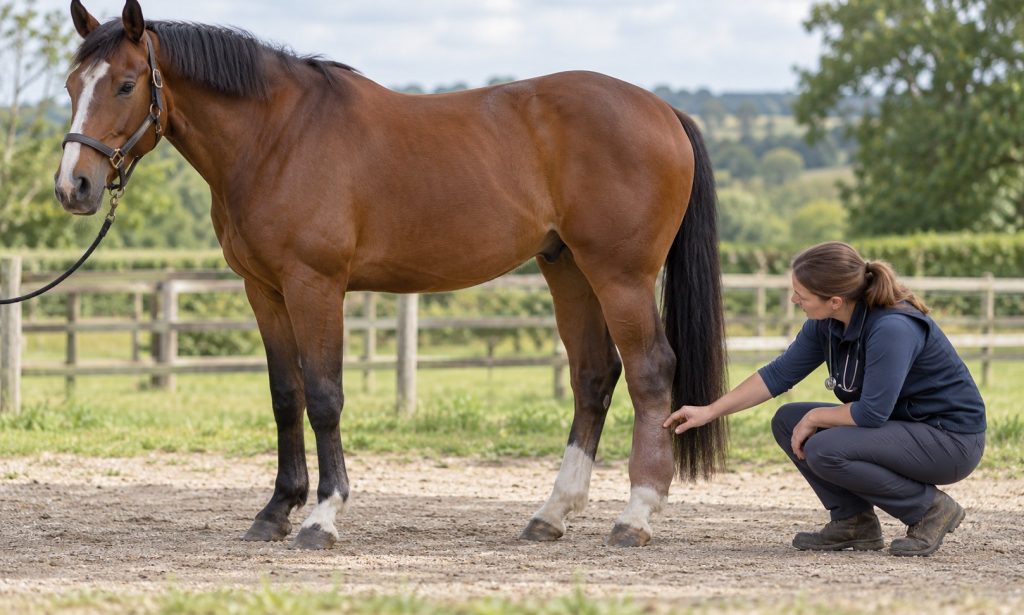
The earliest clue may be a fuller area around the fetlock, cannon bone, or pastern. Swelling can extend up or down the leg over hours. Compare both limbs from the same angle and note whether the contour changes. Cellulitis can occur without a wound that you can see.
Heat, pain, or sensitivity
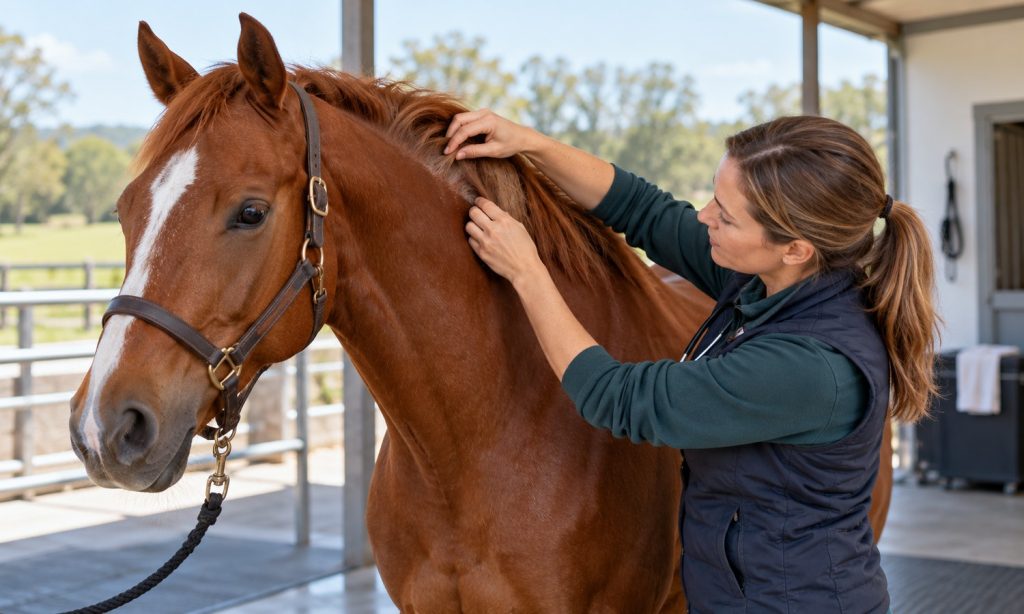
The affected area may feel warmer than the matching area on the opposite leg, and the horse may flinch, pull away, or resent touch. Do not press hard or repeatedly test the leg. A painful response itself is useful information for the veterinarian.
Lameness or reluctance to move
A horse may shorten its stride, stand with less weight on the limb, or become severely lame. Some horses are reluctant to walk to the stall door or pick up the foot. Marked lameness, especially with sudden swelling and heat, warrants an urgent call.
Skin changes or a possible entry wound
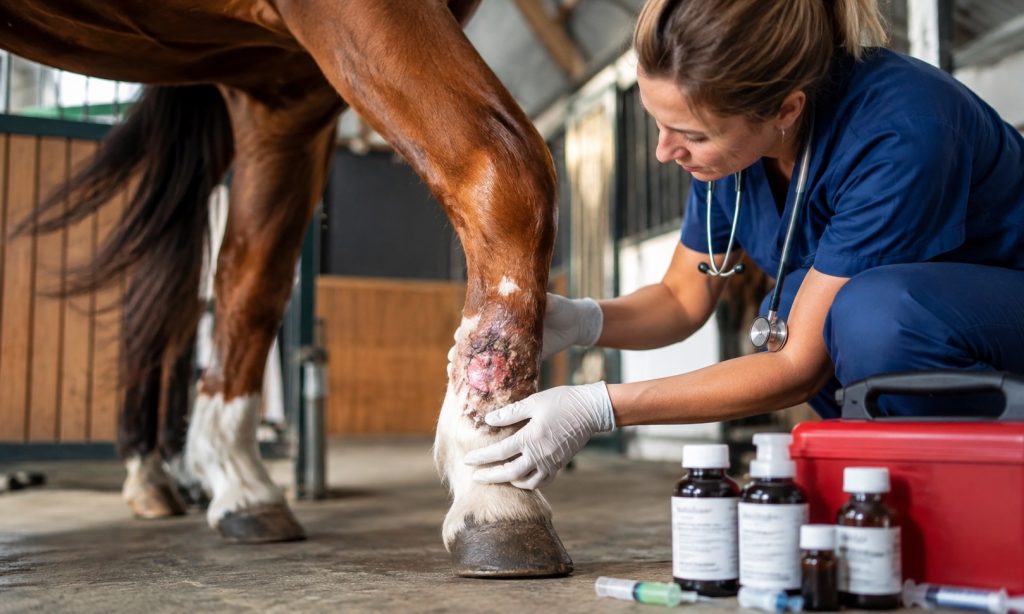
Look gently for a small cut, scrape, scab, cracked skin, drainage, or an area of dermatitis. Mud, feathering, and long hair can conceal a break. Avoid clipping or scrubbing a painful area before speaking with the veterinarian, because this can add irritation or make examination harder.
Changes in general condition
Fever, reduced appetite, dullness, sweating, faster breathing, or an elevated heart rate can accompany more significant illness. Check temperature only if you can do so safely and already know how; do not delay the call to collect measurements. Tell the clinic about any change in energy or eating.
When to contact a veterinarian
Call your veterinarian promptly for a new hot, painful, rapidly swelling limb, even if the horse has no visible wound. Treat severe lameness, non-weight-bearing, spreading swelling, fever, or signs of whole-body illness as urgent. If the horse is distressed, unable to stand comfortably, or deteriorating quickly, say so when you call and follow the veterinarian’s emergency instructions.
Do not wait overnight to see whether substantial painful swelling disappears. Cellulitis can progress, and other serious conditions can look similar at first. If there is a wound near a joint or tendon sheath, mention its location and timing. The veterinarian may advise a visit or referral based on the horse’s signs and the risk of deeper structures being involved.
What to do while help is arranged
-
Keep the horse calm and in a safe place. Limit unnecessary walking, especially if the horse is markedly lame. Avoid forcing exercise or loading the horse for transport unless the veterinarian advises it.
-
Look without manipulating. Note which limb is affected, how quickly swelling appeared, whether it is warm, and any nearby cut or skin change. Photograph the leg beside the other leg if you can do so without stressing the horse.
-
Do not start leftover medication. Antibiotics and pain medicines require veterinary direction. The wrong drug, dose, or timing can be harmful and may complicate diagnosis. Do not give human medication.
-
Ask before applying cold water, wraps, or topical products. These may be appropriate in some cases, but the vet should first consider the cause, severity, and whether there may be a wound or deeper structure involved.
-
Prepare a concise history. Note recent wounds, injections, farrier work, travel, turnout, previous episodes, current medications, and vaccination status. Have the horse’s temperature and other observations ready if safely obtained.
What a veterinarian may check
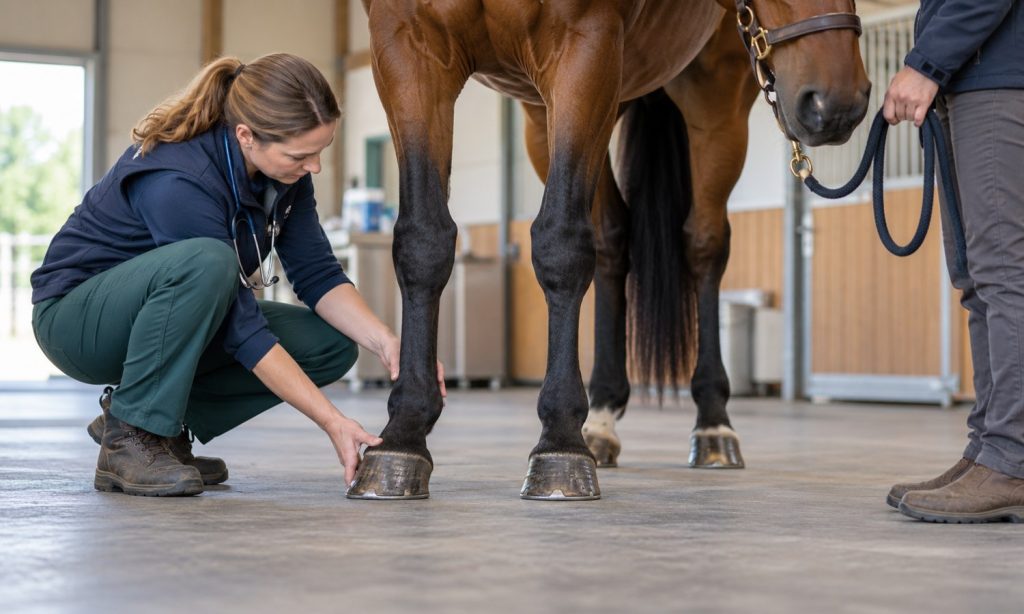
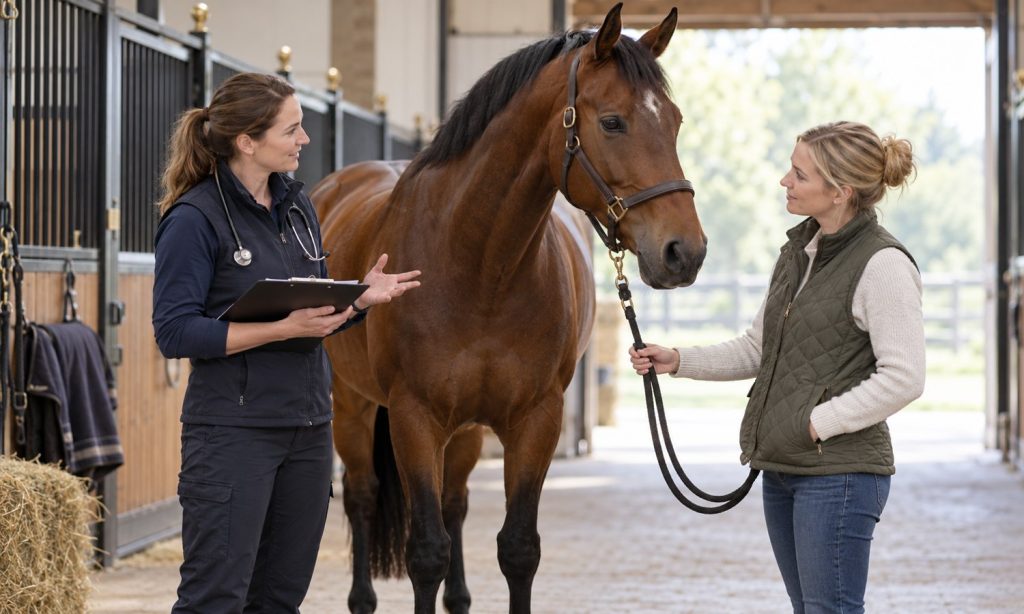
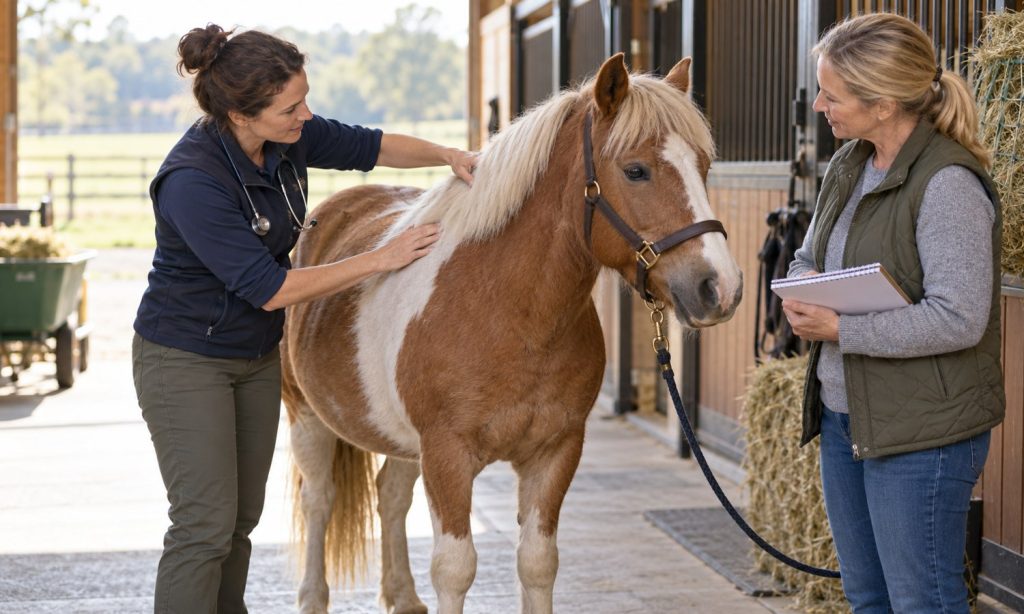
The veterinarian will ask when the swelling began, how it changed, and whether the horse has had a recent wound, injection, or similar episode. They may check temperature, heart and breathing rates, hydration, appetite, and general demeanor. The limb is examined for the extent and distribution of swelling, heat, pain, wounds, and skin changes. A lameness assessment helps gauge severity and identify whether another problem could be responsible.
Depending on the findings, the veterinarian may recommend blood tests to assess inflammation or infection, a sample for culture, or imaging to look for an abscess, injury, or involvement of deeper tissues. A small needle sample may sometimes help guide testing. There is not one single test that confirms every case; the history, examination, and selected diagnostics are considered together.
Treatment depends on the diagnosis and the horse’s condition. A veterinarian may prescribe antimicrobial or pain-relief treatment, wound care, or other measures and explain how to monitor progress. Do not copy another horse’s plan: the right medication and duration vary, and complications need follow-up. Ask what changes should trigger another call and when the horse should be rechecked.
Recovery and reducing future risk
Follow the full veterinary plan and keep notes on swelling, comfort, appetite, temperature, and medication administration. Contact the veterinarian if the leg worsens, the horse becomes more lame, or expected improvement does not occur. Do not stop a prescribed course early or change exercise without guidance. Recovery time varies with severity, the cause, and whether deeper tissues are affected.
Routine skin checks can help you notice small cuts or dermatitis early. Keep legs and bedding reasonably clean and dry, manage mud where possible, and address persistent skin irritation with veterinary advice. Prompt attention to wounds is sensible, but no prevention routine can guarantee that cellulitis will not occur.
Frequently Asked Questions
Can cellulitis start without a visible cut?
Yes. The entry point can be tiny, hidden by hair or dirt, or not found during examination. Sudden hot, painful swelling still needs veterinary assessment even when the skin appears intact.
Is a swollen horse leg always cellulitis?
No. Injury, abscess, tendon or joint disease, and other problems can cause swelling. Because some alternatives are serious and need different care, a veterinarian should assess new painful swelling.
Should I wrap the leg before the veterinarian arrives?
Ask the veterinarian first. A wrap applied incorrectly can create pressure or conceal changes, and the best approach depends on the cause and the horse’s condition.
Can I give an antibiotic I already have?
No. Do not use leftover or another animal’s antibiotics. A veterinarian must diagnose the problem and choose any medication, dose, and duration for this horse.
How quickly should I call about sudden swelling?
Call promptly, especially if the limb is hot, painful, rapidly enlarging, or the horse is lame or unwell. Severe pain, inability to bear weight, fever, or rapid deterioration calls for urgent veterinary guidance.
Final Words
Early signs of cellulitis in horses include sudden swelling, heat, pain, lameness, and sometimes fever or reduced appetite. A wound may be difficult to find, and other serious conditions can look similar. Call your veterinarian promptly for a new painful swollen limb, keep the horse calm, and avoid medication, wraps, or topical treatment unless directed. If you searched for an antibiotic for cellulitis in horses, let your veterinarian guide the next step: safe care starts with identifying what is causing the swelling.
Reference
- Identifying and reducing the risk of cellulitis in horses, University of Queensland VETS.
- Equine guidelines: dermatological, wounds and feet disorders, University of Melbourne.
- First Aid for Horse Owners, University of Florida IFAS.