Laminitis can become a serious, time-sensitive problem, and early signs may be subtle or mistaken for other hoof pain. If you notice sudden reluctance to move, a short stiff gait, shifting weight, or a warm hoof with a stronger digital pulse, contact a veterinarian promptly. Do not wait to see whether the horse improves after rest or a feed change. If you are reviewing hay for horses with laminitis, first get veterinary guidance about the current hoof problem and the horse’s overall health. This guide describes signs owners may notice and what a veterinarian may assess, from history and hoof examination to imaging. It cannot diagnose laminitis, and urgent veterinary care should take priority over online research.
What laminitis is
Laminitis involves inflammation or disruption of the sensitive laminae that help attach the coffin bone within the hoof. The condition can affect one or more feet and may be associated with different underlying triggers, including endocrine disease, illness, or other medical events. A horse’s outward signs and severity vary. A veterinarian needs to determine whether laminitis is present and investigate possible contributors.
Other conditions, such as a hoof abscess, bruising, injury, or joint pain, can also cause lameness. A horse that suddenly becomes sore should be assessed rather than assumed to have one specific diagnosis. Laminitis is an emergency concern when suspected, especially if the horse is reluctant to move or appears markedly painful.
Signs an owner may notice
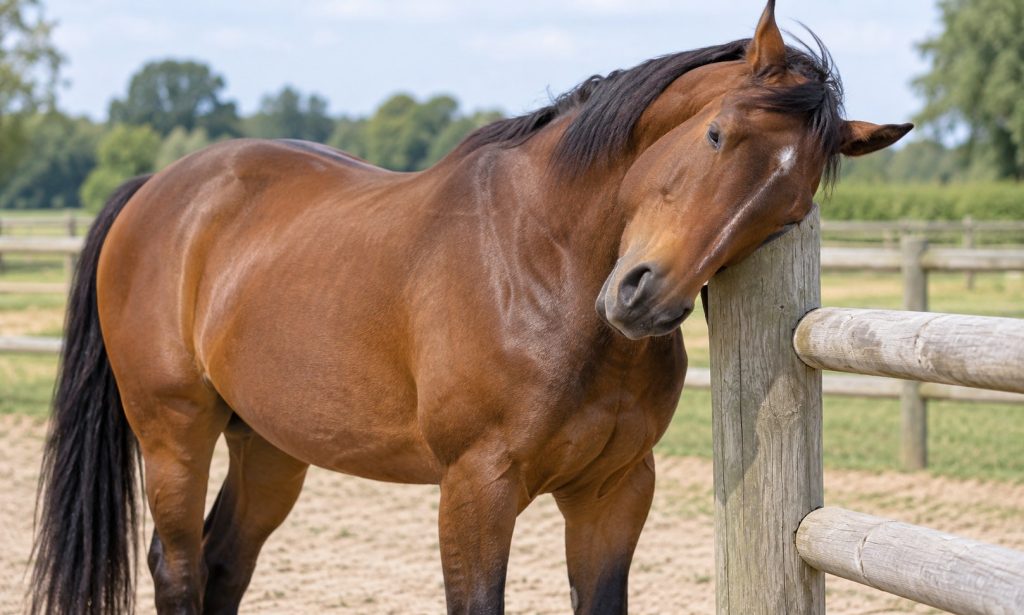
- Reluctance to walk or turn: The horse may take short, stiff steps, resist moving, or appear worse when turning.
- Weight shifting: A horse may repeatedly shift weight or stand with the front feet positioned forward to reduce pressure on painful areas.
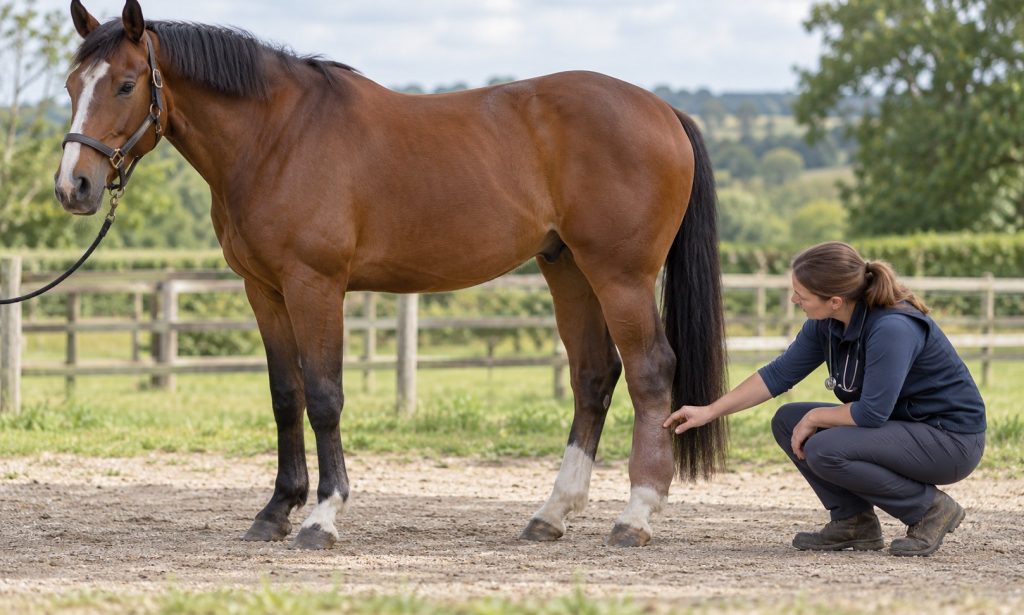
- Warm hooves or stronger digital pulses: Hoof warmth and a bounding digital pulse can occur with laminitis, but neither sign alone confirms it. Compare feet and tell the veterinarian what you notice.
- Difficulty standing comfortably: The horse may be reluctant to lift a foot, lie down more, or avoid moving between resting and feeding areas.
- Changes in hoof growth or shape: Divergent growth rings, changes at the white line, or hoof-wall distortion may develop over time and warrant professional evaluation.
Do not force a painful horse to trot, circle, or walk to “test” the lameness. Keep the horse in a safe, comfortable place and call the veterinarian. If you can do so without stressing the horse, record when signs began, recent feed or pasture changes, medications, previous laminitis, and other illness.
When to call a veterinarian
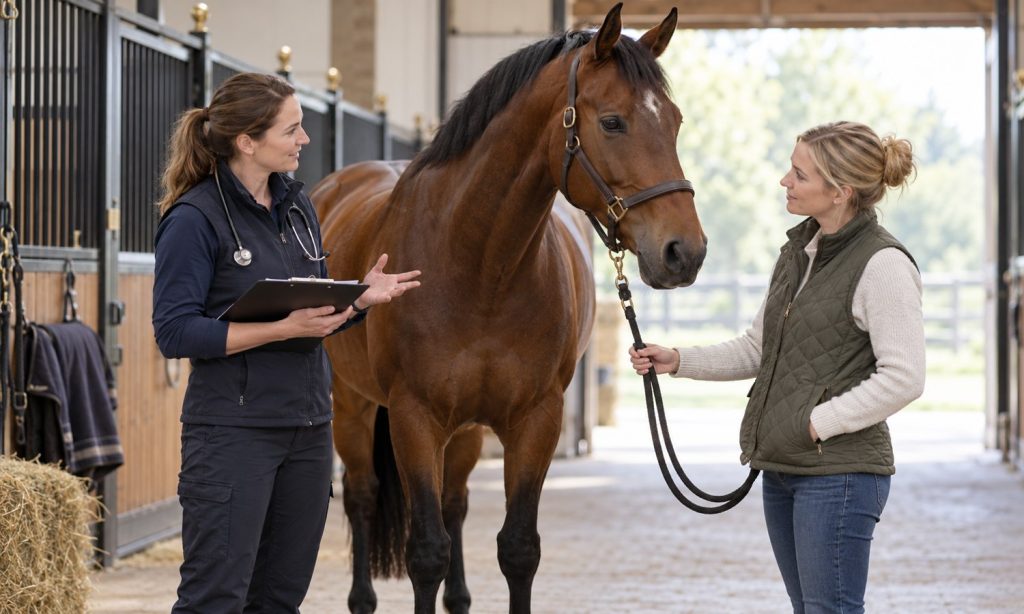
Call immediately if laminitis is suspected, especially with sudden lameness, reluctance to move, marked weight shifting, or significant pain. Explain the onset, which feet seem affected, and whether the horse has a history of laminitis or metabolic disease. Follow the veterinarian’s instructions about movement, feeding, and whether the horse should be transported. Do not trailer a severely painful horse without veterinary direction.
Keep the horse from unnecessary movement while waiting. Do not try to trim, shoe, medicate, soak, or apply a corrective device unless a veterinarian directs you to do so. If the horse is in a field, get advice before moving it across hard or uneven ground. A veterinarian can help you reduce further stress and determine what immediate support is appropriate.
If possible, have the horse’s recent feed labels and medication list ready, but do not move the horse or delay veterinary contact to collect them. Your observations about timing, stance, and recent changes are useful even if some details are missing.
\n
What a veterinarian may check
History and physical examination
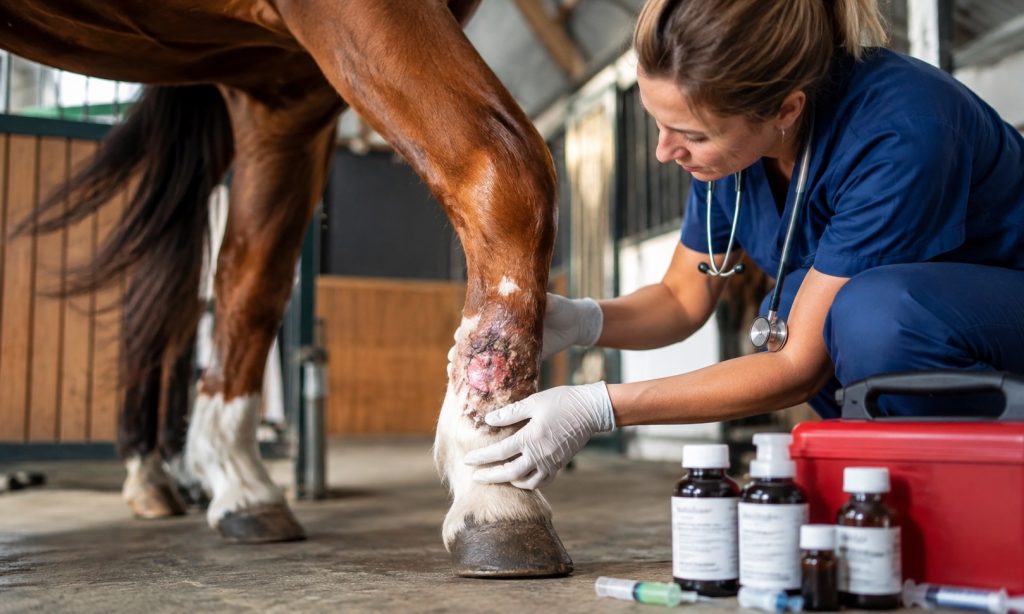
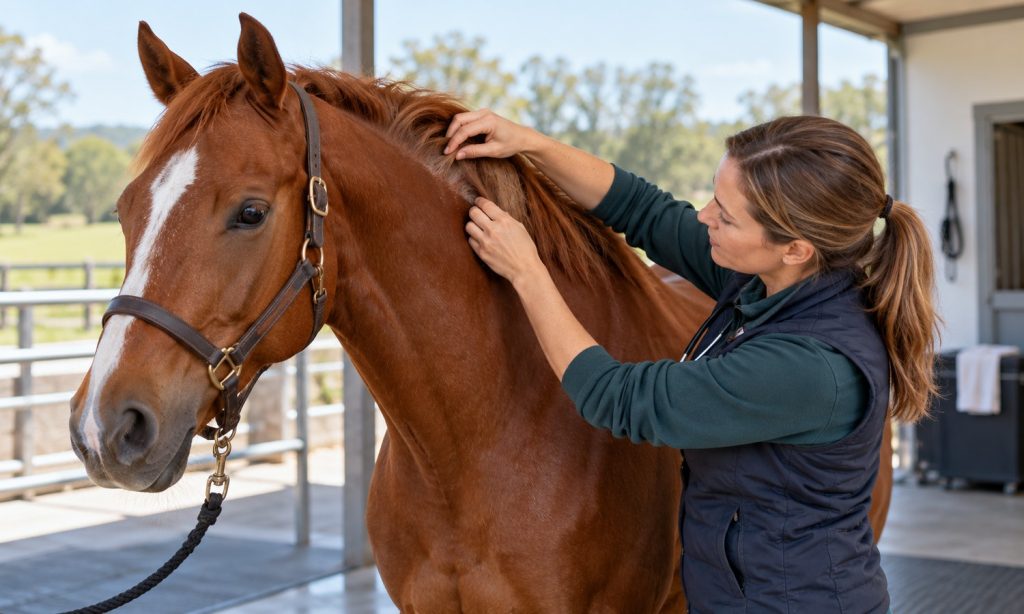
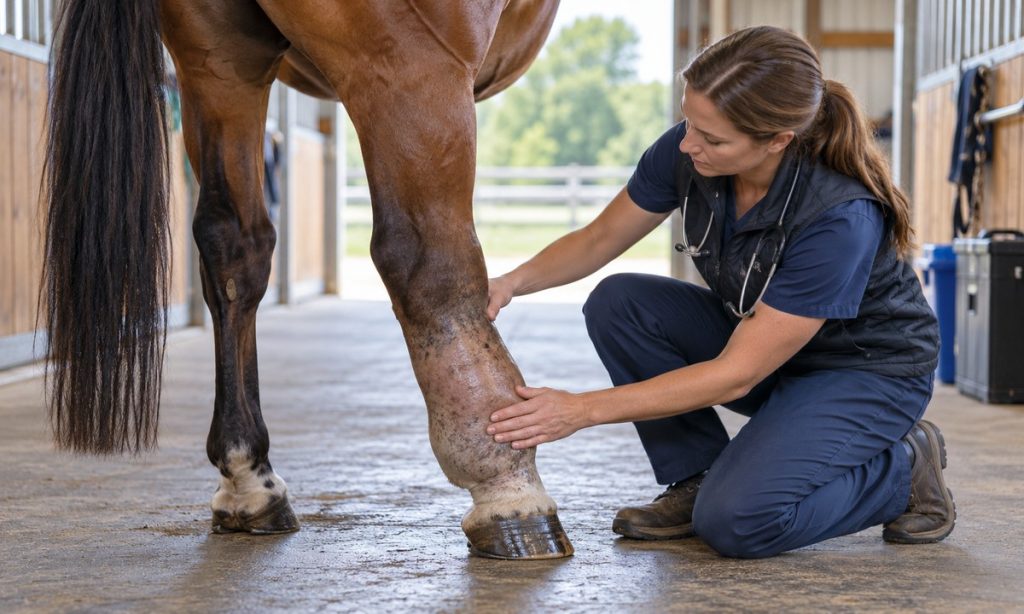
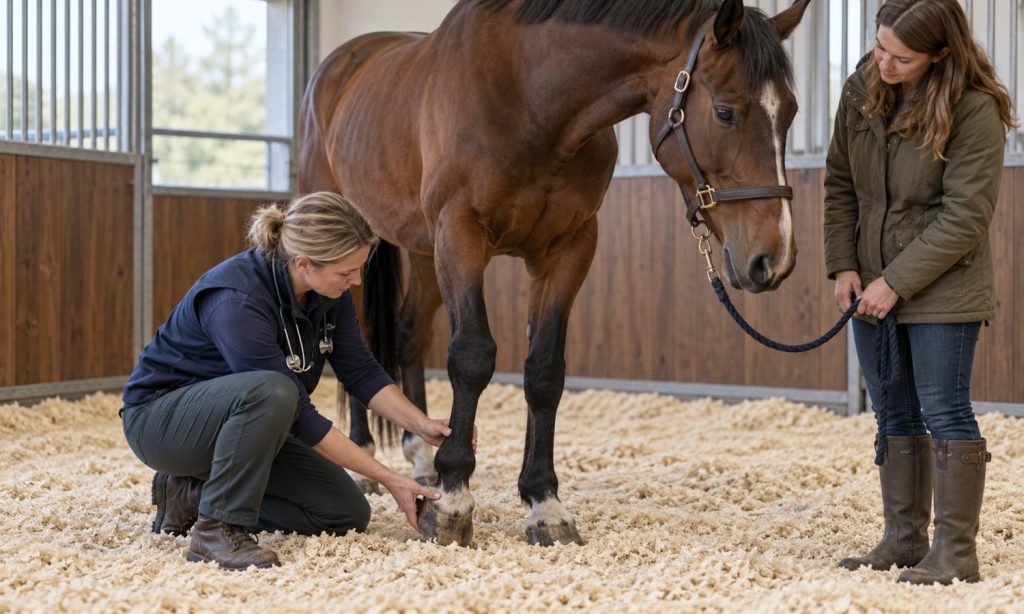
The veterinarian may ask about recent pasture access, feed, weight changes, illness, medications, exercise, and previous episodes. They may observe the horse standing and moving only if it is safe, assess vital signs, compare hoof temperature and pulses, and examine the limbs and feet. The examination helps distinguish laminitis from other causes of pain and guides next steps.
Hoof examination and lameness assessment
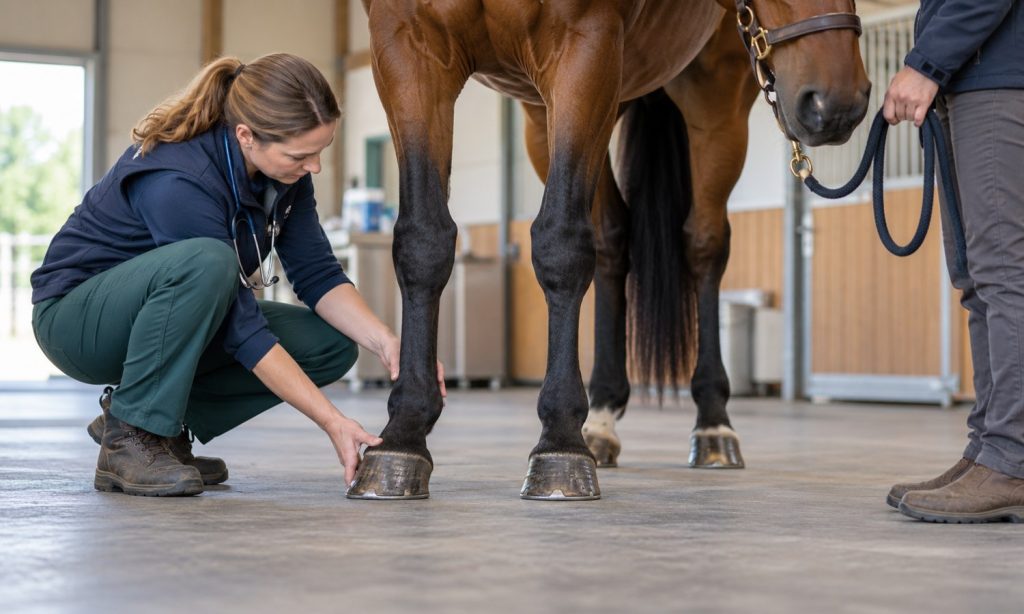
Depending on comfort and the circumstances, the veterinarian may assess the horse’s stance, gait, hoof response, and limb tenderness. Hoof testers or other examination methods may be used. Do not attempt these tests yourself or make the horse walk when it is unwilling or painful.
Radiographs
Radiographs may be recommended to evaluate the position of the coffin bone and changes within the hoof. They can help establish a baseline, assess severity, and guide veterinary and farrier decisions. The veterinarian may use markers or repeat images later to monitor changes. Imaging findings are interpreted with the clinical exam, not in isolation.
Testing for underlying conditions
If the history or exam suggests insulin dysregulation, PPID, or another contributor, the veterinarian may recommend blood testing or other evaluation. Test timing and preparation matter, especially if the horse is in pain or under stress. The veterinarian will decide which tests are appropriate and when to perform them.
Tell the veterinarian if the horse has recently received pain medication, supplements, or a change in turnout, because those details can affect the assessment and follow-up plan. Do not delay the call to gather records; share what you know and provide additional information afterward.
\n
Discussing hay and feeding after assessment
Diet decisions depend on the horse’s diagnosis, metabolic status, body condition, and full ration. A hay analysis can help describe forage nutrients, including nonstructural carbohydrates, but it does not treat laminitis or determine the safe diet by itself. Do not abruptly withhold forage or make a major change without veterinary guidance.
Once the veterinarian has assessed the horse, ask what to feed, whether pasture access should change, and whether a forage analysis is useful. If considering hay for horses with laminitis, compare the analysis with the horse’s full diet and the vet’s recommendations. Coordinate hoof care decisions with the veterinarian and farrier, especially if radiographs are taken.
Frequently Asked Questions
Is a warm hoof enough to diagnose laminitis?
No. Hoof temperature can vary and is not diagnostic by itself. A veterinarian considers the horse’s signs, exam, and sometimes imaging or additional testing.
Should I walk a suspected laminitis horse to the barn?
Call the veterinarian for instructions. Avoid unnecessary movement, and do not force a painful horse to walk across hard or uneven ground.
Can laminitis occur without obvious lameness?
Some hoof changes may occur before clear lameness is noticed. Changes in hoof growth or shape should be reviewed by a veterinarian and farrier.
Will X-rays show whether the horse has laminitis?
Radiographs can help evaluate bone position and hoof changes, but the vet interprets them along with history and examination findings.
Should I change hay immediately?
Ask the veterinarian first, especially during an acute episode. Avoid abrupt feed restriction and make a longer-term ration plan after assessment.
Final Words
Reluctance to move, short steps, weight shifting, hoof warmth, or stronger digital pulses can be reasons to call a veterinarian, but no single sign confirms laminitis. Treat suspected laminitis as urgent, keep the horse comfortable, and follow veterinary instructions about movement, imaging, and testing. Coordinate diet and farrier changes with the diagnosis. If you are researching hay for horses with laminitis, use that information after the veterinarian has assessed the horse and can tailor a safe feeding plan.