Pasture grass seed does not need to be washed or treated during routine storage. It does need to stay dry, clean, identifiable, and protected from rodents until you are ready to sow it. A damp bag, spilled feed, pests, or lost label can make it harder to judge whether the seed is still suitable for pasture renovation. After seeding, care shifts to soil contact, moisture, weed competition, and keeping horses off young growth until it is established. If you are comparing grass seed for horse pasture, check the label and regional recommendations before planting. This guide explains how to inspect and store seed, keep its storage area clean, and maintain the new pasture without treating seed itself as something to scrub or rinse.
Read the label and keep seed traceable
Before opening a bag, record the seed name or mix, lot number, test date, and any planting directions shown. Keep the label with the bag or take a clear photograph of it. The label helps identify species, purity, germination information, and treatment warnings. Do not rely on the appearance of a handful of seed to determine what species are present or whether a mix is appropriate for horses.
For pasture use, check that the mix is intended for the region and horse-management goal. Ask a local extension office or forage specialist if you are unsure about species, endophyte status, seeding rates, or suitability for a pasture used by pregnant mares or horses with special dietary needs. Seed selection and pasture establishment advice can vary with climate, soil, and intended use.
Inspect the bag and seed before planting
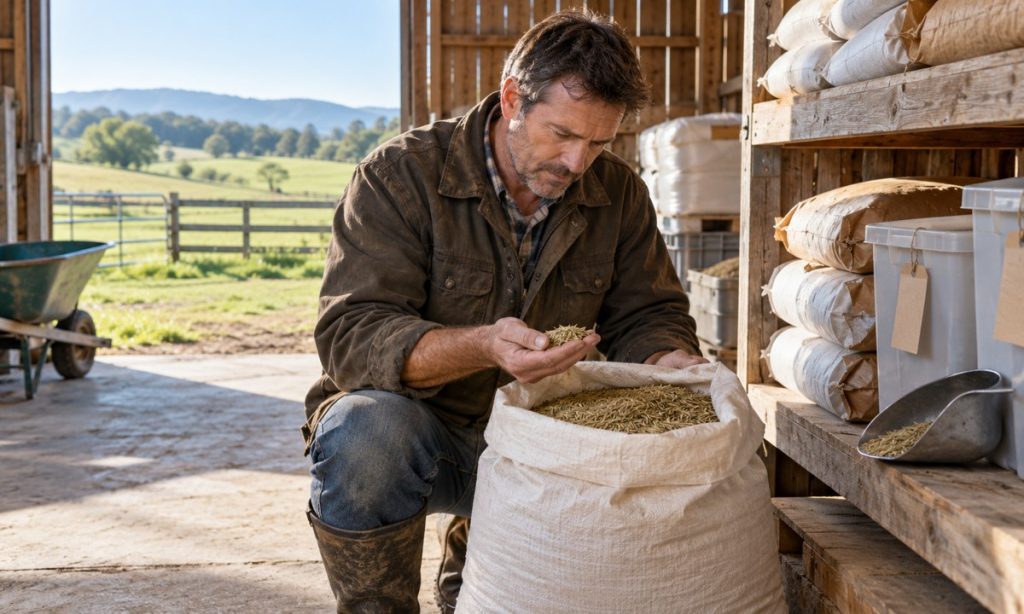
Look for a torn seam, moisture stains, clumping, mold, insects, rodent damage, or a musty odor. Check that the bag is not leaking and the label is legible. Open it in a clean, dry place and look for obvious foreign material or a change from the expected appearance. Do not mix questionable seed into a good lot simply to use it up. Contact the seller or an agricultural extension specialist if the seed appears wet, contaminated, or inconsistent with the label.
Seed viability declines with time and storage conditions. If a bag has been kept for a while, ask whether the test date and storage history still support its use. A small germination test may help estimate whether stored seed will sprout, but it is not a substitute for species identification or a formal purity test. Record the result and consider it when planning with an extension professional.
Do not clean seed by rinsing, soaking, or applying household chemicals. Moisture can start germination or encourage spoilage, and unapproved treatments may create hazards. The practical meaning of “cleaning” is to keep the container, scoop, and storage area free of dirt, manure, spilled feed, and pests so the seed remains uncontaminated.
Keep the storage area dry and protected
Store seed in the original bag or a clean, sealed, rodent-resistant container in a cool, dry place with air circulation. Keep it off a damp floor and away from roof leaks, condensation, direct sun, heaters, fuels, pesticides, fertilizers, and horse feed. Avoid placing a heavy object on top of the bag where it can tear or compact the seed.
If you transfer seed, move the label and lot information with it. Use a clean scoop and close the container after each use. Keep the storage area swept so spilled seed does not attract rodents. Do not use a container that previously held chemicals unless it has been properly cleaned and is approved for seed storage; when uncertain, choose a clean container intended for agricultural use.
Check stored seed occasionally for moisture, pests, damaged packaging, or a musty smell. If there is evidence of mold or contamination, isolate the bag from feed, bedding, and other seed. Follow local guidance for disposal. Do not feed seed intended for planting to horses as a substitute ration; the species, treatment, and intended use may be unsuitable.
Clean tools without contaminating seed
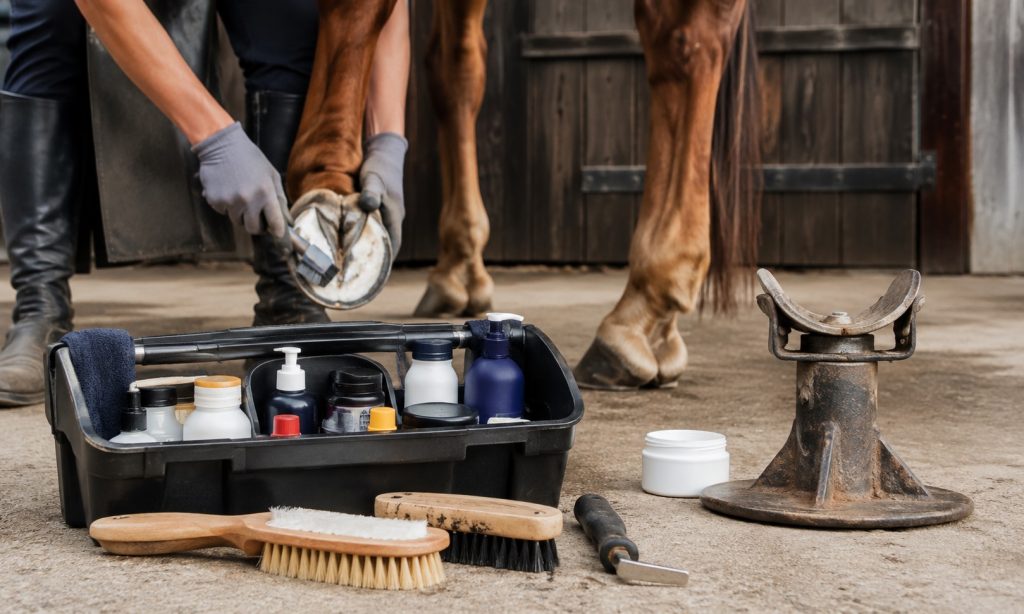
Before measuring or spreading seed, remove old seed and debris from the seeder, hopper, scoop, or bucket. Use a dry brush or cloth for loose material. If a tool needs washing, clean it away from the seed and let it dry completely before loading. Residual water can cause seed to clump or spoil, and leftover seed from a different mix can alter the planned species ratio.
Calibrate the seeder using the equipment instructions and the rate on the pasture plan. Do not guess based on how much seed “looks right.” Keep the bag closed between fills and avoid setting it on manure, soil, or wet grass. After seeding, empty remaining material back into its labeled container only if it stayed dry and uncontaminated.
Maintain the pasture after seeding
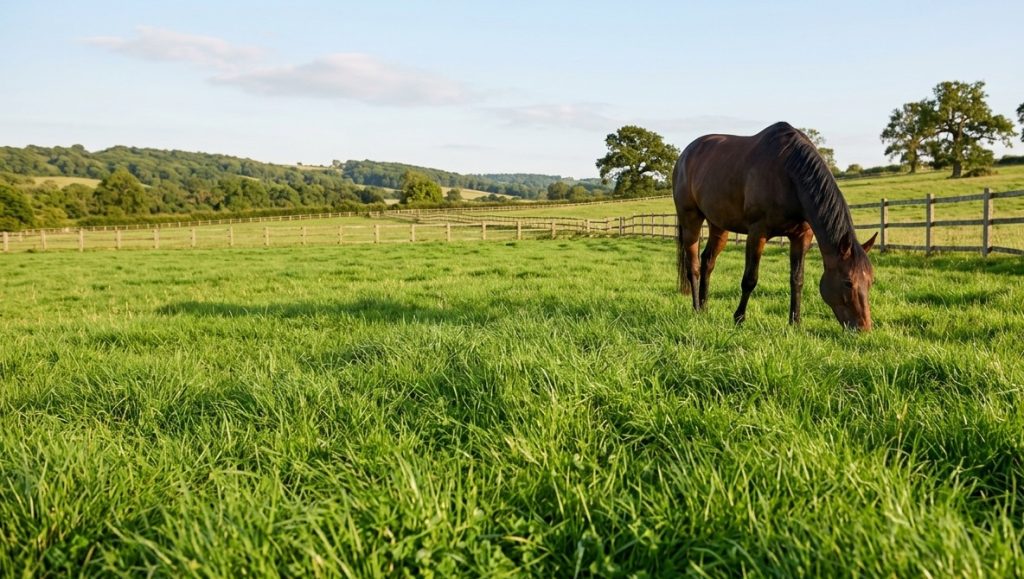
Successful establishment depends on timing, seed-to-soil contact, planting depth, soil conditions, and competition from existing vegetation. A pasture plan should account for local climate and soil test results. University extension guidance notes that young forage needs time to establish roots before grazing; the exact waiting period depends on species and conditions. Keep horses out of a newly seeded area until the seedlings are established and the pasture manager or local adviser says it can tolerate grazing.
Monitor the seeded area for bare patches, runoff, standing water, weeds, and uneven emergence. Record when and where seed was placed, the weather, and any follow-up work. If establishment is poor, investigate the cause before adding more seed. Poor contact, excessive depth, drought, heavy rain, weed pressure, or grazing too early may be involved, but a site assessment is needed to identify the problem.
Once the pasture is established, manage grazing so plants have time to recover. Avoid overgrazing, rotate paddocks when practical, and use soil testing to guide lime or fertilizer decisions. Keep horses away from areas recently treated with herbicide or fertilizer until the product label and local guidance say grazing is safe. Clean tools and reseal leftover seed after each use.
Know when seed should not be used
Do not plant seed with clear mold, significant water damage, pest contamination, an unreadable identity, or a treatment warning you cannot interpret. Do not assume seed remains viable because some kernels sprout. Contact the supplier, local extension office, or a qualified forage professional with the label and lot information. Keep suspect bags away from animals and feed while you get advice.
If a seed mix was selected for a different region or use, pause before planting it in a horse pasture. Species that establish well in one setting may not suit another. The right next step is to confirm the mix, site, and grazing plan before opening the bag across a field.
Frequently Asked Questions
Should I wash grass seed before planting?
No. Keep the seed dry and clean its storage tools and area instead. Washing can damage or start germination.
How should pasture seed be stored?
Keep it labeled, sealed, cool, dry, off damp floors, and protected from rodents, moisture, and chemicals.
Can I use an opened bag from last season?
Possibly, but viability can decline. Check storage history and test information, and ask an extension specialist if uncertain.
When can horses return to a newly seeded pasture?
Wait until seedlings and roots are established enough to tolerate grazing. Timing varies by species, weather, and site.
What if seed is clumped or smells musty?
Do not spread or feed it. Isolate the bag and ask the supplier or an agricultural extension professional about next steps.
Final Words
Inspect the label and bag, keep seed dry and pest-free, and clean tools before loading them. Do not wash or chemically treat seed as part of routine care. After planting, protect seedlings from grazing and monitor establishment before returning horses. When selecting grass seed for horse pasture, match the mix and management plan to local soil, climate, and horse use. If seed is damaged or the pasture is not establishing, get qualified advice before replanting.