
Ever caught your dog giving you the “puppy eyes” while you’re munching on a juicy slice of guava? Yeah, same here. And if you’re like me, you’ve undoubtedly asked yourself, “Can dogs eat guava? Or am I going to make snack time into a trip to the vet? 😬
Well, good news! You’re not alone in this fruity dilemma. I’ve been down the rabbit hole of pet-safe foods more times than I care to admit (thanks to my overly curious Labrador who thinks everything edible belongs to him). So let’s break it down—the nutritional benefits, the risks, and everything in between—in a way that doesn’t sound like a boring science lecture.
Can Dogs Eat Guava?
As you cut up a juicy guava, your dog gives you the iconic puppy eyes that say, “Hey human, share or I’ll die of heartbreak.” 😅 The crucial query: Is it safe for dogs to consume guava?
The short answer is that dogs can consume guava, but only in small amounts. Although it’s nutrient-dense and not toxic, there are a few crucial dos and don’ts to be aware of before giving your pet a piece.
Let’s dissect it now to avoid an irate dog or an unanticipated medical bill.
Can Dogs Eat All Types of Guava?
In general, the answer is likewise yes. Whether it’s pink, white, or any other variety of guava, the core components that affect your dog are pretty consistent. However, the ripeness and how you prepare it make a difference. We’ll get into that a bit later. Ever bought a guava that was rock solid? Yeah, maybe not the best thing for your dog.
Are Guavas Good for Dogs?
Now we’re getting to the good stuff! Are there actual benefits if dogs eat guava? Surprisingly, yes! Guavas pack a nutritional punch that can be good for your furry friend in small quantities.
The Pros and Cons
Like everything in life (except maybe belly rubs for a dog!), there are both advantages and disadvantages to feeding your dog guava.
Pros:
- Packed with Vitamin C, Vitamin A, and potassium
- Contains antioxidants that support immunity
- Has dietary fiber for digestion
- Low in fat
Cons:
- Too much fiber = messy bathroom situations (if you catch my drift 🙃)
- Seeds can cause choking hazards
- Sugar content may be too high for diabetic or overweight dogs
So, it’s kind of like ice cream for us—delicious, enjoyable, but not meant for breakfast, lunch, and dinner.
Potential Health Benefits of Guavas for Dogs
Digestive Health and Guava
The fiber in guavas can help control your dog’s digestion. A small amount of guava may be helpful if your dog has been experiencing constipation or irregular bowel movements (we’ve all been there).
But don’t go overboard. Too much fiber = explosive consequences. You’ve been warned.
Immune System Boost from Guava
Vitamin C, which is abundant in guavas, boosts immunity. Although dogs naturally produce vitamin C, they can benefit from a little extra from fruits like guava, particularly during stressful situations (such as fireworks or vet visits).
Vitamins and Minerals in Guava
- Vitamin A: Helps maintain good vision and a shiny coat.
- Vitamin C: Supports immunity.
- Potassium: Keeps their muscles and heart healthy.
- Magnesium: Supports bone health.
Basically, guava is like a natural multivitamin—but tastier.
Fiber Content in Guava
Fiber aids in blood sugar regulation, weight control, and digestion. Again, though, moderation is essential. Bloating, gas, or diarrhea can result from consuming too much fiber. And believe me, no one desires that mess. 😬
Considerations When Preparing Guava for Dogs
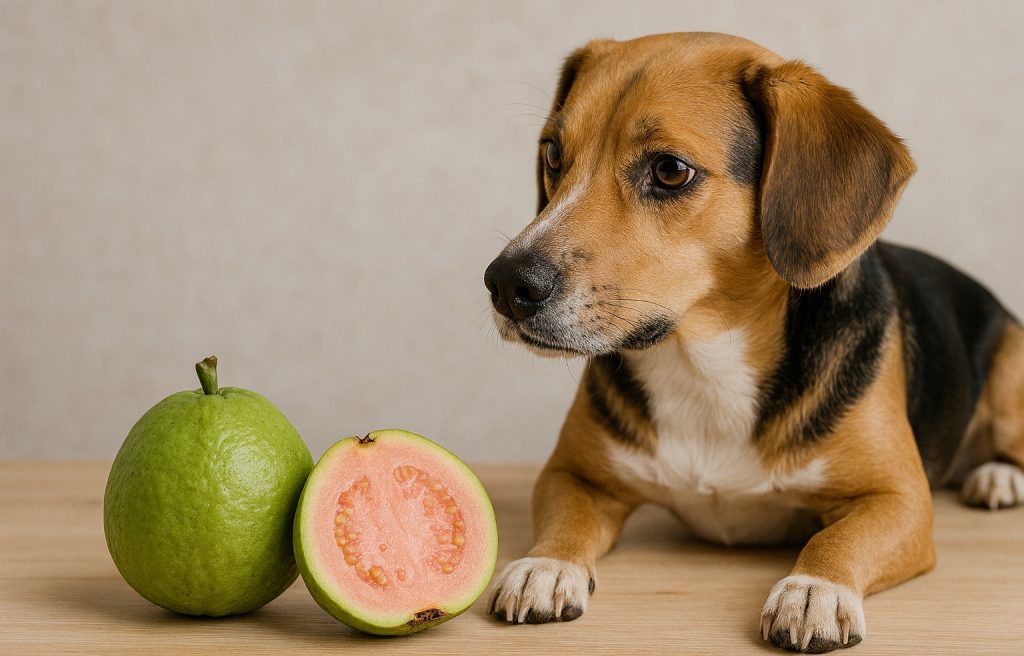
To ensure that your pet has a safe and pleasurable treat, preparation is essential. The most important action? Take out the seeds! Those hard little seeds can be a serious threat. They may result in choking or even intestinal blockage, which is a dangerous condition that calls for a veterinarian’s appointment.
To get rid of any dirt or pesticides, it’s also best to give the guava a thorough wash. Small portions of the flesh can be offered. A small portion of the skin may also appeal to certain dogs, but be sure it’s clean. Steer clear of giving your dog processed guava products like jams or jellies because they frequently contain artificial ingredients and added sugars that are bad for them.
How Much Guava Feed to Your Dogs?
Start small. Like, one or two small slices for a medium-sized dog.
If it’s their first time trying guava, monitor for any weird reactions. No one wants to discover their dog’s fruit allergy at 2 a.m. 😬
Generally speaking, treats shouldn’t account for more than 10% of your dog’s daily intake.
How Much is Too Much?
The general rule is that treats, such as fruits, should not account for more than 10% of your dog’s daily diet.
Therefore, you may want to apply the brakes if your dog is consuming guava like popcorn on a movie night.
Too much guava leads to digestive drama and sugar overload.
How to Safely Feed Guava to Dogs
Now, let’s review the safest method for introducing guava to your dog:
- Pick a ripe guava so your dog can chew it more easily and it will be softer.
- Give it a good wash: Remove any possible nastiness from the skin.
- Eliminate every seed—this is a must! Really, take your time and ensure that all of the seeds are out.
- Even without the seeds, choking can be avoided by cutting the guava into small, manageable pieces.
- Provide a meager sum: Keep in mind that it’s a treat rather than a meal.
- Watch your dog: After giving your dog a new food, watch for any indications of an allergic reaction or upset stomach.
Risks, Side Effects and Precautions When Feeding Guava to Dogs
Guava’s not dangerous, but it’s not foolproof either.
Possible Allergic Reactions
Dogs can be allergic to pretty much anything—including guava. Watch for signs like itching, swelling, or vomiting. If that happens, guava goes on the “nope list.”
Choking Hazards and Guava Seeds
Dealing with guava seeds can get tricky for dogs. Guava seeds are small but hard and slippery. They can cause choking or intestinal blockage—especially in small dogs. Always remove seeds.
Alternatives to Feeding Your Dog Guava
Don’t worry if you’re still a little apprehensive about giving your dog guava or if they didn’t seem to enjoy it. Many other fruits are suitable for dogs.
More Dog-Friendly Fruits
Consider these tasty and safe alternatives:
- Blueberries: Packed with antioxidants and small enough to be easy to eat.
- Strawberries: Another good source of Vitamin C and fiber (remove the green top).
- Watermelon (seedless): Refreshing and hydrating, especially on a hot day.
- Apples (slices, no core or seeds): A good source of fiber and Vitamin C.
- Bananas: A good source of potassium (in moderation due to sugar content).
Bold tip: Always remove pits, seeds, and skins when needed.
Fruits Toxic to Dogs
It’s just as important to know which fruits are a big no-no for dogs. These can cause serious health issues, so keep them far away from your furry friend:
- Grapes and Raisins: Can cause kidney failure. Seriously dangerous!
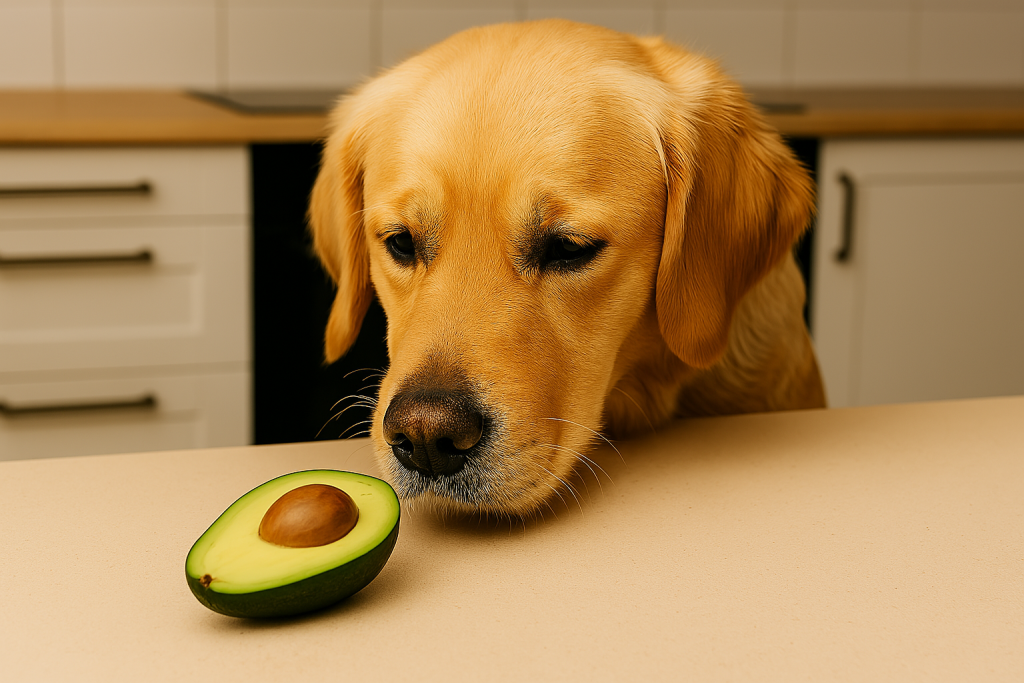
- Avocados: Contain persin, which can be toxic to dogs in large amounts.
- Cherries: The pits, stems, and leaves contain cyanide.
- Peaches and Plums: Similar to cherries, the pits contain cyanide.
If you’re unsure, Google before you feed. Or better yet, ask your vet.
Fruits to Be Wary of 😬
Tomatoes 🍅
Ripe tomatoes are okay in small amounts. But the green parts (stems, leaves) contain solanine, which is toxic.
Cherries 🍒
As mentioned, the flesh is technically safe, but the pits are dangerous. Honestly, not worth the risk.
Avocados 🥑
Avocados contain persin, which can cause vomiting and diarrhea in dogs. Plus, the pit is a choking hazard.
Can Dogs Eat Vegetables?
Absolutely! Many vegetables are safe and healthy treats for dogs. Think carrots, green beans, cucumbers, and cooked sweet potatoes. Veggies can be a great way to add fiber and extra nutrients to your dog’s diet without the higher sugar content of some fruits.
Frequently Asked Questions
Can puppies eat guava?
Yes, but only tiny amounts. Puppies have sensitive stomachs, so go extra slow.
Can dogs eat dried guava?
Nope. Dried guava has concentrated sugar, which is not great for dogs.
Can dogs drink guava juice?
Not recommended. Store-bought juice has added sugar, and even fresh juice is too sugary.
Can diabetic dogs eat guava?
It’s better to avoid it. The sugar content can mess with their blood sugar levels.
Can dogs eat guava leaves?
No, guava leaves are not safe. Stick to the fruit only.
Final Words
So, can dogs eat guava? Yes—but in moderation and only the safe parts (flesh, no seeds or skin). It offers some pretty cool health benefits like fiber, vitamins, and antioxidants. But give too much, and you might end up regretting it when your pup turns into a little fart factory.
IMO, guava can be a fun, occasional treat—kind of like how we enjoy cake on birthdays. Just don’t make it a daily thing.
Next time your dog stares at you while you’re snacking on guava, feel free to share a small piece. Who knows? You might make their day. 🙂