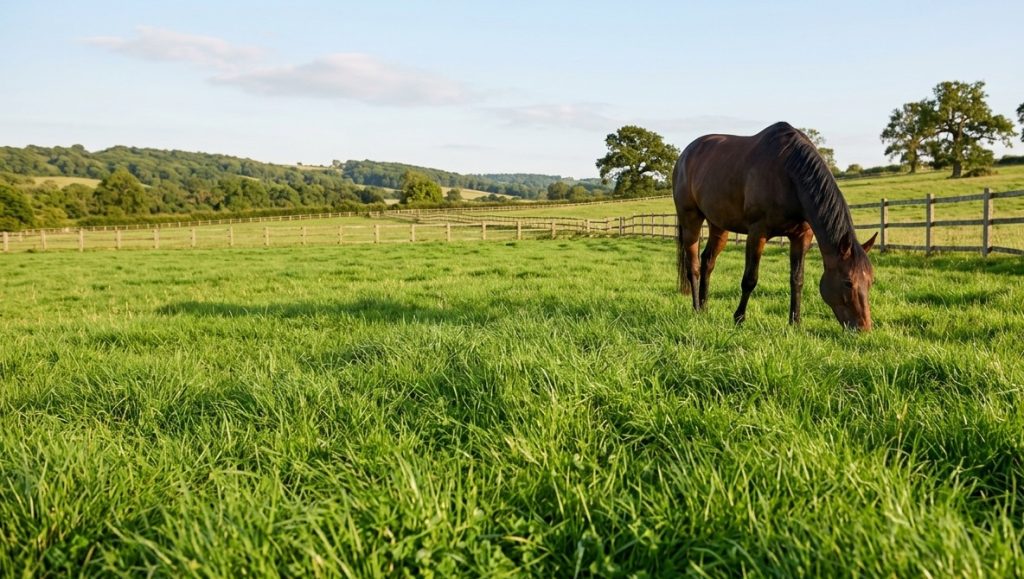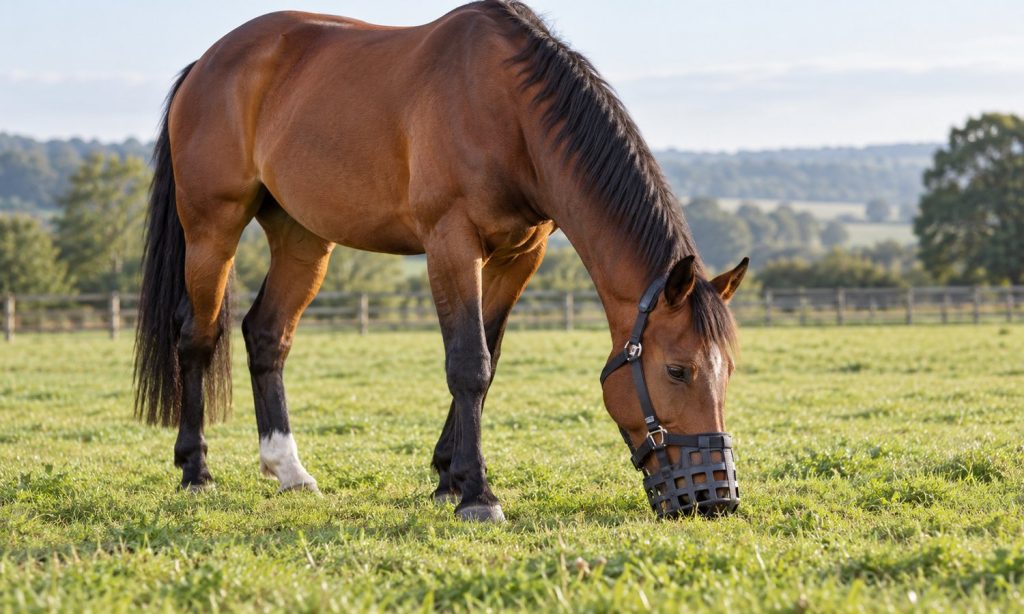
Choosing the best grazing muzzle for horses means balancing controlled pasture access with fit, airflow, drinking, and the horse’s whole feeding plan. A muzzle can slow grass intake, but it does not make rich pasture safe for every horse or replace veterinary advice for obesity, laminitis risk, or insulin dysregulation. We compared seven styles, from familiar nylon baskets to flexible designs with adjustable openings and more open premium models. Our picks reflect the features listed by each manufacturer and seller, including sizing, materials, and attachment style; they are not claims of clinical effectiveness. Measure your horse before ordering, supervise the first sessions, and check the skin, teeth, straps, and ability to drink every day. If your horse has a diagnosed metabolic condition or becomes distressed while wearing a muzzle, ask your veterinarian to help build a safer forage and turnout plan.
Quick Picks
| Product | Best For | Key Advantage | Buy | |
|---|---|---|---|---|
| GreenGuard Grazing Muzzle | Best open-basket design | Open construction promotes airflow and lets horses drink | View on Amazon | Jump to Review |
| ThinLine Flexible Filly Grazing Muzzle | Best adjustable opening | Flexible material and adjustable grazing aperture | View on Amazon | Jump to Review |
| Tough1 Poly/Nylon Grazing Muzzle with Halter | Best budget halter-muzzle | Basic webbing design with multi-point adjustment | View on Amazon | Jump to Review |
| Best Friend Deluxe Grazing Muzzle | Best breakaway feature | Attached halter includes a breakaway buckle | View on Amazon | Jump to Review |
| BARN & STABLE Easy-Breathe Grazing Muzzle | Best padded basket option | Adjustable straps and padded noseband | View on Amazon | Jump to Review |
| QIANJIEER Adjustable Nylon Grazing Muzzle | Best measured-fit budget pick | Listing provides muzzle dimensions and adjustable straps | View on Amazon | Jump to Review |
| Dmnnlp Adjustable Grazing Muzzle | Best low-cost flexible style | Flexible rubber-like material and ventilation holes | View on Amazon | Jump to Review |
1. GreenGuard Grazing Muzzle

- Open basket allows airflow and visibility
- Lightweight semi-flexible construction
- Designed to allow drinking
- Multiple size categories listed
- Premium price
- Opening may be too generous for some feeding plans
GreenGuard takes a different approach from a fabric cup: its open basket shape leaves generous space around the muzzle while limiting how much grass a horse can collect with each bite. The lightweight, semi-flexible design is intended to preserve natural grazing behavior and jaw movement. Amazon’s listing describes pony, cob, and horse sizing, so confirm the size chart and measure your horse before ordering. It is the premium choice here for owners who prioritize open airflow and a durable pasture design.
The open pattern is useful when a horse must remain with companions and continue grazing rather than being confined for every turnout. The manufacturer says horses can drink while wearing it, but that does not replace checking access to clean water or watching an individual horse closely. A wide opening does not mean grass intake is eliminated; the product is meant to slow and limit access. Introduce it under supervision and check the fit, rubbing points, and wear on teeth and lips each day.
At the listed price, GreenGuard costs more than nylon basket styles, and the open construction may not suit a horse that needs a very small forage opening. Check how the muzzle attaches to a halter and whether the straps are included for the exact package. Its sizing range and semi-flexible structure make it a sensible shortlist option for owners wanting a more open feel, but fit matters more than the brand name. Ask your veterinarian or equine professional whether muzzle use suits your horse’s health plan.
My Recommendation
GreenGuard Grazing Muzzle is worth considering when its size and opening match your horse and turnout plan. The standout feature is open construction promotes airflow and lets horses drink, while the main tradeoff is premium price. Measure first, inspect the current product variation, and supervise early use to confirm normal breathing, drinking, and comfortable movement. A muzzle should be part of a veterinarian-informed forage plan when health concerns are involved; remove it and reassess if you see rubbing, distress, or damage. This is a practical shortlist choice, not a substitute for individualized equine-care advice.
2. ThinLine Flexible Filly Grazing Muzzle

- Opening can be adjusted
- Flexible lightweight material
- Ventilation and drinking are emphasized
- Adjustable straps
- Higher cost than simple nylon options
- Requires frequent checks and adjustment
The Flexible Filly is a clear, pliable muzzle designed around a changeable grazing aperture. That adjustment can help owners tailor access to different pasture conditions, although a smaller hole is not automatically safer or appropriate for every horse. ThinLine lists a ventilated design and food-grade flexible material, with straps that can be adjusted for a secure fit. Product dimensions and opening size should be checked against your horse’s muzzle and the current manufacturer instructions before purchase.
Compared with a simple nylon basket, the adjustable opening is the main reason to consider this model. It lets the owner change how much forage the horse can reach without swapping the whole muzzle, which may be helpful as grass growth changes. The product listing also says horses can drink through it. Watch the horse rather than relying on those claims alone: make sure the horse can breathe freely, drink, chew comfortably, and interact normally, and inspect the lips and nose for rubbing after each session.
This option costs more than basic webbing muzzles and depends on careful setup. The hole must be checked for grass type and condition, and the flexible material needs regular inspection for cracks or sharp edges. It is not a treatment for obesity, laminitis, or insulin dysregulation, and it cannot replace a veterinarian-designed diet or turnout plan. For an owner who values a configurable opening and is willing to monitor the fit, Flexible Filly is a feature-rich option; confirm the size and replace it if damaged.
My Recommendation
ThinLine Flexible Filly Grazing Muzzle is worth considering when its size and opening match your horse and turnout plan. The standout feature is flexible material and adjustable grazing aperture, while the main tradeoff is higher cost than simple nylon options. Measure first, inspect the current product variation, and supervise early use to confirm normal breathing, drinking, and comfortable movement. A muzzle should be part of a veterinarian-informed forage plan when health concerns are involved; remove it and reassess if you see rubbing, distress, or damage. This is a practical shortlist choice, not a substitute for individualized equine-care advice.
3. Tough1 Poly/Nylon Grazing Muzzle with Halter

- Attached halter keeps setup simple
- Five adjustment points listed
- Padded noseband
- Lower listed price
- Single listed size may not fit many horses
- Webbing needs routine wear checks
This Tough1 option combines a poly-nylon muzzle with an attached halter, keeping the design straightforward and the listed price lower than many specialty models. Amazon describes a small bottom opening, padded noseband, and five-way adjustable fit system. Those features make it a practical starting point for owners who want an all-in-one setup rather than a separate halter and muzzle attachment. The listing is for a large horse size, so do not assume the same fit for a pony or a broad-headed horse.
The bottom opening is intended to reduce the amount of pasture grass collected with each bite, while the web construction keeps the muzzle relatively simple. Its adjustment points can help fine-tune strap placement, but correct fit still depends on the individual horse. Check that the noseband is not pressing on sensitive areas, the muzzle does not interfere with nostrils, and the horse can drink. Supervise initial use and remove the muzzle regularly to inspect skin, hardware, and teeth for signs of wear or discomfort.
A basic nylon model can be easier to replace and clean than a molded specialty muzzle, but webbing and stitching may wear with daily turnout. Owners should inspect the snap, seams, and padding for damage and avoid leaving a poorly fitting muzzle on unattended. The product’s value is its simple integrated format and modest price, not a guarantee of long service life. Choose it when the horse’s measurements match the listed size and the veterinarian or equine-care team agrees that restricted grazing is appropriate.
My Recommendation
Tough1 Poly/Nylon Grazing Muzzle with Halter is worth considering when its size and opening match your horse and turnout plan. The standout feature is basic webbing design with multi-point adjustment, while the main tradeoff is single listed size may not fit many horses. Measure first, inspect the current product variation, and supervise early use to confirm normal breathing, drinking, and comfortable movement. A muzzle should be part of a veterinarian-informed forage plan when health concerns are involved; remove it and reassess if you see rubbing, distress, or damage. This is a practical shortlist choice, not a substitute for individualized equine-care advice.
4. Best Friend Deluxe Grazing Muzzle

- Breakaway buckle in attached halter
- Large-horse size listed
- Ventilated neoprene construction
- Integrated design
- Higher price
- Large-horse sizing may not suit smaller heads
Best Friend’s Deluxe model pairs a ventilated neoprene muzzle with an attached halter and a breakaway buckle. The listing also describes a padded noseband and a large-horse fit. The breakaway element is a useful safety feature to evaluate for turnout, but it should not be treated as a substitute for supervision or a correctly fitted halter. Confirm which parts are designed to release, how replacements are handled, and whether the size range matches your horse before buying.
The material and cushioning may appeal to owners who want a softer contact surface than bare webbing. Ventilation is part of the product design, but every horse’s tolerance differs; monitor for heat, rubbing, trapped debris, and changes in normal eating or drinking. A muzzle restricts access to forage, so plan adequate forage availability and water with your veterinarian. It should not be left on through a full day without periodic checks, especially during a new introduction or hot weather.
This model is a higher-priced choice than simple nylon options, and neoprene can hold moisture or require more cleaning after muddy turnout. The attached halter reduces the number of separate pieces, while the breakaway buckle may be reassuring if its function and replacement parts are clear. The listing states large-horse sizing; measure carefully rather than relying on the word “large.” It is most compelling for buyers who value a padded surface and integrated breakaway design, provided the horse’s fit and care plan are suitable.
My Recommendation
Best Friend Deluxe Grazing Muzzle is worth considering when its size and opening match your horse and turnout plan. The standout feature is attached halter includes a breakaway buckle, while the main tradeoff is higher price. Measure first, inspect the current product variation, and supervise early use to confirm normal breathing, drinking, and comfortable movement. A muzzle should be part of a veterinarian-informed forage plan when health concerns are involved; remove it and reassess if you see rubbing, distress, or damage. This is a practical shortlist choice, not a substitute for individualized equine-care advice.
5. BARN & STABLE Easy-Breathe Grazing Muzzle
- Easy-Breathe basket construction
- Adjustable nylon straps
- Basket opening limits intake
- D-ring and detachable design listed
- Marketplace size options need careful checking
- Less established product history
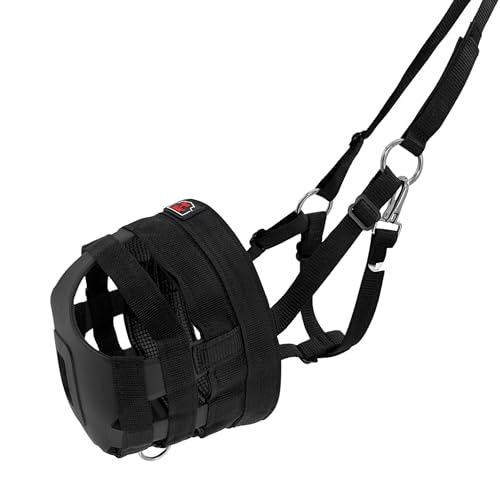
BARN & STABLE’s basket-style muzzle uses adjustable nylon straps and a padded noseband, with a small opening at the base intended to limit grass intake. The listing describes a detachable design and D-ring, which may make handling and attachment more convenient for some setups. Product descriptions mention several horse sizes, but buyers should check the current size chart and verify the exact variation selected. The photographs and options can differ across marketplace listings, so match the selected size to the horse’s measurements.
The basket form is intended to provide space around the face while limiting the amount of grass taken at once. Padding may help reduce rubbing, but it does not ensure a chafe-free fit; inspect the nose, cheeks, and strap contact points after short initial sessions. Ensure the muzzle stays clear of the nostrils and does not prevent drinking. The D-ring can be useful for leading only if the manufacturer approves that use and the horse is handled safely; never pull or tie a horse by an attachment without checking its intended purpose.
This is a mid-priced option with several convenience features, though the listing offers less information about long-term materials testing than established specialist brands. Read the current product details for included straps, size, and care instructions. Replace it if the basket, buckle, or webbing becomes damaged, and reassess fit as the horse’s weight or coat changes. It may suit buyers wanting a padded basket with adjustable components, but owners managing metabolic disease should consult their veterinarian before choosing any muzzle.
My Recommendation
BARN & STABLE Easy-Breathe Grazing Muzzle is worth considering when its size and opening match your horse and turnout plan. The standout feature is adjustable straps and padded noseband, while the main tradeoff is marketplace size options need careful checking. Measure first, inspect the current product variation, and supervise early use to confirm normal breathing, drinking, and comfortable movement. A muzzle should be part of a veterinarian-informed forage plan when health concerns are involved; remove it and reassess if you see rubbing, distress, or damage. This is a practical shortlist choice, not a substitute for individualized equine-care advice.
6. QIANJIEER Adjustable Nylon Grazing Muzzle

- Specific perimeter and height listed
- Adjustable nylon webbing
- Easy to inspect straps
- Medium sizing may exclude large horses
- Some listing claims go beyond grazing control
QIANJIEER supplies measurements for this medium nylon muzzle: the listing gives a 23.6-inch perimeter and 6.3-inch height. That makes it easier to compare with a horse’s actual muzzle than a vague universal-size label, though the measurements still need to be interpreted carefully. The design uses nylon webbing and a polypropylene base with adjustable straps. Confirm which measurements refer to the muzzle itself and compare them with the current listing before ordering.
The listing describes the model as adjustable and also mentions a grazing opening. Its fit-focused dimensions can help owners rule it out before purchase, especially when a horse falls between common pony and horse sizes. Nylon webbing is familiar and relatively easy to inspect, but seams and buckles can loosen with repeated use. Introduce any muzzle gradually, observe breathing and drinking, and check whether the horse can take in enough forage under the planned feeding schedule. Consult an equine professional if the muzzle is being considered for a diagnosed condition.
This product is priced below some branded designs, but the listing’s claims about other uses such as discouraging biting should not be treated as a reason to use it for restraint or training. Buy it only for its intended grazing-control purpose, and ask the seller for clarification if the opening dimensions or included halter are unclear. Its stated size details are the standout advantage; they also make careful measuring essential. Remove and inspect it regularly, and discontinue use if it rubs, shifts, or interferes with normal behavior.
My Recommendation
QIANJIEER Adjustable Nylon Grazing Muzzle is worth considering when its size and opening match your horse and turnout plan. The standout feature is listing provides muzzle dimensions and adjustable straps, while the main tradeoff is medium sizing may exclude large horses. Measure first, inspect the current product variation, and supervise early use to confirm normal breathing, drinking, and comfortable movement. A muzzle should be part of a veterinarian-informed forage plan when health concerns are involved; remove it and reassess if you see rubbing, distress, or damage. This is a practical shortlist choice, not a substitute for individualized equine-care advice.
7. Dmnnlp Adjustable Grazing Muzzle
- Low listed price
- Flexible material
- Ventilation holes
- Durability needs close inspection
- Verify breakaway details and selected size
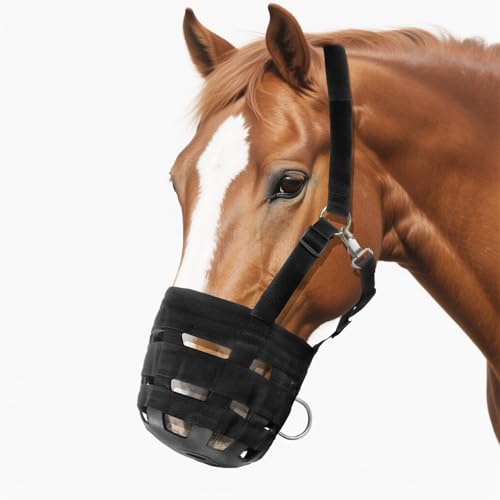
Dmnnlp’s listing describes a flexible muzzle with adjustable straps, ventilation holes, and a halter attachment. It is positioned as a low-cost option for reducing pasture access, with a soft material that may be more forgiving than rigid plastic. The manufacturer lists several horse sizes, but exact fit can vary, so compare the available size chart with your horse and confirm the selected version. The listed features are seller claims; inspect the material and construction on arrival before the first use.
The perforated shape is intended to support airflow while the base limits access to grass. Flexible construction can be convenient for handling, but it may also be easier to chew, stretch, or damage than a heavier specialist design. Check for cracks, rough edges, loose straps, and signs of chewing after each use. Watch the horse eat and drink during an initial supervised session, and make sure the opening does not create a frustration or welfare problem. Do not rely on a muzzle as the only part of a metabolic management plan.
The low listed price may make this attractive as an entry-level choice or spare, although durability and sizing details should be verified against actual use. Ask whether the halter is breakaway if that feature matters; the listing title suggests a breakaway design, but check current product specifications and selected variation. Use it only if it fits securely without pressure or rubbing, and remove it for routine inspection. Owners should choose based on fit, safety, and the horse’s forage plan rather than price alone.
My Recommendation
Dmnnlp Adjustable Grazing Muzzle is worth considering when its size and opening match your horse and turnout plan. The standout feature is flexible rubber-like material and ventilation holes, while the main tradeoff is durability needs close inspection. Measure first, inspect the current product variation, and supervise early use to confirm normal breathing, drinking, and comfortable movement. A muzzle should be part of a veterinarian-informed forage plan when health concerns are involved; remove it and reassess if you see rubbing, distress, or damage. This is a practical shortlist choice, not a substitute for individualized equine-care advice.
How to choose best grazing muzzle for horses
A good choice depends on the horse’s face, pasture, health, and the amount of supervision available. Compare construction and opening size, then confirm the muzzle supports ordinary breathing, drinking, and forage access. Ask an equine veterinarian to guide use when weight, laminitis, or metabolic disease is a concern.
Fit, airflow, and drinking
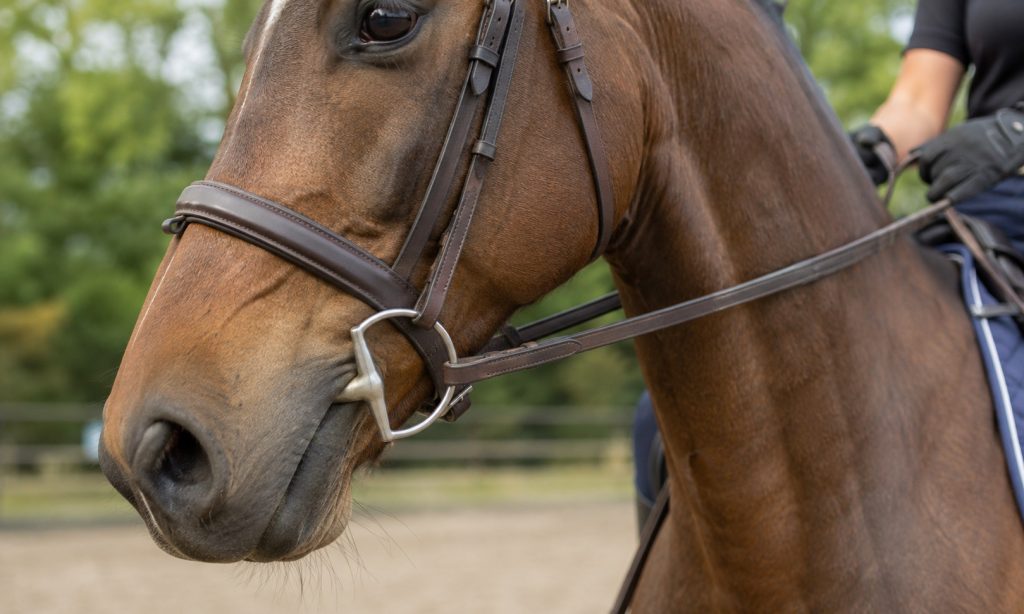
Measure the muzzle and head according to the manufacturer’s chart rather than buying from breed or weight alone. The basket should not press on nostrils or rub the nose, cheeks, or jaw. Straps should secure the muzzle without pinching and should not slip into the eyes. Watch the horse drink from its usual trough or bucket while supervised; advertised drink-through designs still need a real-world check. Remove the muzzle daily to inspect skin, teeth, lips, stitching, buckles, and any chewing damage. A design that fits one horse can be uncomfortable on another, even within the same size category.
Opening, materials, and safe routine
Smaller openings may limit intake more, while larger or adjustable openings may allow easier grazing. The correct balance depends on grass growth, forage availability, dental health, and the individual horse. Avoid sudden all-day use: introduce the muzzle in short supervised periods and look for distress, frustration, heat, or reduced drinking. Check product details for included halter, breakaway components, cleaning, replacement parts, and size-specific openings. Retire a cracked, sharp, chewed, or badly worn muzzle. Provide adequate forage and water, and remove the muzzle at intervals recommended by your veterinary team.
Health plan and pasture management
A grazing muzzle is a management aid, not a treatment or guarantee against laminitis. For a horse with obesity, insulin dysregulation, PPID, or previous laminitis, discuss turnout timing and forage analysis with your veterinarian. See our guide to discussing forage for insulin-resistant horses, our hay choices for insulin-resistant horses, and our questions about feeding horses with PPID. Keep track of body condition and behavior, and revisit the plan as pasture conditions change.
Check clear space around the nostrils, observe whether the horse can take water without difficulty, and remove the muzzle during routine inspections. A safe fit should stay centered without pressing the lips or shifting into the nostrils.
Frequently Asked Questions
Can a horse wear a grazing muzzle all day?
Use depends on the design, horse, and veterinary plan. Check frequently, provide water and forage, and do not leave a newly introduced muzzle on unattended.
Can horses drink while wearing a grazing muzzle?
Some designs are intended to allow drinking, but test access under supervision and confirm that the muzzle does not interfere with the horse’s usual water source.
Will a grazing muzzle prevent laminitis?
No. It may help limit pasture intake, but it cannot guarantee prevention. Ask your veterinarian for a complete risk-management plan.
How should I introduce a muzzle?
Start with short supervised periods, check fit and skin, and gradually follow veterinary or manufacturer guidance. Stop if the horse shows distress or cannot eat or drink comfortably.
How often should I inspect it?
Check it before and after each use for rubbing, loose straps, cracks, chewing, and fit changes. Remove it daily for a thorough skin and hardware check.
Final Verdict
The best grazing muzzle is the one that fits your horse, supports normal breathing and drinking, and works with a realistic forage plan. GreenGuard is the most open design in this roundup, ThinLine offers an adjustable aperture, and Tough1 is a lower-cost integrated option. Best Friend adds a breakaway buckle, while BARN & STABLE, QIANJIEER, and Dmnnlp provide adjustable alternatives with differing materials and listing details. Treat product claims as starting points, measure carefully, and monitor the horse closely. For metabolic or laminitis concerns, choose the muzzle with your veterinarian and pair it with broader pasture management.
Affiliate disclosure: This article contains Amazon affiliate links. If you purchase through them, PetAdvisorPro may earn a commission. As an Amazon Associate I earn from qualifying purchases.