
Good hoof boots start with a measured fit. A slim shell, a broad-opening trail design, and a flexible boot meet different needs. For extra context, see our horse-boot fitting and rubbing checks. This guide compares seven available hoof boots for horses, explaining their features, compromises, and ideal situations. A boot must stay in place without rubbing the pastern. Measure width and length after trimming and use the specific maker’s size chart. Never assume the same fit across brands or between front and hind feet. Correct use also matters. A recovery boot intended for standing is not automatically safe for riding. If your horse becomes short-strided or sore, remove the boot and consult a farrier or veterinarian. Our selections help narrow the choices but cannot guarantee comfort or traction.
Quick Picks
| Product | Best For | Key Advantage | Buy | |
|---|---|---|---|---|
| Cavallo Trek Slim Sole | narrow hooves | slim-profile shell and straightforward closure | View on Amazon | Jump to Review |
| Cavallo Simple Regular Sole | everyday riding | lightweight construction and a regular-sole profile | View on Amazon | Jump to Review |
| Cavallo Sport Regular | schooling | sport-oriented regular shell and outside tread | View on Amazon | Jump to Review |
| Easyboot Trail Original | casual trail rides | a wide opening and hook-and-loop fastening | View on Amazon | Jump to Review |
| Easyboot Glove Soft | precise fitted riding | a close-fitting shell and elastic neoprene gaiter | View on Amazon | Jump to Review |
| Easyboot Sneaker Front | flexible front-foot protection | flexible construction and rubber-urethane tread | View on Amazon | Jump to Review |
| Equine Fusion Active Jogging Shoe | adjustable protection | smart-lock fastening and a cone-locking heel | View on Amazon | Jump to Review |
Cavallo Trek Slim Sole

What We Like
- Slim shape
- Simple application
- Hoof protection
- Narrow-fit option
What We Don’t Like
- May not fit broad hooves
- Single-boot listing
Cavallo Trek Slim Sole is a possible choice for narrow hooves. Its specific distinguishing feature is slim-profile shell and straightforward closure. A narrower shape may help match a slim hoof more closely than a regular pattern. Check the horse at a walk and through gentle turns before assuming the boot will stay stable during work. Use the manufacturer’s own measurements instead of relying on visual guesses or another brand’s size numbering. Hoof shape changes between trims, which makes fit a recurring check rather than a one-time decision.
Measure just after trimming and check heel seating. The front closure should not be forced over a poorly matched hoof. Mud, gravel, and grass affect traction differently, so marketing language cannot guarantee the right outsole for every surface. A boot should not rub the coronary band, pinch the heels, or change a comfortable gait. Closing a strap more tightly cannot repair a fundamentally wrong shell shape. Water and grit can affect closures differently, making cleaning an important part of reliable retention.
A broad, rounded foot may need a different shell. That narrower shell makes careful measurement especially important for horses with uneven or flared hoof walls. Clean fasteners and contact areas after use so retained grit does not undermine comfort or closure. Material flexibility is useful only when the model keeps the hoof stable during its intended activity. Inspect the outsole after several uses for uneven wear that may signal pressure or movement. Front and hind hooves often differ, so confirm that the selected variant is intended for that foot.
My Recommendation
For narrow hooves, consider Cavallo Trek Slim Sole because it offers slim-profile shell and straightforward closure. A broad, rounded foot may need a different shell. Read the full product instructions and compare one suitable alternative before buying. Consider the horse’s needs rather than marketing promises. Seek appropriate professional guidance if an existing health issue affects the decision.
Cavallo Simple Regular Sole

What We Like
- Regular sole
- Lightweight listing
- Regular-profile entry
- Routine use
What We Don’t Like
- Not a slim model
- Sizing still matters
Cavallo Simple Regular Sole is a possible choice for everyday riding. Its specific distinguishing feature is lightweight construction and a regular-sole profile. Its uncomplicated design makes fitting and removal more approachable. Mud, gravel, and grass affect traction differently, so marketing language cannot guarantee the right outsole for every surface. A boot should not rub the coronary band, pinch the heels, or change a comfortable gait. Clean fasteners and contact areas after use so retained grit does not undermine comfort or closure.
Practice slow turns to detect shell movement. A simple closure still requires an exact measured match. Ask a farrier about unusual hoof shape, tenderness, or repeated boot loss before attempting longer rides. Check whether the particular listing supplies a single boot or a pair before comparing total cost. Front and hind hooves often differ, so confirm that the selected variant is intended for that foot. Remove trapped mud after riding to make damage and fastener wear easier to see.
A narrow hoof may require a slim profile instead. For a regular sole, a secure and unforced fit matters more than choosing a familiar-looking size. Check the horse at a walk and through gentle turns before assuming the boot will stay stable during work. Read the maker’s latest measuring instructions because model revisions may change the right size. Width and length must be checked using the size chart for the exact model, not another brand. Fit can change as the hoof grows between farrier appointments, especially near the end of a trim cycle.
My Recommendation
For everyday riding, consider Cavallo Simple Regular Sole because it offers lightweight construction and a regular-sole profile. A narrow hoof may require a slim profile instead. Read the full product instructions and compare one suitable alternative before buying. Consider the horse’s needs rather than marketing promises. Seek appropriate professional guidance if an existing health issue affects the decision.
Cavallo Sport Regular
What We Like
- Sport design
- Outside tread
- Regular fit
- Hoof-wall coverage
What We Don’t Like
- Surface grip varies
- Not every hoof shape
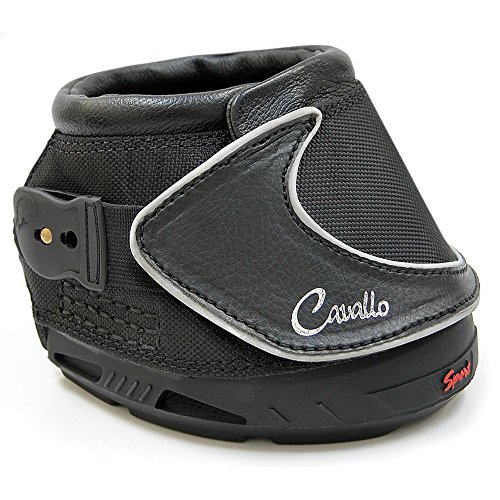
Cavallo Sport Regular is a possible choice for schooling. Its specific distinguishing feature is sport-oriented regular shell and outside tread. The sole pattern adds a specific point of comparison for arena riding. Ask a farrier about unusual hoof shape, tenderness, or repeated boot loss before attempting longer rides. Check whether the particular listing supplies a single boot or a pair before comparing total cost. Check the horse at a walk and through gentle turns before assuming the boot will stay stable during work.
Inspect the outer tread after riding. A regular profile can shift if the hoof is unusually slender. Use the manufacturer’s own measurements instead of relying on visual guesses or another brand’s size numbering. Hoof shape changes between trims, which makes fit a recurring check rather than a one-time decision. Fit can change as the hoof grows between farrier appointments, especially near the end of a trim cycle. A shell that feels snug while standing can still rotate when the horse backs or turns.
No outsole promises reliable grip on every surface. The sport-oriented design still needs a trial on the footing where you normally ride. Mud, gravel, and grass affect traction differently, so marketing language cannot guarantee the right outsole for every surface. Water and grit can affect closures differently, making cleaning an important part of reliable retention. The hoof should sit evenly in the shell without pushing the heel against an uncomfortable edge. Consider whether you can put on and remove the model calmly without upsetting the horse.
My Recommendation
Consider Cavallo Sport Regular for schooling if sport-oriented regular shell and outside tread meets your needs. No outsole promises reliable grip on every surface. Check the full maker’s instructions, compare another suitable option, and prioritize your horse’s individual circumstances. The features are not guaranteed outcomes. Consult a farrier or veterinarian where hoof health, discomfort, or medical questions are involved.
Easyboot Trail Original

What We Like
- Wide-open entry
- Hook-loop fastening
- Polyurethane sole
- Pair listing
What We Don’t Like
- Closures trap dirt
- Trim-cycle fit changes
Easyboot Trail Original is a possible choice for casual trail rides. Its specific distinguishing feature is a wide opening and hook-and-loop fastening. A broad entry can make occasional application easier. Use the manufacturer’s own measurements instead of relying on visual guesses or another brand’s size numbering. Hoof shape changes between trims, which makes fit a recurring check rather than a one-time decision. Mud, gravel, and grass affect traction differently, so marketing language cannot guarantee the right outsole for every surface.
The selected listing describes a pair. Recheck the rear closure as the hoof changes between trims. A boot should not rub the coronary band, pinch the heels, or change a comfortable gait. Clean fasteners and contact areas after use so retained grit does not undermine comfort or closure. Consider whether you can put on and remove the model calmly without upsetting the horse. More adjustment points may help fine-tuning, but they also create more parts to examine for wear.
Fasteners need cleaning to remove grit. Trail use means checking how this boot clears debris after a muddy or sandy stretch. Ask a farrier about unusual hoof shape, tenderness, or repeated boot loss before attempting longer rides. Remove trapped mud after riding to make damage and fastener wear easier to see. A close-fitting gaiter can hold debris near skin unless cleaned and checked after use. Compare the model’s actual permitted use with the horse’s normal workload and riding frequency.
My Recommendation
Consider Easyboot Trail Original for casual trail rides if a wide opening and hook-and-loop fastening meets your needs. Fasteners need cleaning to remove grit. Check the full maker’s instructions, compare another suitable option, and prioritize your horse’s individual circumstances. The features are not guaranteed outcomes. Consult a farrier or veterinarian where hoof health, discomfort, or medical questions are involved.
Easyboot Glove Soft

What We Like
- Form-fitting shell
- Elastic gaiter
- Neoprene layers
- All-terrain tread
What We Don’t Like
- Precise sizing required
- Check gaiter rubbing
Easyboot Glove Soft is a possible choice for precise fitted riding. Its specific distinguishing feature is a close-fitting shell and elastic neoprene gaiter. Its snug outline aims to reduce bulk when the hoof matches the shell. A boot should not rub the coronary band, pinch the heels, or change a comfortable gait. Clean fasteners and contact areas after use so retained grit does not undermine comfort or closure. Ask a farrier about unusual hoof shape, tenderness, or repeated boot loss before attempting longer rides.
Follow EasyCare’s exact fitting guidance. Inspect the gaiter for hairline and pastern rubbing. Check whether the particular listing supplies a single boot or a pair before comparing total cost. Check the horse at a walk and through gentle turns before assuming the boot will stay stable during work. Compare the model’s actual permitted use with the horse’s normal workload and riding frequency. A wide entry can simplify fitting while still requiring proper measurements and secure fastening. Contact a veterinarian if the horse develops new lameness rather than assuming a different boot will solve it.
A close fit is unforgiving of measurement errors. The gaiter deserves a close look where it contacts the pastern and heel bulbs. Use the manufacturer’s own measurements instead of relying on visual guesses or another brand’s size numbering. A shell that feels snug while standing can still rotate when the horse backs or turns. Watch the heel bulbs after a short walk and remove the boot promptly if rubbing appears. Rocky paths and grassy turns present different traction demands, so test on the ground you normally ride.
My Recommendation
For precise fitted riding, consider Easyboot Glove Soft because it offers a close-fitting shell and elastic neoprene gaiter. A close fit is unforgiving of measurement errors. Read the full product instructions and compare one suitable alternative before buying. Consider the horse’s needs rather than marketing promises. Seek appropriate professional guidance if an existing health issue affects the decision.
Easyboot Sneaker Front
What We Like
- Flexible design
- Rubber-urethane sole
- Front-foot variant
- Shock-absorption design
What We Don’t Like
- Front model only
- Monitor sole wear
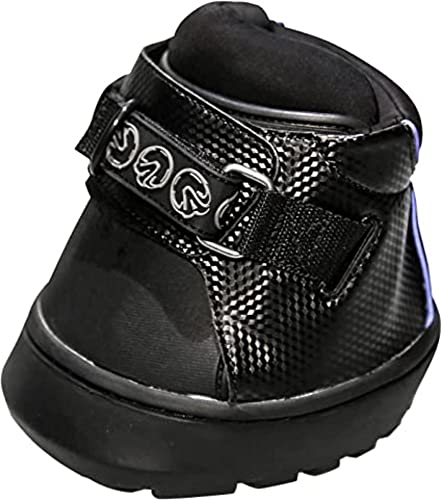
Easyboot Sneaker Front is a possible choice for flexible front-foot protection. Its specific distinguishing feature is flexible construction and rubber-urethane tread. The front-hoof version is a distinct variation to check carefully. Check whether the particular listing supplies a single boot or a pair before comparing total cost. Check the horse at a walk and through gentle turns before assuming the boot will stay stable during work. Use the manufacturer’s own measurements instead of relying on visual guesses or another brand’s size numbering.
Compare sole flexibility with the terrain you normally use. Inspect its tread for uneven wear after rides. Hoof shape changes between trims, which makes fit a recurring check rather than a one-time decision. Mud, gravel, and grass affect traction differently, so marketing language cannot guarantee the right outsole for every surface. Rocky paths and grassy turns present different traction demands, so test on the ground you normally ride. A boot made for standing or treatment should not be assumed suitable for mounted exercise.
Do not assume a front model also fits a hind hoof. For this front-foot version, confirm hoof proportions before comparing it with models made for hind feet. A boot should not rub the coronary band, pinch the heels, or change a comfortable gait. More adjustment points may help fine-tuning, but they also create more parts to examine for wear. Try the boot on level footing before trusting it for a demanding route or long distance. An unusual hoof shape warrants fitting advice from a qualified farrier rather than repeated trial purchases.
My Recommendation
For flexible front-foot protection, consider Easyboot Sneaker Front because it offers flexible construction and rubber-urethane tread. Do not assume a front model also fits a hind hoof. Read the full product instructions and compare one suitable alternative before buying. Consider the horse’s needs rather than marketing promises. Seek appropriate professional guidance if an existing health issue affects the decision.
Equine Fusion Active Jogging Shoe

What We Like
- Smart-lock closure
- Adjustable front
- Cone-locking heel
- Pair model
What We Don’t Like
- More parts to inspect
- Heel fit important
Equine Fusion Active Jogging Shoe is a possible choice for adjustable protection. Its specific distinguishing feature is smart-lock fastening and a cone-locking heel. An adjustable front sets this model apart from a simple wrap closure. Hoof shape changes between trims, which makes fit a recurring check rather than a one-time decision. Mud, gravel, and grass affect traction differently, so marketing language cannot guarantee the right outsole for every surface. A boot should not rub the coronary band, pinch the heels, or change a comfortable gait.
Check the heel position during supervised walking. Front adjustment cannot correct a fundamentally wrong shell size. Clean fasteners and contact areas after use so retained grit does not undermine comfort or closure. Ask a farrier about unusual hoof shape, tenderness, or repeated boot loss before attempting longer rides. An unusual hoof shape warrants fitting advice from a qualified farrier rather than repeated trial purchases. Material flexibility is useful only when the model keeps the hoof stable during its intended activity.
Extra hardware means more components to clean and inspect. The adjustable closure should fasten securely without overtightening, especially if the heel sits asymmetrically. Check whether the particular listing supplies a single boot or a pair before comparing total cost. A wide entry can simplify fitting while still requiring proper measurements and secure fastening. Contact a veterinarian if the horse develops new lameness rather than assuming a different boot will solve it. Record the model and size that fit correctly to simplify future replacement decisions.
My Recommendation
For adjustable protection, consider Equine Fusion Active Jogging Shoe because it offers smart-lock fastening and a cone-locking heel. Extra hardware means more components to clean and inspect. Read the full product instructions and compare one suitable alternative before buying. Consider the horse’s needs rather than marketing promises. Seek appropriate professional guidance if an existing health issue affects the decision.
How to choose best hoof boots for horses
Choosing best hoof boots for horses means matching the actual horse, intended use, and product instructions. Consider the following practical differences before buying. Correct application and ongoing care matter more than strong promotional claims.
Measure and match hoof shape
Take hoof measurements soon after trimming, following the chosen brand’s directions. Width and length are both important. A narrow hoof may fit a slim shell better than a regular shape. The reverse is also possible. Do not order by breed, shoe size, or body weight alone. Ask your farrier to assess hooves with unusual shapes or problems. Once fitted, walk the horse in a safe area and watch for rotation or slipping. Remove the boot and inspect the heel bulbs and hairline for pressure. A boot that twists cannot be made safe simply by pulling every closure tighter. The important result is secure, comfortable movement. Recheck the fit when the hoof grows before its next trim.
Decide which riding task matters
Riding boots, soaking bags, and stall-recovery boots are different categories. Check the exact maker’s instructions for permitted use. A wide-opening model may be attractive for casual riders who remove boots frequently. A performance shell may need more exact measurements and patient adjustment. Compare the sole and tread with your regular ground conditions. Rocks, grass, and mud create different challenges. No single tread guarantees traction in all environments. See our detailed guide to hoof boots for rocky trails for terrain-specific questions. Also confirm whether the product listing contains one boot or a pair. Buying the wrong quantity can make even a suitable design inconvenient.
Check retention and maintenance
A secure closure is only as useful as its condition. Inspect hook-and-loop material, gaiters, fasteners, and soles before every ride. Remove trapped sand or mud. Our guide to cleaning horse boots after muddy rides explains a practical aftercare routine. Wet materials can irritate skin when grit remains trapped. Dry the boot as the manufacturer directs, and check wear before its next use. Hoof shape changes over the trim cycle, so retention should be reassessed regularly. Start new boots with supervised short walks and build up gradually. Stop if rubbing, abnormal gait, swelling, or pain appears. Consult an equine professional for persistent concerns rather than continuing to experiment with closures.
Frequently Asked Questions
Do hoof boots replace horseshoes?
They can offer temporary protection for some horses, but hoof health and workload should guide a farrier’s recommendation.
Can I ride in therapeutic hoof boots?
Only if the maker approves riding. Some therapeutic designs are intended for stall use.
How should I size a hoof boot?
Measure a freshly trimmed hoof and follow the specific brand’s width-and-length chart.
Why do boots twist on the hoof?
Incorrect size, unsuitable shell shape, or changed hoof dimensions are possible causes.
How do I test a new pair?
Use short supervised walks and gentle turns, then inspect the skin and hoof for rubbing.
Final Verdict
For narrower hooves, Cavallo Trek Slim is one shape to compare. Easyboot Trail Original offers broad entry, while Glove Soft demands careful close fitting. Equine Fusion adds a different adjustable approach. The best choice is the one that fits and matches the horse’s activity.
Affiliate disclosure: This article contains Amazon affiliate links. If you purchase through them, PetAdvisorPro may earn a commission. As an Amazon Associate I earn from qualifying purchases.









