
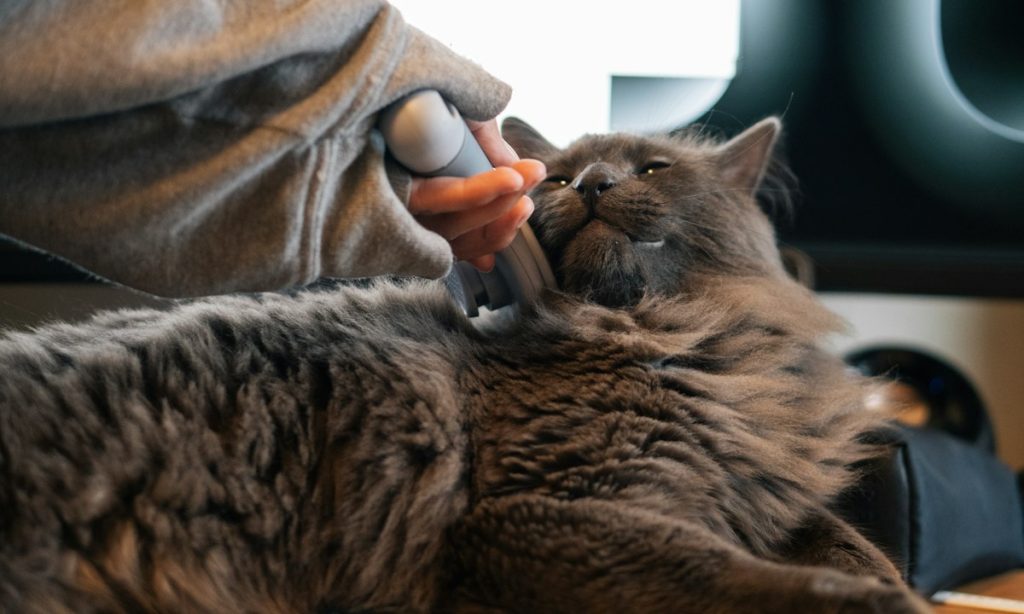
If you want to understand how to use cats safely with kids, start by changing one word: cats are companions, not objects to be used. The practical goal is to help children and cats interact safely while respecting each other’s needs. Even a friendly cat can scratch or bite when frightened, restrained, or disturbed during sleep. Children need clear, consistent rules, and cats need a reliable way to leave an interaction.
Parents looking into cats for kids may focus first on temperament or breed. A calm animal still needs appropriate handling, supervision, and personal space. This guide explains how to prepare a room, teach gentle touch, recognize discomfort, structure play, and respond to accidents. It focuses on everyday family habits rather than assuming every cat will enjoy cuddling. Safe relationships are built through choice and repetition, not forced affection.
Prepare a Safe Home Environment
Set up a quiet area where the cat can rest without interruption. Include water, suitable food, litter access, bedding, and a hiding place. Put the litter box where a cat can enter and leave without being cornered by people or other animals. Give the cat an elevated perch or separate room when appropriate. Explain to children that a retreat is private space, not a place to follow the cat.
Secure window screens and keep cords, medications, tiny toys, and potentially toxic plants out of reach. A young child may accidentally leave doors open, so agree on household rules for entrances. Place the cat’s resources away from rough games. The goal is to make escape from interaction easy, not to isolate the cat from family life. A predictable home reduces unwanted confrontations before they begin.
Make Adult Supervision Non-Negotiable
A responsible adult should supervise direct interaction between young children and cats. Sitting nearby is not always enough when hands can grab quickly. Watch how both the child and the cat respond. Stop the interaction before stress escalates. Infants and toddlers should not be left alone with a cat, even when the animal has behaved gently in the past.
Older children can learn greater responsibility, but age alone does not guarantee safe judgment. Practice rules together and correct mistakes calmly. If a child becomes excited or noisy, redirect the child rather than expecting the cat to tolerate everything. Never require a cat to remain for cuddling or photographs. The safest approach is to let the cat decide whether to approach and how long to stay.
Teach Children How to Offer Gentle Touch
Show children how to sit calmly, let the cat approach, and offer a relaxed hand for sniffing. Pet briefly along comfortable areas, commonly the shoulders or upper back, if the cat welcomes touch. Avoid grabbing paws, ears, whiskers, tail, or belly. Each cat has individual preferences. After a few strokes, pause and look for an invitation to continue.
Use simple language with younger children: “soft hands,” “no squeezing,” and “let the cat walk away.” Demonstrate with a stuffed animal before practicing with a live cat. If the cat turns away, stiffens, or leaves, the interaction ends. Reward the child for respecting that decision. FYI, a cat choosing to sit nearby can be a sign of comfort even without sitting on someone’s lap.
Read Cat Body Language Before Problems Start
Observe ear position, tail movement, posture, and facial expression together. A cat with a tense body, flattened ears, rapidly twitching tail, dilated pupils, or growling may need space. A still cat is not automatically relaxed; freezing can also signal fear. Hissing is useful communication. Do not punish a warning, because it tells you the cat wants more distance.
Teach children to recognize calm behavior too: relaxed muscles, ordinary movements, and a cat who approaches voluntarily. Stop play when a cat repeatedly avoids contact or swats at a toy held near its body. Observe patterns rather than overinterpreting one ear or tail position. When adults notice early signs, they can redirect both parties before a scratch or bite occurs.
Choose Play That Keeps Hands Away From Claws
Use appropriate wand toys or rolling toys to create distance between a child’s fingers and the cat’s mouth or claws. An adult should supervise toys with strings, feathers, or small pieces and put them away afterward. Never teach a kitten to attack moving fingers or toes. Such habits may be amusing briefly but become painful as the cat grows.
Keep play sessions short and end before either participant becomes overexcited. Let the cat chase and capture the toy occasionally. If the cat grabs clothing or skin, stop movement and ask an adult to help redirect. Avoid shouting or physical punishment. Games should be enjoyable for both sides. IMO, the best family play routine leaves the cat wanting another gentle session, not needing to hide for an hour.
Handling, Holding, and Picking Up Cats
Many cats dislike being picked up, and children may not support the body properly. Teach children not to lift a cat without adult permission and demonstrated technique. Never carry a cat by its scruff, legs, or tail. A cat struggling to get down should be allowed to return safely to the floor, with an adult preventing an uncontrolled drop.
For younger children, sitting on the floor while the cat chooses to approach is usually simpler than carrying. If a cat needs to be moved for safety, let an experienced adult do it calmly. Avoid holding an unwilling cat near the child’s face. When an animal resists repeated handling, change the routine rather than trying to train the animal to endure discomfort.
Set Rules for Mealtimes, Sleep, and Litter
Do not disturb cats while they eat, sleep, or use the litter box. A cat may react defensively when startled or blocked from leaving. Teach children to observe from a distance and wait for the animal to finish. Feeding should happen on a predictable schedule with appropriate portions and adult oversight. Kids can help with simple preparation tasks when they can do so hygienically and safely.
Adults should manage litter cleaning and supervise handwashing after animal contact or touching pet supplies. Keep food-preparation surfaces separate from litter supplies. Children should not offer human snacks or medicines to the cat. These everyday boundaries reduce health and behavior risks without making the animal seem dangerous. A home can be affectionate and orderly at the same time.
Respond Calmly to Scratches or Bites
If a cat scratches or bites someone, separate the participants without hitting or frightening the cat. Wash minor wounds promptly with soap and running water. Seek medical advice for puncture wounds, deep injuries, hand or face bites, signs of infection, or wounds involving a child with health concerns. Cat bites can become infected. Ask a clinician about rabies or tetanus considerations when relevant to the circumstances.
After everyone is safe, identify what happened immediately before the incident. Was the cat sleeping, trapped, picked up, or showing warnings? Change the environment or supervision so the situation does not repeat. If biting or aggression becomes frequent, arrange a veterinary evaluation to rule out pain or illness, and ask about qualified behavior support. Blaming the cat or child rarely produces an effective prevention plan.
Frequently Asked Questions
Children and cats can develop strong bonds, but those bonds depend on patient teaching and supervision. The most helpful rules are clear, repeatable, and easy to enforce on busy days.
These short answers cover typical questions about ages, sleeping, touching, and difficult behavior. If a cat seems ill or aggressive without an obvious cause, consult a veterinarian.
Can toddlers be left alone with a family cat?
No. Provide close adult supervision during direct contact, and separate the cat and child when supervision cannot be maintained.
Where should a child pet a cat?
Let the cat approach first. Brief, gentle strokes around the back or shoulders are often better tolerated than grabbing paws, tail, or belly.
What does hissing mean?
Hissing usually signals discomfort or a desire for distance. Stop the interaction, allow escape, and look for the trigger.
Should children pick up cats?
Only with adult permission and proper instruction, and only when the cat accepts handling. Sitting together on the floor is often easier.
What if a cat scratches a child?
Separate them, wash the wound, and seek medical advice when the injury warrants it. Review supervision and the cat’s warning signals.
Final Words
Understanding how to use cats safely with kids really means helping children interact respectfully with a living animal. Provide refuge, supervise closely, teach gentle touch, and stop play at the first signs of discomfort. Every family member should protect the cat’s right to leave.
Choosing cats for kids is only the starting point. Consistent daily habits matter more than a breed label or a single good meeting. With patience and adult guidance, children can learn empathy and cats can gain confidence in a home where their boundaries are understood.









