
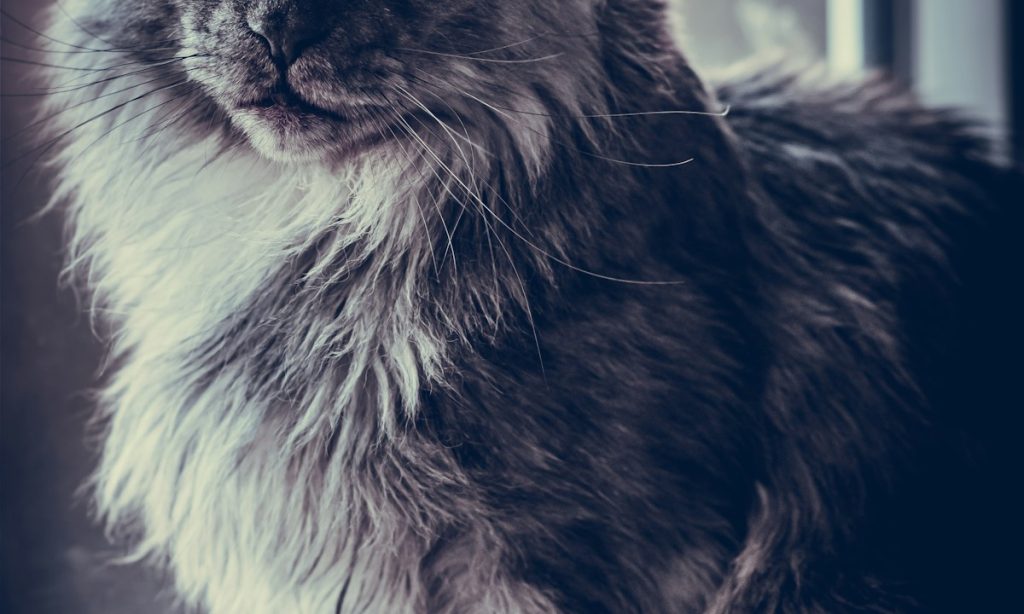
Long-haired cats can look beautifully groomed one day and develop tangles the next. Learning how to care for long hair cats between grooming sessions means checking small areas before knots become painful. Thick coats can hide mats behind the legs, under the chest, and around a collar. Daily observation is easier than removing days of tangles in one sitting. The goal is a healthy coat and a relaxed cat, not a perfect hairstyle.
A comb for long hair cats may help, but gentle handling matters as much as the tool. Some cats welcome brief sessions; others need practice. This guide covers inspecting fur, removing loose hair, avoiding dangerous mat removal, checking skin, and choosing professional help. You will also learn how to recognize changes that may suggest illness. A steady routine keeps grooming manageable without turning every session into a wrestling match.
Inspect Hidden Areas of the Coat
Check the coat while your cat is calm. Part the fur gently along the shoulders, sides, chest, legs, and lower body. Search for clumps that refuse to separate, oily patches, dandruff, redness, or debris. Run your fingertips through surface hair before using a comb. If the cat flinches or moves away, pause and consider discomfort. A cat may need medical attention when grooming unexpectedly becomes painful.
Focus on friction areas near the armpits and behind the ears, where hair often rubs together. Check beneath any collar. Thick fur may conceal irritated skin until mats pull tightly. The daily cat coat and skin inspection guide offers a broader checklist. Quick checks help you act before minor knots become a bigger problem. Observe the same problem spots frequently, especially after active play or outdoor time.
Keep Combing Sessions Short and Gentle
Choose a quiet place and a time when the cat is relaxed. Start along the shoulders or back with smooth strokes in the direction of hair growth. Support long hair near the skin to reduce pulling. Use rounded comb teeth, and stop if the tool catches. You may need a wider-toothed comb for loose sections before attempting finer teeth. Never scrape repeatedly over the same sensitive area.
A comb for long hair cats should not be forced through a knot. For related coat tools, consult our guide to brushes for long-haired cats. Try a few passes and finish before the cat becomes restless. Offer an appropriate reward for calm participation. A nervous cat may need several sessions simply seeing and sniffing the tool first. FYI, a brief comfortable check is often a better starting point than a complete grooming session with a struggling animal. Patience helps protect the next session.
Remove Loose Tangles Without Pulling
Some small tangles can be separated with fingertips near the ends of the hair. Hold the strands close to the skin to reduce tugging, then gently work toward the base. If hair loosens easily, a smooth comb can finish the inspection. Never pull harder when the comb becomes stuck. Pain and skin stretching are signs to stop. A small tangle is not an emergency, but worsening matting can cause discomfort.
Tight mats should be assessed by a qualified groomer or veterinarian. Do not use scissors close to cat skin. Thin skin can become folded into a mat and be accidentally cut. Avoid soaking heavy mats in water without advice, as they may tighten. If tangles return rapidly, consider the coat type, your routine, and whether arthritis or another problem limits the cat’s own grooming. Safe care sometimes means leaving a difficult knot for a professional.
Clean and Check Grooming Equipment
Remove collected hair from tools after each session. Wash and dry combs according to their instructions, especially when they collect skin flakes, oils, or dirt. Inspect teeth for rough edges or bends that might scratch. Store the tool in a dry, clean place. Equipment that catches hair repeatedly may be worn or unsuitable. Do not share brushes among cats with possible contagious skin problems without veterinary cleaning advice.
For more detail, see how to clean and store a grooming comb. Avoid strongly scented products and human cosmetics on cats, which may lick their fur after grooming. Do not assume a coat spray is safe merely because it is marketed as gentle. IMO, a well-maintained basic tool is more useful than an entire drawer of specialized gadgets that pull at the coat.
Keep the Rear and Paws Comfortable
Long hair around the rear can catch litter or stool, especially after soft bowel movements. Check this area gently after litter-box use. Minor debris may be wiped away with a cat-safe method recommended by a veterinarian. Dry damp hair carefully. Persistent soiling deserves attention because it can indicate diarrhea, obesity, or limited mobility. A professional sanitary trim may be appropriate when long hair repeatedly becomes dirty.
Inspect tufts around paws and between toes for litter clumps, foreign material, or tangles. Do not aggressively trim close to delicate skin. If the cat struggles during cleaning, stop and arrange help rather than restraining it forcefully. Check litter habits as well. Difficulty eliminating, repeated diarrhea, or urinary symptoms need veterinary assessment. Grooming can reveal an underlying problem, but it does not replace proper treatment.
Support Normal Self-Grooming
Cats groom themselves, but a long coat may require assistance to reach deeper layers. Give your cat comfortable resting areas, appropriate activity, and accessible spaces. Senior or overweight cats may struggle to reach their lower back or hindquarters. If a previously tidy cat suddenly develops greasy fur or large mats, consider whether pain, dental disease, or reduced mobility has changed its habits.
A complete, balanced diet supports normal health, but an unproven supplement is not a reliable solution to coat problems. Seek advice for sudden shedding changes, bald patches, sores, or intense scratching. Parasites, skin disease, and other conditions may be involved. Keep observations about appetite, drinking, mobility, and behavior alongside coat changes. This wider view helps a veterinarian investigate the underlying reason a cat has stopped cleaning itself.
Plan Around Seasonal Shedding and Stress
Some cats shed more noticeably as the season changes or when indoor conditions shift. Frequent short grooming sessions can manage loose hair without repeatedly scraping the skin. Work on one section at a time and check the cat’s reaction. Never insist on finishing every area during the same session. If a cat frequently develops mats in particular places, note them and check those areas more regularly.
Notice signs of stress such as ears back, tail thrashing, growling, body tension, or sudden avoidance. Respect these signals and shorten the next attempt. Avoid using human sedatives or calming products for routine grooming. If the cat is consistently distressed, ask a veterinarian about pain and consider qualified grooming or behavior assistance. The goal of how to care for long hair cats between grooming sessions is comfort and health rather than cosmetic perfection.
When to Ask a Veterinarian or Groomer
Professional help is appropriate for tight mats, widespread tangles, open wounds, painful areas, or a cat that cannot tolerate necessary grooming. A veterinarian can assess pain, skin disease, or medical causes of grooming decline. An experienced cat groomer may help with safe maintenance and limited trimming when medically appropriate. Let the professional know about age, health conditions, previous reactions, and areas that worry you.
Schedule support before mats become large and painful. Repeated vomiting, poor appetite, or marked weight changes should not be dismissed as ordinary hairball or grooming concerns. A cat’s comfort and general health are more important than a perfectly smooth coat. Thoughtful home care and professional support can work together without forcing a frightened animal through an unpleasant procedure.
Frequently Asked Questions
There is no single schedule that suits every long-haired cat. Coat density, shedding, health, and tolerance all affect routine care. These short answers address the issues owners most often encounter.
Observe the cat’s response after each session. New sensitivity, skin irritation, or sudden grooming changes should prompt veterinary guidance rather than increasingly forceful brushing.
Should I comb a long-haired cat every day?
Frequent brief checks help many cats, sometimes daily. Choose a schedule that suits the individual coat and comfort level.
Can I cut out a mat using scissors?
Avoid cutting near skin, which can be pulled into the mat. Ask a veterinarian or qualified groomer about safe removal.
Is a comb better than a brush?
Both can be useful for different coats. The best tool moves smoothly and does not scratch, snag, or pull.
What if my cat bites during grooming?
Stop, allow space, and check for pain, pressure, or an overly long session. Do not punish the response.
When is a messy coat a medical concern?
Seek advice for sudden coat decline, wounds, bald patches, painful mats, or an abrupt loss of self-grooming.
Final Words
How to care for long hair cats between grooming sessions comes down to regular gentle observation. Check hidden friction areas, work loose strands carefully, maintain clean tools, and stop when the cat becomes uncomfortable. Never cut tight mats near the skin or ignore sudden changes in coat condition. Ask for professional support when home care stops being comfortable or safe.
A comb for long hair cats can support a patient routine, but your cat’s cooperation matters most. Combine calm practice with qualified grooming when necessary. A healthy coat should not come at the cost of a frightening or painful experience. Consistent, small efforts make it easier to notice changes and keep long hair manageable.









