
Finding the best respiratory supplement for horses begins with understanding what supplements can—and cannot—do. Dusty hay, inadequate ventilation, pollen, infections, and equine asthma can all be associated with coughing or breathing difficulty, yet none is reliably fixed by a feed supplement. This guide compares seven identifiable products, from spirulina pellets to herbal powders and single-use oral syringes, based on their listed ingredients, formats, and practical tradeoffs. We explain which options may fit a veterinarian-approved nutrition plan and which claims deserve extra scrutiny. A horse that coughs repeatedly, produces nasal discharge, struggles to breathe, or loses exercise tolerance needs veterinary assessment rather than a new scoop of powder. Start with reducing airborne irritants and creating a sensible feeding routine; use any supplement only as an optional part of that larger plan.
Quick Picks
| Product | Best For | Key Advantage | Buy | |
|---|---|---|---|---|
| HEAVE HO Respiratory & Immune Support | multi-ingredient daily blend | vitamins with herbs | View on Amazon | Jump to Review |
| SmartEquine Smart & Simple Spirulina | single-main-ingredient feeding | spirulina pellets | View on Amazon | Jump to Review |
| Silver Lining Herbs Respiratory Lung Support | traditional herbal feed mixes | mullein and herbal blend | View on Amazon | Jump to Review |
| AniMed Histall-H | simple seasonal feed supplement | respiratory-focused formula | View on Amazon | Jump to Review |
| NXP Ventus Air Respiratory Liquid | owners preferring a liquid | menthol-flavored formula | View on Amazon | Jump to Review |
| Ramard Total Respiratory & Endurance Syringe | single-serving travel use | measured syringe format | View on Amazon | Jump to Review |
| Equi-Breeze Respiratory Support Powder | a powdered herbal comparison | short-course herb powder | View on Amazon | Jump to Review |
1. HEAVE HO Respiratory & Immune Support

What We Like
- Equine-oriented formulation
- Vitamins C and E included
- Zinc and magnesium listed
- Feed-mix daily format
What We Don’t Like
- Complex herbal ingredient mix
- Clinical effectiveness not established
HEAVE HO Respiratory & Immune Support is one option for multi-ingredient daily blend. The listed HEAVE HO formula combines herbal ingredients with vitamins C and E, zinc, and magnesium. That makes it a broad nutritional blend rather than a single-purpose medication. The key to comparing this product is to look at the actual formula and ask how its listed nutritional or physical features match the specific task. Do not assume the leading marketing phrase describes an independently proven outcome.
For a horse already eating a balanced ration, the key question is whether these additional nutrients are appropriate. A consistent daily serving is easier to assess than switching products whenever pollen counts change. For practical daily use, consider the horse’s usual schedule and the exact instructions printed on the product in hand. Compare the package and serving details with alternatives before deciding whether this format will be convenient in your barn. Check the current container directions for serving size and mixing instructions.
The proprietary-herb component limits independent comparison of individual plant amounts. The product’s respiratory positioning does not establish that it can treat asthma, infection, or an unexplained cough. This is the main limitation to weigh alongside the features. The right choice depends on the individual horse, its existing routine, and whether a simpler alternative would accomplish the same purpose without additional risk or unnecessary complexity. Respiratory distress needs a veterinarian immediately; this is not emergency treatment. Product marketing should not be mistaken for independent veterinary clinical evidence.
My Recommendation
My recommendation is to compare HEAVE HO Respiratory & Immune Support when multi-ingredient daily blend is a specific priority. Its vitamins with herbs approach is a meaningful distinction, but it is worth measuring against competing formulas or designs. The proprietary-herb component limits independent comparison of individual plant amounts. The product’s respiratory positioning does not establish that it can treat asthma, infection, or an unexplained cough. Consider the whole management context and the current label rather than relying on a headline promise.
2. SmartEquine Smart & Simple Spirulina

What We Like
- Spirulina amount identified
- Apple-banana pellet format
- Equine-specific product
- Defined serving-based packaging
What We Don’t Like
- Not an asthma medication
- Extra supplement may be unnecessary
SmartEquine Smart & Simple Spirulina is one option for single-main-ingredient feeding. Smart & Simple Spirulina lists 15,000 milligrams of spirulina per serving and comes in apple-banana-flavored pellets. It offers a narrower ingredient concept than several mixed-herb alternatives. The key to comparing this product is to look at the actual formula and ask how its listed nutritional or physical features match the specific task. Do not assume the leading marketing phrase describes an independently proven outcome. A feeding diary is more useful than relying on a dramatic product promise.
Pellets may fit barns where powders are left at the bottom of a feed tub. Consider how much concentrate the horse receives and whether its usual daily ration can accommodate another measured serving. For practical daily use, consider the horse’s usual schedule and the exact instructions printed on the product in hand. Compare the package and serving details with alternatives before deciding whether this format will be convenient in your barn. Observe whether the horse finishes its feed before buying a larger quantity.
Spirulina is not a substitute for airway treatment, and a single-main-ingredient label does not guarantee clinical benefit. Confirm any need for extra nutrients and check tolerance after introduction. This is the main limitation to weigh alongside the features. The right choice depends on the individual horse, its existing routine, and whether a simpler alternative would accomplish the same purpose without additional risk or unnecessary complexity. Product marketing should not be mistaken for independent veterinary clinical evidence. Discuss ingredients with your veterinarian, especially when medications are already being used.
My Recommendation
My recommendation is to compare SmartEquine Smart & Simple Spirulina when single-main-ingredient feeding is a specific priority. Its spirulina pellets approach is a meaningful distinction, but it is worth measuring against competing formulas or designs. Spirulina is not a substitute for airway treatment, and a single-main-ingredient label does not guarantee clinical benefit. Confirm any need for extra nutrients and check tolerance after introduction. Consider the whole management context and the current label rather than relying on a headline promise.
3. Silver Lining Herbs Respiratory Lung Support

What We Like
- Mullein listed in formula
- Echinacea and garlic included
- Powder for feed mixing
- Equine-focused product
What We Don’t Like
- Several herbs to evaluate
- Powder acceptance can vary
Silver Lining Herbs Respiratory Lung Support is one option for traditional herbal feed mixes. Silver Lining Herbs uses a powdered blend that the listing identifies with mullein, echinacea, garlic, and other herbs. This is intended for regular addition to horse feed. The key to comparing this product is to look at the actual formula and ask how its listed nutritional or physical features match the specific task. Do not assume the leading marketing phrase describes an independently proven outcome.
The format may appeal to owners already using moist feed, but herbal palatability varies. Review the ingredient list carefully with a veterinarian, especially for horses receiving other products or competing under medication rules. For practical daily use, consider the horse’s usual schedule and the exact instructions printed on the product in hand. Compare the package and serving details with alternatives before deciding whether this format will be convenient in your barn. A clear daily routine makes it easier to notice appetite or tolerance changes.
A long botanical list increases the work of checking potential interactions. Natural origin should not be confused with proven safety or effectiveness for breathing disease. This is the main limitation to weigh alongside the features. The right choice depends on the individual horse, its existing routine, and whether a simpler alternative would accomplish the same purpose without additional risk or unnecessary complexity. Discuss ingredients with your veterinarian, especially when medications are already being used. Consider the simpler formula if the full ingredient panel is difficult to interpret.
My Recommendation
My recommendation is to compare Silver Lining Herbs Respiratory Lung Support when traditional herbal feed mixes is a specific priority. Its mullein and herbal blend approach is a meaningful distinction, but it is worth measuring against competing formulas or designs. A long botanical list increases the work of checking potential interactions. Natural origin should not be confused with proven safety or effectiveness for breathing disease. Consider the whole management context and the current label rather than relying on a headline promise.
4. AniMed Histall-H
What We Like
- Horse-specific supplement
- Seasonal-use positioning
- 20-ounce package
- Feed supplement approach
What We Don’t Like
- Ingredient detail needs checking
- No disease-treatment proof
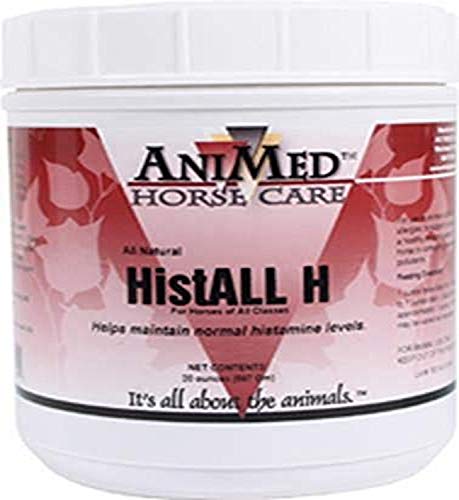
AniMed Histall-H is one option for simple seasonal feed supplement. AniMed Histall-H is sold as a respiratory and immune support product for horses and is packaged as a 20-ounce supplement. Its listing specifically positions the formula around seasonal irritants. The key to comparing this product is to look at the actual formula and ask how its listed nutritional or physical features match the specific task. Do not assume the leading marketing phrase describes an independently proven outcome.
Because its listed details are less extensive than some alternatives, ask for the current ingredient panel and precise serving guidance before buying. Choosing by brand familiarity alone will not establish a nutritional need. For practical daily use, consider the horse’s usual schedule and the exact instructions printed on the product in hand. Compare the package and serving details with alternatives before deciding whether this format will be convenient in your barn. Avoid doubling up on vitamins, minerals, or herbal blends without reviewing totals.
Seasonal coughing can be related to hay dust, pollen, infection, or asthma. The product’s description cannot distinguish those causes and should not delay an equine veterinary examination. This is the main limitation to weigh alongside the features. The right choice depends on the individual horse, its existing routine, and whether a simpler alternative would accomplish the same purpose without additional risk or unnecessary complexity. Consider the simpler formula if the full ingredient panel is difficult to interpret.
My Recommendation
My recommendation is to compare AniMed Histall-H when simple seasonal feed supplement is a specific priority. Its respiratory-focused formula approach is a meaningful distinction, but it is worth measuring against competing formulas or designs. Seasonal coughing can be related to hay dust, pollen, infection, or asthma. The product’s description cannot distinguish those causes and should not delay an equine veterinary examination. Consider the whole management context and the current label rather than relying on a headline promise.
5. NXP Ventus Air Respiratory Liquid

What We Like
- Liquid rather than powder
- Menthol flavor listed
- One-quart format
- Horse-specific product
What We Don’t Like
- Strong relief claims lack proof
- Careful liquid measurement needed
NXP Ventus Air Respiratory Liquid is one option for owners preferring a liquid. NXP Ventus Air is a liquid formula supplied in a one-quart container. Its listing references menthol flavor and markets the product toward seasonal respiratory comfort. The key to comparing this product is to look at the actual formula and ask how its listed nutritional or physical features match the specific task. Do not assume the leading marketing phrase describes an independently proven outcome. Compare the supplied ingredients against the horse’s complete ration, not a single symptom.
Liquid administration may be convenient when a horse refuses certain powders, provided the label permits the planned route and the horse accepts the flavor. Measure carefully instead of assuming a liquid works faster. For practical daily use, consider the horse’s usual schedule and the exact instructions printed on the product in hand. Compare the package and serving details with alternatives before deciding whether this format will be convenient in your barn. Check the current container directions for serving size and mixing instructions.
Marketing statements about mucus and increased oxygenation should not be treated as proven therapeutic outcomes. A horse with persistent cough or difficulty breathing needs veterinary care, not a liquid shortcut. This is the main limitation to weigh alongside the features. The right choice depends on the individual horse, its existing routine, and whether a simpler alternative would accomplish the same purpose without additional risk or unnecessary complexity. Respiratory distress needs a veterinarian immediately; this is not emergency treatment.
My Recommendation
My recommendation is to compare NXP Ventus Air Respiratory Liquid when owners preferring a liquid is a specific priority. Its menthol-flavored formula approach is a meaningful distinction, but it is worth measuring against competing formulas or designs. Marketing statements about mucus and increased oxygenation should not be treated as proven therapeutic outcomes. A horse with persistent cough or difficulty breathing needs veterinary care, not a liquid shortcut. Consider the whole management context and the current label rather than relying on a headline promise.
6. Ramard Total Respiratory & Endurance Syringe

What We Like
- Portable syringe format
- Horse-oriented labeling
- Compact single-unit size
- Peppermint oil listed
What We Don’t Like
- Not an ongoing feed staple
- Performance claims need scrutiny
Ramard Total Respiratory & Endurance Syringe is one option for single-serving travel use. Ramard Total Respiratory & Endurance is packaged as a half-ounce syringe rather than a bag of daily feed supplement. The listing identifies ingredients including peppermint oil and other components. The key to comparing this product is to look at the actual formula and ask how its listed nutritional or physical features match the specific task. Do not assume the leading marketing phrase describes an independently proven outcome.
A ready syringe offers a different handling routine from loose powder, but the route, timing, and suitability must follow the actual label. Riders should check competition substance rules rather than relying on performance slogans. For practical daily use, consider the horse’s usual schedule and the exact instructions printed on the product in hand. Compare the package and serving details with alternatives before deciding whether this format will be convenient in your barn. Observe whether the horse finishes its feed before buying a larger quantity.
Claims about faster race times or improved oxygen uptake are not sufficient evidence for medical effectiveness. This product should not be used to mask signs of respiratory trouble before work. This is the main limitation to weigh alongside the features. The right choice depends on the individual horse, its existing routine, and whether a simpler alternative would accomplish the same purpose without additional risk or unnecessary complexity. Product marketing should not be mistaken for independent veterinary clinical evidence.
My Recommendation
My recommendation is to compare Ramard Total Respiratory & Endurance Syringe when single-serving travel use is a specific priority. Its measured syringe format approach is a meaningful distinction, but it is worth measuring against competing formulas or designs. Claims about faster race times or improved oxygen uptake are not sufficient evidence for medical effectiveness. This product should not be used to mask signs of respiratory trouble before work. Consider the whole management context and the current label rather than relying on a headline promise.
7. Equi-Breeze Respiratory Support Powder

What We Like
- Powder designed for horses
- One-month package listed
- Herbal formula category
- Can be mixed with feed
What We Don’t Like
- Cough-relief claims unproven
- Herbal ingredients need screening
Equi-Breeze Respiratory Support Powder is one option for a powdered herbal comparison. Equi-Breeze is an equine herbal powder promoted for respiratory support and offered in a one-month supply. The listing uses strong cough and congestion language that deserves scrutiny. The key to comparing this product is to look at the actual formula and ask how its listed nutritional or physical features match the specific task. Do not assume the leading marketing phrase describes an independently proven outcome.
For an owner comparing powders, examine the exact ingredient amounts and instructions rather than assuming a shorter supply means a faster response. Monitor feed acceptance and discuss all botanical components with a veterinarian. For practical daily use, consider the horse’s usual schedule and the exact instructions printed on the product in hand. Compare the package and serving details with alternatives before deciding whether this format will be convenient in your barn. A clear daily routine makes it easier to notice appetite or tolerance changes.
Product claims about relieving coughing or mucus should not be repeated as established clinical results. Seek diagnosis of any recurring respiratory sign before deciding whether this supplement belongs in the ration. This is the main limitation to weigh alongside the features. The right choice depends on the individual horse, its existing routine, and whether a simpler alternative would accomplish the same purpose without additional risk or unnecessary complexity. Discuss ingredients with your veterinarian, especially when medications are already being used.
My Recommendation
My recommendation is to compare Equi-Breeze Respiratory Support Powder when a powdered herbal comparison is a specific priority. Its short-course herb powder approach is a meaningful distinction, but it is worth measuring against competing formulas or designs. Product claims about relieving coughing or mucus should not be repeated as established clinical results. Seek diagnosis of any recurring respiratory sign before deciding whether this supplement belongs in the ration. Consider the whole management context and the current label rather than relying on a headline promise.
How to choose best respiratory supplement for horses
Choosing the best respiratory supplement for horses is less about dramatic breathing promises and more about ingredient transparency, suitable feeding format, and veterinary oversight. Evaluate the horse and its environment first, then decide whether a nutritional product adds anything useful to the existing management plan.
Investigate airway triggers before buying
Respiratory signs are not a single diagnosis. A horse may cough during feeding because hay is dusty, after exercise because of airway inflammation, or during illness for an entirely different reason. Record when symptoms occur and have the veterinarian examine recurring coughs, wheezing, abnormal nostril flare, or discharge. Reduce inhaled particles by checking hay hygiene, maintaining ventilation, and considering low-dust bedding. Our guide to reading horse-feed and hay labels helps place a product in the full ration. No herbal mixture can replace airway diagnosis, environmental changes, or prescribed medication. A product should be compared only after those important steps are underway.
Compare ingredient profiles and serving formats
Some products emphasize spirulina, others mix several herbs, and still others use liquids or oral syringes. Single-ingredient options can be easier to evaluate against a specific nutrition goal, whereas complex blends require more careful review for medication interactions, dose uncertainty, and competition restrictions. Check the complete ingredient label rather than trusting words such as ‘breathing relief’ or ‘veterinarian formulated.’ Consider whether the horse reliably eats pellets, tolerates powders in feed, or requires a measured liquid. Confirm the suggested daily amount against the horse’s actual weight and current supplement intake. More ingredients do not automatically mean better respiratory outcomes. Ask a veterinarian or equine nutritionist whether the proposed formula addresses a documented dietary need.
Build an observable, realistic management plan
Introduce only one optional product at a time after professional clearance, using its current manufacturer’s instructions. Keep notes on appetite, manure, energy, respiratory signs, and any unusual reactions. The aim is to evaluate feeding practicality and tolerability, not to assume a marketing claim is proof of clinical benefit. A consistent forage and housing plan matters more than frequently switching brands. If the horse needs controlled intake or reduced dust from forage, our hay-net comparison may help with feeding setup, although hay nets themselves do not eliminate dust. Stop the supplement and contact the veterinarian if adverse signs arise. Never delay treatment when breathing is labored or symptoms worsen.
Frequently Asked Questions
Can respiratory supplements cure equine asthma?
No. Supplements are not established cures for equine asthma. Veterinary diagnosis, reduced exposure to airborne irritants, and medication when indicated are the priorities.
Is spirulina proven to stop coughing in horses?
A spirulina product may supply nutrients, but its listing alone does not establish effectiveness for treating a cough. Ask your veterinarian to investigate the cause.
Should I use an herbal formula when my horse has nasal discharge?
Do not treat new or persistent nasal discharge with herbs alone. Infection and other conditions require veterinary evaluation before supplement selection.
Are powders better than liquid respiratory supplements?
Neither delivery format is automatically superior. Choose based on the ingredient label, dosing practicality, your horse’s feed preferences, and veterinary guidance.
What else helps a dusty stable?
Improve ventilation and use appropriate low-dust forage and bedding. Avoid sweeping near the horse and discuss persistent respiratory signs with a veterinarian.
Final Verdict
For straightforward nutritional comparison, the spirulina pellets offer a distinct single-main-ingredient approach, while the HEAVE HO product offers a more complex blend. Neither should be presented as a treatment for asthma or an unexplained cough. Compare ingredients and how the product fits the daily ration, then prioritize lower dust exposure and professional advice. If feeding concerns are part of your management plan, explore how to change a horse’s feed gradually before making several changes at once.
Affiliate disclosure: This article contains Amazon affiliate links. If you purchase through them, PetAdvisorPro may earn a commission. As an Amazon Associate I earn from qualifying purchases.