
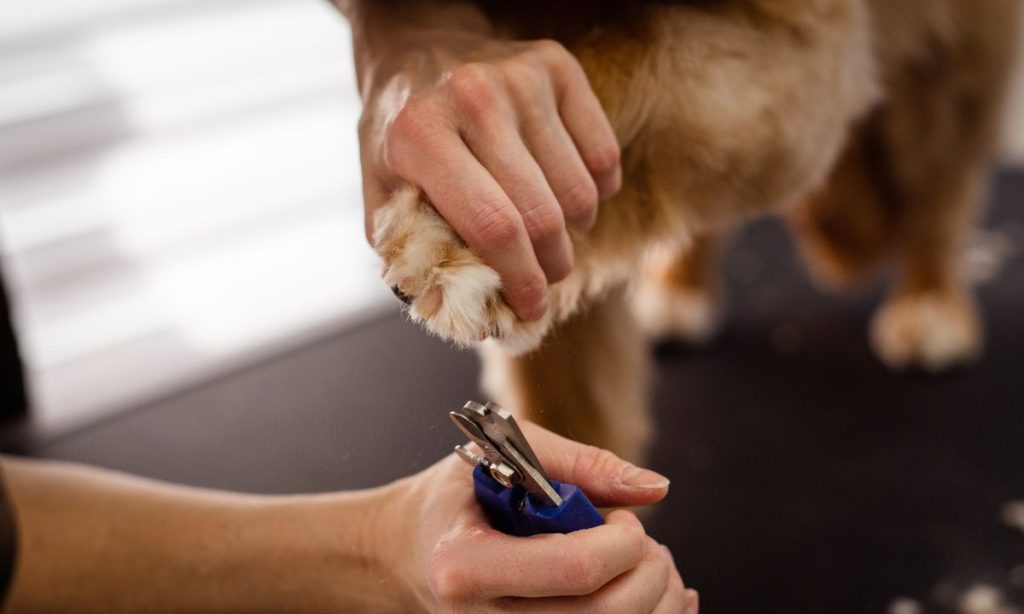
Trying to help dogs with black nails stay calm during nail trims can feel harder than trimming pale nails. The quick is difficult to see, and a dog may remember a painful cut or frightening restraint. The answer is not faster clipping. It is a predictable routine that gives the dog time to feel safe. Start with gentle paw handling, brief rewards, and a calm place rather than a full manicure.
This guide explains how to help dogs with black nails stay calm during nail trims through patient training and conservative nail care. Good equipment matters, but even discussions of nail clippers for dogs with black nails should come after checking your dog’s comfort and nail anatomy. Most dogs make better progress with tiny, voluntary steps. Learn when to stop, how to watch body language, and when to request professional help.
Understand why dark nails and grooming can trigger fear
Black nails conceal the pink quick that is visible in many pale nails. This does not mean the nails are impossible to trim. It means the handler should remove only small amounts and check the cut surface carefully. Fear can come from a previous quick injury, slippery flooring, an unfamiliar tool sound, sore paws, or being held tightly. Understanding how to help dogs with black nails stay calm during nail trims starts with recognizing why the setup predicts something unpleasant.
Look for a tucked tail, stiff body, lip licking, repeated yawning, ears drawn back, paw pulling, freezing, growling, or attempts to leave. These signals are information, not disobedience. Stop when the dog becomes uncomfortable. Yelling, pinning the dog down, or chasing a retreating pet may increase fear. Building confidence is more important than cutting every nail on a schedule. When considering how to help dogs with black nails stay calm during nail trims, body language comes first.
Set up a short, predictable paw-care session
Choose a quiet room, a stable nonslip mat, and a time when the dog is settled but awake. Place a small amount of familiar food rewards within reach. Invite the dog onto the mat instead of dragging them there. Let them sniff the closed clippers or an inactive grinder. Reward calm curiosity. A single touch to the shoulder or paw may be enough on the first day. End before patience runs out, even if no nail was trimmed.
Teach a simple start cue such as resting the chin on a cushion or placing a paw into an open hand. Reward this voluntary behavior. If the dog withdraws the paw or lifts the head, pause. This can become a clear stop signal. Use sessions lasting only seconds at first, then extend gradually. You are teaching two skills at once: remaining relaxed and allowing brief handling. These foundations make how to help dogs with black nails stay calm during nail trims much more achievable.
Teach cooperative handling before using clippers
Practice touching a foreleg, then lifting a paw for one second. Return it gently and reward. Over several sessions, touch individual toes, spread the fur away from the nail, and place a finger near each claw. Keep each repetition easy enough that the dog stays loose and willing. If they pull away, return to an earlier step. A paw placed in your hand should never become a trap. For dogs with painful feet or arthritis, ask a veterinarian before extending handling.
Next, pair the sight and sound of the grooming tool with positive events. Show closed clippers, reward, and put them away. Tap the tool lightly against a paw without cutting. If using a grinder, begin with it switched off, then briefly run it at a distance. Reduce the distance only when the dog stays comfortable. Learning how to help dogs with black nails stay calm during nail trims requires repeating easy steps more often than attempting difficult ones.
Make the first dark-nail trim small and safe
Before cutting, inspect each nail for cracks, swelling, bleeding, or unusual thickness. For clear instructions on recognizing the nail quick safely, review the basic anatomy and safe trimming approach. With black nails, remove a tiny sliver at a time rather than guessing how much can come off. Watch the cut surface for a central oval or darker, moist-looking area that indicates the quick is approaching. Stop well before reaching sensitive tissue, and check dewclaws separately.
Try one nail, reward, and end the session successfully. The objective is a calm experience, not a perfectly short paw. Have styptic powder available in case a nail is cut too deeply. Apply gentle pressure if bleeding occurs and call a veterinarian if bleeding does not stop promptly. Do not keep trimming a frightened dog to finish the job. A veterinarian or skilled groomer can demonstrate safe angles for curved, thick, or overgrown nails. This is the practical side of how to help dogs with black nails stay calm during nail trims.
Adapt the routine to your dog’s reactions
Some dogs tolerate clippers better because the contact is brief. Others dislike the clipping pressure but accept gradual grinder training. Noise-sensitive dogs may react strongly to vibration and motor sound. There is no universal answer, so judge the tool by the dog’s response. If you are considering nail grinding for nervous dogs, first introduce vibration away from the body and keep the tool moving to avoid heat buildup. Never force an unfamiliar tool against the nail.
For an excited dog, schedule grooming after a normal walk or quiet rest. For a shy dog, remove spectators and close the door to distractions without blocking escape. Reward between every action and avoid prolonged restraint. Knowing how to help dogs with black nails stay calm during nail trims includes using a helper only when their presence is soothing. Keep a simple log of which paw or step caused worry. The most reliable way to help dogs with black nails stay calm during nail trims is to adjust difficulty based on observed comfort, not the calendar.
Know when a veterinarian or groomer should take over
Stop home trimming if your dog snaps, becomes frantic, struggles to breathe normally, or cannot tolerate even gentle paw contact. Sudden new sensitivity can reflect an injury, arthritis, infection, or damaged nail rather than a training problem. A veterinarian can examine the feet, address pain, and discuss a safe handling plan. Fearful dogs sometimes benefit from a tailored veterinary behavior plan; do not give sedatives or other medicines on your own.
Ask a fear-aware professional to work in short stages and explain how they prevent restraint-related distress. A routine visit can also reveal whether long nails have changed foot posture. Between sessions, consider how regular dog grooming routines fit with walking surfaces and general paw checks. For overgrown nails, several conservative appointments may be preferable to one ambitious trim. How to help dogs with black nails stay calm during nail trims is ultimately a welfare question, not a race.
Frequently Asked Questions
Many owners have the same practical questions when starting a gentler nail routine. These answers offer basic guidance, but a veterinarian should assess pain, bleeding, or severe fear before further handling.
Use your dog’s behavior as the measure of progress. A session that ends after one calm paw touch can be productive, even when the nails have not been shortened.
Can I trim only one black nail at a time?
Yes. One comfortable nail is often better than several stressful cuts. Spread the remaining work over later sessions, while monitoring nails that are excessively long or curling.
How do I know when to stop cutting a dark nail?
Remove very small amounts and examine the fresh cut surface. Stop before the central dark or moist area suggests that the quick is near. Request a demonstration if uncertain.
Will food rewards make a scared dog cooperate?
Rewards help create positive associations, but they cannot cancel pain or panic. Reduce the difficulty and allow the dog to stop; do not use food to lure them into forced restraint.
Is a grinder always less stressful than clippers?
No. Some dogs tolerate vibration better than clipping pressure, while others fear noise. Introduce either tool gradually and watch the dog’s reaction.
What if my dog refuses any paw handling?
Pause nail trimming, check for pain, and consult a veterinarian or qualified reward-based behavior professional. A structured plan can rebuild tolerance without unsafe force.
Final Words
Learning how to help dogs with black nails stay calm during nail trims starts with trust. Give your dog a choice, introduce the tool slowly, and remove only a tiny amount of nail at a time. Keep successes small enough to repeat. Professional help is appropriate when pain, significant fear, or overgrowth makes home care unsafe.
For tool-selection context, the site’s guide to nail clippers for dogs with black nails can support an informed discussion. The essential lesson remains the same: a calm and safe experience matters more than finishing every nail today. That is how to help dogs with black nails stay calm during nail trims over the long term.









