
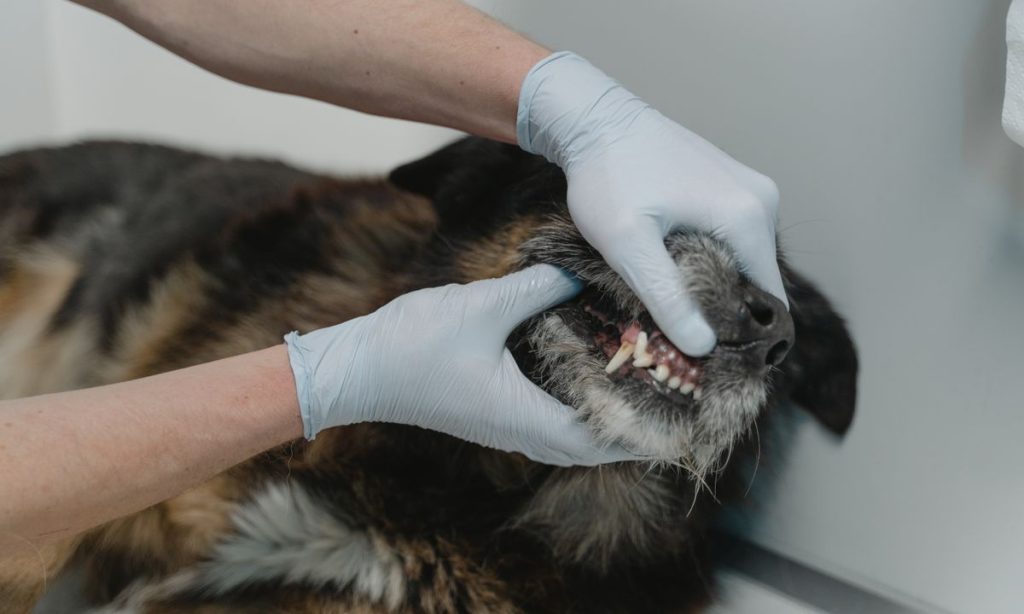
Signs of dental pain in older small dogs are easy to overlook. Many dogs keep eating even when teeth or gums hurt. An aging Chihuahua, Yorkie, or other small companion may chew more slowly, drop kibble, resist facial touches, or seem unusually withdrawn. Persistent bad breath can signal disease, not merely old age. Small dogs are at increased risk of periodontal problems, making early attention especially important.
This guide explains signs of dental pain in older small dogs, how to check for changes safely, and when to arrange veterinary care. Softer meals may help some dogs eat comfortably while they await assessment, but a discussion of dog food for older small dogs with few teeth cannot fix an infected tooth. Home care and professional dentistry serve different purposes. Learn the practical warning signs before discomfort becomes a crisis.
Notice changes around meals and favorite treats
Watch whether your dog approaches the bowl eagerly but then hesitates, chews on one side, tilts the head, or walks away after a few bites. Some carry kibble elsewhere before eating it or leave hard pieces behind. Others swallow food with less chewing, eat much more slowly, or refuse familiar chew toys. A small dog may still finish dinner despite substantial discomfort. Compare current habits with what was normal for that individual several weeks earlier.
Unexpected weight loss or a changed appetite deserves veterinary assessment, especially in seniors with other medical concerns. Difficulty eating may also reflect nausea, arthritis, or systemic illness, so oral pain should not be assumed without examination. Recording a short video of unusual chewing can help a veterinarian understand the complaint. Signs of dental pain in older small dogs often appear first as subtle changes in routine rather than obvious cries.
Look for breath, drool, gum, and tooth warnings
Ongoing unpleasant breath, discolored teeth, visible tartar, red or bleeding gums, loose teeth, and excessive drooling can point toward oral disease. Blood on a chew toy or saliva stain on bedding is another reason to investigate. Some dogs paw at the mouth or rub the face against furniture. Swelling along the jaw, muzzle, or below an eye can occur with serious dental disease and needs timely care. Never treat these signs as cosmetic problems alone.
Gently lift the lip only if your dog is comfortable and cooperative. Do not force open a painful mouth or poke around a loose tooth. The absence of visible tartar does not guarantee healthy tooth roots because much disease occurs below the gumline. Small breeds often have crowded teeth and less space around them, increasing the importance of examinations. Recognizing signs of dental pain in older small dogs means observing safely, not performing a painful home dental inspection.
Behavior can reveal pain before a dog stops eating
Oral discomfort may change social behavior. A normally affectionate dog might pull away when its cheeks are stroked, avoid tug games, become quieter, or growl when handled near the muzzle. Poor sleep, reduced play, or new irritability can also occur. These changes do not prove a dental problem, but they are valuable clues. Dogs have different thresholds for expressing pain, and some adapt their behavior for a surprisingly long time without making a sound.
Older pets can have arthritis, sensory decline, or unrelated illness at the same time. Do not blame every mood change on age or assume it is behavioral stubbornness. Track when the reaction happens, whether chewing is affected, and whether the dog tolerates touch elsewhere. Share that pattern with the veterinary team. Signs of dental pain in older small dogs are most useful when interpreted alongside the complete health history.
Know which changes warrant urgent veterinary care
Book an examination promptly for persistent bad breath, altered chewing, red gums, broken teeth, or drooling. Seek same-day care for a painful facial swelling, substantial oral bleeding, inability to eat or drink, or obvious distress. A dog with trouble breathing, collapse, or rapidly expanding facial swelling needs emergency help. Dental infections can cause significant suffering even when they are not outwardly dramatic. Avoid giving human pain medicines, which can be dangerous to dogs.
Until a veterinarian advises you, prevent hard chewing and do not attempt to pull out loose teeth. Keep fresh water available and provide food the dog can manage without forcing the mouth open. If eating stops entirely or a senior dog’s weight is falling, contact the clinic. A diet change is supportive at most and never a substitute for diagnosing an abscess, fracture, or advanced periodontal disease. These are important distinctions when monitoring signs of dental pain in older small dogs.
Understand what a veterinary dental assessment involves
A veterinarian begins with the history, general physical examination, and a careful look at the awake dog’s mouth. However, an awake exam cannot reveal every problem beneath the gumline. Dental radiographs and a complete oral evaluation under appropriately monitored general anesthesia may be needed to find root disease and plan treatment. The team can discuss testing, anesthesia risk, pain management, cleaning, or extraction based on the dog’s individual needs rather than age alone.
A senior dog may have heart, kidney, or other conditions that affect anesthetic planning. These risks should be reviewed with the veterinarian, not used as a reason to ignore serious oral disease. Professional dental work is not the same as cosmetic scraping on an awake pet; anesthesia-free dentistry cannot adequately evaluate or clean below the gumline. Ask which teeth are affected, what the images show, and how postoperative pain will be managed. That is how clinical investigation clarifies signs of dental pain in older small dogs.
Support comfort and prevention after treatment
Once the veterinary team has addressed painful disease, a home plan may help reduce recurrence. If brushing is appropriate, introduce touch slowly and use only products intended for dogs. Never force a brush against inflamed gums. Our page about guidance on dog toothpaste and brushing is related reading, but your veterinarian should decide when brushing can safely resume. Periodic examinations matter because small senior dogs may develop new problems despite attentive home care.
After dental surgery, follow written instructions for pain control, rechecks, activity, and food texture. The article on feeding transitions after dental surgery discusses gradual food changes, not a substitute for postoperative guidance. Consider routine weigh-ins and make sure family members recognize subtle eating changes. Our broader everyday senior dog care guide can help organize other age-related checks. Watching for returning signs of dental pain in older small dogs should remain part of the regular care routine.
Keep a symptom record before the appointment
Write down how long the changes have lasted, which foods the dog avoids, whether breath or drool has changed, and any visible swelling. Photograph visible gum changes without prying the mouth open. Note recent dental procedures and medicines. A record can reveal that a dog who appears to be eating normally has actually abandoned crunchy treats and taken longer at every meal. This makes clinical discussion more specific and helps prioritize testing.
Bring a list of medical conditions, previous anesthesia experiences, and current prescriptions. Be prepared to discuss weight changes, drinking habits, and other symptoms that may suggest disease beyond the mouth. Ask what to monitor while waiting for the appointment. Signs of dental pain in older small dogs should trigger a professional evaluation rather than repeated experiments with food textures, treats, or home dental tools.
Frequently Asked Questions
Dental signs are sometimes subtle, so owners often ask whether a symptom really indicates discomfort. These short answers describe useful warning patterns, not a diagnostic checklist.
The safest response to persistent changes is an examination. Trying to confirm oral disease by forcing open a reluctant dog’s mouth can cause pain or a bite.
Can a senior small dog have dental pain and still eat?
Yes. Many dogs continue eating despite painful dental disease. Look for slower chewing, dropping food, food avoidance, and behavioral changes.
Is bad breath normal in an older dog?
No. Persistent bad breath deserves a dental examination, even if the dog is otherwise active and eating.
Will softer food cure painful teeth?
No. Softer food may ease chewing in some cases, but infected, fractured, or loose teeth still need professional care.
Can I brush teeth that already seem painful?
Do not force brushing on sore gums or a painful mouth. Ask the veterinarian to assess the cause and recommend when home brushing is appropriate.
Is general anesthesia always too risky for senior dogs?
No. Risk depends on individual health and the procedure. A veterinarian can evaluate medical conditions, recommend testing, and discuss monitoring and benefits.
Final Words
Signs of dental pain in older small dogs include altered chewing, mouth odor, drooling, facial sensitivity, and changes in behavior. These signs may be mild even with meaningful disease. A veterinary oral examination is the reliable starting point, and prompt care may prevent prolonged discomfort.
If your dog struggles to chew, the site’s discussion of dog food for older small dogs with few teeth offers contextual reading about meal texture. Treatment decisions belong with the veterinary team. Keep monitoring appetite and comfort after care, because signs of dental pain in older small dogs can return as oral health changes.
Reference
These veterinary and government resources support the symptom descriptions and dental-care principles in this article. Their advice should be applied to an individual pet by a veterinarian.
The sources also explain why small breed size and advanced age can increase periodontal risk. They do not support diagnosis from photographs alone.









