
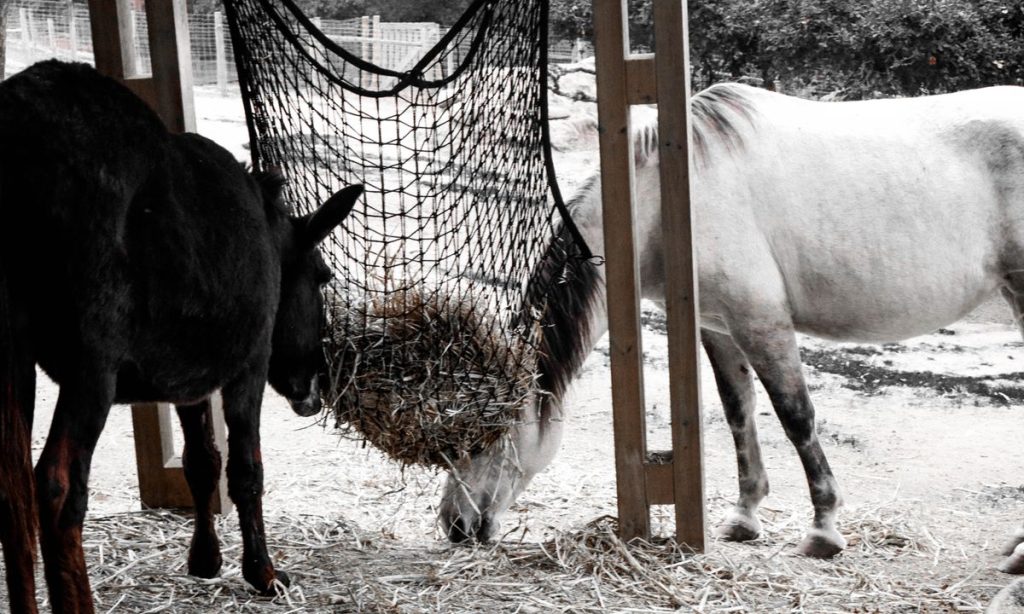
The best hay feeder for horses depends on the barn layout, how many horses share the space, and how safely the animals can reach forage. A wall-mounted rack, freestanding box, and low feeding pan solve different problems. None eliminates waste or digestive problems by itself. We compared seven Amazon-verified feeder listings that focus on racks, bins, or box-style feeding rather than another roundup of hay nets. We look at mounting style, capacity claims, cleaning access, and safety considerations. These are descriptions of listed products, not claims that we installed or tested them. Start with your horse’s normal forage ration and behavior, then choose equipment that can be mounted or positioned securely. Our horse hay-net comparison covers a different feeding format.
Quick Picks
Compare seven rack and container-style hay feeders by setup needs, capacity claims, and access considerations. Verify installation requirements before purchasing.
| Product | Best For | Key Advantage | Buy | |
|---|---|---|---|---|
| BUYYAH 28-Gallon Steel Slow Hay Feeder | freestanding stable feeding | large metal box with a slow-feed grate | View on Amazon | Jump to Review |
| 27-Inch Wall-Mount Metal Hay Rack | compact wall installations | 27-inch rack with metal construction | View on Amazon | Jump to Review |
| VEVOR 18.5-Gallon Wall Hay Feeder | wall rack capacity | heavy steel wall-mounted livestock feeder | View on Amazon | Jump to Review |
| Intrepid International Corner Hay Rack | stall corner arrangement | wall-mounted corner geometry | View on Amazon | Jump to Review |
| Schneiders Easy-Up Standard Hay Rack | simple stall hay rack | mounted rack made for horses | View on Amazon | Jump to Review |
| Meyoppm Hay-and-Grain Wall Feeder | combined feed stations | dual-purpose galvanized rack and trough | View on Amazon | Jump to Review |
| BreezeHug 30-Gallon Hay Pan Feeder | low feeding containers | large pan combined with a slow-feed covering | View on Amazon | Jump to Review |
1. BUYYAH 28-Gallon Steel Slow Hay Feeder

What We Like
- Freestanding metal body
- 28-gallon claimed capacity
- Removable cleaning tray
- Slow-feed grate listed
What We Don’t Like
- Large steel unit requires safe placement
BUYYAH lists a heavy-duty steel freestanding feeder with a 28-gallon capacity and a removable bottom tray. Choose a feeder based on the horse’s size, reach and normal feeding posture rather than on advertised capacity alone. A bin that looks generous in pictures may be awkward to load or difficult for a horse to use safely. Examine the bar or opening size and how a curious muzzle could become caught. Use only appropriately designed equipment. The wider grate opening calls for an individual safety assessment rather than automatic approval.
A grate with advertised wider openings is intended to limit direct access to loose hay while helping keep flakes contained. Installation and placement can matter more than the product name. Wall-mounted equipment needs sound supports and hardware suited to the actual load. Freestanding equipment must not tip or slide when a horse pushes against it. Keep feeding access away from sharp edges, loose straps, or locations that could trap a hoof. Observe the horse’s first supervised uses. Check the legs and base for stability as the horse approaches.
Any grate needs checks for hoof, tooth, and muzzle entrapment risk, and the feeder must remain stable under a horse’s movement. A hay feeder is not a treatment for colic, ulcers or another digestive condition. Forage quality and quantity still need appropriate planning. Clean old hay and moisture from the unit, inspect metal for corrosion, and check all connections periodically. More than one horse may require separate feeding positions to reduce competition. Ask an equine professional about persistent feeding or health problems. The tray may help remove damp hay and debris during cleaning.
My Recommendation
BUYYAH 28-Gallon Steel Slow Hay Feeder is worth a closer comparison if you need freestanding stable feeding. Its main distinguishing point is large metal box with a slow-feed grate,. The biggest concern is that any grate needs checks for hoof, tooth, and muzzle entrapment risk, and the feeder must remain stable under a horse’s movement. If that is a poor fit for your barn, compare BreezeHug instead. Before ordering, plan the installation, inspect the feeding openings, and consider the individual horse’s behavior. We favor safe, accessible placement and predictable cleaning over an exaggerated claim that a feeder will cure waste or digestive issues.
2. 27-Inch Wall-Mount Metal Hay Rack
What We Like
- Compact wall placement
- Metal rack construction
- Defined hay location
- Mounted design
What We Don’t Like
- Requires secure stall hardware
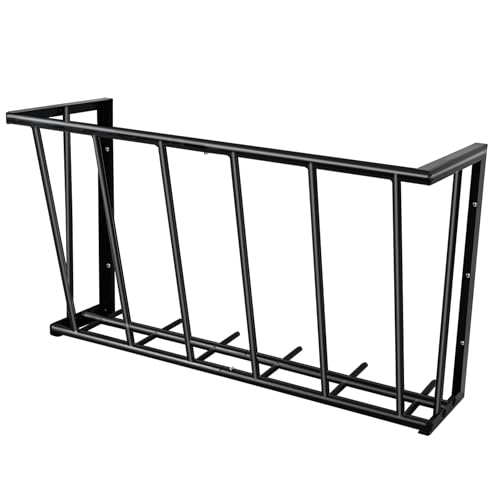
This listing describes a 27-inch metal wall-mounted rack intended for horses as well as smaller livestock. Choose a feeder based on the horse’s size, reach and normal feeding posture rather than on advertised capacity alone. A bin that looks generous in pictures may be awkward to load or difficult for a horse to use safely. Examine the bar or opening size and how a curious muzzle could become caught. Use only appropriately designed equipment. A compact rack can leave more open floor when the stall is small.
A fixed rack can keep a defined hay-feeding location in a stall without occupying as much floor area. Installation and placement can matter more than the product name. Wall-mounted equipment needs sound supports and hardware suited to the actual load. Freestanding equipment must not tip or slide when a horse pushes against it. Keep feeding access away from sharp edges, loose straps, or locations that could trap a hoof. Observe the horse’s first supervised uses. Mounting height should suit the individual horse’s reach.
Wall strength, mounting height, bar spacing, and any protruding fasteners require individual evaluation before a horse uses it. A hay feeder is not a treatment for colic, ulcers or another digestive condition. Forage quality and quantity still need appropriate planning. Clean old hay and moisture from the unit, inspect metal for corrosion, and check all connections periodically. More than one horse may require separate feeding positions to reduce competition. Ask an equine professional about persistent feeding or health problems. Visible wall fasteners must not become snag points.
My Recommendation
27-Inch Wall-Mount Metal Hay Rack is worth a closer comparison if you need compact wall installations. Its main distinguishing point is 27-inch rack with metal construction, based on seller specifications rather than personal testing. The biggest concern is that wall strength, mounting height, bar spacing, and any protruding fasteners require individual evaluation before a horse uses it. If that is a poor fit for your barn, compare Schneiders instead. Before ordering, plan the installation, inspect the feeding openings, and consider the individual horse’s behavior. We favor safe, accessible placement and predictable cleaning over an exaggerated claim that a feeder will cure waste or digestive issues.
3. VEVOR 18.5-Gallon Wall Hay Feeder

What We Like
- 18.5-gallon stated volume
- Steel frame
- Wall-mounted format
- Holds a contained hay supply
What We Don’t Like
- Horse-specific fit must be checked
VEVOR lists a wall feeder with an 18.5-gallon stated capacity and steel construction for livestock including horses. Choose a feeder based on the horse’s size, reach and normal feeding posture rather than on advertised capacity alone. A bin that looks generous in pictures may be awkward to load or difficult for a horse to use safely. Examine the bar or opening size and how a curious muzzle could become caught. Use only appropriately designed equipment. Livestock suitability is not identical to suitability for one particular horse.
The rack is designed to hold hay away from the stall floor and provide a consistent loading position. Installation and placement can matter more than the product name. Wall-mounted equipment needs sound supports and hardware suited to the actual load. Freestanding equipment must not tip or slide when a horse pushes against it. Keep feeding access away from sharp edges, loose straps, or locations that could trap a hoof. Observe the horse’s first supervised uses. Test access when filled, not only when empty.
Livestock-multiuse designs require extra scrutiny for horse-specific reach, protrusions, and spacing. A hay feeder is not a treatment for colic, ulcers or another digestive condition. Forage quality and quantity still need appropriate planning. Clean old hay and moisture from the unit, inspect metal for corrosion, and check all connections periodically. More than one horse may require separate feeding positions to reduce competition. Ask an equine professional about persistent feeding or health problems. Check the welds and surface finish at every cleaning.
My Recommendation
VEVOR 18.5-Gallon Wall Hay Feeder is worth a closer comparison if you need wall rack capacity. Its main distinguishing point is heavy steel wall-mounted livestock feeder, based on seller specifications rather than personal testing. The biggest concern is that livestock-multiuse designs require extra scrutiny for horse-specific reach, protrusions, and spacing. If that is a poor fit for your barn, compare Intrepid instead. Before ordering, plan the installation, inspect the feeding openings, and consider the individual horse’s behavior. We favor safe, accessible placement and predictable cleaning over an exaggerated claim that a feeder will cure waste or digestive issues.
4. Intrepid International Corner Hay Rack

What We Like
- Corner-oriented profile
- Metal rack layout
- Wall installation
- Space-conscious placement
What We Don’t Like
- Corner placement needs safety review
Intrepid International markets a metal hay rack that installs in a corner for horses and other livestock. Choose a feeder based on the horse’s size, reach and normal feeding posture rather than on advertised capacity alone. A bin that looks generous in pictures may be awkward to load or difficult for a horse to use safely. Examine the bar or opening size and how a curious muzzle could become caught. Use only appropriately designed equipment. A corner unit can save space if the surrounding walls are sound.
A corner arrangement may reduce intrusion into a stall’s open space when properly attached to suitable walls. Installation and placement can matter more than the product name. Wall-mounted equipment needs sound supports and hardware suited to the actual load. Freestanding equipment must not tip or slide when a horse pushes against it. Keep feeding access away from sharp edges, loose straps, or locations that could trap a hoof. Observe the horse’s first supervised uses. Watch for trapped hay and awkward reach in the corner.
Corners can create pinch points or hard-to-reach hay, so inspect exposed ends, access angles, and mounting hardware. A hay feeder is not a treatment for colic, ulcers or another digestive condition. Forage quality and quantity still need appropriate planning. Clean old hay and moisture from the unit, inspect metal for corrosion, and check all connections periodically. More than one horse may require separate feeding positions to reduce competition. Ask an equine professional about persistent feeding or health problems. Inspect mounting points where two walls meet.
My Recommendation
Intrepid International Corner Hay Rack is worth a closer comparison if you need stall corner arrangement. Its main distinguishing point is wall-mounted corner geometry, based on seller specifications rather than personal testing. The biggest concern is that corners can create pinch points or hard-to-reach hay, so inspect exposed ends, access angles, and mounting hardware. If that is a poor fit for your barn, compare Schneiders instead. Before ordering, plan the installation, inspect the feeding openings, and consider the individual horse’s behavior. We favor safe, accessible placement and predictable cleaning over an exaggerated claim that a feeder will cure waste or digestive issues.
5. Schneiders Easy-Up Standard Hay Rack

What We Like
- Horse-oriented rack design
- Two-to-three flake claim
- Wall-mounted construction
- Simple access for refilling
What We Don’t Like
- Load and mount must be assessed
Schneiders describes the Easy-Up Standard as a wall-mounted horse hay rack holding approximately two to three flakes. Choose a feeder based on the horse’s size, reach and normal feeding posture rather than on advertised capacity alone. A bin that looks generous in pictures may be awkward to load or difficult for a horse to use safely. Examine the bar or opening size and how a curious muzzle could become caught. Use only appropriately designed equipment. A modest flake capacity can suit predictable small feedings.
A straightforward mounted rack can make refilling predictable and separate hay from damp floor bedding. Installation and placement can matter more than the product name. Wall-mounted equipment needs sound supports and hardware suited to the actual load. Freestanding equipment must not tip or slide when a horse pushes against it. Keep feeding access away from sharp edges, loose straps, or locations that could trap a hoof. Observe the horse’s first supervised uses. Keep the rack positioned to avoid unnecessary neck strain.
Even horse-specific racks must be attached to sound surfaces and inspected for unsafe bar angles or sharp ends. A hay feeder is not a treatment for colic, ulcers or another digestive condition. Forage quality and quantity still need appropriate planning. Clean old hay and moisture from the unit, inspect metal for corrosion, and check all connections periodically. More than one horse may require separate feeding positions to reduce competition. Ask an equine professional about persistent feeding or health problems. Refill consistently rather than leaving the horse without forage.
My Recommendation
Schneiders Easy-Up Standard Hay Rack is worth a closer comparison if you need simple stall hay rack. Its main distinguishing point is mounted rack made for horses, based on seller specifications rather than personal testing. The biggest concern is that even horse-specific racks must be attached to sound surfaces and inspected for unsafe bar angles or sharp ends. If that is a poor fit for your barn, compare Intrepid instead. Before ordering, plan the installation, inspect the feeding openings, and consider the individual horse’s behavior. We favor safe, accessible placement and predictable cleaning over an exaggerated claim that a feeder will cure waste or digestive issues.
6. Meyoppm Hay-and-Grain Wall Feeder

What We Like
- Hay-and-grain format
- Galvanized metal described
- Wall installation
- 25-gallon listed capacity
What We Don’t Like
- Feed segregation and cleaning need care
Meyoppm advertises a two-in-one wall feeder combining hay-rack and grain-holding areas in a 25-gallon unit. Choose a feeder based on the horse’s size, reach and normal feeding posture rather than on advertised capacity alone. A bin that looks generous in pictures may be awkward to load or difficult for a horse to use safely. Examine the bar or opening size and how a curious muzzle could become caught. Use only appropriately designed equipment. A combined fixture is convenient only with a sensible ration plan.
A combined station may reduce the number of fixtures a barn owner needs to place and clean. Installation and placement can matter more than the product name. Wall-mounted equipment needs sound supports and hardware suited to the actual load. Freestanding equipment must not tip or slide when a horse pushes against it. Keep feeding access away from sharp edges, loose straps, or locations that could trap a hoof. Observe the horse’s first supervised uses. Separate and measure concentrate feeding carefully.
Hay and concentrates must still be measured and fed appropriately, and combined openings may complicate hygiene. A hay feeder is not a treatment for colic, ulcers or another digestive condition. Forage quality and quantity still need appropriate planning. Clean old hay and moisture from the unit, inspect metal for corrosion, and check all connections periodically. More than one horse may require separate feeding positions to reduce competition. Ask an equine professional about persistent feeding or health problems. Clean corners where different feed types may collect.
My Recommendation
Meyoppm Hay-and-Grain Wall Feeder is worth a closer comparison if you need combined feed stations. Its main distinguishing point is dual-purpose galvanized rack and trough, based on seller specifications rather than personal testing. The biggest concern is that hay and concentrates must still be measured and fed appropriately, and combined openings may complicate hygiene. If that is a poor fit for your barn, compare VEVOR instead. Before ordering, plan the installation, inspect the feeding openings, and consider the individual horse’s behavior. We favor safe, accessible placement and predictable cleaning over an exaggerated claim that a feeder will cure waste or digestive issues.
7. BreezeHug 30-Gallon Hay Pan Feeder

What We Like
- Large 30-gallon pan
- Ground-oriented format
- Slow-feed covering
- Contained hay area
What We Don’t Like
- Net fittings need entanglement checks
BreezeHug lists a 30-gallon hay pan accompanied by a net-style covering and attachment points. Choose a feeder based on the horse’s size, reach and normal feeding posture rather than on advertised capacity alone. A bin that looks generous in pictures may be awkward to load or difficult for a horse to use safely. Examine the bar or opening size and how a curious muzzle could become caught. Use only appropriately designed equipment. A lower feeding height may suit some barn configurations.
A lower container may provide a different forage-access posture from a wall rack while helping contain loose hay. Installation and placement can matter more than the product name. Wall-mounted equipment needs sound supports and hardware suited to the actual load. Freestanding equipment must not tip or slide when a horse pushes against it. Keep feeding access away from sharp edges, loose straps, or locations that could trap a hoof. Observe the horse’s first supervised uses. Inspect each net attachment before every use.
Any attached net or strap can create snagging risks, and a low pan should be kept clear of mud and manure. A hay feeder is not a treatment for colic, ulcers or another digestive condition. Forage quality and quantity still need appropriate planning. Clean old hay and moisture from the unit, inspect metal for corrosion, and check all connections periodically. More than one horse may require separate feeding positions to reduce competition. Ask an equine professional about persistent feeding or health problems. Clear damp hay from the pan to reduce spoilage.
My Recommendation
BreezeHug 30-Gallon Hay Pan Feeder is worth a closer comparison if you need low feeding containers. Its main distinguishing point is large pan combined with a slow-feed covering, based on seller specifications rather than personal testing. The biggest concern is that any attached net or strap can create snagging risks, and a low pan should be kept clear of mud and manure. If that is a poor fit for your barn, compare BUYYAH instead. Before ordering, plan the installation, inspect the feeding openings, and consider the individual horse’s behavior. We favor safe, accessible placement and predictable cleaning over an exaggerated claim that a feeder will cure waste or digestive issues.
How to choose best hay feeder for horses
Before buying a horse hay feeder, evaluate stable layout, safe mounting, and how the feeder fits the horse’s forage plan. These checks are more useful than capacity or slow-feeding claims alone. Compare the practical requirements below with your barn conditions.
Choose wall, floor, or slow-feed styles intentionally
A wall rack frees floor space but depends on secure mounting and suitable height. A freestanding box can be moved and refilled conveniently, but must resist tipping when a horse pushes against it. A lower pan offers another feeding posture, although dirt and bedding can enter it. The right choice depends on your horse’s size, stall environment, movement and feeding habits. A slow-feed design may change the pace of forage access, but should not be treated as an automatic digestive treatment. If you want nets rather than racks, our hay-net comparison for horses covers that different category. Compare opening sizes and watch an individual horse use the selected design safely before relying on it alone.
Assess entrapment and installation risks
Any hard feeder can create hazards if it has sharp ends, unsuitable bar spacing, loose fasteners or the wrong mounting height. A horse may rub, paw, tug or push at a fixture far more forcefully than expected. Inspect every weld, hinge and attachment, and ask a qualified installer when the support structure is uncertain. Secure bins against movement and keep loose cords, straps or netting out of reach where they could snag. For group housing, provide enough feeding positions that one horse cannot easily exclude another. Review the installation after the first few uses and then regularly. The safest design is the one that remains stable under normal horse behavior and permits comfortable forage access without unnecessary reaching or entanglement.
Keep the feeding plan and cleaning separate from marketing
Hay should be offered according to the individual horse’s ration, forage quality, condition and veterinary or equine-nutrition advice. A larger feeder capacity does not determine how much hay a horse requires. For a practical starting point, see our guide to estimating daily hay portions. Keep a feeder free of spoiled forage, dust accumulations, standing moisture and manure contamination. If a box has a drain or removable pan, use those features as part of routine maintenance. Inspect metal for rust or damaged coatings and remove hay caught in inaccessible corners. Do not interpret advertising about slower feeding as evidence that the product cures colic, ulcers or obesity. Feeding problems or unusual behavior deserve individual professional assessment. A regular inspection log helps the handler spot new damage or hygiene problems before they become serious.
FAQs
Are slow hay feeders always safer?
No. Opening size, mounting, horse behavior and the design of any straps or nets all require safety checks.
Should a horse hay feeder be mounted high?
Use a height suitable for the individual horse and the manufacturer’s instructions. Avoid awkward reaching and entrapment hazards.
Can a feeder prevent colic?
No. A feeder is not a medical treatment. Forage management and veterinary care remain important.
Is a hay rack the same as a hay net?
No. Metal racks, freestanding boxes, and hanging nets have different mounting and safety considerations.
How often should I inspect the feeder?
Check frequently, including after initial installation, cleaning and unusual impact or wear.
Final Verdict
BUYYAH and BreezeHug offer large, low or freestanding feeding arrangements, while the Intrepid, Schneiders, VEVOR and 27-inch models emphasize wall installation. Meyoppm combines a hay location with another feed compartment. The most suitable choice depends on safe mounting, smooth contact areas, comfortable access, and regular cleaning. Observe horses during initial use and adjust feeding positions when animals compete. A feeder can organize hay delivery, but it cannot replace an individualized forage plan.
As an Amazon Associate, PetAdvisorPro earns from qualifying purchases. If you buy through qualifying Amazon links in this article, we may receive a commission at no additional cost to you. Our comparisons describe product listings and practical feeding considerations, not personal installation tests or guarantees of health outcomes.









