
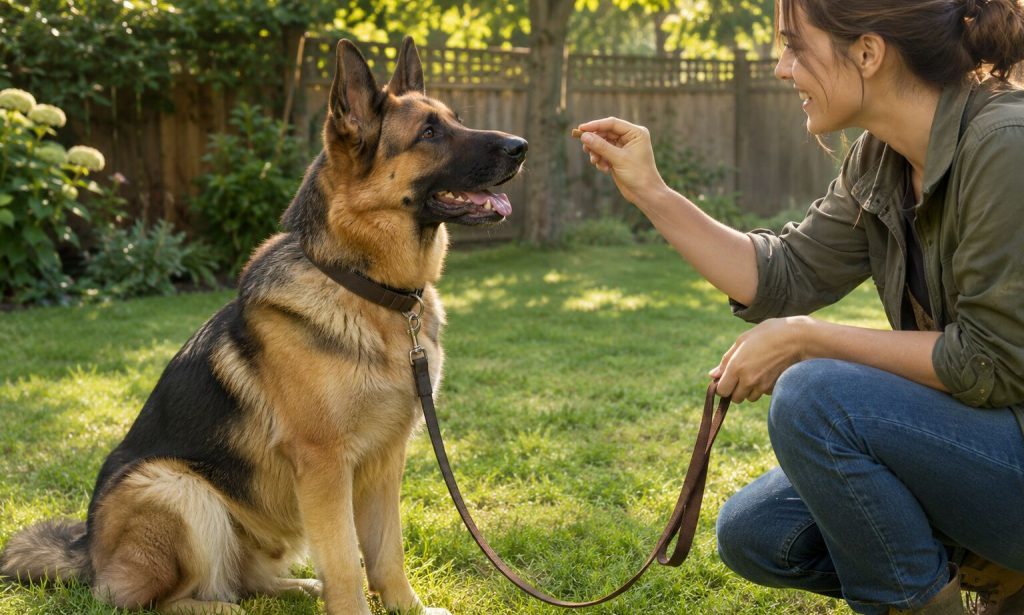
Large dogs can be powerful, enthusiastic learners, and owners sometimes search for stronger equipment when ordinary training feels slow. How to use and care for a dog shock collar for large dogs is therefore a welfare question before it is an equipment question. Electronic shock collars deliver an unpleasant stimulus, and veterinary behavior specialists warn that aversive training may increase fear, anxiety, and other problems.
If you own a dog shock collar for large dogs, the safest guidance is to avoid using shock and move toward reward-based training. This article explains the risks, how to inspect or retire an unused device, what to do if skin irritation appears, and how to teach reliable behaviors without pain. Size and strength do not make a dog less sensitive to distress or more deserving of punishment.
Understand Why Shock Training Is a Welfare Concern
The American Veterinary Society of Animal Behavior states that aversive methods, including electronic collars, should not be used. Its position favors reward-based training because it can teach desired behavior while reducing risks to welfare and the human–animal bond. An electric correction may interrupt behavior briefly, yet it does not explain the safer action the dog should take next.
A dog can associate an unpleasant shock with nearby people, animals, or settings instead of the behavior an owner intended to change. This can worsen fear or reactivity. A dog who is quiet or immobile may be stressed rather than calm. Therefore, the question should shift from how strong a correction is needed to what skill, management change, or unmet need lies behind the behavior.
Size does not remove the risk
A 90-pound dog still has sensitive skin, emotions, and learning needs. Large size can increase the consequences of fear-driven reactions. Choose secure physical management and supervised training rather than escalating stimulation. If there is biting, severe aggression, panic, or compulsive behavior, involve a veterinarian and a credentialed, reward-based behavior professional.
Inspect and Safely Remove an Existing Device
If a dog is wearing an electronic collar, remove it calmly and check the neck for redness, hair loss, tenderness, moisture, or rubbing. Do not deliver an electrical correction to test the device on the dog. If the skin looks inflamed, stop using the collar and contact the veterinarian for advice. Avoid applying human medications or irritating cleansers to the neck without professional guidance.
Turn the electronic unit off and disconnect it from its charger before handling. Inspect the strap, buckle, contact points, casing, and charging port for cracks, loose parts, corrosion, or damaged insulation. Keep batteries and small components away from children and pets. Follow the maker’s disposal instructions and local electronic waste rules for damaged or retired equipment.
Clean only the detached, switched-off equipment
If you are storing or disposing of the equipment, wipe the exterior with a soft slightly damp cloth as permitted by the instructions. Do not soak an electronic module or immerse it unless the instructions explicitly allow that procedure. Dry thoroughly before storage. Clean the removable strap only according to its material-care directions. Never reinstall damaged or wet electrical equipment on a dog.
Replace Corrections With Clear, Reward-Based Skills
Start by defining the behavior you want. For example, reward a dog for checking in with you, walking near your side, returning when called, or settling on a mat. Use small, frequent training sessions in a quiet place. Give a clear cue, mark the desired response, and provide a reward the dog values. Increase distractions gradually rather than testing a skill in the hardest environment first.
Reward-based training still requires consistency and sensible boundaries. Use a secure harness or ordinary properly fitted collar, a suitable leash, gates, and controlled environments. Our guide to practical dog leashes discusses handling considerations, but a leash is a safety tool, not a punishment system. Prevent unwanted behavior while teaching a replacement.
Teach recall in layers
Practice the dog’s name and a single recall cue in a quiet enclosed space. Reward immediate movement toward you. Increase distance, then distractions, as success becomes reliable. Use a long line where appropriate to prevent running into danger, and supervise closely. Never punish a dog for finally coming back; that makes the cue less trustworthy. UC Davis veterinary guidance supports consistent reinforcement for recall.
Address Barking and Reactivity Without Shock
Barking can signal excitement, boredom, fear, frustration, or a medical issue. Notice the trigger and the dog’s body language. Management may include reducing visual access to a trigger, providing adequate rest, preventing rehearsal, and rewarding quiet attention. The discussion of anti-bark collar approaches can help frame the risks, but discomfort should not be the training strategy.
For reactivity around dogs or people, create enough distance for your dog to remain relaxed and able to take rewards. Pair calm observation with positive outcomes and gradually build comfort. Forcing close exposure can backfire. Seek qualified behavior support if growling, lunging, fear, or aggression persists. A veterinarian should also rule out pain and illness that can increase sensitivity.
Watch for stress signals
Tucked tail, cowering, stiff posture, lip licking, avoidance, unusually quiet behavior, and refusal of treats can indicate discomfort. Stop or simplify the session when these appear. A dog should be able to learn without feeling trapped. Work at a distance where the dog remains engaged and able to choose appropriate behavior.
Build a Safe Routine for a Strong Dog
Large dogs need safe spaces and predictable handling. Begin with brief walks in lower-distraction areas and reinforce loose-leash movement. Use barriers when visitors arrive, teach a calm stationing cue, and reward polite greetings. Ensure exercise fits age, joints, and medical status. Excess physical exhaustion is not a substitute for learning emotional skills.
Keep training records: what cue you practiced, the level of distraction, and the dog’s response. Adjust one variable at a time. Progress is often uneven, particularly when the behavior has a fear component. Celebrate successful choices and seek help before frustration makes a harsh method feel tempting.
Choose professional help carefully
Ask prospective trainers how they handle mistakes, fear, and reactivity. Look for transparent reward-based methods and a willingness to coordinate with veterinarians. Avoid promises of instant obedience or a “guaranteed fix.” Humane training teaches a dog what works in real life rather than suppressing warning signals.
Frequently Asked Questions
Owners often ask whether large size justifies stronger corrections. Veterinary behavior guidance points in the opposite direction: learning should be safe and based on reinforcement.
These answers focus on welfare and practical care of existing equipment. They are not instructions for delivering electrical shocks.
Are shock collars recommended by veterinary behavior experts?
The AVSAB advises against aversive methods, including electronic shock collars, and recommends reward-based training.
Does a large dog need higher shock intensity?
No. Size does not justify painful or frightening corrections. Train desired behaviors through reinforcement and safe management instead.
Can I clean an electronic collar with water?
Only follow the specific instructions for its components. Switch it off and remove it from the dog. Do not soak the electronics.
What if there are red marks under the contacts?
Remove the device, stop using it, and consult your veterinarian. Do not reapply it to irritated skin.
How can I teach recall without shock?
Practice in safe enclosed spaces, reward responses consistently, build distractions gradually, and use a supervised long line where appropriate.
Final Words
How to use and care for a dog shock collar for large dogs starts with recognizing that shocks are not a humane requirement for training. The safer path is to retire electrical punishment, inspect the dog’s neck, and keep unused devices secure and dry before responsible disposal. Seek veterinary help for any injury or behavior that could endanger people or animals.
If you have a dog shock collar for large dogs, you can change course without giving up on reliable behavior. Structured positive reinforcement, careful management, and professional support help strong dogs learn safely. Trust, not intensity, is the foundation of a dependable training relationship.
Reference
The following professional veterinary behavior resources explain the welfare concerns with aversive methods and practical reward-based alternatives.
These materials inform the guidance here. Individual dogs with serious behavioral or medical concerns need qualified professional assessment.









