
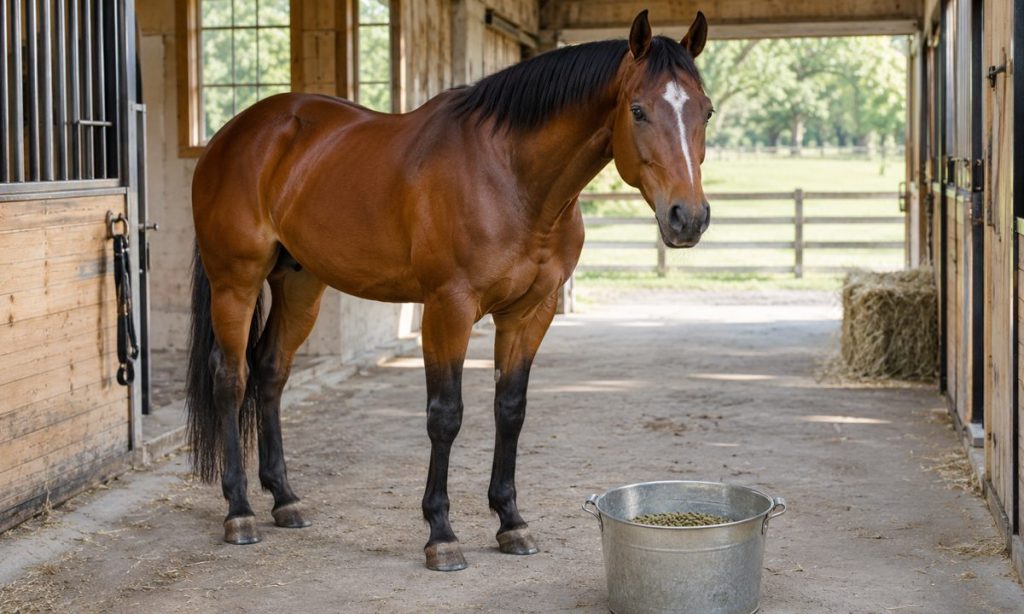
Choosing alfalfa pellets for a horse means looking beyond bag size. Forage source, nutrient analysis, intended use, and feeding directions all affect whether a product fits the ration. Alfalfa is generally more energy and protein dense than many grass hays, so it is not automatically right for every horse. These seven Amazon listings include pure alfalfa, organic, mixed forage, and small-bag options. Compare each label with your horse’s current hay and concentrate, then ask an equine veterinarian or nutritionist before making a major change. Pellets are convenient, but they do not make a complete ration by themselves. The best choice depends on whether you need a measured forage supplement, a blended pellet, or a small bag to test handling. This guide compares label details and practical fit so you can narrow the options.
Quick Picks
| Product | Best For | Key Advantage | Buy | |
|---|---|---|---|---|
| Standlee Alfalfa/Oat Grass Pellets, 40 lb | A mixed-forage option for owners who want alfalfa and grass in one pellet. | Sun-cured alfalfa and oat-grass forage formed into quarter-inch pellets. | View on Amazon | Jump to Review |
| Country Heritage Alfalfa Pellets, 50 lb | A bulk-size forage choice for barns able to store a large bag properly. | Dehydrated alfalfa pellets marketed for several livestock species. | View on Amazon | Jump to Review |
| New Country Organics Alfalfa Pellets, 50 lb | A large-bag choice for buyers prioritizing those sourcing attributes. | A 50-pound listing labeled certified organic and non-GMO. | View on Amazon | Jump to Review |
| Stampede Alfalfa Pellets, 40 lb | A bulk option to compare for a regular forage program. | A 40-pound alfalfa pellet listing marketed for equine and other livestock use. | View on Amazon | Jump to Review |
| Unearthed Pure Alfalfa Pellets, 10 lb | A 10-pound pure alfalfa option for smaller feed programs. | Single-ingredient, sun-cured alfalfa; 10-pound bag. | View on Amazon | Jump to Review |
| Compressed Alfalfa Pellets for Horses and Cattle, 5 lb | A compact option for small feeding programs or product trials. | A five-pound listing described as 100% alfalfa with no additives. | View on Amazon | Jump to Review |
| Heat Storm Alfalfa and Barley Sprout Pellets, 50 lb | A mixed forage-style product to compare with single-ingredient options. | A 50-pound listing combining alfalfa and barley sprout pellets. | View on Amazon | Jump to Review |
Our Top 7 Picks
1. Standlee Alfalfa/Oat Grass Pellets, 40 lb

- Combines alfalfa and oat-grass in one pellet.
- Quarter-inch pellets come in a 40-pound bag.
- Check its analysis and feeding directions; this differs from pure alfalfa.
1. Standlee Alfalfa/Oat Grass Pellets, 40 lb is included for horse owners comparing alfalfa pellets with different forage sources and bag formats. The listing detail highlighted here is sun-cured alfalfa and oat-grass forage formed into quarter-inch pellets. This helps distinguish the product from a plain alfalfa pellet or a different blend, but the name and marketing language do not establish nutritional suitability. Check the exact bag, ingredient statement, guaranteed analysis, intended species, and feeding directions before adding it to a ration.
For horses, compare the pellet’s protein, fiber, energy, and mineral information with the hay and concentrates already being fed. Alfalfa can contribute more protein and energy than many grass forages, so owners should compare the whole ration instead of substituting by scoop or volume. Bag size also affects storage and freshness; keep feed dry, sealed, and protected from pests. Follow the package guidance for soaking or serving, and introduce changes gradually unless an equine professional recommends another plan.
This option may be worth comparing when its forage source, package size, and label details fit the horse’s feeding plan. Pellets do not automatically replace long-stem forage or provide a complete diet, and individual needs vary with workload, age, body condition, and health. Confirm a current nutrient analysis with the seller or manufacturer if it is not shown clearly. Ask an equine veterinarian or qualified nutritionist to review the ration when the horse has a medical condition, dental issue, or special feeding requirement.
My Recommendation
Consider 1. Standlee Alfalfa/Oat Grass Pellets, 40 lb if its forage source or bag size fits the ration you are planning. Compare the guaranteed analysis, intended species, feeding directions, and serving rate with current hay and concentrates. Alfalfa can change energy and protein intake, so ask an equine professional about special needs.
2. Country Heritage Alfalfa Pellets, 50 lb
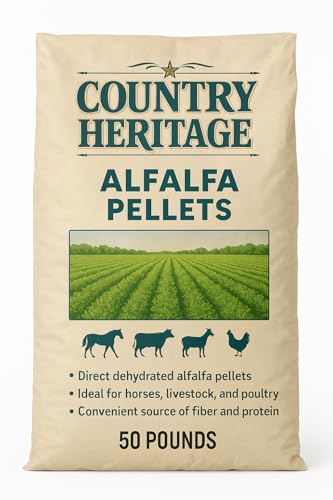
- Dehydrated alfalfa pellets are marketed for multiple livestock species.
- The 50-pound format suits buyers who can store feed dry.
- Confirm analysis and horse-specific directions before purchase.
2. Country Heritage Alfalfa Pellets, 50 lb is included for horse owners comparing alfalfa pellets with different forage sources and bag formats. The listing detail highlighted here is dehydrated alfalfa pellets marketed for several livestock species. This helps distinguish the product from a plain alfalfa pellet or a different blend, but the name and marketing language do not establish nutritional suitability. Check the exact bag, ingredient statement, guaranteed analysis, intended species, and feeding directions before adding it to a ration.
For horses, compare the pellet’s protein, fiber, energy, and mineral information with the hay and concentrates already being fed. Alfalfa can contribute more protein and energy than many grass forages, so owners should compare the whole ration instead of substituting by scoop or volume. Bag size also affects storage and freshness; keep feed dry, sealed, and protected from pests. Follow the package guidance for soaking or serving, and introduce changes gradually unless an equine professional recommends another plan.
This option may be worth comparing when its forage source, package size, and label details fit the horse’s feeding plan. Pellets do not automatically replace long-stem forage or provide a complete diet, and individual needs vary with workload, age, body condition, and health. Confirm a current nutrient analysis with the seller or manufacturer if it is not shown clearly. Ask an equine veterinarian or qualified nutritionist to review the ration when the horse has a medical condition, dental issue, or special feeding requirement.
My Recommendation
Consider 2. Country Heritage Alfalfa Pellets, 50 lb if its forage source or bag size fits the ration you are planning. Compare the guaranteed analysis, intended species, feeding directions, and serving rate with current hay and concentrates. Alfalfa can change energy and protein intake, so ask an equine professional about special needs.
3. New Country Organics Alfalfa Pellets, 50 lb

- Listing labels the 50-pound bag certified organic and non-GMO.
- Large bag size may suit barns with regular forage use.
- Certification does not determine whether the nutrient profile fits a horse.
3. New Country Organics Alfalfa Pellets, 50 lb is included for horse owners comparing alfalfa pellets with different forage sources and bag formats. The listing detail highlighted here is a 50-pound listing labeled certified organic and non-GMO. This helps distinguish the product from a plain alfalfa pellet or a different blend, but the name and marketing language do not establish nutritional suitability. Check the exact bag, ingredient statement, guaranteed analysis, intended species, and feeding directions before adding it to a ration.
For horses, compare the pellet’s protein, fiber, energy, and mineral information with the hay and concentrates already being fed. Alfalfa can contribute more protein and energy than many grass forages, so owners should compare the whole ration instead of substituting by scoop or volume. Bag size also affects storage and freshness; keep feed dry, sealed, and protected from pests. Follow the package guidance for soaking or serving, and introduce changes gradually unless an equine professional recommends another plan.
This option may be worth comparing when its forage source, package size, and label details fit the horse’s feeding plan. Pellets do not automatically replace long-stem forage or provide a complete diet, and individual needs vary with workload, age, body condition, and health. Confirm a current nutrient analysis with the seller or manufacturer if it is not shown clearly. Ask an equine veterinarian or qualified nutritionist to review the ration when the horse has a medical condition, dental issue, or special feeding requirement.
My Recommendation
Consider 3. New Country Organics Alfalfa Pellets, 50 lb if its forage source or bag size fits the ration you are planning. Compare the guaranteed analysis, intended species, feeding directions, and serving rate with current hay and concentrates. Alfalfa can change energy and protein intake, so ask an equine professional about special needs.
4. Stampede Alfalfa Pellets, 40 lb

- Alfalfa pellets are marketed for equine and other livestock.
- The 40-pound format is suited to regular feed programs.
- Verify species directions, analysis, and feeding rate on the current label.
4. Stampede Alfalfa Pellets, 40 lb is included for horse owners comparing alfalfa pellets with different forage sources and bag formats. The listing detail highlighted here is a 40-pound alfalfa pellet listing marketed for equine and other livestock use. This helps distinguish the product from a plain alfalfa pellet or a different blend, but the name and marketing language do not establish nutritional suitability. Check the exact bag, ingredient statement, guaranteed analysis, intended species, and feeding directions before adding it to a ration.
For horses, compare the pellet’s protein, fiber, energy, and mineral information with the hay and concentrates already being fed. Alfalfa can contribute more protein and energy than many grass forages, so owners should compare the whole ration instead of substituting by scoop or volume. Bag size also affects storage and freshness; keep feed dry, sealed, and protected from pests. Follow the package guidance for soaking or serving, and introduce changes gradually unless an equine professional recommends another plan.
This option may be worth comparing when its forage source, package size, and label details fit the horse’s feeding plan. Pellets do not automatically replace long-stem forage or provide a complete diet, and individual needs vary with workload, age, body condition, and health. Confirm a current nutrient analysis with the seller or manufacturer if it is not shown clearly. Ask an equine veterinarian or qualified nutritionist to review the ration when the horse has a medical condition, dental issue, or special feeding requirement.
My Recommendation
Consider 4. Stampede Alfalfa Pellets, 40 lb if its forage source or bag size fits the ration you are planning. Compare the guaranteed analysis, intended species, feeding directions, and serving rate with current hay and concentrates. Alfalfa can change energy and protein intake, so ask an equine professional about special needs.
5. Unearthed Pure Alfalfa Pellets, 10 lb

- Pure sun-cured alfalfa pellets are listed in a 10-pound bag.
- The smaller quantity can suit a limited feed program or product trial.
- Check horse-specific feeding directions and nutrient analysis before use.
5. Unearthed Pure Alfalfa Pellets, 10 lb is included for horse owners comparing alfalfa pellets with different forage sources and bag formats. The listing names sun-cured alfalfa forage for this small-bag option. This helps distinguish the product from a plain alfalfa pellet or a different blend, but the name and marketing language do not establish nutritional suitability. Check the exact bag, ingredient statement, guaranteed analysis, intended species, and feeding directions before adding it to a ration.
For horses, compare the pellet’s protein, fiber, energy, and mineral information with the hay and concentrates already being fed. Alfalfa can contribute more protein and energy than many grass forages, so owners should compare the whole ration instead of substituting by scoop or volume. Bag size also affects storage and freshness; keep feed dry, sealed, and protected from pests. Follow the package guidance for soaking or serving, and introduce changes gradually unless an equine professional recommends another plan.
This option may be worth comparing when its forage source, package size, and label details fit the horse’s feeding plan. Pellets do not automatically replace long-stem forage or provide a complete diet, and individual needs vary with workload, age, body condition, and health. Confirm a current nutrient analysis with the seller or manufacturer if it is not shown clearly. Ask an equine veterinarian or qualified nutritionist to review the ration when the horse has a medical condition, dental issue, or special feeding requirement.
My Recommendation
Consider 5. Unearthed Pure Alfalfa Pellets, 10 lb if its forage source or bag size fits the ration you are planning. Compare the guaranteed analysis, intended species, feeding directions, and serving rate with current hay and concentrates. Alfalfa can change energy and protein intake, so ask an equine professional about special needs.
6. Compressed Alfalfa Pellets for Horses and Cattle, 5 lb

- The listing describes 100% alfalfa with no additives.
- A compact five-pound bag suits small-quantity handling.
- Read the label; one ingredient does not mean a complete ration.
6. Compressed Alfalfa Pellets for Horses and Cattle, 5 lb is included for horse owners comparing alfalfa pellets with different forage sources and bag formats. The listing detail highlighted here is a five-pound listing described as 100% alfalfa with no additives. This helps distinguish the product from a plain alfalfa pellet or a different blend, but the name and marketing language do not establish nutritional suitability. Check the exact bag, ingredient statement, guaranteed analysis, intended species, and feeding directions before adding it to a ration.
For horses, compare the pellet’s protein, fiber, energy, and mineral information with the hay and concentrates already being fed. Alfalfa can contribute more protein and energy than many grass forages, so owners should compare the whole ration instead of substituting by scoop or volume. Bag size also affects storage and freshness; keep feed dry, sealed, and protected from pests. Follow the package guidance for soaking or serving, and introduce changes gradually unless an equine professional recommends another plan.
This option may be worth comparing when its forage source, package size, and label details fit the horse’s feeding plan. Pellets do not automatically replace long-stem forage or provide a complete diet, and individual needs vary with workload, age, body condition, and health. Confirm a current nutrient analysis with the seller or manufacturer if it is not shown clearly. Ask an equine veterinarian or qualified nutritionist to review the ration when the horse has a medical condition, dental issue, or special feeding requirement.
My Recommendation
Consider 6. Compressed Alfalfa Pellets for Horses and Cattle, 5 lb if its forage source or bag size fits the ration you are planning. Compare the guaranteed analysis, intended species, feeding directions, and serving rate with current hay and concentrates. Alfalfa can change energy and protein intake, so ask an equine professional about special needs.
7. Heat Storm Alfalfa and Barley Sprout Pellets, 50 lb

- Combines alfalfa with barley-sprout pellets.
- The 50-pound bag offers a bulk mixed-forage option.
- The blend differs from pure alfalfa; review its analysis before feeding.
7. Heat Storm Alfalfa and Barley Sprout Pellets, 50 lb is included for horse owners comparing alfalfa pellets with different forage sources and bag formats. The listing detail highlighted here is a 50-pound listing combining alfalfa and barley sprout pellets. This helps distinguish the product from a plain alfalfa pellet or a different blend, but the name and marketing language do not establish nutritional suitability. Check the exact bag, ingredient statement, guaranteed analysis, intended species, and feeding directions before adding it to a ration.
For horses, compare the pellet’s protein, fiber, energy, and mineral information with the hay and concentrates already being fed. Alfalfa can contribute more protein and energy than many grass forages, so owners should compare the whole ration instead of substituting by scoop or volume. Bag size also affects storage and freshness; keep feed dry, sealed, and protected from pests. Follow the package guidance for soaking or serving, and introduce changes gradually unless an equine professional recommends another plan.
This option may be worth comparing when its forage source, package size, and label details fit the horse’s feeding plan. Pellets do not automatically replace long-stem forage or provide a complete diet, and individual needs vary with workload, age, body condition, and health. Confirm a current nutrient analysis with the seller or manufacturer if it is not shown clearly. Ask an equine veterinarian or qualified nutritionist to review the ration when the horse has a medical condition, dental issue, or special feeding requirement.
My Recommendation
Consider 7. Heat Storm Alfalfa and Barley Sprout Pellets, 50 lb if its forage source or bag size fits the ration you are planning. Compare the guaranteed analysis, intended species, feeding directions, and serving rate with current hay and concentrates. Alfalfa can change energy and protein intake, so ask an equine professional about special needs.
How to Choose best alfalfa pellets for horses
Check the forage and analysis
Read the ingredient list and guaranteed analysis. A mixed alfalfa-and-grass pellet differs from pure alfalfa. Forage nutrient values vary by crop and processing, so ask the manufacturer for a typical analysis when the listing is incomplete. The AAEP notes that alfalfa is generally higher in energy, protein, calcium, and vitamin A than common grass hays. Match the product to workload, body condition, and existing forage.
Compare forage products by ingredients, guaranteed analysis, and feeding directions rather than bag size alone. Alfalfa and grass blends are not interchangeable with pure alfalfa, and feeding by equal volume can change the ration. Ask the manufacturer for a current analysis when the label is incomplete. For broader forage context, read our guide to hay choices for horses with laminitis, then review any health-specific diet questions with an equine professional.
Compare bag size and preparation
Large bags can lower cost per pound but need dry, pest-resistant storage. Smaller bags can help with careful product trials, though they may cost more per pound. Follow package instructions if soaking is recommended. Horses with dental disease or a history of choke need veterinary guidance about preparation. Transition new forage gradually and monitor appetite, manure, and body condition.
Pellet size and form can make measuring and storage easier, but they do not prove that a product replaces long-stem forage or supplies every nutrient. Check whether soaking is recommended and how the bag should be stored. Make changes gradually and watch the horse’s appetite and manure. If ulcers or other conditions affect feeding, our guide to feed considerations for horses with ulcers offers a related starting point; it does not replace veterinary advice.
Fit pellets into the full ration
Treat pellets as one part of a forage-first ration. Weigh portions, account for hay and concentrates, and avoid changing several feed items at once. Horses with metabolic disease, kidney concerns, poor dentition, or ulcer treatment plans need individual advice. Keep clean water available and store opened feed away from moisture.
Choose bag size based on your feeding plan and storage space. Smaller bags can help you assess handling, while bulk sizes require dry, pest-resistant storage and may not suit every barn. Recheck the ingredients and label when a listing offers multiple sizes or blends. Owners managing insulin resistance should compare forage advice with a veterinarian or nutritionist; see our article on hay for insulin-resistant horses for related selection factors.
Frequently Asked Questions
Are alfalfa pellets a complete horse feed?
Usually, alfalfa pellets are forage or a forage supplement, not a complete vitamin-and-mineral ration. Read the label and balance the full diet with equine guidance.
Should horse alfalfa pellets be soaked?
Follow product directions. Soaking may help some horses eat pellets comfortably, but preparation needs depend on the horse and product.
Can every horse eat alfalfa pellets?
No single forage suits every horse. Consider workload, body condition, metabolic health, dental status, and the rest of the ration with a veterinarian or nutritionist.
Final Verdict
The best alfalfa pellets for horses depend on the forage plan, nutrient analysis, and needs of the individual horse. Compare the options, check the exact product variation, and consult an equine professional about medical or feeding concerns. Product details and availability can change, so check the current Amazon listing before purchase.
Affiliate disclosure: This article contains Amazon affiliate links. If you purchase through them, PetAdvisorPro may earn a commission. As an Amazon Associate I earn from qualifying purchases.









