
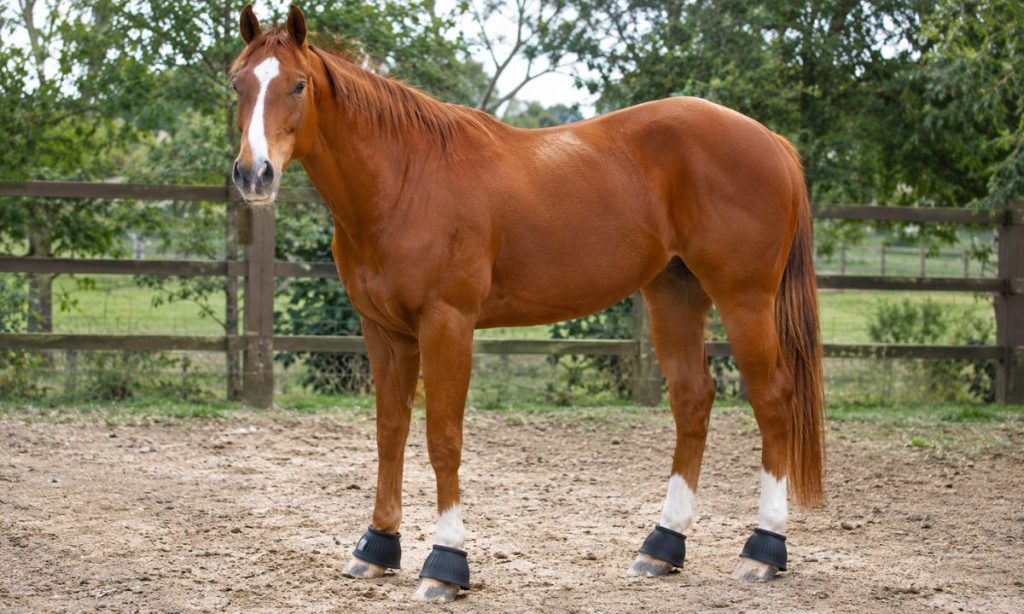
Bell boots cover the heel bulbs and part of the hoof to help reduce injuries from overreaching, when a hind foot strikes a front heel. The right pair depends on hoof shape, turnout conditions, activity, and tolerance for different materials. A secure fit matters: a boot that twists, rubs, traps debris, or restricts movement can create problems. This guide compares seven pull-on and closure styles, from familiar tack brands to budget options. Measure carefully, inspect boots after work, and ask a trainer or veterinarian if your horse has a recurring injury or unusual gait. Bell boots can help shield the heel area from contact during riding or turnout, but the wrong size or closure can rub or shift. This guide compares materials, fit features, and care details so you can choose a pair that suits your horse’s routine.
Quick Picks
| Product | Best For | Key Advantage | Buy | |
|---|---|---|---|---|
| Professional’s Choice Ballistic Overreach Bell Boots | A wrap style for riders who want quick application and substantial outer material. | Quick-wrap closure with a textured PVC outer layer. | View on Amazon | Jump to Review |
| Tough1 No Turn Bell Boots, Large | A neoprene option for buyers who want airflow and a fastening system. | Perforated neoprene, a no-turn feature, and quick-grip closure. | View on Amazon | Jump to Review |
| Shires ARMA Overreach Bell Boots | A straightforward rubber style for riding or turnout when properly fitted. | Rubber boots designed to deflect knocks around the hoof area. | View on Amazon | Jump to Review |
| HORZE No Turn Rubber Bell Boots, XL | A pull-on option for owners comparing larger sizes. | Rubber boots with an anti-slip, no-turn design. | View on Amazon | Jump to Review |
| Harrison Howard No-Turn Bell Boots | A candidate for comparing no-turn designs and impact coverage. | The listing describes a shock-absorbing center. | View on Amazon | Jump to Review |
| Abbylike Horse Bell Boots, Pair | A basic pair for shoppers comparing simple rubber formats. | A pair of black rubber boots intended to cover the front hoof area. | View on Amazon | Jump to Review |
| Tough1 Heavy Duty Ribbed Bell Boots | A traditional rubber choice for owners who prefer a simple boot shape. | A ribbed rubber style with an open bell design. | View on Amazon | Jump to Review |
Our Top 7 Picks
1. Professional’s Choice Ballistic Overreach Bell Boots

- Quick-wrap closure with a textured PVC outer layer.
- Wrap style can simplify application compared with pull-on boots.
- Confirm size and inspect the closure; the model is sold in different sizes.
1. Professional’s Choice Ballistic Overreach Bell Boots is included for riders comparing bell boots by material, closure, and coverage. The listing detail highlighted here is quick-wrap closure with a textured PVC outer layer. That feature can help narrow the style, but the product name alone cannot show whether the boot will fit a particular hoof or stay in place during movement. Check the size chart, pair count, closure, and care directions on the exact listing, since variants can differ.
A useful fit should cover the heel bulbs and the area prone to overreach without twisting, pinching, or restricting normal movement. Measure according to the manufacturer’s instructions and inspect the boot while the horse is standing and moving. Material, edge finish, and fastening style affect how the boot behaves in mud, moisture, and regular turnout. Compare the listed closure and material, then verify sizing, coverage, and intended use for riding or turnout on the current listing.
After each use, check for rubbing, trapped grit, loose closures, cracks, and wear that could expose the heel. Clean and dry the pair as directed, and stop using it if it shifts or irritates the skin. Some horses need a different size or construction for turnout than for riding. Bell boots can reduce contact to the heel area, but they do not correct an injury or gait problem; discuss recurring strikes or soreness with a veterinarian or qualified trainer.
My Recommendation
Consider 1. Professional’s Choice Ballistic Overreach Bell Boots if its closure and material match your horse’s activity and hoof shape. Measure using the maker’s chart, then check that the boot covers the heel without shifting or rubbing. Clean and inspect it after use. Choose another style if the fit is loose or the closure does not stay secure.
2. Tough1 No Turn Bell Boots, Large

- Perforated neoprene with a no-turn feature and quick-grip closure.
- The large-size version gives buyers a size option to compare.
- Check rotation and skin contact after exercise.
2. Tough1 No Turn Bell Boots, Large is included for riders comparing bell boots by material, closure, and coverage. The listing detail highlighted here is perforated neoprene, a no-turn feature, and quick-grip closure. That feature can help narrow the style, but the product name alone cannot show whether the boot will fit a particular hoof or stay in place during movement. Check the size chart, pair count, closure, and care directions on the exact listing, since variants can differ.
A useful fit should cover the heel bulbs and the area prone to overreach without twisting, pinching, or restricting normal movement. Measure according to the manufacturer’s instructions and inspect the boot while the horse is standing and moving. Material, edge finish, and fastening style affect how the boot behaves in mud, moisture, and regular turnout. Compare the listed closure and material, then verify sizing, coverage, and intended use for riding or turnout on the current listing.
After each use, check for rubbing, trapped grit, loose closures, cracks, and wear that could expose the heel. Clean and dry the pair as directed, and stop using it if it shifts or irritates the skin. Some horses need a different size or construction for turnout than for riding. Bell boots can reduce contact to the heel area, but they do not correct an injury or gait problem; discuss recurring strikes or soreness with a veterinarian or qualified trainer.
My Recommendation
Consider 2. Tough1 No Turn Bell Boots, Large if its closure and material match your horse’s activity and hoof shape. Measure using the maker’s chart, then check that the boot covers the heel without shifting or rubbing. Clean and inspect it after use. Choose another style if the fit is loose or the closure does not stay secure.
3. Shires ARMA Overreach Bell Boots

- Rubber overreach boots designed to deflect knocks around the hoof.
- Simple rubber construction for riding or turnout when properly fitted.
- Choose the size and closure version carefully; listings may vary.
3. Shires ARMA Overreach Bell Boots is included for riders comparing bell boots by material, closure, and coverage. The listing detail highlighted here is rubber boots designed to deflect knocks around the hoof area. That feature can help narrow the style, but the product name alone cannot show whether the boot will fit a particular hoof or stay in place during movement. Check the size chart, pair count, closure, and care directions on the exact listing, since variants can differ.
A useful fit should cover the heel bulbs and the area prone to overreach without twisting, pinching, or restricting normal movement. Measure according to the manufacturer’s instructions and inspect the boot while the horse is standing and moving. Material, edge finish, and fastening style affect how the boot behaves in mud, moisture, and regular turnout. Compare the listed closure and material, then verify sizing, coverage, and intended use for riding or turnout on the current listing.
After each use, check for rubbing, trapped grit, loose closures, cracks, and wear that could expose the heel. Clean and dry the pair as directed, and stop using it if it shifts or irritates the skin. Some horses need a different size or construction for turnout than for riding. Bell boots can reduce contact to the heel area, but they do not correct an injury or gait problem; discuss recurring strikes or soreness with a veterinarian or qualified trainer.
My Recommendation
Consider 3. Shires ARMA Overreach Bell Boots if its closure and material match your horse’s activity and hoof shape. Measure using the maker’s chart, then check that the boot covers the heel without shifting or rubbing. Clean and inspect it after use. Choose another style if the fit is loose or the closure does not stay secure.
4. HORZE No Turn Rubber Bell Boots, XL

- Anti-slip rubber design with a no-turn feature.
- XL size is available; confirm the maker’s chart before ordering.
- Confirm measurements; XL will not fit every large horse.
4. HORZE No Turn Rubber Bell Boots, XL is included for riders comparing bell boots by material, closure, and coverage. The listing detail highlighted here is rubber boots with an anti-slip, no-turn design. That feature can help narrow the style, but the product name alone cannot show whether the boot will fit a particular hoof or stay in place during movement. Check the size chart, pair count, closure, and care directions on the exact listing, since variants can differ.
A useful fit should cover the heel bulbs and the area prone to overreach without twisting, pinching, or restricting normal movement. Measure according to the manufacturer’s instructions and inspect the boot while the horse is standing and moving. Material, edge finish, and fastening style affect how the boot behaves in mud, moisture, and regular turnout. Compare the listed closure and material, then verify sizing, coverage, and intended use for riding or turnout on the current listing.
After each use, check for rubbing, trapped grit, loose closures, cracks, and wear that could expose the heel. Clean and dry the pair as directed, and stop using it if it shifts or irritates the skin. Some horses need a different size or construction for turnout than for riding. Bell boots can reduce contact to the heel area, but they do not correct an injury or gait problem; discuss recurring strikes or soreness with a veterinarian or qualified trainer.
My Recommendation
Consider 4. HORZE No Turn Rubber Bell Boots, XL if its closure and material match your horse’s activity and hoof shape. Measure using the maker’s chart, then check that the boot covers the heel without shifting or rubbing. Clean and inspect it after use. Choose another style if the fit is loose or the closure does not stay secure.
5. Harrison Howard No-Turn Bell Boots

- A shock-absorbing center is listed as a design feature.
- No-turn construction is the named fit feature.
- Check current listing for size and material details.
5. Harrison Howard No-Turn Bell Boots is included for riders comparing bell boots by material, closure, and coverage. The listing specifically mentions a shock-absorbing center. That feature can help narrow the style, but the product name alone cannot show whether the boot will fit a particular hoof or stay in place during movement. Check the size chart, pair count, closure, and care directions on the exact listing, since variants can differ.
A useful fit should cover the heel bulbs and the area prone to overreach without twisting, pinching, or restricting normal movement. Measure according to the manufacturer’s instructions and inspect the boot while the horse is standing and moving. Material, edge finish, and fastening style affect how the boot behaves in mud, moisture, and regular turnout. Compare the listed closure and material, then verify sizing, coverage, and intended use for riding or turnout on the current listing.
After each use, check for rubbing, trapped grit, loose closures, cracks, and wear that could expose the heel. Clean and dry the pair as directed, and stop using it if it shifts or irritates the skin. Some horses need a different size or construction for turnout than for riding. Bell boots can reduce contact to the heel area, but they do not correct an injury or gait problem; discuss recurring strikes or soreness with a veterinarian or qualified trainer.
My Recommendation
Consider 5. Harrison Howard No-Turn Bell Boots if its closure and material match your horse’s activity and hoof shape. Measure using the maker’s chart, then check that the boot covers the heel without shifting or rubbing. Clean and inspect it after use. Choose another style if the fit is loose or the closure does not stay secure.
6. Abbylike Horse Bell Boots, Pair

- Pair of black rubber boots intended to cover the front hoof.
- The pair format makes the included quantity clear.
- Verify closure details and sizing because listings can change.
6. Abbylike Horse Bell Boots, Pair is included for riders comparing bell boots by material, closure, and coverage. The listing detail highlighted here is a pair of black rubber boots intended to cover the front hoof area. That feature can help narrow the style, but the product name alone cannot show whether the boot will fit a particular hoof or stay in place during movement. Check the size chart, pair count, closure, and care directions on the exact listing, since variants can differ.
A useful fit should cover the heel bulbs and the area prone to overreach without twisting, pinching, or restricting normal movement. Measure according to the manufacturer’s instructions and inspect the boot while the horse is standing and moving. Material, edge finish, and fastening style affect how the boot behaves in mud, moisture, and regular turnout. Compare the listed closure and material, then verify sizing, coverage, and intended use for riding or turnout on the current listing.
After each use, check for rubbing, trapped grit, loose closures, cracks, and wear that could expose the heel. Clean and dry the pair as directed, and stop using it if it shifts or irritates the skin. Some horses need a different size or construction for turnout than for riding. Bell boots can reduce contact to the heel area, but they do not correct an injury or gait problem; discuss recurring strikes or soreness with a veterinarian or qualified trainer.
My Recommendation
Consider 6. Abbylike Horse Bell Boots, Pair if its closure and material match your horse’s activity and hoof shape. Measure using the maker’s chart, then check that the boot covers the heel without shifting or rubbing. Clean and inspect it after use. Choose another style if the fit is loose or the closure does not stay secure.
7. Tough1 Heavy Duty Ribbed Bell Boots

- Ribbed rubber with an open-bell design.
- Heavy-duty style for owners comparing simple rubber boots.
- Check that the edge does not rub and that the boot stays positioned.
7. Tough1 Heavy Duty Ribbed Bell Boots is included for riders comparing bell boots by material, closure, and coverage. The listing detail highlighted here is a ribbed rubber style with an open bell design. That feature can help narrow the style, but the product name alone cannot show whether the boot will fit a particular hoof or stay in place during movement. Check the size chart, pair count, closure, and care directions on the exact listing, since variants can differ.
A useful fit should cover the heel bulbs and the area prone to overreach without twisting, pinching, or restricting normal movement. Measure according to the manufacturer’s instructions and inspect the boot while the horse is standing and moving. Material, edge finish, and fastening style affect how the boot behaves in mud, moisture, and regular turnout. Compare the listed closure and material, then verify sizing, coverage, and intended use for riding or turnout on the current listing.
After each use, check for rubbing, trapped grit, loose closures, cracks, and wear that could expose the heel. Clean and dry the pair as directed, and stop using it if it shifts or irritates the skin. Some horses need a different size or construction for turnout than for riding. Bell boots can reduce contact to the heel area, but they do not correct an injury or gait problem; discuss recurring strikes or soreness with a veterinarian or qualified trainer.
My Recommendation
Consider 7. Tough1 Heavy Duty Ribbed Bell Boots if its closure and material match your horse’s activity and hoof shape. Measure using the maker’s chart, then check that the boot covers the heel without shifting or rubbing. Clean and inspect it after use. Choose another style if the fit is loose or the closure does not stay secure.
How to Choose best bell boots for horses
Choose the closure style
Pull-on boots have a simple profile and no fastening hardware, while hook-and-loop styles can be quicker to remove and adjust. A no-turn design may help keep the boot aligned, but no design stays in place on every horse. Choose materials and closures for daily turnout, riding, or competition. Consider whether mud, sand, or wet conditions may collect around the edge.
Start with accurate hoof measurements and the maker’s sizing chart. A boot should cover the heel area while staying secure without pinching or rotating. Closure style, no-turn shaping, and the material can affect how it sits during movement. Check the fit again after the horse walks and moves. Our guide to checking horse boots for fit and rubbing explains useful inspection points before a ride.
Measure and check coverage
Use the maker’s sizing chart and measure both front feet. Hoof shape and shoeing can affect fit, so do not rely only on breed or weight. The boot should cover the heel area without pinching, dragging, or leaving a loose edge that catches. Check fit while the horse stands and walks. Reassess size and style if the boot rotates or rubs.
Consider where and when the horse will wear the boots. Riding, turnout, and competition can expose the gear to different surfaces, moisture, and debris. Inspect the lining and closure after use, clean them as directed, and let the material dry before storage. If a boot shifts, traps grit, or leaves a mark, reassess the fit rather than tightening it without limit. For another leg-protection comparison, see our review of horse boots for trail riding.
Inspect during use
Remove boots after work and inspect the skin, heel bulbs, and coronet band for heat, dirt, hair loss, or marks. Clean and dry them as directed. Replace cracked rubber, worn fasteners, or damaged lining. Bell boots are protective equipment, not a substitute for hoof care or veterinary assessment. Repeated interference merits professional review.
Compare product materials and replacement cost with the amount of routine care you can provide. A pair that is quick to fasten may be convenient, while a no-turn feature or lining is useful only if it matches the horse’s shape and activity. Remove boots for a skin check after use. Our overview of horse leg safety checks on the trail offers additional context for planning a safe ride.
Frequently Asked Questions
What do bell boots protect?
They cover heel bulbs and nearby hoof areas to help reduce damage from overreaching. Fit and regular checks remain important.
Should bell boots be tight?
They should stay in place without pinching or rubbing. Follow the sizing guide and inspect the skin after use.
Can horses wear bell boots in turnout?
Some styles are used for turnout, but mud, moisture, and snagging risks matter. Follow the manufacturer’s instructions and inspect boots frequently.
Final Verdict
The best bell boots for horses depend on fit, coverage, material, and the horse’s activity. Compare closure styles, verify the exact size, and inspect for rubbing or shifting during use. Product details and availability can change, so check the current Amazon listing before purchase.
Affiliate disclosure: This article contains Amazon affiliate links. If you purchase through them, PetAdvisorPro may earn a commission. As an Amazon Associate I earn from qualifying purchases.









