
Choosing the best magnesium supplement for horses starts with a more useful question: does your horse need extra magnesium at all? Horses eating a balanced forage-based ration are unlikely to be deficient, and supplementing magnesium for “calming” is not a proven shortcut. This guide compares product forms and label details while keeping the ration first. The seven products below include powders, pellets, glycinate formulas, and a multi-ingredient blend. We focus on what their current listings actually disclose: format, package size, serving information when available, and important gaps to verify on the label. No supplement replaces a veterinarian’s assessment of a new behavior or health concern. Before changing the ration, review how horse feed labels and hay analyses differ with an equine professional. This guide is for product comparison, not a dosing plan.
Quick Picks
| Product | Best For | Key Advantage | Buy | |
|---|---|---|---|---|
| Magnesium 5000 Pellets | A straightforward pellet format | 10-pound bag listing with 80 servings | View on Amazon | Jump to Review |
| Pennwoods Magnesium Glycinate | A glycinate powder option | 5-pound powder listing with a stated per-serving amount | View on Amazon | Jump to Review |
| SU-PER Mag Pro | A chelated powder with a listed scoop amount | 4-pound powder listing reports over 2,100 mg elemental magnesium per scoop | View on Amazon | Jump to Review |
| EZium Chelated Magnesium | A large resealable powder bag | 9.5-pound resealable bag; listing labels it a 30-day supply | View on Amazon | Jump to Review |
| Pure Lab Equine Magnesium Glycinate | A simple glycinate powder | 454-gram equine-use powder listing | View on Amazon | Jump to Review |
| UltraCruz Equine Magnesium Plus Pellets | A large pellet package | 20-pound pellet product; listing names a U.S. manufacturer | View on Amazon | Jump to Review |
| Calm Equine Magnesium Blend | A multi-ingredient blend | 2-kilogram formula listing magnesium with B1 and L-tryptophan | View on Amazon | Jump to Review |
1. Magnesium 5000 Pellets

What We Like
- Pellet format avoids loose powder
- Listing states 10 pounds and 80 servings
- Horse-specific magnesium product
- Simple format to compare with feed
What We Don’t Like
- Listing does not specify magnesium form in returned details
- Serving amount should be checked against the current label
Magnesium 5000 is a horse-specific supplement presented in pellet form. The current product listing identifies a 10-pound bag and states that it contains 80 servings. That gives you useful package information when comparing formats, although the listing details returned for this product do not identify the magnesium compound or the amount of elemental magnesium per serving. Those details matter more than a large bag size. Ask the manufacturer or your equine nutrition professional for the full guaranteed analysis if the label does not clearly show them.
A pellet may fit into a routine more neatly than a powder for horses that sort feed or leave dusty supplements behind. Still, texture does not guarantee acceptance, and a new feed component can change how a horse cleans up its ration. Mix it only as directed by the label and watch whether the horse consumes the full serving. The listed 80-serving count is a package claim, not a personalized dose recommendation; actual use depends on the label directions and the horse’s total magnesium intake from forage, feed, and other supplements.
This option is most useful for an owner who has already identified a reason to consider magnesium and prefers a measured pellet format. It is less suitable when you need clearly documented elemental-magnesium amounts before making a comparison, unless the current label supplies that information. Do not choose it because of broad calming or metabolic language alone. Magnesium supplementation is not a substitute for diagnosing behavior or metabolic concerns. Compare the guaranteed analysis, serving instructions, and cost per labeled serving with the rest of the ration before buying.
My Recommendation
Consider Magnesium 5000 when a horse-specific pellet and a larger package are priorities. Before choosing it, confirm the current label’s magnesium form and amount per serving, since those details were not included in the product data returned for this listing. If you need transparent nutrient math, a product with a clearer guaranteed analysis may be easier to evaluate.
2. Pennwoods Magnesium Glycinate

What We Like
- Magnesium glycinate named in product title
- Powder can be blended into a ration
- Five-pound package size is stated
- Listing reports 1,500 mg per serving
What We Don’t Like
- Confirm whether the amount is elemental magnesium
- Large bag may not suit a short trial
Pennwoods identifies this product as a magnesium glycinate powder for horses and lists a 5-pound bag. Its product information reports 1,500 milligrams per serving, but the wording does not make clear whether that figure means elemental magnesium or the total glycinate compound. Check the current label or ask the manufacturer before comparing it with another formula. That distinction affects how you interpret a serving, so avoid treating a number from a product page as a dosing recommendation for your horse.
The powder format lets you add a measured portion to feed, which may be convenient when a horse already receives a moist mash or a small concentrate meal. It can also be left behind if the horse sorts feed, so acceptance and complete consumption matter. The seller describes the product as chelated magnesium glycinate, but marketing language does not establish a clinical benefit for every horse. Look for the guaranteed analysis, serving directions, ingredient list, and storage guidance on the current package before incorporating it into a balanced ration.
This option may suit owners who prefer a powder and specifically want a glycinate formulation to discuss with a veterinarian or equine nutritionist. The listing positions it for easy keepers, but it should not be selected as a treatment for insulin dysregulation or as a proven calmer. Confirm the horse’s complete daily magnesium intake first, especially if a ration balancer or fortified feed is already in use. Compare cost per clearly defined serving only after you confirm the serving size and elemental-magnesium amount.
My Recommendation
Pennwoods is worth comparing when you want a magnesium glycinate powder and a mid-size bag. I would verify the current label’s 1,500-milligram statement before using it in any nutrient calculation, because the listing does not clarify whether it refers to elemental magnesium. Choose another formula if its serving information remains unclear.
3. SU-PER Mag Pro

What We Like
- Magnesium proteinate is named in listing details
- Four-pound powder package
- Listing specifies elemental magnesium per scoop
- No flavors or fillers claimed by listing
What We Don’t Like
- A stated amount is not a horse-specific dose
- Powder acceptance varies between horses
SU-PER Mag Pro is a powder supplement marketed for horses. Its returned product details describe magnesium proteinate and state that each scoop contains more than 2,100 milligrams of elemental magnesium. Treat that as a product-page claim and check the current package for the guaranteed analysis and scoop size before you compare it with other options. The 4-pound package size is also listed. These details make the formula easier to assess on paper than listings that omit the magnesium form or amount.
Powder can be useful when a measured supplement is mixed into a ration the horse reliably finishes. A horse that leaves feed behind may receive an inconsistent portion, so observe the first servings and follow the package directions. Do not increase the amount simply because a horse seems nervous, unfocused, or stiff. Those signs can have many causes, and available veterinary guidance does not support assuming that magnesium is the answer. For a behavior concern, first consider pain, environment, training, and other health factors with an equine professional.
This product is most relevant to owners who want the label to identify a chelated magnesium form and a stated elemental amount per scoop. Its marketing uses calming and performance language, but those are not guaranteed outcomes. Ask whether the formula fits the horse’s measured ration and health history, particularly if the animal receives other mineral products. The current label should guide use; the product listing’s scoop figure is for comparison, not a prescription. Keep the powder sealed and dry according to the package instructions.
My Recommendation
SU-PER Mag Pro stands out on paper because the listing names magnesium proteinate and gives an elemental-magnesium amount per scoop. It may be a practical comparison point for owners who prefer powder. Verify that the current label matches the listing, then review the total ration with an equine professional before use.
4. EZium Chelated Magnesium

What We Like
- Chelated magnesium described in the product title
- Resealable 9.5-pound package
- Feed powder format
- Listing specifies a package duration
What We Don’t Like
- A 30-day supply may not match every horse’s needs
- Marketing outcome claims should not guide treatment
EZium Chelated Magnesium is sold as a powdered equine supplement in a 9.5-pound resealable bag. The listing describes the package as a 30-day supply and gives a serving schedule, but your horse’s needs should not be inferred from a seller’s general directions. Review the current label for the magnesium form, elemental amount, scoop size, and complete ingredient panel. Those details let you compare it responsibly with other formulas and check for overlap with fortified feeds or supplements already in the ration.
A resealable bag can help keep powder contained between feedings, although it still needs storage in a dry place and a scoop kept clean. The feed format may work for horses that accept powdered additions, while picky eaters can sort it out or leave part of the meal. Introduce any new product in the way the label and your veterinarian recommend. Track whether the horse finishes the ration rather than assuming that mixing a supplement into feed guarantees full intake.
The product page uses calming, focus, and recovery language. Those phrases should not be read as proof that magnesium will change behavior or prevent muscle problems. Veterinary references describe magnesium deficiency as uncommon in horses with adequate feed, and research does not establish routine low-level supplementation as a reliable calming treatment. This option is best considered only after a specific nutritional reason has been identified. Confirm the current package information, serving math, and suitability for the individual horse before making a purchase.
My Recommendation
EZium may appeal if you prefer powder in a resealable bag and want a larger package for a planned routine. Its stated 30-day duration is the listing’s general claim, not a recommendation for every horse. Check the current label carefully and avoid buying it solely for advertised calming or recovery effects.
5. Pure Lab Equine Magnesium Glycinate

What We Like
- Equine magnesium glycinate named directly
- Powder can be added to feed
- 454-gram package size is stated
- Listing describes an additive-free formula
What We Don’t Like
- Smaller package than bulk options
- Returned details do not show an elemental amount
Pure Lab Vitamins lists this as an equine magnesium glycinate powder in a 454-gram package. The product data describes it as additive-free and intended for equine use. It is a more compact option than the multi-pound bags in this roundup, which may help an owner avoid storing a large quantity when a professional has recommended a limited trial. The returned listing details do not provide a clear elemental-magnesium amount per serving, so check the current label before doing any nutrient or cost comparison.
A powder can be stirred into a suitable feed portion, but consistent intake depends on the horse eating the full meal. Start by checking the label’s directions and the horse’s existing ration rather than assuming that the same scoop amount suits all animals. The product title names glycinate, but the label should still be reviewed for the actual magnesium source, guaranteed analysis, serving size, and any other ingredients. Keep the container closed and follow its storage directions to protect the product from moisture.
This formula may interest an owner who wants a smaller package and a single-mineral powder instead of a broader calming blend. The product listing’s descriptions of muscle, nerve, or cardiovascular support are not evidence that supplementation will improve a particular horse’s health. Ask a veterinarian or qualified equine nutrition professional whether the full diet indicates a gap. If a precise amount cannot be confirmed from the package, choose a product with clearer nutrient information for a ration calculation.
My Recommendation
Pure Lab’s smaller glycinate powder package may suit an owner who wants a limited quantity for a professional-guided plan. Its listing does not make the elemental amount clear in the data I could verify, so confirm the current label before purchase. A more transparent guaranteed analysis is preferable when exact nutrient calculations matter.
6. UltraCruz Equine Magnesium Plus Pellets

What We Like
- Pelleted rather than loose-powder format
- 20-pound package size is listed
- Equine-specific magnesium product
- Product listing identifies the manufacturer
What We Don’t Like
- Large bag requires secure dry storage
- Returned details omit the elemental amount per serving
UltraCruz Equine Magnesium Plus is a pelleted product sold in a 20-pound package. The listing describes it as an equine magnesium supplement and says the pellet format may reduce waste compared with powder. That format can be useful for owners who prefer a dry, scoopable feed addition, but it does not guarantee that a horse will eat the full serving. The product details returned for this listing do not show a clear elemental-magnesium amount, so inspect the current label before deciding whether it belongs in the ration.
A large package may be economical only when the formula is appropriate, the horse accepts it, and the product can be stored correctly. It can be inconvenient for a short trial or a single horse with uncertain need. Use the label’s directions and count magnesium from the whole diet, including forage, fortified feeds, and any other supplements. The product page contains broad support language around muscle, nerve, and metabolic function. These statements should not replace individualized advice or be treated as a therapeutic promise.
This product is a reasonable format comparison for owners who prefer pellets and already have a clear supplementation plan. It is a weaker choice if you need to calculate a precise daily magnesium amount and cannot find that information on the current package. Ask the manufacturer for the guaranteed analysis when needed. Discuss any behavioral, metabolic, or muscular concern with a veterinarian rather than starting a supplement as a diagnostic test. Keep the bag protected from moisture and follow package storage guidance.
My Recommendation
UltraCruz offers a pellet format in a 20-pound package, so it may fit a barn that prefers dry feed additions and can store bulk bags properly. Confirm the current guaranteed analysis before use, especially the elemental-magnesium amount per serving. The large size makes it less attractive when the horse’s need is still uncertain.
7. Calm Equine Magnesium Blend
What We Like
- Magnesium is combined with vitamin B1 and L-tryptophan
- 2-kilogram package size is stated
- Multi-ingredient formula is clearly distinguished
- Product data lists selenium and probiotics
What We Don’t Like
- Not a magnesium-only supplement
- More ingredients complicate ration overlap checks
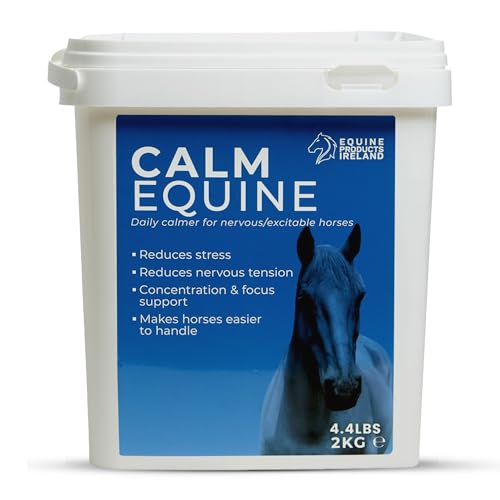
Calm Equine is a multi-ingredient horse supplement whose product title lists magnesium, vitamin B1, and L-tryptophan. The returned product details also mention selenium and probiotics, and the package is listed as 2 kilograms. This makes it different from the single-mineral powders and pellets elsewhere in the roundup. If your goal is to supplement magnesium specifically, the additional ingredients matter. Check the full label and ask a nutrition professional whether those ingredients duplicate nutrients the horse already receives.
The product is marketed for calm behavior, but that wording is not proof that the blend will change a horse’s temperament. The product data does not provide a clearly verified elemental-magnesium amount here, so do not compare it with a single-ingredient formula by package weight alone. Look for each active ingredient’s amount, directions, and any competition-related cautions on the current label. A veterinarian can help determine whether a behavior change reflects pain, environment, management, or another health issue before you add a supplement.
This blend may be considered by an owner who wants to compare a broader formula rather than magnesium alone. It is less appropriate when the ration requires a precise mineral adjustment or when a horse already receives selenium, B vitamins, or other combined products. Review the complete diet, intended use, and current label first. A multi-ingredient blend should not be selected as a substitute for diagnosing anxiety or other behavior concerns, and it should not be stacked with similar products without professional guidance.
My Recommendation
Calm Equine is the broadest formula here, with magnesium alongside B1 and L-tryptophan and additional ingredients listed in the product data. It may suit an owner comparing multi-ingredient calming products, but it is not a clean magnesium-only choice. Review every ingredient against the full ration before deciding.
How to Choose the Best Magnesium Supplement for Horses
Start with the whole ration and a clear reason
Do not begin with a product claim about calmness, muscles, or metabolism. Start with the horse’s forage, concentrate, ration balancer, treats, and every supplement already in the feed. Magnesium from those sources adds up. Merck Veterinary Manual notes that deficiency is uncommon in horses consuming adequate feed. It also describes mixed evidence for proposed behavioral or metabolic benefits. Ask a veterinarian or equine nutritionist to assess the full diet and decide whether testing or a ration adjustment is useful. If the concern is a new behavior, discomfort, or change in performance, look for its cause instead of using a supplement as a trial diagnosis. For related context, read what to consider before adding a calmer to a horse’s diet.
Compare the form, elemental amount, and serving size
Product titles may name oxide, glycinate, proteinate, or a broad chelated form. The label should also state how much elemental magnesium is provided in a serving, how large that serving is, and how the product should be introduced. A package weight alone cannot tell you the daily nutrient amount. Be cautious when a listing gives a milligram amount without clarifying whether it describes elemental magnesium or the whole compound. Powder and pellets can both work as feed additions, but only if your horse eats the ration completely. Compare the cost per correctly labeled serving after confirming those details. Read the product’s full ingredient panel and storage instructions before purchase.
Check other ingredients and match the product to the goal
Some options are magnesium-only, while others add ingredients such as B vitamins, tryptophan, selenium, or probiotics. Those additions can make a product less suitable when the horse already receives a fortified feed or a similar supplement. They also make it harder to adjust one nutrient at a time. For horses with possible insulin dysregulation, do not treat magnesium as a stand-alone solution; ask your veterinarian how the condition is assessed and managed. Our guide explains how veterinarians assess insulin resistance in horses. Choose the simplest formula that fits a professional-guided plan, and avoid stacking products with overlapping ingredients.
Frequently Asked Questions
Do all horses need a magnesium supplement?
No. Horses consuming an adequate, balanced diet are unlikely to be deficient. Have the full ration reviewed before adding a mineral product.
Can magnesium supplements reliably calm a horse?
Evidence for routine magnesium supplementation as a calming treatment is inconclusive. Sudden behavior changes deserve an assessment for pain, management, or other causes.
Which magnesium form is best for horses?
There is no single best form for every horse. Compare the elemental amount, serving size, full label, and suitability for the horse’s diet with a professional.
Can I give magnesium with a fortified feed?
Possibly, but first count magnesium and other minerals from the complete ration. A veterinarian or equine nutritionist can help prevent unnecessary overlap.
Are powder or pellets easier to feed?
It depends on the horse. Powder mixes into feed, while pellets may reduce loose powder. Either format can be left behind, so check that the full meal is eaten.
Final Verdict
The best magnesium supplement for horses is the one that fits a documented need, provides clear label information, and does not duplicate nutrients already in the ration. SU-PER Mag Pro and Pennwoods disclose more formulation details in their product listings, while the pellet options may suit owners who prefer that format. Calm Equine is a multi-ingredient blend rather than a magnesium-only choice. Verify every current label and review the complete diet with an equine professional before buying. Magnesium is not a proven general-purpose calmer, and no product here replaces veterinary care.
Affiliate disclosure: This article contains Amazon affiliate links. If you purchase through them, PetAdvisorPro may earn a commission. As an Amazon Associate I earn from qualifying purchases.









