

Strong bones depend on the horse’s whole feeding program, not simply the amount of calcium listed on a supplement bag. The best bone supplement for horses is the one that addresses a confirmed dietary gap without upsetting calcium-to-phosphorus balance. We compare five distinct verified products, including equine mineral powders, a mare-and-foal formula, a liquid bone-support blend and a multi-species feed-grade source. They are not interchangeable. Forage analysis, current fortified feed, life stage and veterinary nutrition advice should guide whether supplementation is needed. More minerals are not necessarily safer, particularly for young or breeding horses. Our Quick Picks explain the product categories; the detailed sections help you compare nutrient purpose, dosing information and the important limits of each option.
For more practical background, see our guide to introducing vitamin-mineral products to horses.
Quick Picks
These 5 options cover different uses within equine bone and skeletal nutrition. The quick comparison is a starting point; detailed limits appear below.
| Product | Best For | Key Advantage | Buy | |
|---|---|---|---|---|
| SU-PER Di-Calcium Phosphate | equine di-calcium phosphate powder in a four-pound tub | Calcium and phosphorus powder | View on Amazon | Jump to Review |
| SU-PER Bone Boost | equine bone-focused mineral powder for feed plans | Bone-focused equine formula | View on Amazon | Jump to Review |
| Cal+ Horse Supplement for Mares and Foals | calcium-phosphorus-D3 mix specifically positioned for mares and foals | Mare-and-foal D3 mineral blend | View on Amazon | Jump to Review |
| 100X Equine Osteo-MAX | liquid supplement marketed for bone and soft-tissue support | Liquid bone and tissue formula | View on Amazon | Jump to Review |
| Multi-Species Dicalcium Phosphate 19 lb | multi-species di-calcium phosphate powder with a horse use case | Bulk multi-species phosphate powder | View on Amazon | Jump to Review |
Our Picks: Best Bone Supplement For Horses
Each pick below has a different intended use. Compare its stated features and drawbacks with your own equine bone and skeletal nutrition needs.
1. SU-PER Di-Calcium Phosphate

- Equine-specific mineral source
- Calcium and phosphorus supply
- Four-pound powder tub
- Skeletal-support positioning
- Unneeded phosphorus can unbalance the ration
SU-PER Di-Calcium Phosphate deserves a closer look when you need equine di-calcium phosphate powder in a four-pound tub. This four-pound powder supplies calcium and phosphorus. The maker markets it for skeletal mineral support. Horse bone nutrition depends on the entire diet, especially calcium and phosphorus in forage and fortified feed. Extra powder is not automatically helpful. Your horse’s behavior and care needs should determine whether the listed features matter.
It is an equine-specific supplement. Ask a veterinarian or equine nutritionist to review mineral totals before adding D3 or phosphorus. Excesses may be as important as shortages. Compare this with equine bone-focused mineral powder for feed plans. The two options address different preferences or setup requirements. Inspect the current label, package quantity and directions before buying. Start with forage testing and the current feed label. Total calcium, phosphorus and the overall ratio matter more than a single advertised ingredient. Use supplements to solve a documented shortfall, not to replace balanced forage, appropriate concentrate and routine management.
A practical limitation: unneeded phosphorus can unbalance the ration. A multi-species mineral powder requires special caution. Horse-specific feeding instructions must be available before considering it. Look at what you will do every day: measuring, cleaning, supervision and the time required all influence value. A growing foal, pregnant mare and mature horse may need different feeding plans. Match the product to a calculated dietary gap. Confirm that phosphorus is actually deficient before using this as an everyday feed addition.
My Recommendation
Consider this option if you prefer equine di-calcium phosphate powder in a four-pound tub. This four-pound powder supplies calcium and phosphorus. A limitation to weigh: unneeded phosphorus can unbalance the ration. Check the current directions and compare practical fit, safety and serving requirements before ordering for your animal.
2. SU-PER Bone Boost

- Calcium-phosphorus formulation
- Magnesium also listed
- Bone-development positioning
- 12.5-pound powder pack
- Confirm the full ingredient panel and feeding amount
SU-PER Bone Boost deserves a closer look when you need equine bone-focused mineral powder for feed plans. The bone-focused powder contains calcium and phosphorus. Magnesium is also highlighted on the label. Bone-related marketing can hide meaningful differences between a mineral source, a growth ration supplement and a joint-focused liquid. Your horse’s behavior and care needs should determine whether the listed features matter.
The pack is listed at 12.5 pounds. Start with forage testing and the current feed label. Total calcium, phosphorus and the overall ratio matter more than a single advertised ingredient. Compare this with calcium-phosphorus-D3 mix specifically positioned for mares and foals. The two options address different preferences or setup requirements. Inspect the current label, package quantity and directions before buying. Compare the amount delivered per daily serving, not just the package weight. Some products are dense mineral sources rather than complete balancers. A multi-species mineral powder requires special caution. Horse-specific feeding instructions must be available before considering it.
A practical limitation: confirm the full ingredient panel and feeding amount. Do not combine overlapping products by intuition. Several small additions can collectively distort the ration. Make a purchase decision based on the documented design and practical fit, not a promise of instant results. Horse bone nutrition depends on the entire diet, especially calcium and phosphorus in forage and fortified feed. Extra powder is not automatically helpful. A careful match will matter more than a broad claim of universal suitability.
My Recommendation
Consider this option if you prefer equine bone-focused mineral powder for feed plans. The bone-focused powder contains calcium and phosphorus. A limitation to weigh: confirm the full ingredient panel and feeding amount. Check the current directions and compare practical fit, safety and serving requirements before ordering for your animal.
3. Cal+ Horse Supplement for Mares and Foals
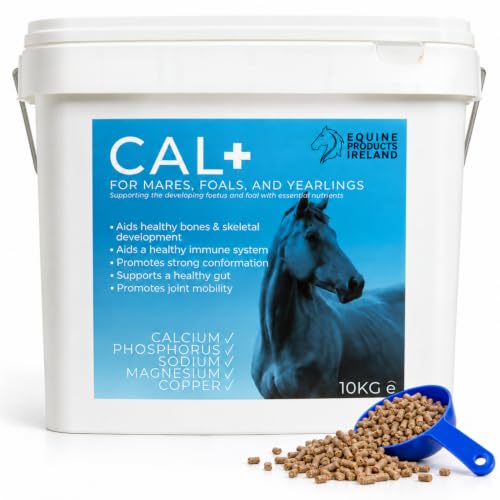
- Mare-and-foal focus
- Calcium-phosphorus-D3 combination
- Vitamin D3 included
- Additional amino acids listed
- Mare-and-foal formulation is not a universal adult supplement
Cal+ Horse Supplement for Mares and Foals deserves a closer look when you need calcium-phosphorus-D3 mix specifically positioned for mares and foals. The formula targets mares and foals. It combines calcium, phosphorus and vitamin D3. A growing foal, pregnant mare and mature horse may need different feeding plans. Match the product to a calculated dietary gap. Your horse’s behavior and care needs should determine whether the listed features matter.
The listing also mentions amino acids and other nutrients. Compare the amount delivered per daily serving, not just the package weight. Some products are dense mineral sources rather than complete balancers. Compare this with liquid supplement marketed for bone and soft-tissue support. The two options address different preferences or setup requirements. Inspect the current label, package quantity and directions before buying. Ask a veterinarian or equine nutritionist to review mineral totals before adding D3 or phosphorus. Excesses may be as important as shortages. Do not combine overlapping products by intuition. Several small additions can collectively distort the ration.
A practical limitation: mare-and-foal formulation is not a universal adult supplement. Use supplements to solve a documented shortfall, not to replace balanced forage, appropriate concentrate and routine management. Keep a record of how your horse responds, and stop using a product that causes discomfort or concern. Bone-related marketing can hide meaningful differences between a mineral source, a growth ration supplement and a joint-focused liquid.
My Recommendation
Consider this option if you prefer calcium-phosphorus-D3 mix specifically positioned for mares and foals. The formula targets mares and foals. A limitation to weigh: mare-and-foal formulation is not a universal adult supplement. Check the current directions and compare practical fit, safety and serving requirements before ordering for your animal.
4. 100X Equine Osteo-MAX

- Liquid bone-support format
- Silica and hyaluronic acid
- Pump-based serving directions
- Soft-tissue support positioning
- Liquid formula may differ from a mineral balancer
100X Equine Osteo-MAX deserves a closer look when you need liquid supplement marketed for bone and soft-tissue support. The liquid product targets bone and soft-tissue support. Its listing includes silica and hyaluronic acid. Horse bone nutrition depends on the entire diet, especially calcium and phosphorus in forage and fortified feed. Extra powder is not automatically helpful. Your horse’s behavior and care needs should determine whether the listed features matter.
The directions describe an initial pump-based schedule. Ask a veterinarian or equine nutritionist to review mineral totals before adding D3 or phosphorus. Excesses may be as important as shortages. Compare this with multi-species di-calcium phosphate powder with a horse use case. The two options address different preferences or setup requirements. Inspect the current label, package quantity and directions before buying. Start with forage testing and the current feed label. Total calcium, phosphorus and the overall ratio matter more than a single advertised ingredient. Use supplements to solve a documented shortfall, not to replace balanced forage, appropriate concentrate and routine management.
A practical limitation: liquid formula may differ from a mineral balancer. A multi-species mineral powder requires special caution. Horse-specific feeding instructions must be available before considering it. The best fit should solve one identifiable problem in your routine while remaining safe for the animal. A growing foal, pregnant mare and mature horse may need different feeding plans. Match the product to a calculated dietary gap.
My Recommendation
Consider this option if you prefer liquid supplement marketed for bone and soft-tissue support. The liquid product targets bone and soft-tissue support. A limitation to weigh: liquid formula may differ from a mineral balancer. Check the current directions and compare practical fit, safety and serving requirements before ordering for your animal.
5. Multi-Species Dicalcium Phosphate 19 lb

- Feed-grade dicalcium phosphate
- Nineteen-pound bag
- Multi-species marketing
- Horse use listed
- Multi-species directions must not be guessed for horses
Multi-Species Dicalcium Phosphate 19 lb deserves a closer look when you need multi-species di-calcium phosphate powder with a horse use case. This large bag contains feed-grade dicalcium phosphate. The product is marketed for several livestock species. Bone-related marketing can hide meaningful differences between a mineral source, a growth ration supplement and a joint-focused liquid. Your horse’s behavior and care needs should determine whether the listed features matter.
The package weighs about 19 pounds. Start with forage testing and the current feed label. Total calcium, phosphorus and the overall ratio matter more than a single advertised ingredient. Compare this with equine di-calcium phosphate powder in a four-pound tub. The two options address different preferences or setup requirements. Inspect the current label, package quantity and directions before buying. Compare the amount delivered per daily serving, not just the package weight. Some products are dense mineral sources rather than complete balancers. A multi-species mineral powder requires special caution. Horse-specific feeding instructions must be available before considering it.
A practical limitation: multi-species directions must not be guessed for horses. Do not combine overlapping products by intuition. Several small additions can collectively distort the ration. Choose for the specific function shown on the label, not because a similar product helped another household. Horse bone nutrition depends on the entire diet, especially calcium and phosphorus in forage and fortified feed. Extra powder is not automatically helpful.
My Recommendation
Consider this option if you prefer multi-species di-calcium phosphate powder with a horse use case. This large bag contains feed-grade dicalcium phosphate. A limitation to weigh: multi-species directions must not be guessed for horses. Check the current directions and compare practical fit, safety and serving requirements before ordering for your animal.
For a related practical routine, see our guide to reading horse feed labels.
How to choose best bone supplement for horses
The best match for equine bone and skeletal nutrition depends on purpose, clear directions, and practical limits. Compare verified product features, then use the checks below to avoid misleading claims and prevent a poor fit.
Test the existing ration before adding minerals
Start by defining the exact buying task. Horses need the right overall calcium-to-phosphorus balance, not simply more calcium. Excess minerals can be harmful. Growth stage, forage testing, fortified feed, and veterinary advice should guide any additions. The first check is what the package actually says, not the most dramatic benefit claimed in an advertisement. Record the horse’s age, workload, growth stage, forage type and fortified-feed intake. A broodmare or foal formula may be inappropriate for a mature horse. Then narrow your options to products whose intended use lines up with that list. If the product category touches medical care, ask your veterinarian before making a change. A careful choice is usually a specific choice: it matches a real routine instead of solving an imaginary problem. Keep notes about fit and usability so you can compare two candidates honestly.
Compare calcium-phosphorus balance and life stage
Look beyond the front label to the details you can verify. Inspect actual calcium, phosphorus, magnesium and vitamin D3 amounts per serving. A joint-support liquid may not correct a mineral-deficient ration. Check whether the named listing has variations and whether the exact option you select has the same features. Calculate the combined minerals from hay, pasture, concentrates and supplements. The calcium-to-phosphorus ratio matters more than a large calcium claim. Think about cleaning, storing, handling, and monitoring over a month, not only a single day. When specifications are missing, do not guess. Contact the maker or select a product with better documentation. The goal is to understand what is really being purchased and whether its conditions of use are realistic.
Avoid overlapping fortified feeds and vague claims
A sound buying decision includes a plan for first use and follow-up. Horses need the right overall calcium-to-phosphorus balance, not simply more calcium. Excess minerals can be harmful. Growth stage, forage testing, fortified feed, and veterinary advice should guide any additions. If the animal reacts poorly or the product is inconvenient, stop and reassess rather than pushing through. Keep the original package and instructions. Use forage analysis and equine nutrition advice before introducing another mineral. Avoid stacking overlapping balancers; review dosing closely for multi-species products. Treat promotional outcomes as uncertain. The best value is a suitable option that you can use correctly and maintain without creating new safety problems. Practical follow-through matters more than a flashy feature list.
For related reading
Useful related guides include horse vitamin options compared.
Frequently Asked Questions
These answers address common decisions about equine bone and skeletal nutrition.
Does every horse need extra calcium?
No. The full forage and concentrate ration may already provide enough. Excess can disturb mineral balance.
Why does calcium-to-phosphorus balance matter?
Both minerals support skeletal function. The amount and ratio should reflect the whole diet and life stage.
Is a foal supplement suitable for an adult horse?
Not automatically. Growth-stage formulations require careful assessment against the animal’s diet.
Can bone supplements heal fractures?
No. Suspected fractures or lameness require immediate veterinary assessment. Supplements are not orthopedic treatment.
What testing helps before supplementing?
Forage analysis and a complete ration review can identify gaps. Ask an equine nutrition professional to interpret them.
Final Verdict
Do not choose a bone supplement for a horse solely because it contains a large amount of calcium. SU-PER Di-Calcium Phosphate and Bone Boost are different mineral approaches; the mare-and-foal blend is intended for a specific life stage, while Osteo-MAX is a broader soft-tissue formula. First check hay, concentrate and existing supplement intake. If no nutritional shortage is documented, adding minerals can create new imbalances. Ask an equine veterinarian or nutritionist to calculate the full ration before selecting a product.
Affiliate disclosure: This article contains Amazon affiliate links. If you purchase through them, PetAdvisorPro may earn a commission. As an Amazon Associate I earn from qualifying purchases.









