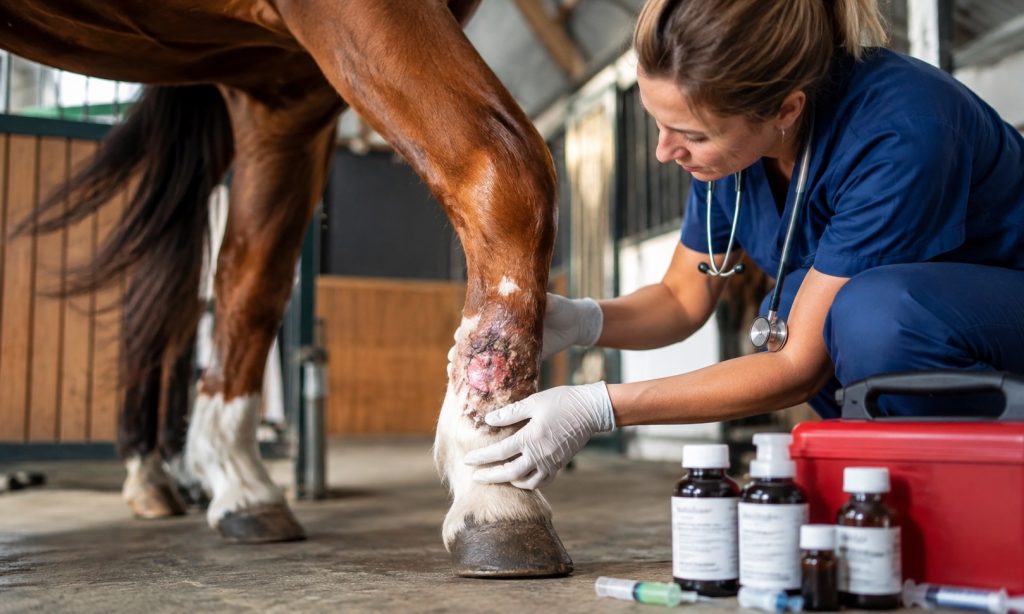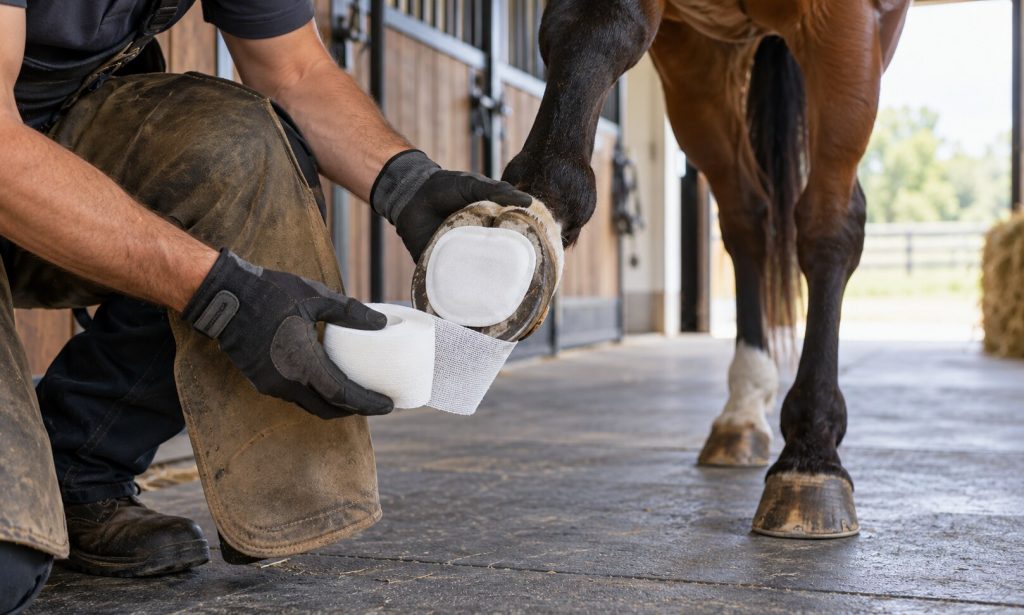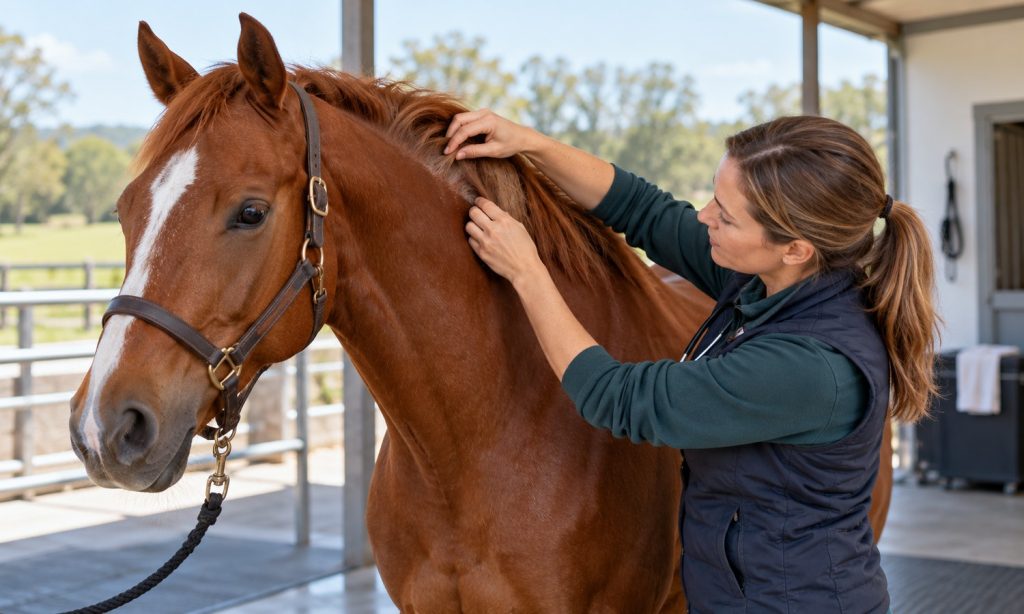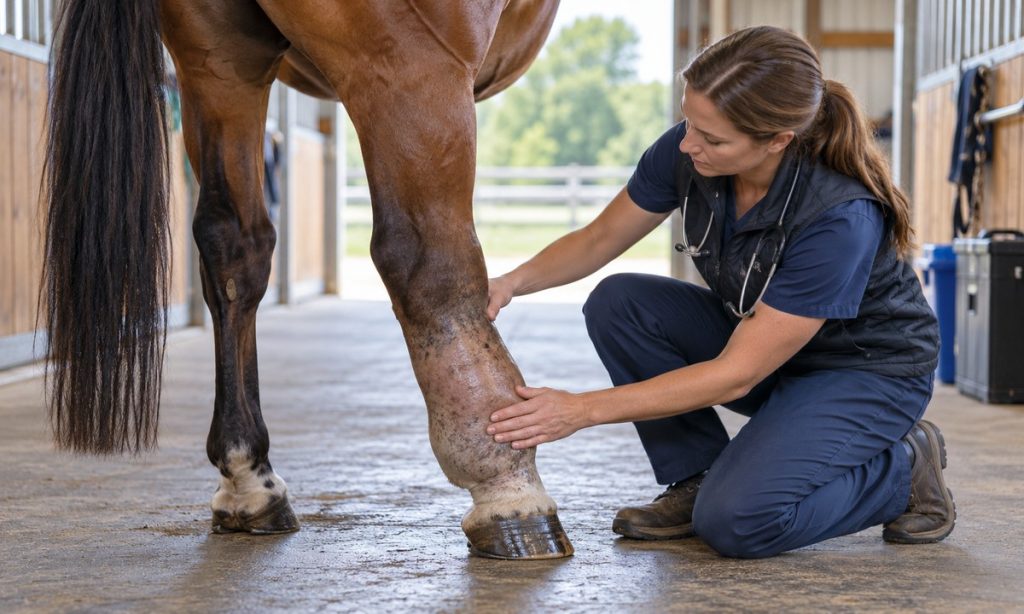
There is no single best dewormer for every horse. The right product depends on the parasites being targeted, the horse’s age and health, prior treatments, and local drug resistance. Current equine guidance favors veterinary-led parasite control using fecal testing instead of automatic calendar-based rotation. This guide compares seven verified horse dewormer products by active ingredient and form; it does not prescribe a product, dose, or schedule. Work with your veterinarian to interpret fecal egg counts, choose a labeled treatment when appropriate, and check whether follow-up testing is needed. For broader horse-care context, see our guide to discussing horse products with a veterinarian. The AAEP internal parasite control guidelines provide professional recommendations.
Quick Picks
| Product | Best For | Key Advantage | Buy | |
|---|---|---|---|---|
| Safe-Guard Equine Fenbendazole Paste | fenbendazole paste comparison | Label-specific active ingredient(s) | View on Amazon | Jump to Review |
| Zimecterin Gold Equine Dewormer | ivermectin and praziquantel combination | Label-specific active ingredient(s) | View on Amazon | Jump to Review |
| Farnam IverCare Ivermectin Paste | single-ingredient ivermectin paste | Label-specific active ingredient(s) | View on Amazon | Jump to Review |
| Quest Plus Moxidectin and Praziquantel Gel | two-active-ingredient gel | Label-specific active ingredient(s) | View on Amazon | Jump to Review |
| Strongid Pyrantel Pamoate Paste | pyrantel paste | Label-specific active ingredient(s) | View on Amazon | Jump to Review |
| Anthelcide EQ Oxibendazole Paste | oxibendazole paste | Label-specific active ingredient(s) | View on Amazon | Jump to Review |
| Equimax Horse Dewormer Paste | ivermectin and praziquantel alternative | Label-specific active ingredient(s) | View on Amazon | Jump to Review |
1. Safe-Guard Equine Fenbendazole Paste

- Fenbendazole identified
- Oral paste format
- Equine-labeled product
- Apple flavor listed
- Not universal coverage
- Vet selection required
Safe-Guard Equine Paste is a fenbendazole product listed for horses, supplied as an oral paste. The Creators listing identifies the active ingredient and describes coverage for several equine parasite groups. Those details help a horse owner compare its active ingredient with a veterinarian’s plan, but they do not establish that fenbendazole is appropriate for every horse or every parasite concern. Product labels and veterinary guidance determine the correct use. The listing also describes an apple flavor, which may be relevant to administration preference, but no flavor claim guarantees that an individual horse will accept the paste. A product name alone cannot show whether the horse’s current parasite findings match the label’s intended use. Compare the product’s active ingredient with documented prior use and the current veterinary plan.
Before selecting this product, confirm the current label, target species, active ingredient, precautions, and any veterinary instructions. Do not choose a dewormer simply because it is familiar or described as broad spectrum. Parasite resistance and the horse’s prior treatment history matter. The American Association of Equine Practitioners recommends fecal egg counts and targeted decisions rather than routine blind rotation. This roundup does not give a dose or schedule.
Safe-Guard may belong on a comparison list when your veterinarian identifies fenbendazole as suitable. Its main tradeoff is that a single active ingredient does not cover every parasite stage, so the clinician must decide whether it fits the horse’s findings and management plan. Keep the product record with the date, lot number, and veterinarian’s instructions for future review. Ask when fecal testing should be repeated to assess the plan.
My Recommendation
Discuss Safe-Guard when your veterinarian is considering fenbendazole and the label matches the horse’s situation. It is a clear single-active comparison, but it is not universal coverage. Use fecal results and professional directions to decide whether it belongs in the plan. Consult your veterinarian.
2. Zimecterin Gold Equine Dewormer

- Two active ingredients
- Paste format
- Tapeworm coverage listed
- Equine product identity
- Not for every horse
- Label may vary by package
Zimecterin Gold is an equine paste listing that identifies ivermectin and praziquantel in the product name. The product information describes a combined formula and coverage that includes tapeworms, roundworms, and bots. The combination gives a veterinarian a distinct option to compare with single-ingredient ivermectin or other drug classes. It does not mean that every horse needs both ingredients at once. Use the current manufacturer label and a veterinarian’s advice to decide whether the product’s indicated coverage matches the horse’s risk and test results. Active ingredient matters, but the veterinarian also weighs previous treatments, age, health status, and management. Keep the product label available so its exact directions can be checked at treatment time.
Check the exact package, horse-weight directions, age limits, warnings, and expiration date before use. Never estimate a dose from a product photo or another horse’s instructions. The listing says packaging may vary, so review the current contents before ordering. The AAEP’s parasite guidance also cautions against fixed-interval deworming and blind rotation of drug classes. Zimecterin Gold may be relevant when a veterinarian wants to consider ivermectin plus praziquantel, but the combination should be selected for a reason.
Its tradeoff is that two active ingredients still do not address every parasite or stage, and the product should not replace fecal monitoring or professional diagnosis. Ask the veterinarian what test or observation should follow treatment and when it should be done. Do not use a calendar reminder as a substitute for a current assessment.
My Recommendation
This combination may be worth discussing when both listed active ingredients fit the veterinary plan. Its advantage is the paired formula; the tradeoff is that it still has defined limits. Check the exact label and avoid unsupervised repeat dosing. Discuss the product with your veterinarian.
3. Farnam IverCare Ivermectin Paste

- Ivermectin identified
- Single-active formula
- Equine oral paste
- Apple flavor listed
- No praziquantel combination
- Vet plan required
Farnam IverCare is identified in the listing as ivermectin paste for horses. The product information describes an equine oral formulation and parasite-control use. As a single-ingredient product, it is different from combinations that add praziquantel or moxidectin. That distinction matters because a veterinarian chooses an active ingredient according to the horse’s history, parasite target, and local resistance patterns. A phrase such as “broad spectrum” does not mean the paste treats every parasite stage or should be given on a fixed calendar. Package and syringe directions can change, so use the current label rather than a saved product image. Check whether the horse has received another product in the same drug class recently.
Confirm the current label and have the horse’s weight estimated appropriately before any treatment, following the veterinarian’s directions. Do not copy dose markings or timing from another animal. Ask whether recent fecal testing, age, pregnancy status, other health concerns, or previous treatments change the plan. The listing describes an apple-flavored syringe, but acceptance varies. IverCare is worth comparing when a veterinarian is considering ivermectin alone and you need to distinguish it from a combination product.
Its key limitation is the same as any single-active dewormer: the right choice depends on what is being targeted, and it will not substitute for a parasite-control plan that includes testing and response monitoring. Do not combine products or repeat treatment unless the current label and veterinarian specifically direct it. Treatment records help the veterinarian avoid unnecessary repeated exposure.
My Recommendation
Consider IverCare only when ivermectin alone is the ingredient your veterinarian recommends. The single-active formulation is its main distinction. Its limitation is that it does not include praziquantel and cannot cover every parasite target. Ask the veterinarian to confirm the target and timing.
4. Quest Plus Moxidectin and Praziquantel Gel

- Moxidectin and praziquantel
- Gel form
- Equine product
- Two-active formula
- Use restrictions matter
- Not a universal schedule
Quest Plus combines moxidectin and praziquantel in a gel formulation, according to the product listing. The listing presents it as an equine dewormer with a broad parasite-control label and a dosing syringe, but this article does not interpret that into a treatment schedule. The two active ingredients make it different from single-active pastes and from ivermectin-praziquantel combinations. The appropriate product depends on the parasite concern, the horse’s age and history, and current veterinary guidance—not on a general “late season” label alone. The presence of a second active ingredient should be justified by the clinical plan, not assumed to be better. Combination ingredients should correspond to a known target rather than a routine preference.
Read the current label carefully with your veterinarian before purchase. Check species, age restrictions, warnings, weight-related directions, and any health factors that might affect use. Never estimate a dose or repeat a treatment based on a calendar without professional advice. The AAEP recommends fecal egg count monitoring and fecal egg count reduction testing to evaluate parasite burden and drug effectiveness.
Quest Plus can be a product to discuss when a clinician believes its active ingredients fit the horse’s needs. Its main tradeoff is that combination products are not a universal solution; a broader label does not remove the need to identify the target, account for resistance, or avoid unnecessary treatment. Store the package as instructed and keep it away from animals or children who should not access it. Use only the product and timing agreed with the clinician.
My Recommendation
Quest Plus is a comparison option when a veterinarian has a reason to consider moxidectin with praziquantel. Its gel format and paired ingredients distinguish it. The tradeoff is that combination status does not make it right for all horses or schedules. Confirm the indication before using a combination product.
5. Strongid Pyrantel Pamoate Paste
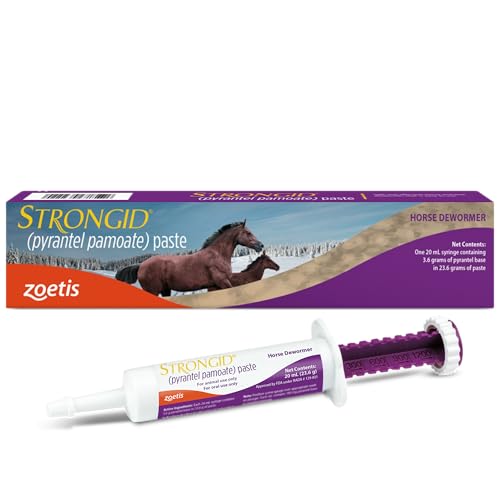
- Pyrantel pamoate
- Paste formulation
- Horse-labeled listing
- Distinct active class
- Specific target coverage
- Professional dosing needed
Strongid Paste is identified as pyrantel pamoate in the listing and is marketed for equine parasite control. The product details name target parasite groups and mention use for different horse categories. That information can help owners discuss the active ingredient with a veterinarian, but the label and clinician determine whether the exact product suits a specific horse. Foals, pregnant or lactating mares, and horses with health conditions need professional direction rather than a general online recommendation. Different products may share an active ingredient while having different label wording and package details. For young or breeding animals, verify every restriction with the veterinarian before purchase.
Before ordering, verify the current package label, intended species, age or condition restrictions, and storage instructions. Do not use it because a prior horse received the same ingredient; parasite pressure and resistance can differ. The AAEP advises strategic control based on fecal egg counts and discourages blind rotation or routine fixed-interval treatment. Strongid may be useful to compare when a veterinarian has identified pyrantel as a suitable option.
The listing’s parasite claims should be checked against the current label, and this roundup intentionally does not supply dose instructions. Its tradeoff is that product choice cannot be made safely from ingredient name alone. If the product label conflicts with online copy, follow the current official label and ask the clinician. If unsure about age or pregnancy cautions, call the veterinarian first.
My Recommendation
Ask about Strongid if pyrantel pamoate is being considered for your horse. The active ingredient distinguishes it from ivermectin-based products. Because age and health factors matter, follow the current label and veterinarian’s instructions closely. Follow the current label for the individual horse.
6. Anthelcide EQ Oxibendazole Paste

- Oxibendazole identified
- Equine paste
- Alternative active ingredient
- Syringe format
- Not interchangeable
- Label coverage is specific
Anthelcide EQ is an oxibendazole paste listed for horses. The product information describes an equine formulation and identifies several parasite targets. That active ingredient gives horse owners another class to discuss when comparing options with a veterinarian. It should not be confused with fenbendazole even though both are benzimidazole-class products; the specific drug, label, parasite target, and resistance pattern remain important. A product’s broad-sounding description does not establish that it is the right treatment for an individual horse. A broad label is not proof that all parasites or life stages are covered in every horse. A different ingredient class may be considered when testing shows reduced effectiveness elsewhere.
Review the current package directions and veterinary advice before purchase, especially when the horse is young, breeding, pregnant, ill, or has had recent deworming. Do not create a rotation plan by alternating product names. The AAEP recommends fecal monitoring and resistance testing, because the effectiveness of a drug can vary. Anthelcide EQ may be a relevant comparison when a clinician wants to consider oxibendazole.
Its limitation is that label coverage is specific and not universal, and the safest selection depends on the horse’s findings rather than convenience or the number of parasites named in a listing. A horse with concerning symptoms needs assessment rather than an assumed parasite diagnosis. Ask the clinic to clarify the label before using the product. Confirm the product’s active ingredient and current package directions directly on the label.
My Recommendation
Anthelcide EQ may be relevant when a clinician wants to consider oxibendazole. It offers a different active ingredient from the more commonly compared pastes. The tradeoff is that it must match the parasite target and the horse’s clinical history. Match the active ingredient to the veterinarian’s plan.
7. Equimax Horse Dewormer Paste

- Ivermectin plus praziquantel
- Paste format
- Tapeworm coverage listed
- Alternative brand option
- Shares actives with another pick
- Vet selection required
Equimax is a paste listing that identifies ivermectin and praziquantel as its combined active ingredients. The product information describes coverage across several internal parasite groups, including tapeworms. This makes it a distinct branded alternative to compare with other combination products, though it shares active ingredients with Zimecterin Gold. A product roundup should not imply that one brand is clinically superior without comparative evidence. Instead, compare the exact label, package size, manufacturer directions, and the advice from your horse’s veterinarian. Confirm that the item is intended for horses and has not expired before relying on it. Keep untreated horses separate from any plan until the clinician approves the approach.
Before purchase, confirm that the listing corresponds to the intended current product and read the package directions. Ask the veterinarian whether the combination fits recent fecal results, the horse’s age, prior treatments, and local parasite concerns. Do not repeat a dose or use a product on a fixed schedule without guidance.
Equimax may suit a plan that specifically calls for ivermectin plus praziquantel; its tradeoff is that it overlaps active ingredients with other products in this guide. The best reason to select it is a clear clinical plan, not a claim that a combination is automatically more complete or appropriate for every horse. Record any adverse reaction and contact the veterinarian before using another product. Store the package securely and follow its care directions.
My Recommendation
Equimax can be discussed when the veterinary plan calls for ivermectin plus praziquantel. It is a branded alternative to another combination in this comparison. Choose between them using the label and clinician’s advice, not an assumed efficacy difference. Do not infer a difference in efficacy from brand alone.
How to Choose a Dewormer for Horses
Begin with a veterinarian, not a product label. A fecal egg count can help identify shedding patterns, but it does not diagnose every parasite-related disease or reveal every life stage. The veterinarian may consider the horse’s age, symptoms, herd management, pasture exposure, recent treatments, and local resistance. Avoid selecting a paste solely because it is labeled “broad spectrum” or because it worked for another horse.
Use testing to guide decisions
The AAEP recommends fecal egg counts to help stratify horses by shedding and fecal egg count reduction tests to check whether a product remains effective in the herd. Guidelines are revised over time; follow the current version and your veterinarian’s interpretation. A fecal test is one piece of the plan, not a stand-alone diagnosis. Testing may be timed around the horse’s circumstances and the veterinarian’s program.
Compare active ingredients and labels
Products in this guide contain fenbendazole, ivermectin, praziquantel, moxidectin, pyrantel pamoate, or oxibendazole. These ingredients are not interchangeable. Read the current label for target species, parasite claims, age restrictions, warnings, storage, and administration directions. Do not rely on old packaging images or marketplace descriptions when wording conflicts. Never guess an amount from a horse’s appearance or use a dose meant for another animal. Ask the veterinarian or pharmacist to clarify any label detail that is unclear.
Avoid automatic rotation and repeat dosing
AAEP guidance advises against routinely deworming every horse at fixed short intervals year-round or blindly rotating drug classes. Overuse can contribute to resistance and may leave a horse exposed to unnecessary medication. Follow a plan that identifies when treatment is justified and how effectiveness will be checked. Keep a record of products, dates, lot information, and test results. Seek veterinary care for weight loss, colic, diarrhea, poor coat, or other concerning signs; do not assume worms are the cause or self-treat before assessment.
Keep the discussion practical: bring recent fecal results, a list of prior products and dates, the horse’s age and health history, and information about other horses sharing pasture. Ask which parasite target is being addressed, whether the product is labeled for the horse, and what monitoring is needed afterward. This avoids choosing by habit or marketing language.
Frequently Asked Questions
How often should horses be dewormed?
There is no universal schedule. Ask a veterinarian to build a plan using fecal testing, age, herd risk, and prior treatment history.
Should I rotate dewormers?
Do not blindly rotate classes. Follow current veterinary guidance and use testing to evaluate effectiveness.
Does a fecal egg count diagnose every parasite?
No. It helps assess egg shedding, but some stages or diseases require other diagnostic methods chosen by a veterinarian.
Can I use the same product for every horse?
Not necessarily. Age, health, pregnancy, parasite exposure, and resistance can change which labeled product is appropriate.
Can I estimate the dose from the horse’s size?
No. Follow the current label and veterinarian’s exact directions. Do not copy dosing from another horse or online advice.
Final Verdict
These products represent different active ingredients and formulations, but this roundup cannot identify the right treatment for an individual horse. Use the current label and a veterinarian’s parasite-control plan, supported by fecal testing and follow-up when advised. Avoid fixed-interval use or blind rotation. A verified product is useful only when it matches the horse, the target parasite, and the clinical plan.
Affiliate disclosure: This article contains Amazon affiliate links. If you purchase through them, PetAdvisorPro may earn a commission. As an Amazon Associate I earn from qualifying purchases.