

The best dog food for a Corgi is a complete and balanced formula that suits its life stage, activity, and individual body condition. Pembroke and Cardigan Welsh Corgis do not need food with a breed name on the label. Maintaining a healthy weight matters, however, because extra pounds can add stress to the body. This roundup compares seven authenticated Amazon listings, including small-bite adult kibble, medium-breed recipes, and a weight-management option. They differ in ingredients, bag sizes, feeding purposes, and kibble textures. Start with the nutritional adequacy statement on the current package, then adjust the feeding amount to your dog’s energy needs. Puppies and dogs with diagnosed medical conditions may require different nutrition. Use feeding charts as starting points, not exact prescriptions, and work with your veterinarian on body condition and portion sizes. The choices below reflect sensible adult-dog comparisons rather than unsupported breed-specific promises. For related guidance, see estimating dog food portions.
Quick Picks
| Product | Best For | Key Advantage | Buy | |
|---|---|---|---|---|
| Hill’s Science Diet Adult Small Bites Chicken | adult Corgis comfortable with small kibble | five-pound chicken-and-barley small-bites adult dry food | View on Amazon | Jump to Review |
| Blue Buffalo Life Protection Chicken Adult | owners comparing chicken-and-grain options | five-pound adult chicken dog food with LifeSource Bits | View on Amazon | Jump to Review |
| Hill’s Science Diet Adult Perfect Weight | adults with veterinary-guided weight goals | twenty-five-pound weight-management chicken-and-rice dog food | View on Amazon | Jump to Review |
| Purina Pro Plan Complete Essentials Chicken | dogs that enjoy mixed kibble texture | thirty-five-pound chicken-and-rice shredded blend | View on Amazon | Jump to Review |
| Eukanuba Adult Medium Breed | adult Corgis comfortable with medium kibble | thirty-five-pound medium-breed adult dry food | View on Amazon | Jump to Review |
| Eukanuba Adult Small Breed | Corgis fitting small-breed feeding guidance | thirty-four-pound small-breed adult kibble | View on Amazon | Jump to Review |
| Purina Pro Plan Small Breed Chicken and Rice | smaller adult Corgis matching the size category | six-pound small-breed chicken-and-rice shredded blend | View on Amazon | Jump to Review |
1. Hill’s Science Diet Adult Small Bites Chicken

What We Like
- Small-bite format
- Chicken-and-barley recipe
- Adult use
- Manageable five-pound bag
What We Don’t Like
- Monitor calorie intake
- Not designed for puppies
Hill’s Science Diet Adult Small Bites Chicken comes in a five-pound chicken-and-barley formula. Its smaller kibble pieces may be convenient for adult Corgis that prefer an easier bite. Corgis do not need a breed-specific label, but the dog’s age, activity, and body condition should guide a feeding choice. Confirm the current nutritional adequacy statement on the exact package, rather than interpreting a marketing claim as proof of suitability. Portion control matters for this breed, and the calorie contribution can differ among formulas.
Notable listed characteristics include small-bite format and chicken-and-barley recipe. You can also compare adult use and manageable five-pound bag against the other foods. These are product-identification details rather than independent proof of superior nutrition. Read the current package to confirm intended life stage, complete nutritional adequacy, feeding instructions, and calorie content. Match the kibble texture and serving size to your dog’s comfort and daily energy needs. We have not personally fed this product to a Corgi or measured health outcomes from using it. Transition gradually if changing diets.
Count the kibble’s calories and remember that an adult formula is not automatically suitable for puppies. Compare cost per day, bag storage, and how easily your household can measure portions. The best kibble is one the dog tolerates and that meets its nutritional needs. Watch stool, appetite, and weight as you change foods, rather than chasing an attractive ingredient story. Avoid feeding a weight-control product solely because Corgis are known for their appetites. An individual body condition assessment is more useful than breed generalizations. Ask your veterinarian about special diets or suspected allergies before making repeated formula changes.
My Recommendation
I would consider Hill’s Science Diet Adult Small Bites Chicken for adult Corgis comfortable with small kibble because the verified listing identifies five-pound chicken-and-barley small-bites adult dry food. The main characteristics to compare are small-bite format and adult use. Measure calorie intake and use an age-appropriate food for puppies. Choose according to your Corgi’s actual life stage, body condition, eating habits, and feeding budget. Another diet might fit better if the dog’s calorie needs or health change. Consult your veterinarian for individualized guidance and monitor weight after switching. This recommendation is not based on personal feeding trials.
2. Blue Buffalo Life Protection Chicken Adult

What We Like
- Chicken ingredient focus
- Adult recipe
- Grain-containing formula
- Five-pound packaging
What We Don’t Like
- Check ingredient tolerance
- Portions affect weight
Blue Buffalo Life Protection Chicken Adult offers a five-pound chicken-and-grain recipe with LifeSource Bits. It is worth comparing when a healthy adult Corgi tolerates those ingredients. Corgis do not need a breed-specific label, but the dog’s age, activity, and body condition should guide a feeding choice. Confirm the current nutritional adequacy statement on the exact package, rather than interpreting a marketing claim as proof of suitability. Portion control matters for this breed, and the calorie contribution can differ among formulas.
Notable listed characteristics include chicken ingredient focus and adult recipe. You can also compare grain-containing formula and five-pound packaging against the other foods. These are product-identification details rather than independent proof of superior nutrition. Read the current package to confirm intended life stage, complete nutritional adequacy, feeding instructions, and calorie content. Match the kibble texture and serving size to your dog’s comfort and daily energy needs. We have not personally fed this product to a Corgi or measured health outcomes from using it. Transition gradually if changing diets.
Review the ingredients for individual tolerance and measure portions to avoid excessive calories. Compare cost per day, bag storage, and how easily your household can measure portions. The best kibble is one the dog tolerates and that meets its nutritional needs. Watch stool, appetite, and weight as you change foods, rather than chasing an attractive ingredient story. Avoid feeding a weight-control product solely because Corgis are known for their appetites. An individual body condition assessment is more useful than breed generalizations. Ask your veterinarian about special diets or suspected allergies before making repeated formula changes.
My Recommendation
I would consider Blue Buffalo Life Protection Chicken Adult for owners comparing chicken-and-grain options because the verified listing identifies five-pound adult chicken dog food with LifeSource Bits. The main characteristics to compare are chicken ingredient focus and grain-containing formula. Check ingredient tolerance and avoid overfeeding. Choose according to your Corgi’s actual life stage, body condition, eating habits, and feeding budget. Another diet might fit better if the dog’s calorie needs or health change. Consult your veterinarian for individualized guidance and monitor weight after switching. This recommendation is not based on personal feeding trials.
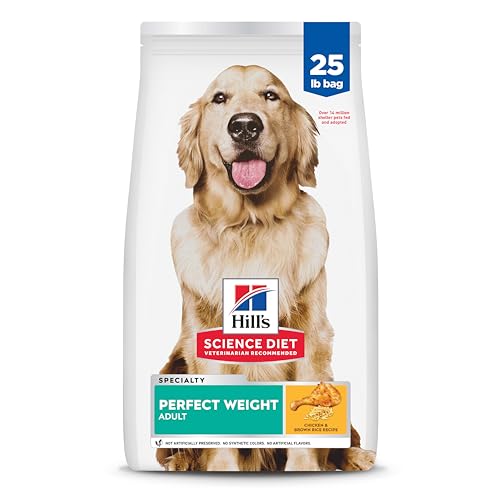
3. Hill’s Science Diet Adult Perfect Weight
What We Like
- Weight-control formulation
- Chicken and rice recipe
- Adult target
- Large bag
What We Don’t Like
- Not needed by all dogs
- Storage space required
Hill’s Science Diet Adult Perfect Weight is a chicken-and-rice formula positioned for weight management. Consider it for a Corgi only when its body condition calls for a veterinarian-guided plan. Corgis do not need a breed-specific label, but the dog’s age, activity, and body condition should guide a feeding choice. Confirm the current nutritional adequacy statement on the exact package, rather than interpreting a marketing claim as proof of suitability. Portion control matters for this breed, and the calorie contribution can differ among formulas.
Notable listed characteristics include weight-control formulation and chicken and rice recipe. You can also compare adult target and large bag against the other foods. These are product-identification details rather than independent proof of superior nutrition. Read the current package to confirm intended life stage, complete nutritional adequacy, feeding instructions, and calorie content. Match the kibble texture and serving size to your dog’s comfort and daily energy needs. We have not personally fed this product to a Corgi or measured health outcomes from using it. Transition gradually if changing diets.
Choose weight-control food only when appropriate; the large bag also needs storage space. Compare cost per day, bag storage, and how easily your household can measure portions. The best kibble is one the dog tolerates and that meets its nutritional needs. Watch stool, appetite, and weight as you change foods, rather than chasing an attractive ingredient story. Avoid feeding a weight-control product solely because Corgis are known for their appetites. An individual body condition assessment is more useful than breed generalizations. Ask your veterinarian about special diets or suspected allergies before making repeated formula changes.
My Recommendation
I would consider Hill’s Science Diet Adult Perfect Weight for adults with veterinary-guided weight goals because the verified listing identifies twenty-five-pound weight-management chicken-and-rice dog food. The main characteristics to compare are weight-control formulation and adult target. Use the weight-focused diet only when justified and store the large bag properly. Choose according to your Corgi’s actual life stage, body condition, eating habits, and feeding budget. Another diet might fit better if the dog’s calorie needs or health change. Consult your veterinarian for individualized guidance and monitor weight after switching. This recommendation is not based on personal feeding trials.
4. Purina Pro Plan Complete Essentials Chicken

What We Like
- Shredded texture
- Chicken and rice
- Adult formula
- Bulk bag
What We Don’t Like
- Large storage requirement
- Mixed texture not universal
Purina Pro Plan Complete Essentials Chicken offers chicken-and-rice shredded-blend adult food. The mixture of kibble textures may suit some Corgis, although the 35-pound bag needs proper storage. Corgis do not need a breed-specific label, but the dog’s age, activity, and body condition should guide a feeding choice. Confirm the current nutritional adequacy statement on the exact package, rather than interpreting a marketing claim as proof of suitability. Portion control matters for this breed, and the calorie contribution can differ among formulas.
Notable listed characteristics include shredded texture and chicken and rice. You can also compare adult formula and bulk bag against the other foods. These are product-identification details rather than independent proof of superior nutrition. Read the current package to confirm intended life stage, complete nutritional adequacy, feeding instructions, and calorie content. Match the kibble texture and serving size to your dog’s comfort and daily energy needs. We have not personally fed this product to a Corgi or measured health outcomes from using it. Transition gradually if changing diets.
The bulk bag demands storage and the mixed texture may not appeal to every dog. Compare cost per day, bag storage, and how easily your household can measure portions. The best kibble is one the dog tolerates and that meets its nutritional needs. Watch stool, appetite, and weight as you change foods, rather than chasing an attractive ingredient story. Avoid feeding a weight-control product solely because Corgis are known for their appetites. An individual body condition assessment is more useful than breed generalizations. Ask your veterinarian about special diets or suspected allergies before making repeated formula changes.
My Recommendation
I would consider Purina Pro Plan Complete Essentials Chicken for dogs that enjoy mixed kibble texture because the verified listing identifies thirty-five-pound chicken-and-rice shredded blend. The main characteristics to compare are shredded texture and adult formula. Assess the shredded texture and bulk-bag practicality. Choose according to your Corgi’s actual life stage, body condition, eating habits, and feeding budget. Another diet might fit better if the dog’s calorie needs or health change. Consult your veterinarian for individualized guidance and monitor weight after switching. This recommendation is not based on personal feeding trials.
5. Eukanuba Adult Medium Breed

What We Like
- Medium-breed positioning
- Adult formulation
- Large bag size
- Crunchy kibble
What We Don’t Like
- Confirm appropriate size
- Measure actual calories
Eukanuba Adult Medium Breed supplies a 35-pound adult maintenance food with medium-breed kibble. Compare the size category with the individual Corgi’s weight and chewing comfort. Corgis do not need a breed-specific label, but the dog’s age, activity, and body condition should guide a feeding choice. Confirm the current nutritional adequacy statement on the exact package, rather than interpreting a marketing claim as proof of suitability. Portion control matters for this breed, and the calorie contribution can differ among formulas.
Notable listed characteristics include medium-breed positioning and adult formulation. You can also compare large bag size and crunchy kibble against the other foods. These are product-identification details rather than independent proof of superior nutrition. Read the current package to confirm intended life stage, complete nutritional adequacy, feeding instructions, and calorie content. Match the kibble texture and serving size to your dog’s comfort and daily energy needs. We have not personally fed this product to a Corgi or measured health outcomes from using it. Transition gradually if changing diets.
Confirm kibble size for the individual dog and measure portions according to calories. Compare cost per day, bag storage, and how easily your household can measure portions. The best kibble is one the dog tolerates and that meets its nutritional needs. Watch stool, appetite, and weight as you change foods, rather than chasing an attractive ingredient story. Avoid feeding a weight-control product solely because Corgis are known for their appetites. An individual body condition assessment is more useful than breed generalizations. Ask your veterinarian about special diets or suspected allergies before making repeated formula changes.
My Recommendation
I would consider Eukanuba Adult Medium Breed for adult Corgis comfortable with medium kibble because the verified listing identifies thirty-five-pound medium-breed adult dry food. The main characteristics to compare are medium-breed positioning and large bag size. Confirm the breed-size category and daily calories. Choose according to your Corgi’s actual life stage, body condition, eating habits, and feeding budget. Another diet might fit better if the dog’s calorie needs or health change. Consult your veterinarian for individualized guidance and monitor weight after switching. This recommendation is not based on personal feeding trials.
6. Eukanuba Adult Small Breed

What We Like
- Small-breed target
- Adult maintenance
- Bulk package
- Dry kibble format
What We Don’t Like
- Check label weight category
- Bulk bag may be excessive
Eukanuba Adult Small Breed comes in a large 34-pound package of small-breed kibble. Confirm that your Corgi falls within the manufacturer’s intended size category before choosing it. Corgis do not need a breed-specific label, but the dog’s age, activity, and body condition should guide a feeding choice. Confirm the current nutritional adequacy statement on the exact package, rather than interpreting a marketing claim as proof of suitability. Portion control matters for this breed, and the calorie contribution can differ among formulas. If your dog has a medical condition or unusual weight changes, get veterinary advice before selecting a new diet.
Notable listed characteristics include small-breed target and adult maintenance. You can also compare bulk package and dry kibble format against the other foods. These are product-identification details rather than independent proof of superior nutrition. Read the current package to confirm intended life stage, complete nutritional adequacy, feeding instructions, and calorie content. Match the kibble texture and serving size to your dog’s comfort and daily energy needs. We have not personally fed this product to a Corgi or measured health outcomes from using it. Transition gradually if changing diets.
Small-breed label ranges may not cover every Corgi; a bulk bag also needs proper storage. Compare cost per day, bag storage, and how easily your household can measure portions. The best kibble is one the dog tolerates and that meets its nutritional needs. Watch stool, appetite, and weight as you change foods, rather than chasing an attractive ingredient story. Avoid feeding a weight-control product solely because Corgis are known for their appetites. An individual body condition assessment is more useful than breed generalizations.
My Recommendation
I would consider Eukanuba Adult Small Breed for Corgis fitting small-breed feeding guidance because the verified listing identifies thirty-four-pound small-breed adult kibble. The main characteristics to compare are small-breed target and bulk package. Check that your Corgi fits the size guidance before buying a large bag. Choose according to your Corgi’s actual life stage, body condition, eating habits, and feeding budget. Another diet might fit better if the dog’s calorie needs or health change. Consult your veterinarian for individualized guidance and monitor weight after switching. This recommendation is not based on personal feeding trials.
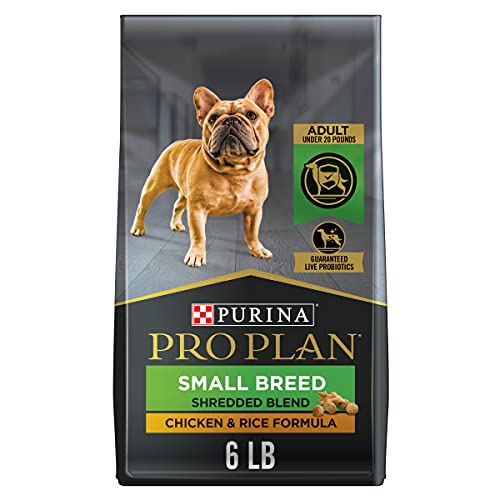
7. Purina Pro Plan Small Breed Chicken and Rice
What We Like
- Smaller-breed format
- Chicken-and-rice recipe
- Probiotics listed
- Six-pound bag
What We Don’t Like
- Check suitability by weight
- Treats affect total calories
Purina Pro Plan Small Breed Chicken and Rice is a six-pound shredded-blend adult formula with listed probiotics. Its small-breed positioning calls for checking the individual dog’s size and nutritional needs. Corgis do not need a breed-specific label, but the dog’s age, activity, and body condition should guide a feeding choice. Confirm the current nutritional adequacy statement on the exact package, rather than interpreting a marketing claim as proof of suitability. Portion control matters for this breed, and the calorie contribution can differ among formulas.
Notable listed characteristics include smaller-breed format and chicken-and-rice recipe. You can also compare probiotics listed and six-pound bag against the other foods. These are product-identification details rather than independent proof of superior nutrition. Read the current package to confirm intended life stage, complete nutritional adequacy, feeding instructions, and calorie content. Match the kibble texture and serving size to your dog’s comfort and daily energy needs. We have not personally fed this product to a Corgi or measured health outcomes from using it. Transition gradually if changing diets.
Verify the formula’s size range and account for treats within daily calories. Compare cost per day, bag storage, and how easily your household can measure portions. The best kibble is one the dog tolerates and that meets its nutritional needs. Watch stool, appetite, and weight as you change foods, rather than chasing an attractive ingredient story. Avoid feeding a weight-control product solely because Corgis are known for their appetites. An individual body condition assessment is more useful than breed generalizations. Ask your veterinarian about special diets or suspected allergies before making repeated formula changes.
My Recommendation
I would consider Purina Pro Plan Small Breed Chicken and Rice for smaller adult Corgis matching the size category because the verified listing identifies six-pound small-breed chicken-and-rice shredded blend. The main characteristics to compare are smaller-breed format and probiotics listed. Match the dog’s actual weight and count training treats. Choose according to your Corgi’s actual life stage, body condition, eating habits, and feeding budget. Another diet might fit better if the dog’s calorie needs or health change. Consult your veterinarian for individualized guidance and monitor weight after switching. This recommendation is not based on personal feeding trials.
How to Choose the Best Dog Food for a Corgi
Prioritize complete adult nutrition
Read the package’s nutritional adequacy statement before comparing ingredient marketing. An adult Corgi generally needs a complete, balanced maintenance diet, while a puppy has different nutritional demands. Do not choose food solely because a brand advertises small-breed kibble. Corgis vary in size and chewing comfort, and the formula’s intended life stage matters more than a breed name. Ask a veterinarian about specialized diets for health conditions, intolerances, or unusual weight changes. A feeding chart is only an estimate and should be adjusted to the actual dog’s condition and activity level. Consistent access to fresh water and measured meals support a practical routine. Individual feeding needs must guide the decision rather than a breed label alone. Individual feeding needs must guide the decision rather than a breed label alone. Related guidance: veterinary monitoring of diet changes.
Track weight and daily calories
Corgis may be enthusiastic eaters, so measuring portions is useful. Count training rewards, dental chews, and occasional treats along with regular meals. Discuss the desired body-condition score and a suitable weight target with your veterinarian. A reduced-calorie formula may be appropriate for some adults but is not an automatic choice for every Corgi. Avoid aggressive self-directed weight reduction, especially with puppies or medically complex pets. Recheck body weight and waistline over time, then adjust portions with professional help. The correct feeding amount depends on metabolism, age, neuter status, activity, and calorie content, not only the number of cups shown on a package. Individual feeding needs must guide the decision rather than a breed label alone. Related guidance: making dog mealtimes easier.
Compare recipes, bite size, and tolerance
Small-bite kibble can be convenient for some Corgis, while others chew regular medium-breed pieces comfortably. Compare food formulations, current nutrient labels, bag size, and realistic cost per day. Transition to a new food gradually unless your veterinarian directs otherwise. Monitor appetite, stool, skin, and body condition rather than chasing every new ingredient claim. A suspected allergy merits a structured evaluation with a veterinarian, not an endless rotation of foods. Check the expiration date and storage guidance, especially for very large bags. The best adult diet is one that the dog tolerates, that meets its needs, and that the household can feed consistently. Individual feeding needs must guide the decision rather than a breed label alone. Related guidance: veterinary food-allergy questions.
Frequently Asked Questions
Does a Corgi need breed-specific food?
No. Choose complete, balanced food appropriate for life stage and individual health.
Should all Corgis eat weight-control food?
No. It depends on actual body condition and veterinary guidance.
Can a Corgi eat medium-breed kibble?
Often, if it is suitable nutritionally and the dog chews comfortably.
How much should I feed an adult Corgi?
Use body condition, calories, age, activity, and veterinarian guidance; package charts are a starting point.
How do I transition dog foods?
Change gradually with veterinary advice and monitor stool and appetite.
Final Verdict
Choose a complete adult formula that matches your Corgi’s age, energy needs, and weight goals rather than chasing a breed label. Hill’s, Eukanuba, Purina Pro Plan, and Blue Buffalo provide different kibble and recipe options. If weight is a concern, work with your veterinarian on measured calories and monitoring. See also gradually switching dogs to new food.
As an Amazon Associate, PetAdvisorPro earns from qualifying purchases. If you buy through eligible Amazon links in this article, we may earn a commission at no additional cost to you. These are editorial comparisons using available product information, not claims of personal product testing or substitutes for veterinary advice.









