

Miniature Dachshunds have small mouths, energetic personalities, and long backs that make sensible weight management especially important. The best dog food for miniature dachshunds should be appropriate for the dog’s life stage, easy to portion, and nutritionally complete without pushing unnecessary weight gain. We compared seven Amazon-verified adult dog food options, including a breed-specific kibble, a breed-specific wet food, and several small-breed dry recipes. They differ in size of kibble, protein source, feeding format, and calorie density. A breed-specific label can be useful, but it does not guarantee better health for every dog. Choose a growth food for a puppy and discuss senior or therapeutic needs with a veterinarian rather than assuming these adult picks apply to all ages. Maintaining suitable body condition matters, although food alone cannot prevent inherited spinal problems. Use measured portions, track treats, and consult your veterinarian if your Dachshund is gaining or losing weight.
Quick Picks
| Product | Best For | Key Advantage | Buy | |
|---|---|---|---|---|
| Royal Canin Dachshund Adult Dry | Breed-specific adult kibble | a specialized Dachshund adult kibble with a targeted shape and weight-maintenance positioning | View on Amazon | Jump to Review |
| Royal Canin Dachshund Adult Wet | Breed-specific wet meals | an adult Dachshund wet formula in small cans | View on Amazon | Jump to Review |
| Hill’s Science Diet Small & Mini Lamb | Small adult dogs preferring lamb | lamb meal and brown rice in a small-dog adult formula | View on Amazon | Jump to Review |
| Blue Buffalo Life Protection Small Breed | Chicken-based small-breed feeding | chicken small-breed dry food with nutrient-rich bits | View on Amazon | Jump to Review |
| IAMS Proactive Health Small Breed | Small-mouth kibble and digestion | a chicken-and-grain small-dog recipe with fiber and prebiotics | View on Amazon | Jump to Review |
| Purina Pro Plan Small Breed Chicken | Active small-breed adults | a chicken-and-rice small-breed dry formula with probiotics | View on Amazon | Jump to Review |
| Wellness Complete Health Small Breed | Turkey and oatmeal adult recipe | a wholesome-grain small-breed turkey and oatmeal formula | View on Amazon | Jump to Review |
1. Royal Canin Dachshund Adult Dry

- Dachshund breed focus
- Small adapted kibble
- Adult weight focus
- Digestible protein approach
- A breed-specific formula may cost more without fitting every dog
Royal Canin Dachshund Adult Dry is the most breed-specific kibble in this comparison. Its verified listing describes an adult formula with a shape adapted for Dachshunds and a focus on maintaining a healthy body condition. That may be useful for a miniature Dachshund with a narrow muzzle or particular kibble preferences. The breed label, however, does not override the dog’s size, appetite, dental health, and calorie needs. A nutritionally complete adult diet from another line can also be suitable for many healthy Dachshunds.
The adapted kibble shape is a real point of comparison, but it should not be promoted as preventing intervertebral disc disease. Dachshunds can have inherited spinal problems, and avoiding unnecessary weight is a practical goal rather than a cure. Compare this recipe’s calories per cup and feeding chart with ordinary small-breed foods before accepting a higher cost for a breed designation. If the dog struggles to chew, have the mouth examined; a specialized shape may not solve painful teeth or gum disease.
I would shortlist Royal Canin Dachshund Adult Dry for an adult dog that accepts its kibble and whose owner wants a breed-targeted format. Measure servings carefully because even small extra amounts can represent a large fraction of a miniature dog’s energy needs. Observe body condition, waist, and changes in weight instead of following the feeding chart mechanically. Keep treats within the daily plan. If the dog suddenly resists movement or shows back pain, seek veterinary care immediately rather than making food changes.
My Recommendation
Royal Canin Dachshund Adult Dry is the breed-targeted kibble I would compare first for a healthy adult miniature Dachshund that maintains a good weight on a measured portion. Its breed-specific positioning and kibble shape may appeal to owners who want a focused formula, but the label is not proof that it prevents spinal problems. I would watch body condition carefully because excess weight adds avoidable strain to a long-backed dog. If dry kibble is difficult to chew or your dog prefers moisture, compare the corresponding wet formula instead. Keep treats within the daily calorie plan.
2. Royal Canin Dachshund Adult Wet

- Dachshund adult designation
- Wet canned texture
- Small can serving
- Breed-specific meal format
- Wet portions can have different calorie density from dry food
Royal Canin Dachshund Adult Wet provides a different feeding texture within the same breed-specific concept. Its verified listing describes canned adult Dachshund food in small portions, which may suit a dog that prefers moist meals or needs a softer consistency. Wet food can change how a serving looks in the bowl because it contains more water than dry kibble. A small can should not be assumed to contain the same calories as a similarly sized dry portion. Confirm the exact energy statement before planning daily meals.
The choice between Royal Canin’s wet and dry versions should reflect chewing comfort, measured calories, and whether the dog eats consistently. Some owners mix both formats, but the amounts need to be recalculated rather than feeding a full ration of each. A wet texture does not automatically improve dental health, and persistent trouble chewing deserves examination. Compare cost per day and storage needs: opened cans require suitable refrigeration, while dry kibble needs a secure, cool, dry storage area. Either format can be overfed.
I would consider the wet option when a miniature Dachshund accepts it well and the veterinarian sees no reason for a different therapeutic diet. Start with accurate portions and monitor stool consistency during a gradual transition. A food that looks like a small amount can still contribute substantial daily calories once treats are included. Maintain a healthy weight to avoid placing unnecessary load on the dog’s body. If an older dog loses weight unexpectedly or seems uncomfortable eating, find the medical cause before simply changing textures.
My Recommendation
Royal Canin Dachshund Adult Wet offers an alternative for an adult miniature Dachshund that prefers soft food or benefits from wet portions as part of a measured diet. I would check the calories per serving and complete-feeding directions, particularly if you combine it with dry kibble. Small cans can make feeding convenient, but they can also tempt owners to estimate portions instead of calculating daily intake. Compare the breed-specific dry version when chewing comfort is not an issue and convenience favors kibble. Food cannot prevent IVDD, so discuss mobility and weight separately with your veterinarian.
3. Hill’s Science Diet Small & Mini Lamb

- Small-and-mini adult formula
- Lamb meal recipe
- Brown rice inclusion
- Small kibble format
- Lamb may not be suitable for every food sensitivity
Hill’s Science Diet Small & Mini Lamb provides a lamb-meal-and-brown-rice alternative to chicken-heavy small-dog formulas. The verified listing identifies it for adult small and miniature dogs, with a kibble format aimed at their feeding needs. That can suit a miniature Dachshund owner who wants a conventional grain-inclusive recipe without paying specifically for a Dachshund-branded product. The relevant comparison is complete adult nutrition and measured calories, not an assumption that lamb is inherently gentler or more nutritious than chicken.
A smaller kibble may be convenient for a dog with a small mouth, but individual chewing ability and dental health still matter. Review the current calories per cup and ingredients against the dog’s diet history, particularly if there are concerns about food reactions. Lamb can be an allergen for an individual dog just as other animal proteins can. The presence of brown rice may be entirely appropriate for a healthy dog; grains do not need to be excluded without a specific reason. Keep serving size tied to body condition.
I would shortlist Hill’s Lamb for an adult miniature Dachshund that tolerates lamb and needs an ordinary maintenance diet. Compare bag size with how quickly the household uses kibble so the supply remains fresh. A predictable feeding schedule makes it easier to notice appetite changes and to count training rewards. Recheck the dog’s waist and rib coverage regularly, especially after activity decreases. The recipe offers a distinct protein choice, but no everyday food can guarantee protection against inherited back problems or replace veterinary care for pain.
My Recommendation
Hill’s Science Diet Small & Mini Lamb is a useful comparison for miniature Dachshunds whose owners prefer a small-dog dry formula with lamb and brown rice. I would check whether the exact recipe suits your dog’s age and tolerance, then evaluate stool quality and stable weight over time. The smaller kibble may be convenient, but it does not automatically make the food more nutritious than other complete small-breed diets. If a dog has a confirmed food allergy, seek veterinary guidance rather than assuming lamb is hypoallergenic. Compare chicken-based options when there is no reason to avoid chicken.
4. Blue Buffalo Life Protection Small Breed

- Chicken-first positioning
- Small-breed kibble
- LifeSource Bits
- Adult nutrient mix
- Energy needs still require careful portion measuring
Blue Buffalo Life Protection Small Breed is a chicken-oriented dry adult food with small-breed kibble and the brand’s LifeSource Bits described in its verified listing. This positions it as a conventional maintenance choice for a miniature Dachshund rather than a therapeutic or breed-specific diet. The smaller pieces may be convenient when a dog prefers a compact crunch. However, nutritional adequacy, calorie density, and portion control matter much more than the presence of a named added-nutrient component. A premium-sounding formulation should be evaluated as a whole.
Chicken-first positioning can help owners who want that protein profile, but it is not an automatic advantage over lamb or turkey formulas. Check the full list if your dog has a veterinary-diagnosed food reaction. Compare the serving chart with the dog’s actual body condition instead of simply using a weight range printed on the bag. A miniature Dachshund that receives frequent snacks can gain weight despite modest meals. The small-breed designation does not mean the kibble can be freely offered, and different formulas may provide different calories per cup.
I would consider Blue Buffalo Life Protection for a healthy adult Dachshund that readily eats chicken kibble and has no special dietary restriction. Measure meals in consistent units, keep treats visible in the food budget, and adjust when exercise or household routine changes. Check the actual product variation before purchasing because recipe names and packaging sizes can look similar online. If the dog has loose stools, itchy skin, or reluctance to chew, investigate the cause rather than assuming an advertised ingredient blend addresses the problem.
My Recommendation
Blue Buffalo Life Protection Small Breed may suit a miniature Dachshund owner looking for chicken-based adult kibble with the brand’s familiar LifeSource Bits. I would focus more on feeding adequacy, calories, and whether the dog eats the pieces consistently than on a proprietary ingredient name. The added bits can be left in the bowl by picky dogs, which is worth watching during a transition. Compare IAMS or Purina’s small-breed foods if you want a different kibble texture or price profile. Keep the dog lean and use a kitchen scale for precise portions when needed.
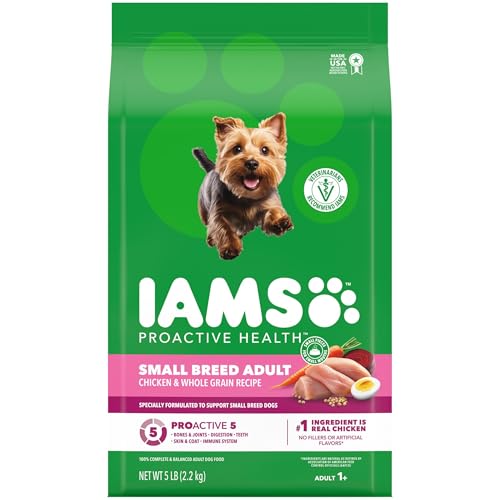
5. IAMS Proactive Health Small Breed
- Small kibble
- Chicken-based recipe
- Fiber in formula
- Prebiotics listed
- The exact kibble and feeding amounts must suit the dog
IAMS Proactive Health Small Breed is described in the verified listing as a chicken-and-grain formula with fiber and prebiotic ingredients. That combination offers an everyday adult option for a small dog without relying on a Dachshund-specific claim. Kibble size can be a practical advantage for a miniature muzzle, while fiber-related formulation details may matter to owners comparing digestive tolerance. Neither point establishes that this food is medically superior to all alternatives. A dog’s stool pattern and overall condition remain the most useful observations.
Compare the actual IAMS calorie statement and serving amounts with the dog’s activity rather than assuming a small-breed recipe must be low in calories. Some miniature Dachshunds are surprisingly active, while others have limited movement because of age or health conditions. An owner should not use a food change to compensate for undiagnosed digestive symptoms. Fiber and prebiotics can contribute to the formula, but persistent diarrhea, vomiting, or abdominal discomfort needs assessment. Check the ingredient list if food sensitivities have already been documented by a veterinarian.
I would shortlist IAMS for a dog that prefers dry chicken kibble and whose owner wants a practical mainstream small-breed comparison. Keep food in its original bag within a sealed container and measure the same amount consistently, then revise portions when weight trends change. Treats for training can easily push a small dog above its daily energy target. Dental health and back comfort should be assessed separately from food choice. The key benefit here is manageable adult feeding, not a claim that prebiotics can prevent spinal disease.
My Recommendation
IAMS Proactive Health Small Breed is the everyday chicken-based choice I would examine for an adult miniature Dachshund that does well with standard grain-inclusive kibble. Its small-dog format and listed digestive ingredients may fit a simple household feeding routine. I would still check the food’s energy density, since a few extra tablespoons can be significant for a small dog. If the dog becomes itchy or repeatedly has loose stools, investigate with a veterinarian rather than switching protein sources at random. Compare Royal Canin’s breed-specific dry option when kibble design is a priority.
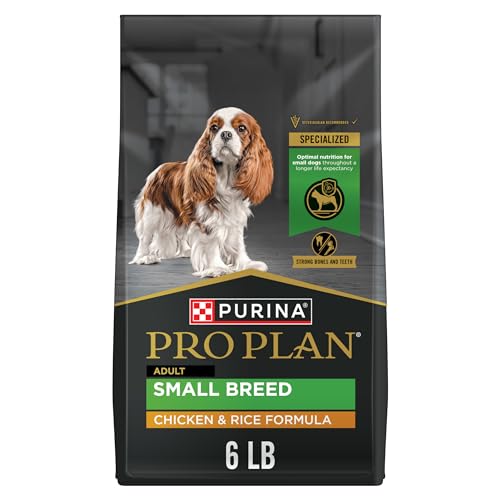
6. Purina Pro Plan Small Breed Chicken
- Small-breed formula
- Chicken and rice
- Live probiotics
- High-protein positioning
- High-energy marketing may not match a sedentary dog
Purina Pro Plan Small Breed Chicken is a chicken-and-rice dry adult option whose verified listing describes live probiotics and a high-protein positioning. It may be attractive for a miniature Dachshund with an active routine, provided the dog’s actual calorie needs match the feeding plan. A high protein percentage is not a reason to offer more food, and a dog with lower activity can still do well on an appropriate complete adult diet. The primary difference from the other choices is the specific recipe and added probiotic positioning.
Read the calories per cup and nutritional adequacy statement before comparing feeding amounts with IAMS or Blue Buffalo. Smaller kibble can make eating convenient, but texture does not address tooth pain or periodontal disease. The product’s probiotic claim is a formulation detail; it does not guarantee that every dog will have firmer stool or that digestive illness is harmless. If the dog has an existing medical condition, ask whether the protein and energy profile is suitable rather than interpreting marketing terms such as active as medical advice.
I would consider Purina Pro Plan for a healthy, energetic adult miniature Dachshund when chicken-and-rice fits its feeding history. Begin with measured portions and check body condition after the dog settles into a consistent routine. A very small dog can gain noticeable weight from a handful of extra training treats each day. Compare the actual daily feeding cost and package size with other small-breed formulas. The best choice is the one the individual dog tolerates while maintaining a healthy weight, not the most assertively marketed protein level.
My Recommendation
Purina Pro Plan Small Breed Chicken belongs on my shortlist for an active adult miniature Dachshund whose owner wants chicken-and-rice kibble with the formula’s listed probiotics. I would choose it based on complete nutrition, acceptable digestion, and a portion that keeps the dog’s waist visible, not because a protein claim suggests extra muscle is necessary. More vigorous dogs may need different calorie quantities from less active companions even when they eat the same food. For a dog that prefers wet meals, consider a suitable complete wet alternative rather than simply increasing the dry serving.
7. Wellness Complete Health Small Breed

- Turkey recipe
- Oatmeal ingredient
- Small-breed adult category
- Wholesome-grain kibble
- Check portions and protein tolerance for the individual dog
Wellness Complete Health Small Breed introduces a turkey-and-oatmeal option for adult miniature Dachshunds. The verified listing identifies a grain-inclusive small-breed dry formula, which distinguishes it from the more common chicken-centered alternatives. Turkey provides a different named animal protein, but that alone does not make the food hypoallergenic or preferable for every dog. The presence of oatmeal also should not be viewed as a defect when the dog tolerates grains. Its main relevance is offering another complete maintenance profile to compare for feeding convenience.
If your miniature Dachshund has a diagnosed food sensitivity, ask the veterinarian to review the full formula rather than relying on the word turkey. All ingredient sources and possible exposure history can matter. For a healthy dog, compare the feeding chart, kibble size, and calories per cup with the other options. A smaller bag may maintain freshness in a one-dog home, while a larger package can lower cost if it is consumed promptly. Monitor any changes in stool, appetite, and coat without treating them as proof of a food allergy.
I would place Wellness on a shortlist for owners who prefer a turkey-and-oatmeal adult recipe and whose dogs maintain a good body condition with it. Keep a consistent meal schedule, track treat calories, and reassess after changes in age or exercise. An adult miniature Dachshund may need a surprisingly modest ration even while acting hungry at mealtime. Food selection supports healthy weight management, but it cannot prevent every back problem or remedy pain. Seek veterinary care if the dog develops weakness, reluctance to jump, or sudden discomfort.
My Recommendation
Wellness Complete Health Small Breed is worth comparing if you prefer a turkey-and-oatmeal recipe for routine adult miniature Dachshund meals. Its grain-inclusive formulation gives you a different protein and carbohydrate profile from chicken-focused products, but the food still needs to match the dog’s age and calorie needs. I would change gradually and monitor whether the small pieces are easy to chew and consistently eaten. Choose another complete small-breed recipe if this ingredient combination is poorly tolerated or not appealing. Regardless of brand, a lean body condition matters more for a Dachshund’s mobility than premium packaging.
How to choose best dog food for miniature dachshunds
Miniature Dachshunds benefit from careful energy control, but their ideal diet still depends on life stage, activity, and individual tolerance. Compare complete adult nutrition, kibble or wet-food practicality, and realistic portions instead of relying on breed-specific labels or promises of spinal protection.
Match food to life stage and body condition
The products in this comparison are aimed at adult feeding, not puppy growth or a prescribed clinical diet. Puppies, pregnant dogs, and seniors may need different nutritional approaches. Ask the veterinarian to assess ideal body condition, especially if weight has been creeping up. A miniature Dachshund does not require the same portion as every other small dog of a similar height. Use the actual calories per cup, can, or serving and include snacks in the daily total. A food advertised as high-energy may suit one active animal but not a dog that spends much of the day resting.
Choose suitable kibble or wet texture
Small mouths and individual chewing habits can make smaller kibble or soft food more comfortable. A breed-specific formula may offer a tailored nugget shape, but a good complete small-breed diet can also be appropriate. Check the AAFCO nutritional adequacy information, protein sources, and actual feeding directions. Wet food and dry food can have very different calories per volume. If your dog has dental pain or trouble chewing, seek veterinary assessment rather than simply switching textures. Avoid giving a food an automatic higher rank because of an appealing ingredient list.
Measure intake and protect a healthy weight
Extra body weight can place unnecessary strain on joints and make movement more difficult. Weigh portions and monitor the dog’s body condition rather than counting only scoops or handfuls. Treats, dental chews, and table scraps all contribute calories. Regular activity is valuable when appropriate for the dog’s health, but an exercise plan should also consider any back problems or pain. Diet cannot prevent all spinal disease, particularly in a breed with inherited risk. Speak with a veterinarian about persistent changes in gait, reluctance to move, or signs of discomfort.
Introduce a new complete diet gradually when medically appropriate and monitor appetite and stool changes. A feeding chart offers an initial range, not a final dose for every dog. Recheck the plan when activity, age, or body condition changes. If a miniature Dachshund develops sudden pain or weakness, treat it as a medical concern rather than assuming that weight management or a different kibble will solve it. The safest purchase is one that fits an ongoing routine.
Related PetAdvisorPro Guides
See also estimating daily food portions; and safe ramps for small Dachshunds; and ramp versus step considerations; and training small dogs to use ramps for feeding and mobility guidance.
Frequently Asked Questions
Does a miniature Dachshund need breed-specific food?
Not necessarily. A complete small-breed adult diet can be suitable if it meets the individual dog’s needs.
Can food prevent IVDD in Dachshunds?
No. Maintaining healthy weight may support mobility, but food cannot guarantee prevention of inherited disc disease.
Is small kibble always better?
It can be easier for some small dogs to handle, but texture preferences and dental health vary.
Can puppies eat the adult foods listed here?
These options focus on adults. Puppies need a diet that is complete and balanced for growth.
How should I decide portions?
Use calorie information and body condition, then adjust with your veterinarian; treats count toward the total.
Final Verdict
Royal Canin Dachshund Adult offers a breed-specific dry-food format, while its companion wet recipe provides an alternative texture. Purina Pro Plan Small Breed, Hill’s Small & Mini, and Wellness Complete Health deserve comparison for everyday adult feeding. The best choice will be nutritionally complete, easy to measure, and suitable for your dog’s body condition. Preventing excessive weight gain matters; a breed label alone is not enough.
Affiliate disclosure: This article contains Amazon affiliate links. If you purchase through them, PetAdvisorPro may earn a commission. As an Amazon Associate I earn from qualifying purchases.









