
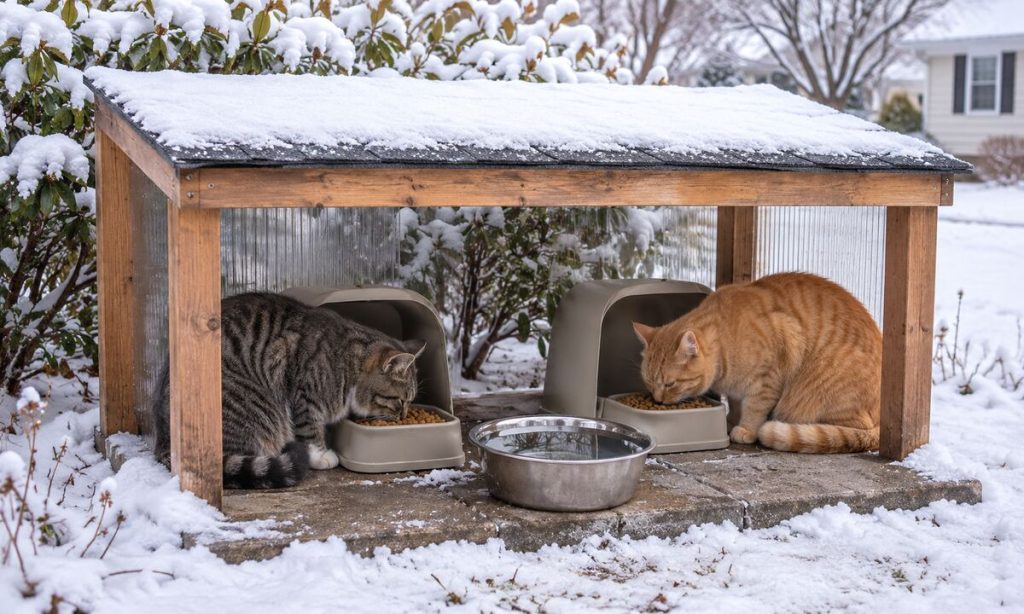
Feeding community cats during winter requires reliable meals, unfrozen water, and a sheltered location. Cold weather can increase energy needs, particularly for cats spending long periods outside, but each cat’s condition and activity level differ. The best food for feral cats in winter should be nutritionally complete, suited to the cat’s life stage, and practical to serve consistently during freezing temperatures.
We compared seven commercial dry cat foods, from outdoor-oriented formulas to high-protein adult diets and larger bags for established colonies. Dry food is convenient because it does not freeze as quickly as wet meals, but it is no replacement for access to clean liquid water. Arrange feeding and trapping-neutering-return support with local caregivers or rescue groups whenever possible.
Quick Picks
The comparison focuses on practical colony-feeding needs: complete nutrition, bag size, storage, feeding routines, and suitability for active outdoor cats.
| Product | Best For | Key Advantage | Buy | |
|---|---|---|---|---|
| Barn Cat-Outdoor Cat Food for All Life Stages | Regular multi-cat colonies | Large 32-pound bag | View on Amazon | Jump to Review |
| Royal Canin Fit & Active Adult Dry Cat Food | Active outdoor adult cats | Outdoor-oriented adult formula | View on Amazon | Jump to Review |
| Purina ONE Plus High Protein Dry Cat Food | Protein-focused adult feeding | Salmon and ocean whitefish recipe | View on Amazon | Jump to Review |
| Purina Pro Plan High Protein Chicken & Rice | Mainstream adult diet | Chicken recipe with probiotics | View on Amazon | Jump to Review |
| Blue Buffalo Wilderness Chicken Adult Dry Food | Chicken-forward adult food | High-protein grain-free formula | View on Amazon | Jump to Review |
| Tiki Cat Born Carnivore Chicken, Herring & Salmon | Small-colony flavor variety | Mixed poultry-and-fish recipe | View on Amazon | Jump to Review |
| IAMS Proactive Health Healthy Adult Chicken | Large-bag adult colony feeding | 22-pound bag of adult food | View on Amazon | Jump to Review |
Barn Cat-Outdoor Cat Food for All Life Stages

- Outdoor-cat positioning
- Large colony-size bag
- All-life-stages formula
- Three-flavor blend
- Bulk feeding convenience
- Heavy bag to store
- Less convenient for tiny colonies
Barn Cat-Outdoor Cat Food is marketed for outdoor and barn cats, making it an obvious product to evaluate for a managed community-cat feeding station. The 32-pound bag targets caregivers serving multiple regular visitors rather than a single porch cat. Its all-life-stages positioning may simplify shopping where adults and younger cats appear, although individual nutritional needs still require attention. The three-flavor blend can be convenient when a colony includes cats with different preferences, but food acceptance varies across animals.
A large bag reduces the number of trips needed to restock during snow and icy roads. That practical advantage matters only if you have a secure, dry storage container and can use the product while it remains fresh. Divide kibble into measured daily portions instead of bringing the whole sack outside. Make sure each feeding location has sufficient space, and remove leftovers after the cats finish. A large bag is poor value if the contents become damp, attract rodents, or expire before use.
Assess the actual nutritional adequacy statement on the package and confirm the formula matches the animals you feed. Where you can, track a colony’s body condition over time rather than assuming a product branded for barn cats meets every winter requirement automatically. The large quantity is the distinguishing reason to consider this option. Combine it with a dependable water plan and a sheltered, regularly cleaned feeding setup. High-quality care requires more than choosing a particular kibble bag.
My Recommendation
I recommend Barn Cat-Outdoor Cat Food primarily for an established colony with predictable daily attendance and protected storage. The large bag may improve logistics, but only when food is used before it loses freshness. Verify its life-stage statement and keep feeding bowls clean. For one or two cats, smaller bags are easier to manage.
Royal Canin Fit & Active Adult Dry Cat Food

- Designed for active adults
- Small trial-size bag
- Clear adult life stage
- Convenient dry format
- Manageable storage volume
- Small bag for large colonies
- Not intended as kitten diet
Royal Canin Fit & Active is presented as an adult dry food for cats with outdoor access and active lifestyles. That positioning may appeal to a caregiver feeding a small number of established adults who roam or spend much of their day outdoors. The product is not a winter treatment or a substitute for shelter; its role is to supply regular nutrition in a format that fits routine feeding. The three-pound bag also makes it possible to test acceptance without committing to a substantial bulk purchase.
A smaller bag can be an advantage when weather makes storage difficult or when only two familiar cats visit the station. Transfer each day’s measured ration into a sealed container and keep the original package information available. Observe body condition and how much food remains after each feeding. For colonies that include kittens or nursing mothers, check suitability carefully rather than assuming one adult formula meets everyone’s requirements. Maintaining separate dishes also helps prevent more assertive animals from monopolizing meals.
Royal Canin’s outdoor-focused label should not distract from the fundamentals of cold-weather care. Provide clean liquid water, refill it as often as necessary, and protect the feeding area from snow and wind. A cat that looks thin, weak, or unusually inactive needs welfare assessment and potentially veterinary attention, not simply a larger scoop of dry food. This product is most relevant when the group consists largely of active adults and you value a manageable package size.
My Recommendation
Choose Fit & Active for a small group of active adult outdoor cats when you prefer an outdoor-positioned formula in a modest bag. Check the precise label against their ages and health needs. I would not buy a three-pound bag for a large colony unless it is a trial before selecting a regular supply.
Purina ONE Plus High Protein Dry Cat Food

- Fish-forward flavor profile
- Complete dry food option
- Small manageable bag
- High-protein positioning
- Easy measured portions
- Fish flavor not universal
- Small pack for many cats
Purina ONE Plus High Protein uses a salmon and ocean whitefish formula that can offer a distinct flavor compared with the chicken-based options in this guide. For a familiar porch visitor or a small community-cat group, flavor variety can matter when an otherwise healthy cat turns away from food. The dry format travels easily to an outdoor feeding shelter and is straightforward to measure. However, high protein on the label is not the same as a documented need for a higher-calorie winter feeding plan.
Consider the 3.5-pound bag when you want to try acceptance before buying a larger supply. Keep the package sealed in a dry, pest-resistant location, then carry only the portion you expect the cats to finish. Transition slowly if you control their regular feeding and can do so without disrupting access. Cats with food sensitivities or medical needs may require veterinary-directed diets; a fish-based product is not inherently superior for those animals. Look at the full nutrition panel and feeding guide.
Consistent feeding timing often matters more than changing protein sources every few days. If multiple cats attend, offer separate bowls and watch whether shy individuals actually get a share. Remove damp or uneaten kibble and wash dishes regularly. In freezing weather, keep drinking water liquid through safe heated equipment or frequent replacement. This food is one sensible candidate for adult cats when its formulation suits them, but it does not solve dehydration or inadequate shelter on its own.
My Recommendation
I would consider Purina ONE Plus High Protein when your regular adult community cats accept fish-flavored kibble and you want a smaller bag for controlled portions. Review its adequacy statement and calorie information. For substantial colonies, a larger package of an equally suitable complete diet may make feeding more practical.
Purina Pro Plan High Protein Chicken & Rice
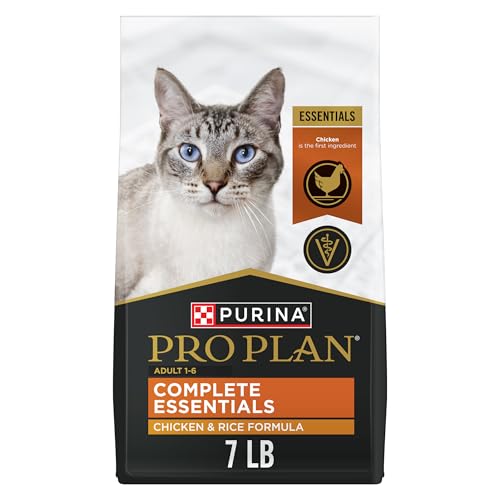
- Chicken-and-rice formula
- Added probiotic positioning
- Seven-pound bag
- Adult feeding option
- Clear serving guidance
- Not a colony-specific product
- Changeover requires care
Purina Pro Plan High Protein Chicken & Rice is a mainstream dry adult cat food that provides an alternative to products marketed specifically for outdoor use. The selected listing emphasizes chicken, rice, and probiotics, which may interest caregivers looking for a familiar everyday food rather than a specialized seasonal claim. For winter feeding, the important question remains whether its nutrition, caloric content, and feeding instructions suit the cats you support. Probiotics should not be treated as a remedy for illness or digestive problems in a free-roaming colony.
The seven-pound bag strikes a middle ground between tiny trial packs and very large colony sacks. It can suit a regular feeder serving a few adults, provided the food is kept sealed and dry. Feed consistent measured amounts at predictable times, observing whether portions are sufficient and which cats appear underfed. If changing from an existing food, transition gradually where possible; sudden diet changes can upset some cats. Do not leave food sitting in open snow or expose the bag to freezing moisture.
Because cats at the same station may have different ages and health needs, do not let one product’s adult label become a blanket recommendation. Kittens and pregnant or nursing cats may need a different nutritional profile. A humane winter plan also includes shelter, accessible unfrozen water, and help from an experienced community-cat group for trapping and medical concerns. Pro Plan’s practical appeal here is a widely recognizable complete-diet choice with a mid-size bag, not a promise of special protection from cold.
My Recommendation
Pro Plan Chicken & Rice is a reasonable candidate for caregivers feeding a few healthy adult cats on a dependable schedule. I like the middle-sized bag and ordinary maintenance-diet approach. Check each animal’s life stage and condition, and put water access and shelter ahead of any claim that a particular formula is winter-proof.
Blue Buffalo Wilderness Chicken Adult Dry Food

- Chicken first ingredient
- Six-pound package
- High-protein positioning
- Dry outdoor serving
- Distinct recipe choice
- Grain-free not essential
- Adult-only life stage
Blue Buffalo Wilderness Chicken is an adult dry cat food positioned around a protein-rich chicken recipe and a grain-free ingredient profile. For outdoor adult cats that already eat it successfully, this can serve as a regular meal during the colder months. It is important not to assume that grain-free food has a unique winter benefit; the overall nutritional adequacy and calories consumed matter more. The six-pound bag provides a manageable supply for a few regular visitors without taking up the space of a large colony sack.
Check the nutrition statement and portion guidance before deciding how much to offer. A cat’s appetite may increase as temperatures fall, but needs also vary with body condition, activity, and whether the animal has access to other feeding sites. Schedule feeding times, provide separate bowls to reduce competition, and remove leftovers to discourage wildlife. Store dry food in its original packaging inside a sealed container, preserving the label and lot information. A dry sheltered feeding platform helps prevent contamination.
This formula is not appropriate simply because a cat lives outdoors; it must fit the cat’s age and individual needs. Some community cats are pregnant, still growing, or affected by dental and digestive disease, which can change feeding decisions. A cat struggling to chew kibble should be assessed through an appropriate rescue or veterinary program. Blue Wilderness is best viewed as one adult complete-diet candidate among several, with a different recipe profile that some cats may find appealing.
My Recommendation
I recommend considering Blue Wilderness for healthy adult community cats already accustomed to a chicken-forward dry diet. The six-pound bag is easy to rotate while fresh. Its grain-free label alone would not influence my choice; I would compare calorie content, life-stage suitability, cost per feeding, and how reliably the cats eat it.
Tiki Cat Born Carnivore Chicken, Herring & Salmon

- Distinct mixed-protein taste
- Dry kibble convenience
- Small bag for trial
- Protein-rich positioning
- Easy to portion
- Small 2.8-pound bag
- Multiple proteins limit some diets
Tiki Cat Born Carnivore combines chicken, herring, and salmon in a baked dry-food recipe. The mixed protein sources distinguish it from single-chicken options and may interest a caregiver who is trying to identify a consistently accepted complete food for a small group of adult cats. The 2.8-pound bag is compact, useful for testing preference or feeding one regular visitor. It is less practical as a sole ongoing supply for a larger colony unless repeated purchasing and storage are manageable.
Flavor variety can encourage some cats, but it should not lead to frequent unplanned formula changes. For a stable feeding program, consistency makes it easier to gauge consumption and notice changes in appetite. Confirm nutritional adequacy for the animals’ life stages, particularly if young or nursing cats share a station. The mixed-protein recipe may be unsuitable where a veterinarian has recommended avoidance of particular ingredients. Serving dry kibble in a protected bowl helps prevent rapid freezing, but it does not provide the moisture wet food supplies.
Keep clean liquid water nearby and remove uneaten portions after a defined feeding window. Check the feeder area regularly for ice, spilled kibble, and signs of wildlife attraction. Tiki Cat is not marketed here as a medical or survival solution; it is another commercial food option to compare on its actual label, calories, price, and the cats’ response. The small size and flavor combination are its main practical distinctions. In severe weather, reliable daily access matters more than premium positioning.
My Recommendation
I would use Tiki Cat Born Carnivore as a small-bag alternative for a handful of adult cats that enjoy its mixed poultry-and-fish flavor. Check the nutrition statement and avoid sudden switching. The relatively small package is less economical for a large colony, where consistent supply and safe storage become major priorities.
IAMS Proactive Health Healthy Adult Chicken

- Large 22-pound supply
- Chicken-based adult diet
- Convenient dry format
- Established everyday formula
- Works for measured feeding
- Heavy to carry
- Adult formula not for every cat
IAMS Proactive Health Healthy Adult Chicken is a conventional adult dry food supplied here in a large 22-pound bag. It may suit a caregiver who regularly feeds several known adult cats and wants one dependable staple rather than many small packages. The chicken recipe is a contrast to the fish-forward and outdoor-branded options above. The large supply is advantageous only if you can maintain freshness through secure storage and the colony consumes it in a reasonable time.
Measure portions before traveling to the feeding site and avoid exposing the entire bag to snow, rain, or wildlife. A sealed rodent-resistant bin in a dry indoor area is preferable to storing opened food outdoors. Monitor how much the regular visitors finish and adjust for their condition and winter activity rather than automatically increasing every bowl. Provide multiple feeding spots when a dominant cat prevents others from eating. Read the package’s calorie guide and nutritional adequacy statement carefully.
This adult formula is not a universal replacement for kitten food, veterinary diets, or special care for underweight and unwell animals. A colony can include cats with very different requirements, and a local rescue or veterinary team can help with assessment and TNR planning. The IAMS option stands out for practical bulk feeding and a mainstream adult recipe, not because it is necessarily more warming than any other suitable food. Pair the diet with shelter and unfrozen water daily.
My Recommendation
IAMS Healthy Adult is my larger-bag mainstream option for a stable group of adult outdoor cats. It can simplify repeat winter feeding if you have safe indoor storage and monitor portions. Check actual life-stage needs across the colony and avoid relying on one adult formula for kittens, pregnant cats, or animals needing medical diets.
How to choose best food for feral cats in winter
The best food for feral cats in winter is only one part of a cold-weather care plan. Choose the diet for the cats you actually feed, then build a dependable routine around warmth, hydration, and hygienic feeding.
Choose complete nutrition and the right life stage
Look for a nutritional adequacy statement identifying the food as complete and balanced for the relevant life stage. A healthy adult community cat may do well on an adult maintenance diet, while kittens, pregnant or nursing cats, and underweight animals may have different requirements. Outdoor activity and cold exposure can raise calorie needs, but extra food should be based on observed condition rather than a universal formula. If you regularly monitor a colony, note which cats finish meals, which are losing weight, and whether newcomers appear. Do not assume every feral cat needs a special high-protein or grain-free product. Consistent feeding of a suitable complete diet usually matters more than marketing language. Consult a veterinarian or experienced colony caregiver about visibly thin, ill, or special-needs cats. Any diet change should be gradual when feasible.
Protect food, manage portions, and prevent pests
Set up a covered feeding station away from traffic, standing water, and wildlife hotspots. Feed at predictable times and remove uneaten food promptly; leaving bowls out overnight can attract raccoons and other animals. Portion according to the number of regular cats, condition, and seasonal appetite, then adjust based on what is actually eaten. Large bags can reduce frequent shopping but must be stored dry, sealed, and protected from rodents. Keep different lots or formulas clearly labeled. Do not pour old food back into a fresh bag or use moldy, damp, or rancid kibble. If several cats gather, offer multiple feeding positions so timid individuals can eat without conflict. Avoid placing bowls directly in snow where they can tip or become contaminated. Work with property owners and local rules for managing colony locations responsibly.
Make liquid water and shelter a daily priority
Cold weather quickly freezes ordinary bowls, making a dependable water source essential. Use an appropriate outdoor heated bowl where safe electricity and weather protection are available, or replace water frequently throughout the day. Check cords and placement to prevent electrical or trip hazards. Provide a separate insulated outdoor shelter with dry straw bedding; blankets and towels can hold moisture and become cold. Shelter entrances should be small enough to reduce drafts while allowing cats to move freely. Keep feeding stations a short distance from sleeping shelters to avoid drawing wildlife directly to resting cats. Wet food can be offered in small portions that are eaten promptly, but remove it before it freezes. During severe storms, coordinate feeding coverage and humane welfare checks with local rescue volunteers.
Frequently Asked Questions
Here are practical answers to the questions owners often ask before choosing.
Do feral cats need more food during winter?
Some outdoor cats expend more energy in cold weather. Monitor body condition and appetite, offer a complete diet, and increase portions when warranted rather than using a fixed amount for every cat.
Is dry cat food better than wet food in freezing temperatures?
Dry kibble is practical for short outdoor feeding sessions because it is less likely to freeze solid immediately. Wet food supplies moisture but should be served in portions eaten promptly; both require liquid drinking water nearby.
Can I feed kitten food to adult feral cats in winter?
Kitten formulas are designed for growth and can be calorie dense, but they are not automatically the best choice for all adults. Use an appropriate complete food and seek veterinary guidance for underweight or pregnant cats.
How do I keep a feral cat’s water from freezing?
Use a properly rated heated bowl where safe, or replace fresh water multiple times daily. Check the bowl every visit and ensure outdoor cords and plugs are protected from weather.
Should I leave feral cat food outside overnight?
Usually a scheduled feeding window with prompt cleanup is safer and attracts fewer pests. Coordinate feeding times with other caregivers so cats learn a dependable routine.
Final Verdict
The best food for feral cats in winter is a complete diet that you can provide dependably, in portions that match the actual cats visiting your feeding station. Barn Cat-Outdoor Cat Food offers a large-bag colony-oriented option, while Royal Canin Fit & Active is positioned for active outdoor adults. Purina ONE and Pro Plan provide other mainstream complete-diet choices.
Blue Buffalo Wilderness, Tiki Cat Born Carnivore, and IAMS Healthy Adult offer different formulas and bag-size tradeoffs. None eliminates the need for unfrozen water, hygienic feeding, suitable shelter, and local TNR support. Choose for the colony’s age and needs, not simply the coldest temperature on the forecast.
Affiliate disclosure: This article contains Amazon affiliate links. If you purchase through them, PetAdvisorPro may earn a commission. As an Amazon Associate I earn from qualifying purchases.









