
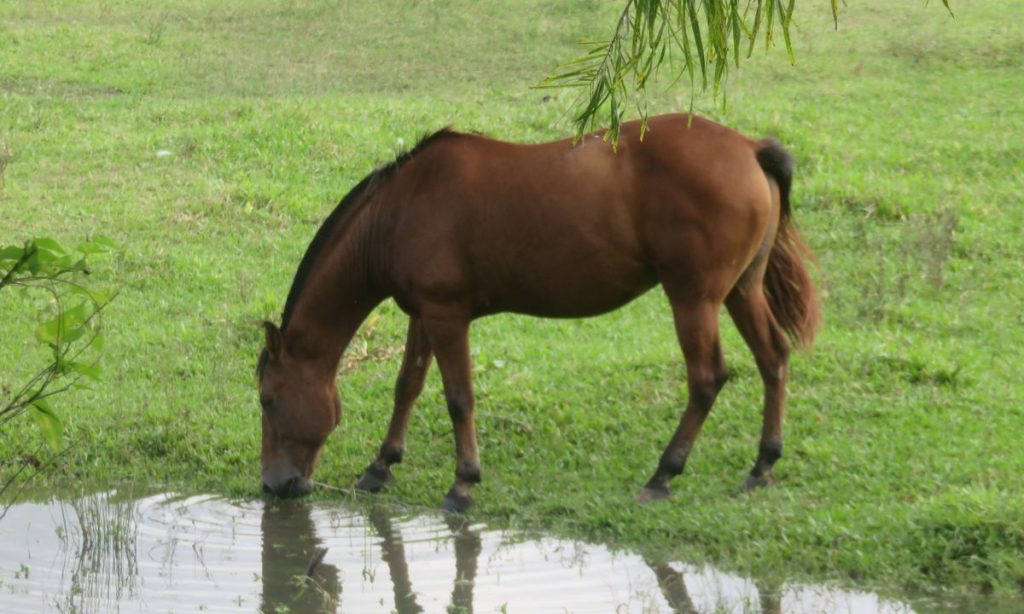
A horse with sensitive skin can make bath day complicated. Ordinary shampoos may leave the coat clean yet aggravate dryness, itching, or a reaction to an added fragrance. This guide compares seven verified horse-compatible shampoos with different cleansing approaches, from oatmeal and aloe formulas to soap-free washes and a spray-on option. Rather than promise that one bottle will solve every skin problem, we focus on practical buying differences: ingredient transparency, scent, bottle size, dilution, rinsing, and routine grooming needs. You will see which options make sense for an occasional home bath, a multi-horse barn, or an owner trying to reduce fragrance exposure. We also explain when a persistent skin concern deserves veterinary care before another shampoo is applied.
Quick Picks
These seven verified products differ in ingredients, package size, application and scent. Use the comparison to identify a practical match, then jump to the detailed discussion for meaningful drawbacks.
| Product | Best For | Key Advantage | Buy | |
|---|---|---|---|---|
| UltraCruz Equine Oatmeal Horse Shampoo | Oatmeal-based coat care | Colloidal oatmeal and aloe | View on Amazon | Jump to Review |
| COAT DEFENSE Sensitive Skin Shampoo for Horses | Aloe-forward concentrated care | Aloe-based formula | View on Amazon | Jump to Review |
| DermAllay Oatmeal Shampoo | Soap-free oatmeal cleansing | Moisturizing, soap-free wash | View on Amazon | Jump to Review |
| Jeffers Equine Simply Natural Horse Shampoo | Large-barn economical bathing | Concentrated 128-ounce bottle | View on Amazon | Jump to Review |
| Vetericyn FoamCare Equine Shampoo | Convenient spray-on application | Fast-coverage foaming sprayer | View on Amazon | Jump to Review |
| Dermalyte Moisturizing Shampoo | Multi-animal mild moisturizing wash | Hypoallergenic soap-free design | View on Amazon | Jump to Review |
| EQyss Micro-Tek Equine Shampoo | Itch-focused grooming routine | Equine-specific botanical positioning | View on Amazon | Jump to Review |
UltraCruz Equine Oatmeal Horse Shampoo

What We Like
- Colloidal oatmeal plus aloe vera
- Equine-specific, pH-balanced formula
- Moisturizers alongside cleansers
- Coat, mane and tail cleansing
- 32-ounce verified listing
What We Don’t Like
- Manufacturer lists added fragrance
- Not a substitute for allergy treatment
For a horse with dry-feeling skin, UltraCruz Equine Oatmeal Shampoo is a sensible starting point because its formula pairs colloidal oatmeal with aloe vera. These ingredients are included to make routine washing feel less harsh while the shampoo removes the usual sweat, dust, and loose dirt. The manufacturer describes this equine product as pH balanced, with moisturizing ingredients intended to preserve the coat’s natural oils. That matters when a horse becomes flaky after repeated baths. It is also a useful option if you want one shampoo for the body, mane, and tail rather than a specialist treatment for each area. The Amazon listing verified for this comparison is a 32-ounce bottle. Its purpose is comfortable cleaning, not diagnosing or correcting the cause of persistent itching.
There is an important limitation hidden behind the gentle positioning. The official ingredient information includes vanilla scent and sweet pea fragrant oil, so this is not a fragrance-free choice. If your horse has previously reacted to scented grooming products, check the full ingredient label with your veterinarian before switching. Start with a small, intact area and watch for an adverse reaction before committing to a full bath. Use enough water to wet the coat thoroughly, spread the shampoo without aggressive rubbing, and rinse until no residue remains. A well-rinsed coat is more useful than an excessively foamy one, especially under tack. For routine dirt and perspiration, you may not need shampoo every time the horse is rinsed. Choose bathing frequency according to skin condition, work, weather, and veterinary advice.
My Recommendation
Choose UltraCruz if oatmeal-based cleansing appeals to you and your horse usually tolerates light fragrance. It brings a clear sensitive-skin focus without moving into medicated shampoo territory. For a horse with documented fragrance reactions, a genuinely fragrance-free formula is the more conservative starting point.
COAT DEFENSE Sensitive Skin Shampoo for Horses

What We Like
- Aloe vera as a prominent base
- Concentrated eight-ounce size
- Marketed for multiple animal species
- Avoids several specified additives
- Useful for targeted routine washes
What We Don’t Like
- Small bottle demands careful budgeting
- Natural ingredients can still trigger reactions
An aloe-forward formula makes COAT DEFENSE Sensitive Skin Shampoo distinctive among the equine products on this list. Its listing identifies aloe as a leading ingredient and positions the shampoo for dry, flaky or easily irritated skin. The verified version is an eight-ounce concentrate, so it occupies less shelf space than the larger stable-sized bottles in this comparison. A compact concentrate can suit an owner who bathes occasionally or wants to evaluate a new grooming routine before buying a large container. The brand also markets this formula for several animal species, although you should follow the label instructions for horses specifically. What gives this product a place here is its explicit focus on gentle cleansing rather than strong fragrance, whitening, or dramatic coat effects.
Claims about restoring a skin microbiome or ending itch cycles are manufacturer marketing statements, not results we can independently confirm for your horse. Treat them cautiously. A gentle cleanser may help remove environmental dirt, but it cannot tell you whether irritation comes from insects, tack friction, infection, allergies, or another cause. Read the current ingredient panel before the first use, especially if you have a known ingredient sensitivity to work around. Concentrated shampoo also makes mixing and complete rinsing important; too much product does not necessarily produce a kinder bath. Use a clean sponge rather than repeatedly dipping dirty equipment into the container. If redness worsens or swelling develops, stop using the product and seek veterinary guidance. This is best viewed as a candidate for routine grooming, not a replacement for a skin examination.
My Recommendation
COAT DEFENSE fits buyers seeking a small, aloe-centered concentrate and willing to follow its mixing directions carefully. The main advantage is a clear gentle-cleansing focus; the tradeoff is the small package and limited independent clinical evidence. Choose a different formulation when the ingredient list conflicts with a known sensitivity.
DermAllay Oatmeal Shampoo

What We Like
- Soap-free cleaning approach
- Oatmeal product for dry skin
- Labeled for horses, cats and dogs
- Moisturizing formula positioning
- Manageable 12-ounce bottle
What We Don’t Like
- Small size for frequent full-body baths
- Check full ingredients before use
DermAllay Oatmeal Shampoo offers a different balance from the large equine-specific concentrates. The verified 12-fluid-ounce listing describes a soap-free cleanser developed for dogs, cats, and horses. Its stated goal is to cleanse while supporting dry, sensitive skin, which makes it relevant when ordinary shampoo leaves a horse feeling too stripped. The oatmeal focus is helpful for owners comparing moisturizing wash styles, although the presence of oatmeal alone cannot guarantee an individual horse will tolerate the complete formulation. This bottle is better suited to an occasional bath or a small-area wash than to repeated full-body cleaning of several large horses. The compact format is easy to store with grooming supplies and makes it reasonable to introduce one new product at a time.
Because this is a multi-species formula, read the current bottle label and use only the manufacturer-approved directions for horses. Do not estimate contact time or dilution from a different animal’s instructions. The product listing emphasizes moisture support, but it does not establish that every patch of scaling or itch will improve with washing. If your horse has open sores, persistent crusts, or pronounced discomfort, a veterinarian should determine whether cleaning alone is suitable. For routine use, pay special attention to the girth, shoulder, and mane areas where leftover shampoo might remain beneath thick hair. Rinse until the water clears and let the coat dry appropriately before replacing tack or a blanket. You may also find that a plain-water rinse is enough after light exercise, saving shampoo for genuinely dirty days.
My Recommendation
DermAllay is a practical option when you want a soap-free oatmeal wash and do not need a gallon of product. Its modest bottle size can be a drawback for frequent stable-wide bathing. Compare the label with your horse’s known sensitivities, and reserve medicated treatment decisions for your veterinarian.
Jeffers Equine Simply Natural Horse Shampoo

What We Like
- 128-ounce verified container
- Published 1:16 dilution guidance
- Coconut and aloe formula components
- No added fragrance stated in listing
- Moisturizes mane and tail
What We Don’t Like
- Large container needs storage room
- Long ingredient list requires checking
Jeffers Equine Simply Natural stands out for horse owners who need a larger amount of shampoo without choosing a conventional strongly scented bath wash. The verified Amazon listing is for 128 ounces and describes a concentrated, pH-balanced horse formula. Coconut-derived cleansing ingredients appear alongside aloe vera, shea butter, glycerin, and conditioning components. These are presented as a combination for removing sweat and dirt while keeping the coat manageable. The listing also specifies no added dyes or fragrances, a useful distinguishing point for owners trying to avoid scent in routine grooming. That does not mean the entire formula is automatically nonreactive; any ingredient can matter to a particular horse. The main attraction is a stable-oriented format that can be measured and diluted rather than used directly in uncontrolled amounts.
The listed routine dilution is one part shampoo to sixteen parts water, which is worth following instead of guessing by eye. Pre-mixing can help distribute cleaner across a broad coat while limiting concentrated spots. A gallon-sized bottle takes up more storage space and is less convenient to transport to shows, so decanting into a clean labeled container may be useful when the label permits it. Avoid adding other cleansers to the mixture or leaving a prepared dilution standing longer than directed. As with every choice here, rinse thoroughly under the mane, around the flanks, and near tack contact areas. For horses with a complex dermatitis history, compare the full ingredient list against known triggers rather than relying only on the absence of fragrance. Consider climate and drying time before planning a full wet bath.
My Recommendation
Pick Jeffers if you manage several horses or prefer a larger concentrated bottle for routine washing. Its published dilution directions and fragrance-free positioning are appealing. The tradeoff is storage and preparation effort. Someone bathing one sensitive horse infrequently may prefer a smaller package with fewer ingredients to assess.
Vetericyn FoamCare Equine Shampoo

What We Like
- Direct spray-on application
- Foams across wet equine coat
- Aloe and conditioning ingredients
- Rinses without complicated mixing
- 32-fluid-ounce format
What We Don’t Like
- Official formula lists sulfate surfactants
- Contains a mild scent per brand information
A spray-on format gives Vetericyn FoamCare Equine Shampoo a genuinely different role in this lineup. The verified 32-fluid-ounce product dispenses foam-ready shampoo across a wet horse, which can make coverage easier when handling a large body or washing after a busy training day. The brand markets it for routine skin and coat conditioning, with aloe among its listed ingredients. The product is designed to rinse promptly, and that convenience can help an owner who otherwise uses too much wash or misses patches along the back. It may also be practical for cleaning one dirty section rather than committing to a full-body session. Those application advantages are distinct from medical effectiveness; the product listed here is the non-medicated everyday version.
Check the manufacturer ingredient list rather than assuming every product sold as hypoallergenic is free of potential triggers. The official everyday FoamCare formula lists sodium laureth sulfate, sodium lauryl sulfate, and a mild scent. These details matter if your horse is sensitive to particular surfactants or fragrance. Some owners may still find this format practical, but a highly reactive horse may call for a simpler formulation chosen with veterinary guidance. Use the sprayer on an already wet coat, lather gently, and rinse all foam away. Avoid spraying into eyes, ears, or irritated open skin unless the current label clearly directs otherwise. Store the trigger bottle where it will not freeze or leak. If you’re investigating chronic itching, the convenience of a spray should never outweigh the need to identify its underlying cause.
My Recommendation
Vetericyn FoamCare suits owners prioritizing quick, even application and easy rinsing. It is especially convenient for routine spot cleaning. However, the documented surfactants and scent mean it is not my first choice for a horse with known fragrance or cleanser reactions. Choose by ingredients, not packaging claims alone.
Dermalyte Moisturizing Shampoo

What We Like
- Soap-free moisturizing formulation
- Indicated for sensitive skin
- Labeled for horse use
- Compact 12-fluid-ounce size
- Hypoallergenic positioning
What We Don’t Like
- Contains a coconut fragrance
- Small bottle for large horses
Dermalyte Moisturizing Shampoo is aimed at owners seeking a mild wash rather than a specialized whitening or heavy-duty degreasing product. The 12-fluid-ounce listing identifies it as soap-free, hypoallergenic, and suitable for horses as well as dogs and cats. It is positioned for normal, dry, or sensitive skin, with moisturizing properties highlighted in the product information. This is a practical shortlist candidate when harsh cleansing appears to make a coat feel tight or dull after a bath. The small container is convenient for storing in a grooming kit and may be sufficient for an occasional targeted wash. For an entire large horse, however, you should consider how many baths a small bottle can reasonably support before selecting it for long-term stable use.
One labeling detail deserves special attention: this shampoo lists a coconut fragrance. That can be attractive to buyers who prefer a light scent, but a horse with demonstrated fragrance sensitivity may do better with an unscented alternative. Hypoallergenic is a product-positioning term, not a promise that reactions are impossible. Read the complete current label for other ingredients that might matter to your horse. Avoid using the shampoo directly on broken, bleeding, or infected skin without veterinary direction. During bathing, keep lather away from eyes and work it through the coat with gentle movements instead of hard scrubbing. Rinsing matters more than achieving a strong scent or extended foam. If you are changing multiple grooming products at once, it becomes harder to pinpoint the cause of a skin reaction, so introduce changes cautiously.
My Recommendation
Dermalyte is worth considering for mild, soap-free washing when a small multi-animal bottle suits your routine. Its moisturizing emphasis is useful, but the coconut fragrance is a real tradeoff. For a horse with a known scent-triggered reaction, prioritize a confirmed unscented alternative instead.
EQyss Micro-Tek Equine Shampoo

What We Like
- Horse-specific formula
- Clear manufacturer wash directions
- Botanical-based positioning
- Suitable for mane and body grooming
- 32-ounce verified bottle
What We Don’t Like
- Floral scent may trouble reactive skin
- Itch claims do not identify the cause
EQyss Micro-Tek is designed for equine owners who are particularly concerned about rubbing and itching during regular grooming. The verified 32-ounce product listing emphasizes a botanical approach and a pH-balanced cleanser intended for horses, including ponies and foals. It also supplies specific mixing and contact-time instructions, which can be more useful than vague directions to wash until clean. That guidance makes it possible to follow a consistent routine rather than adjusting application casually from bath to bath. This product is different from a basic coat-shine shampoo because its marketing focuses on irritated skin. Still, an itch-focused name should not be mistaken for a veterinary diagnosis. Insect bites, external parasites, infections, and contact irritation can look similar at first glance.
The listing identifies a light floral scent, so owners avoiding all fragrances should pay attention before choosing this option. Read the package instructions carefully, especially the timing for application and rinsing, because contact times can vary between products. Do not assume longer exposure improves comfort. For skin that is raw, bleeding, very painful, or spreading in patches, veterinary assessment comes before experimenting with another wash. A gentle, complete rinse can prevent leftover residue from becoming a separate irritant. After bathing, record whether your horse continues to rub against fences or stall walls; that observation is more informative than a temporary clean appearance. If a new shampoo makes discomfort worse, discontinue it and consult the veterinarian. For ordinary grooming, avoid scrubbing repeatedly at one itchy area simply because it seems dirty.
My Recommendation
Consider EQyss when you want an equine-specific shampoo with clearly stated wash directions and an itch-oriented focus. Its floral scent is the principal caution for highly sensitive horses. Persistent rubbing calls for diagnosis, not a series of increasingly strong shampoos; choose the product only for an appropriate grooming role.
How to choose Best Horse Shampoo for Sensitive Skin
The best horse shampoo for sensitive skin depends on the horse’s known triggers, how frequently you wash, and whether the goal is ordinary cleaning or veterinary-directed treatment. Compare actual ingredient information before trusting broad terms such as gentle or natural.
Read the complete formula, not just the front label
Begin with what has irritated your horse in the past. A product described as hypoallergenic might still contain fragrance, particular preservatives, or surfactants that do not agree with an individual animal. A formula with oatmeal or aloe can be a reasonable option for dry-feeling skin, but those ingredients do not automatically make the entire product non-irritating. Check the manufacturer’s current ingredient panel instead of relying solely on a shortened listing. If your horse has had a suspected contact reaction, ask the veterinarian which ingredients to avoid. Introduce only one grooming change at a time. That makes it easier to recognize whether a new product is associated with increased redness or rubbing. For severe symptoms or broken skin, delay experimentation until the cause has been assessed.
Match bottle size, dilution, and application to your barn
A small twelve-ounce bottle may suit occasional bathing, while a concentrated gallon is more practical for a multi-horse grooming schedule. Price per bottle alone is misleading when one formula is diluted and another is used straight. Read mixing instructions and consider how much prepared solution you need for a thorough wash. A spray-on bottle can make it easier to cover a wet horse evenly, but the applicator does not make the ingredients inherently gentler. Think about where shampoo will be stored, how much water is available, and whether the horse tolerates prolonged rinsing. A convenient product still needs complete removal from the coat. During chilly weather, plan baths so the horse can dry safely rather than staying damp under a blanket.
Separate normal bathing from skin treatment
A mild shampoo helps remove sweat and dirt, but itching has several possible causes. Insect hypersensitivity, friction, parasites, and infections may need different management. A medicated formula should not be chosen just because a horse has scratched once or twice. The veterinarian can determine whether medication, insect control, or another intervention is appropriate. For ordinary cleaning, a water-only rinse may be enough after light work. When you use shampoo, wet the coat thoroughly, follow the stated contact time, and rinse until no residue remains. Do not scrub inflamed patches vigorously, and avoid eyes and mucous membranes. Watch the skin afterward; increasing redness, swelling, crusting, hair loss, or ongoing distress warrants prompt professional advice. Thoughtful bath frequency usually matters more than chasing a stronger product.
Final Verdict
For an oatmeal-focused routine, UltraCruz and DermAllay are worth comparing, but the UltraCruz ingredient list includes fragrance. COAT DEFENSE emphasizes aloe in a compact concentrate. Jeffers offers a larger, unscented-positioned formula, while Vetericyn FoamCare prioritizes application convenience despite its documented surfactants. Dermalyte and EQyss have their own grooming uses, yet both list scent. The best choice is the one whose full label aligns with your horse’s sensitivities, your bathing routine, and veterinary advice when symptoms persist.
For broader grooming, see our horse-tail detangler guide and horse shedding-blade guide. If nutrition and coat care are also on your checklist, our horse omega-3 supplement selection guide covers a separate decision. A shampoo is not a treatment plan for unexplained irritation.
Frequently Asked Questions
Sensitive-skin bathing raises practical questions about scent, frequency, product safety, and when washing is not enough. These answers focus on everyday grooming rather than medical diagnosis.
Is oatmeal horse shampoo always the best choice for sensitive skin?
No. Oatmeal may be part of a gentle wash, but the full formulation matters. Some oatmeal shampoos also contain fragrance or other ingredients that a particular horse may not tolerate.
How often should I shampoo a horse with sensitive skin?
There is no single schedule for every horse. Shampoo when cleaning is needed, consider a water-only rinse after light work, and follow a veterinarian’s advice for any diagnosed skin condition.
Does hypoallergenic mean a shampoo cannot cause a reaction?
No. Hypoallergenic does not guarantee zero reactions. Check all ingredients and discontinue a product that appears to increase redness, itching, or discomfort.
Can I use medicated horse shampoo for ordinary itching?
Do not select a medicated product solely on the basis of itching. A veterinarian can assess whether insects, an infection, contact sensitivity, or another problem requires targeted treatment.
Why is thoroughly rinsing horse shampoo important?
Leftover cleanser can remain against the skin, especially through thick hair or under tack-contact areas. Follow the product directions and rinse carefully until the coat is free of suds.
Feature image: “Horse drinking water,” photograph by GiFavetta, via Wikimedia Commons, CC0 1.0 public domain dedication. Image source and license.









