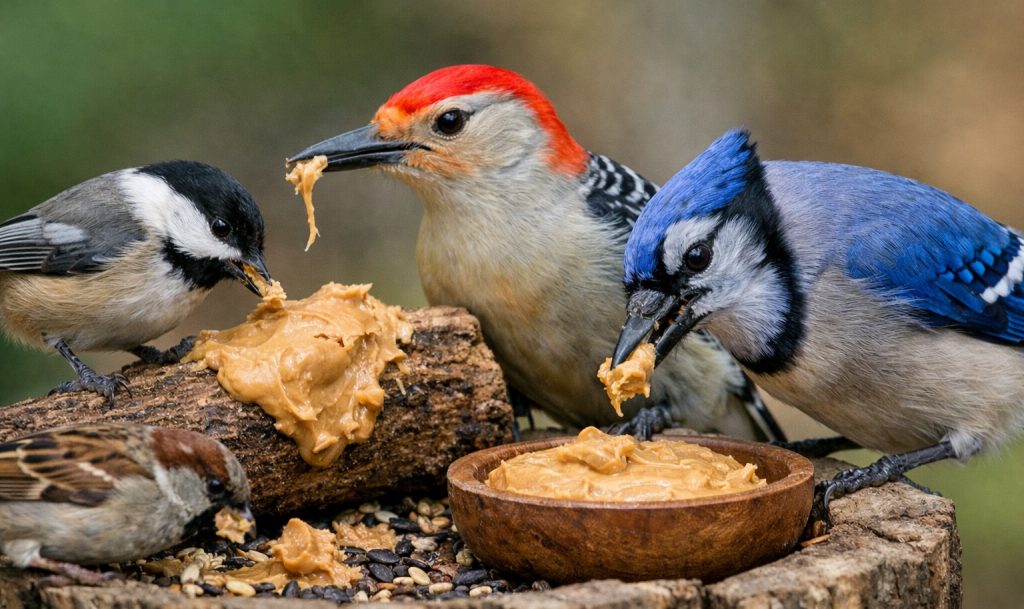
Yes — many birds can eat peanut butter safely when prepared and offered correctly.
I am a wildlife enthusiast and avian caregiver with years of hands-on experience feeding wild and pet birds. This article answers can birds eat peanut butter in detail. You will learn which species benefit, what risks to avoid, how to prepare safe offerings, and practical tips I use in the field to attract healthy birds. Read on to get clear, trusted guidance you can use today.
How peanut butter interacts with birds: a clear overview
Can birds eat peanut butter? Yes, many species can. Peanut butter is high in protein and fats. It can be a good energy source, especially in cold weather.
At the same time, peanut butter is calorie dense and can harm birds if given wrong. Too much, the wrong type, or sticky globs can create problems. This section explains the basic effects of peanut butter on bird health and behavior.
 Source: reddit.com
Which bird species can eat peanut butter
Can birds eat peanut butter varies by species. Some species thrive on it. Others should only have tiny amounts or none at all.
Common species that commonly eat peanut butter
- Blue jays — keen on peanuts and peanut butter.
- Chickadees and titmice — enjoy small, thin spreads.
- Woodpeckers — take it from feeders or pinecones.
- Cardinals and nuthatches — readily consume small amounts.
- Sparrows and starlings — may take it but compete heavily.
Pet birds and parrots
- Many parrots and cockatiels eat peanut butter in moderation.
- Be cautious with pet birds; check ingredients for harmful additives like xylitol.
Source: blogspot.com
How to offer peanut butter safely to birds
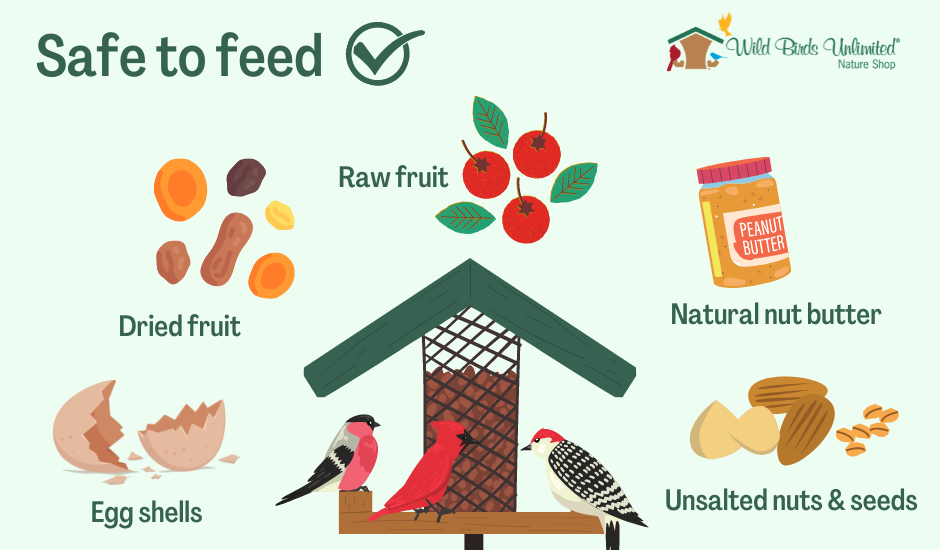
Can birds eat peanut butter safely? Yes, when you follow simple rules. Use plain, unsalted peanut butter with no added sugar or sweeteners. Avoid any product that lists xylitol or artificial sweeteners.
Safe ways to offer peanut butter
- Spread a thin layer on a platform or tray feeder to prevent clumping.
- Smear on pinecones or tree bark to create easy pecks for small birds.
- Mix small amounts with birdseed to reduce stickiness and spread calories.
- Keep portions small and offer a few times per week, not daily.
Feeder hygiene and routine
- Clean feeders often. Old peanut butter can go rancid or mold.
- Replace any leftover food within 24–48 hours in warm weather.
Monitor birds for signs of overfeeding or competition at the feeder.
Quick question: Will peanut butter attract unwanted animals?
Yes. Peanut butter can attract squirrels, raccoons, and rodents. Use squirrel-proof feeders or offer smaller quantities to reduce visits by non-target animals.
Quick question: Is crunchy or smooth better for birds?
Smooth peanut butter spreads more easily and is less likely to trap feathers. Either type works if spread thinly and responsibly.
Quick question: Can baby birds eat peanut butter?
Baby birds should not be fed peanut butter directly. Their diets need specific protein and moisture levels. Offer peanuts only if guided by a wildlife rehabilitator.
Risks and precautions when feeding peanut butter to birds
Can birds eat peanut butter without risk? Not always. There are clear hazards to consider. Knowing them keeps birds safe.
Main risks
- Choking or entanglement — thick globs can stick to beaks or feathers.
- High fat and calories — can cause obesity if overfed.
- Salt and additives — salted or sweetened varieties harm bird health.
- Mold and aflatoxin risk — spoiled peanuts can contain toxins dangerous to birds.
- Xylitol and artificial sweeteners — extremely toxic to pets and possibly risky for birds.
How to reduce risk
- Buy plain, unsalted peanut butter with no additives.
- Offer thin layers and small amounts.
- Store peanut butter in a cool place and discard if it smells off.
- Watch feeders and adjust if one species is monopolizing food.
Nutritional benefits and limitations
Can birds eat peanut butter for nutrition? Yes, it provides quick energy and useful nutrients. But it should not be the only food.
Nutritional profile highlights
- High in healthy fats — gives birds energy for cold days.
- Good protein source — supports muscle and feather maintenance.
- Low in moisture — birds must also get water from other sources.
Limitations
- Too calorie dense for daily feeding.
- Lacks certain vitamins and minerals birds need.
- Not a substitute for natural forage or balanced seed mixes.
Alternatives to peanut butter
Can birds eat peanut butter alternatives? Absolutely. These options reduce risk while offering nutrition.
Good alternatives
- Unsalted shelled peanuts — natural form that encourages pecking.
- Suet cakes — high-energy and safe in winter.
- Sunflower seed mixes — favored by many backyard species.
- Mealworms — great protein boost for insectivores.
- Fresh fruit — apples, berries, and grapes attract many species.
Blend approaches
- Mix a small amount of peanut butter with seed or suet to make a safer paste.
- Use commercial peanut-butter-style wild bird treats designed for safety.
Personal experience: lessons from feeding birds peanut butter
Over years of feeding wild and pet birds, I learned practical tips that really help. Simple choices make a big difference.
What worked for me
- I switched to plain natural peanut butter. Birds loved it and I saw fewer health issues.
- Thin spreads on pinecones drew chickadees and nuthatches without attracting too many squirrels.
- Observing feeders daily helped me catch mold or overeating early.
Common mistakes to avoid
- Leaving sticky clumps on cold nights — they can harden and cause trouble.
- Using sweetened or salted peanut butter — these caused loose stools in some birds.
- Offering large piles — it leads to aggressive behavior and dependence.
Frequently Asked Questions of can birds eat peanut butter
Can peanut butter kill birds?
Peanut butter itself rarely kills birds if used properly. Toxic additives, mold, or xylitol are the real dangers. Proper choices and portion control greatly reduce risk.
How often can birds eat peanut butter?
Offer peanut butter a few times per week at most. Use it as a supplement, not a main food source. Rotate with seeds, suet, and fresh foods.
Is peanut butter safe for baby or nestling birds?
No, do not feed peanut butter directly to nestlings. Their diet must be moist and specific. Contact a wildlife rehabilitator for feeding guidance.
Can parrots eat peanut butter?
Many parrots can eat a small amount of plain peanut butter. Ensure no xylitol, salt, or sugar. Treats should be rare and small.
Will peanut butter make birds dependent on feeders?
If offered daily and in large amounts, yes, birds may rely on feeders. Keep wild diet diversity and limit peanut butter to prevent dependence.
Can moldy peanut butter hurt birds?
Yes. Moldy peanuts can harbor aflatoxins that are harmful or fatal to birds. Discard any suspect or old peanut butter immediately.
Conclusion
Peanut butter can be a safe, high-energy treat for many bird species when chosen and offered with care. Use plain, unsalted products. Offer thin layers or mixes and avoid additives like xylitol. Watch feeder hygiene and portion sizes. Start small and observe the birds. Try alternatives like suet and seeds to keep diets balanced. If you want healthier, happier birds, apply these tips and adjust based on local species and season.
If this guide helped, try a small, safe peanut butter offering this week and watch how your backyard visitors respond. Share your results or questions in the comments and subscribe for more practical bird-feeding advice.