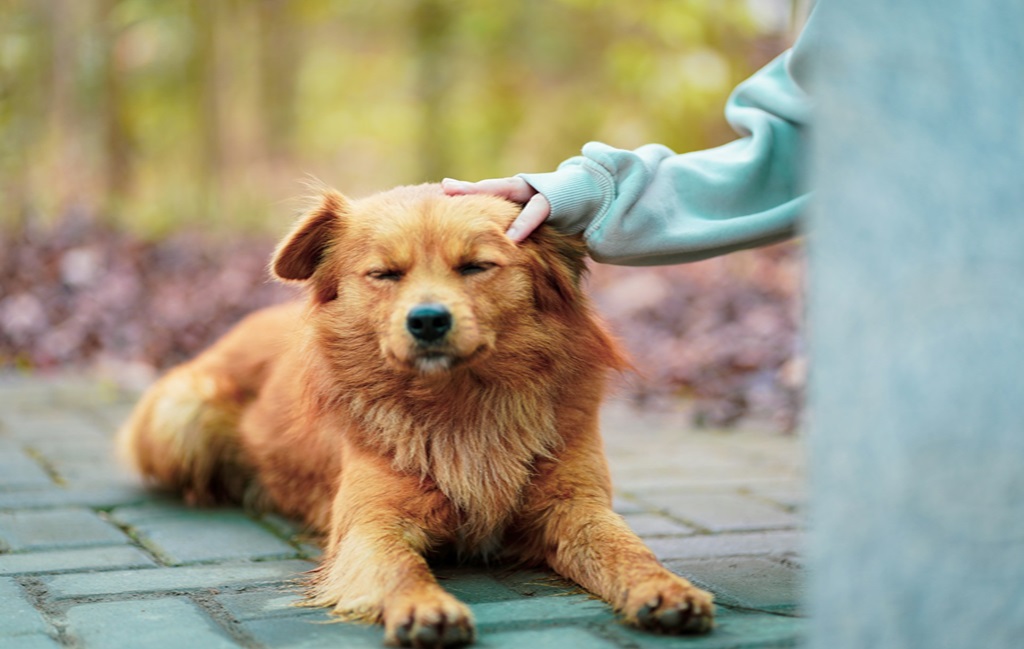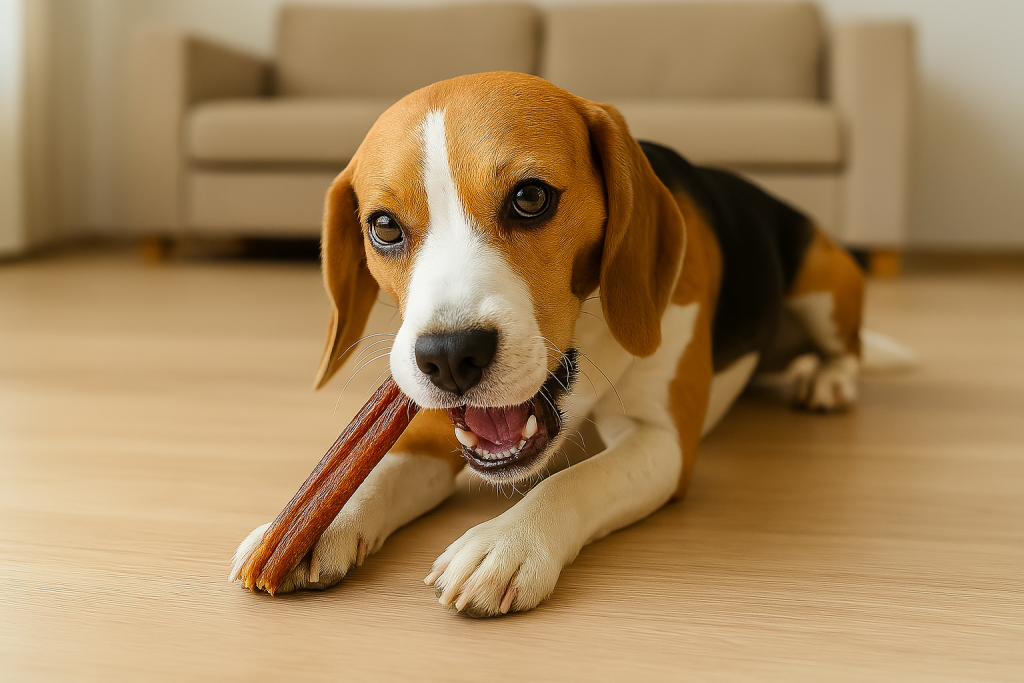

Chews often help systemically, wipes clean surface stains, and powders absorb moisture—each has a clear role.
I have worked with veterinarians and groomers and tested many products, so I understand how Chews vs wipes vs powder for dog tear stains perform in real homes. This article compares the three approaches clearly. You will learn how each product works, when to use it, safety issues, and a step-by-step plan to reduce tear staining. Read on for practical tips and evidence-based guidance to keep your dog’s face clean and healthy.
Understanding tear stains and why they form
Tear stains are reddish-brown marks on fur below the eyes. They come from tears, saliva, and trapped debris. Many dogs show them, especially light-colored breeds. The stains often involve porphyrin, an iron-containing compound in tears that darkens when exposed to air.
Common causes include:
- Genetics and facial anatomy that cause tear overflow.
- Blocked or narrow tear ducts.
- Eye irritation from allergies, infections, or foreign matter.
- Excessive tearing due to eyelid or hair problems.
I have seen dogs with simple cosmetic stains and others with underlying eye disease. Always check with a veterinarian before treating chronic or painful eye issues.
Chews vs wipes vs powder for dog tear stains: an overview
Understanding how each product works helps pick the right tool. Chews work from the inside. Wipes act on the surface. Powders control moisture and bacteria on the fur. Each method targets a different part of the problem.
When you compare Chews vs wipes vs powder for dog tear stains, focus on cause, safety, and routine fit. For mild, cosmetic staining, wipes or powder often help. For ongoing tear chemistry problems, chews may support internal balance when combined with vet care.
How chews work and when to use them
Chews typically include antioxidants, probiotics, or ingredients that support liver and tear chemistry. They aim to change the composition of tears so porphyrin production or bacterial growth decreases.
Benefits
- Treat systemic contributors from inside the body.
- Easy to give as daily treats.
- Some formulas reduce odor and porphyrin staining.
Limitations
- Results may take weeks.
- Not a fix for blocked ducts, infections, or structural eye issues.
- Quality varies between brands; some contain unnecessary fillers.
Practical tips from experience
- Use chews alongside veterinary advice.
- Track progress with photos every two weeks.
- Stop chews if you notice digestive upset and consult your vet.
I have used chews on dogs with persistent staining and saw modest improvement over 6 to 12 weeks when combined with hygiene. Chews are best as part of a plan, not a standalone miracle.
How wipes work and when to use them
Wipes clean the fur and eyelid area. They remove tears, debris, and surface bacteria. They are the fastest way to reduce visible staining in minutes.
Benefits
- Immediate cosmetic improvement.
- Low cost and easy to use daily.
- Useful for travel and quick clean-ups.
Limitations
- Short-term: stains return if tears continue to flow.
- Some wipes contain alcohol or irritants; choose gentle, vet-approved formulas.
- Improper use can spread bacteria or irritate eyes.
Safe wipe use
- Wipe from the corner of the eye outward, once per swipe.
- Use a clean wipe each eye to prevent cross-contamination.
- Avoid pressure near the eye; be gentle with older dogs.
In grooming practice, wipes are a go-to between baths. They reduce staining fast and keep the area sanitary.
How powders work and when to use them
Powders often absorb moisture and reduce bacterial growth on fur. They can dry the tear-wet fur and reduce pigment dyeing. Many powders contain cornstarch, natural clays, or antimicrobial ingredients.
Benefits
- Good for long hair that traps moisture.
- Helps keep fur dry and less prone to staining.
- Easy to apply after cleaning.
Limitations
- Can cake or look dusty if overapplied.
- Not effective when tears are excessive or genetically driven.
- Some ingredient sensitivities exist; test on a small area first.
Application tips
- Clean the area with a gentle wipe first.
- Apply a small amount of powder with a cotton bud or finger.
- Brush away any excess to avoid buildup.
I use powder after grooming sessions for long-coated breeds. It keeps the underside of the eyes dry and slows re-staining.
Side-by-side comparison: Chews vs wipes vs powder for dog tear stains
Consider these practical comparisons when deciding which to use.
Effect timeline
- Chews: Weeks to months for systemic change.
- Wipes: Immediate but temporary.
- Powder: Immediate moisture control with short-term effects.
Best use case
- Chews: Dogs with biochemical causes or chronic staining with vet guidance.
- Wipes: Daily cleaning and travel touch-ups.
- Powder: Long, dense fur that traps moisture and debris.
Safety and comfort
- Chews: Check ingredients and vet approval.
- Wipes: Use alcohol-free and ophthalmologist-safe wipes.
- Powder: Use non-toxic, fine powders and avoid inhalation.
Cost and convenience
- Chews: Ongoing expense, similar to supplements.
- Wipes: Low cost, simple habit.
- Powder: Low to moderate cost, occasional use.
In practice, combining them often works best. For example, use wipes daily, powder after grooming, and chews for long-term reduction.
How to choose: a step-by-step decision guide
Follow this short plan to choose between Chews vs wipes vs powder for dog tear stains.
Step 1: Vet check
- Rule out infections, blocked ducts, or eyelid issues first.
Step 2: Identify goals
- Cosmetic cleaning: choose wipes.
- Moisture control on long fur: choose powder.
- Long-term tear chemistry: consider chews with vet approval.
Step 3: Test one change at a time
- Try wipes daily for two weeks, then add powder if needed.
- Introduce chews and monitor over 6–12 weeks.
Step 4: Monitor and adjust
- Take weekly photos.
- Stop any product that irritates skin or causes GI upset.
PAA-style questions
- Will wipes alone stop tear stains? Wipes remove surface stains but do not stop tears. They help appearance but must be used continually if underlying cause remains.
- Are chews safe for all dogs? Many chews are safe, but check with a vet if your dog is on medication or has health issues. Always follow dosage and monitor for side effects.
This plan reflects years of hands-on grooming and discussions with vets. It keeps treatment simple and safe.
Application and safety tips
Safety is key around the eyes. Use gentle products and watch for adverse signs. Keep routines short to avoid stress.
Everyday safety checklist
- Always consult a vet for persistent or painful eye issues.
- Choose products labelled safe for use around eyes.
- Avoid products with strong fragrances, alcohol, or harsh detergents.
- Use separate wipes for each eye and fresh hands for application.
- Introduce chews slowly and observe digestion and coat changes.
Common mistakes to avoid
- Over-cleaning, which can dry skin and increase tearing.
- Using human products or harsh powders.
- Expecting overnight results from systemic chews.
From personal experience, consistency wins. Small, calm routines beat aggressive cleaning.
Frequently Asked Questions of Chews vs wipes vs powder for dog tear stains
What is the fastest way to remove tear stains?
Wipes provide the fastest visible improvement by removing surface stains immediately. They do not stop new staining if tears continue.
Can chews permanently stop tear stains?
Chews may reduce staining over time by changing tear chemistry, but they rarely provide a permanent cure alone. Vet guidance and combined hygiene are usually needed.
Are powders safe near my dog’s eyes?
Powders can be safe if designed for pets and applied carefully to fur, not directly into the eye. Avoid inhalation and test for skin sensitivity first.
How often should I use wipes on my dog?
Daily wiping is common for maintenance, but adjust frequency to your dog’s comfort and skin condition. Reduce use if skin becomes dry or irritated.
Should I see a vet before trying chews, wipes, or powder?
Yes. A vet can rule out infections, blocked ducts, or structural issues and recommend safe products. Start with a veterinary exam for chronic or painful cases.
Conclusion
Chews vs wipes vs powder for dog tear stains each serve a distinct need. Wipes clean quickly. Powders control moisture and help long coats. Chews support internal balance for longer-term change. Combine methods responsibly and consult your veterinarian for persistent problems. Start with a vet check, then build a gentle routine: wipe daily, apply powder as needed, and add chews if advised. Try one change at a time and watch progress with photos. Share your experience, subscribe for updates, or ask a question below to keep learning.