Birds come faster when you offer the right food, the right feeder, and a safe, quiet place.
If you want to know how to attract birds to a new feeder, the answer is simple but not instant: make the feeder easy to find, easy to trust, and worth visiting. In my experience, birds act like careful neighbors. They watch first, then test, then return once they feel safe. This guide breaks down exactly how to attract birds to a new feeder using proven bird-feeding habits, smart placement, and a few small adjustments that can make a big difference.
Choose the right feeder for the birds you want
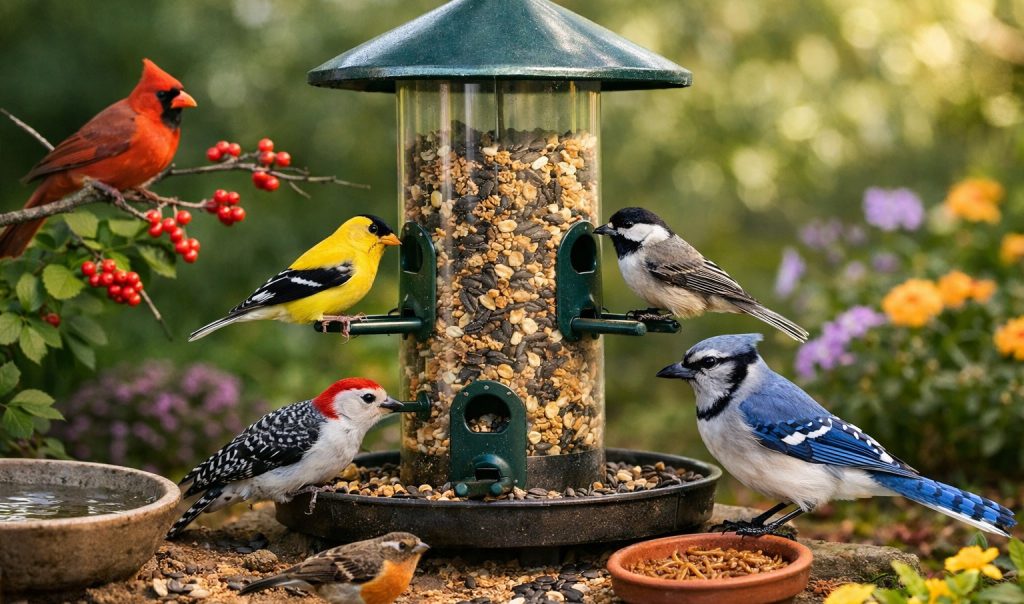
The first step in how to attract birds to a new feeder is choosing a feeder that matches the birds in your area. Different species prefer different feeder styles, and birds often ignore a feeder that feels awkward or unsafe. A well-chosen feeder can bring in chickadees, finches, cardinals, nuthatches, and many other backyard birds much faster.
Tube feeders work well for small seed eaters like finches and chickadees. Platform feeders are great for ground-feeding birds and larger species. Hopper feeders tend to attract a wide mix because they look familiar and hold more seed. If you are serious about how to attract birds to a new feeder, start with one that fits your local species, not just one that looks nice.
Useful options include:
- Tube feeder for sunflower hearts and nyjer seed
- Hopper feeder for mixed seed and general use
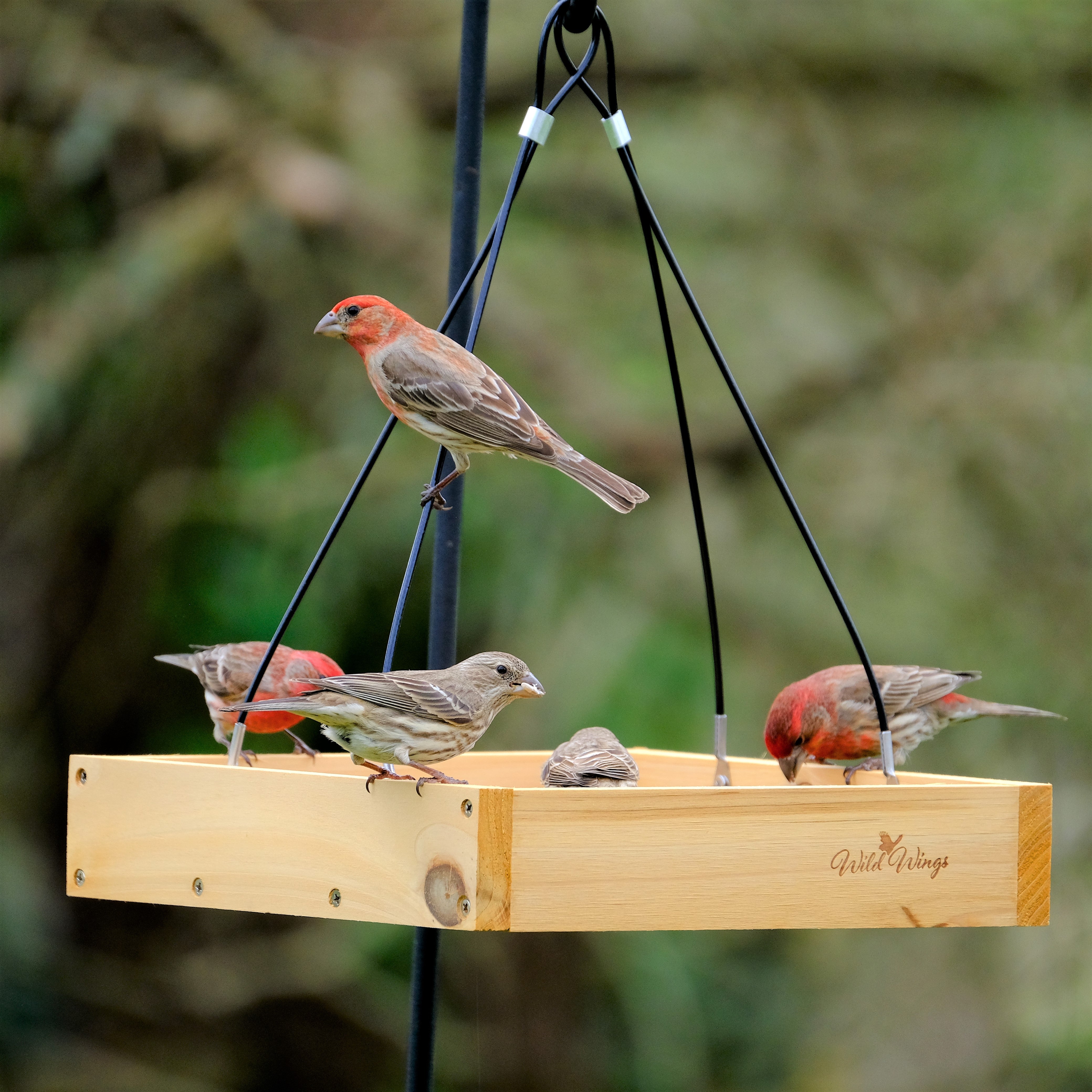
- Platform feeder for cardinals, sparrows, doves, and jays
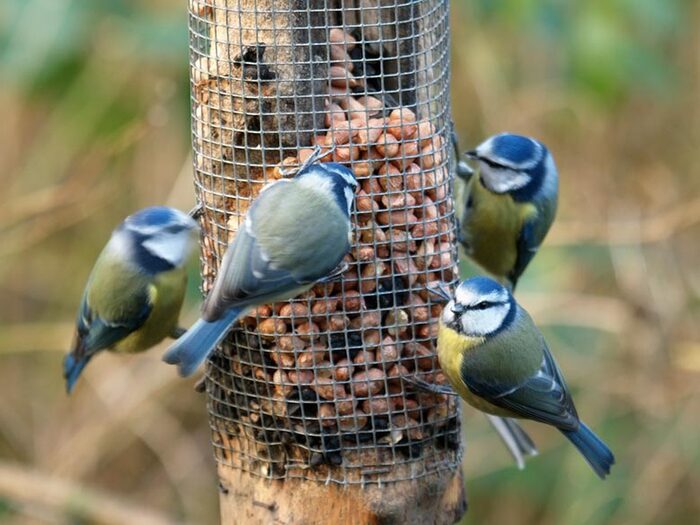
- Suet feeder for woodpeckers, nuthatches, and chickadees
- Nyjer feeder for goldfinches and pine siskins
From years of watching feeder activity, I have learned that the easiest feeders for beginners are simple and open. Fancy feeder designs may look great, but birds usually care more about safety, food access, and stability than style.
 Source: youtube.com
Use the food birds trust most
Food choice is one of the biggest factors in how to attract birds to a new feeder. Birds are selective, and many prefer high-energy foods that are easy to eat and familiar. If the seed is stale, low quality, or full of fillers, birds may take one look and leave.
Black oil sunflower seed is often the best all-around choice. It has a thin shell and a high oil content, which makes it easy for many species to eat. Sunflower hearts, suet, nyjer seed, and peanuts can also work very well depending on the bird species in your yard.
Best food choices for a new feeder include:
- Black oil sunflower seed for a wide range of birds
- Sunflower hearts for less mess and fast feeding
- Nyjer seed for finches
- Suet cakes for insect-eating birds
- Unsalted peanuts for jays, titmice, and woodpeckers
- White millet for ground-feeding birds like sparrows and doves
Avoid seed mixes with too much red milo, wheat, or cracked corn if your goal is to attract smaller backyard birds. Those fillers often get ignored and can make the feeder look unattractive. In practice, a smaller amount of good seed works better than a big feeder full of poor seed.
Place the feeder where birds feel safe
Location matters as much as food when learning how to attract birds to a new feeder. Birds are cautious by nature. They want a clear view of their surroundings, quick access to cover, and protection from predators.
Set the feeder near shrubs, trees, or natural cover, but not so close that a cat or squirrel can ambush them. A good rule is to place feeders about 10 to 12 feet from bushes or other hiding spots. That gives birds a quick escape route while still letting them scan for danger.
Placement tips that work well:
- Keep feeders visible from the air
- Put them near natural cover, not inside thick brush
- Avoid placing feeders too close to windows
- Choose a quiet area away from heavy foot traffic
- Keep feeders stable and level
I once moved a feeder only a few feet away from a busy patio, and bird visits nearly doubled. That small change taught me something important: birds are like cautious diners. They prefer a calm restaurant over a noisy one.
Keep the feeder clean and fresh
Clean feeders are essential if you want to master how to attract birds to a new feeder. Dirty feeders can spread mold, bacteria, and disease. Birds notice poor conditions, and once a feeder gets slimy or spoiled, activity often drops fast.
Clean feeders regularly with warm water and mild soap. Rinse them well and let them dry fully before refilling. During wet or hot weather, clean them more often because seed can spoil quickly.
Good cleaning habits include:
- Empty old seed before adding fresh seed
- Scrub the feeder every 1 to 2 weeks
- Clean more often in rainy, humid, or warm conditions
- Remove moldy or clumped seed right away
- Sanitize feeders after a disease outbreak in the area
This is one area where experience matters a lot. I used to assume birds would “power through” old seed, but they won’t. Once seed gets damp or sour, they move on, and some may not come back for a while.
Make the feeder easy to discover
If birds do not know the feeder exists, they cannot use it. A big part of how to attract birds to a new feeder is helping birds notice it from nearby perches, flight paths, and feeding spots. Birds often find feeders faster when they are in open view and near places they already visit.
You can help by using bright, fresh seed and placing the feeder where sunlight catches it. Birds also tend to notice feeders near birdbaths, native plants, and trees they already use. In many yards, nearby movement from other birds is enough to spark curiosity.
Ways to improve feeder discovery:
- Start with one feeder instead of many
- Place it in a visible spot
- Add a birdbath nearby
- Use native shrubs and trees to guide traffic
- Keep the feeding area simple at first
Think of it like opening a new café on a side street. If people cannot see it or do not know it exists, they will not stop in. Birds are the same way, except they often need a little more time and a lot more trust.
Offer water near the feeder
Water is one of the most overlooked parts of how to attract birds to a new feeder. Birds need water for drinking and bathing, and a feeder near a clean water source becomes much more appealing. In many backyards, a birdbath brings in birds even faster than seed.
A shallow birdbath with fresh water can help birds feel comfortable visiting the area. Moving water, like a dripper or small fountain, often attracts even more attention because birds notice sound and sparkle. Keep the water clean and shallow so small birds can use it safely.
Water tips:
- Use a shallow basin
- Change water daily if possible
- Keep the bath clean to reduce algae and debris
- Add movement with a bubbler or dripper
- Place the bath where birds can see danger coming
I have seen brand-new feeders sit quietly for days until a birdbath was added. After that, activity picked up quickly. The birds did not just want food; they wanted a place that felt complete.
Be patient during the first few days
Patience is a major part of how to attract birds to a new feeder. Birds do not always rush in right away, especially if the feeder is new or placed in an unfamiliar spot. Some birds may take days or even a few weeks to start using it regularly.
This slow start is normal. Birds learn by watching other birds, checking for safety, and testing the food source. If you keep the feeder clean, stocked, and placed well, the odds improve every day.
What helps most:
- Keep the feeder filled consistently
- Avoid moving it too often
- Keep pets away from the feeding area
- Stay quiet near the feeder during busy times
- Watch for first visitors and build from there
A common mistake is changing everything too fast. People move the feeder, switch seed, and add more feeders all at once. That makes it harder to tell what is working.
Protect birds from predators and window strikes
Safety is central to how to attract birds to a new feeder. If birds sense danger, they will not stay long. Predators like cats, hawks, and even reflective windows can scare birds away or harm them.
Keep cats indoors or far from the feeding area. Use window decals, screens, or external treatments to reduce strikes. Position feeders either very close to windows or farther away so birds do not build dangerous speed before impact.
Safety tips to remember:
- Keep feeders away from lurking cat zones
- Use window markers or decals
- Place feeders less than 3 feet or more than 30 feet from glass
- Avoid placing feeders in open spots with no cover nearby
- Watch for hawks if your area has them
Bird safety is not just kind. It also pays off because birds are more likely to return when they feel secure. Trust grows when danger is low.
Add native plants to support feeder traffic
Native plants make a feeder much more effective. They are part of how to attract birds to a new feeder because they offer shelter, nesting spots, insects, and natural food. Birds often visit feeders more often when the surrounding yard feels like habitat, not just a snack station.
Coneflowers, black-eyed Susans, serviceberry, dogwood, and native grasses can all support birds in different ways. Even small shrubs can help birds move safely between cover and the feeder. The better the habitat, the more likely birds are to stay.
Why native plants help:
- They provide natural food
- They attract insects that birds eat
- They offer cover from predators
- They create familiar habitat
- They support birds through the seasons
In my own yard, the feeder that got the most traffic was not the one with the fanciest seed. It was the one near native shrubs where birds could perch, hide, and return. The feeder became part of a larger feeding route, which is exactly what many birds want.
 Source: reddit.com
Adjust feeding based on the season
Seasonal changes matter when learning how to attract birds to a new feeder. Birds do not eat the same foods in the same way all year. Temperature, migration, nesting, and food availability all affect feeder traffic.
In winter, birds often need more high-fat, high-calorie food like suet and sunflower seed. In spring and summer, some birds may prefer insects, fruit, or easier access to water. During migration, a feeder can become especially useful because birds need quick energy.
Seasonal feeding tips:
- Use suet in colder months
- Keep water available year-round if weather allows
- Offer high-energy seed during migration
- Watch for seasonal species changes
- Adjust seed based on what gets eaten fastest
A feeder that works in January may not be the same one that performs best in July. That is normal. Bird feeding is more like gardening than vending. It changes with the weather and the rhythm of nature.
Watch what birds are already in your area
Local bird behavior is a key part of how to attract birds to a new feeder. The best feeder setup in the world will not help much if the food does not match your local species. Regional birds vary by habitat, climate, and season, so it helps to know what is common in your yard.
Use a bird guide, app, or local wildlife group to learn which birds live nearby. Then match the feeder style and food to those species. If your area has cardinals, grosbeaks, and woodpeckers, a different setup may work better than if your yard is full of goldfinches and chickadees.
Look for:
- Species common in your region
- Seasonal visitors and migrants
- Birds that feed on the ground
- Birds that prefer suet or seed
- Birds that like open or sheltered spaces
This is where a little observation goes a long way. Once you know who is likely to visit, you can make smarter choices and stop guessing.
Common mistakes that keep birds away
A lot of people ask how to attract birds to a new feeder, but the real trick is avoiding the mistakes that scare them off. Even one small problem can slow visits, especially early on when birds are still deciding whether the feeder is safe.
Common mistakes include overfilling with poor seed, placing the feeder too close to danger, and letting it get dirty. Another major issue is giving up too soon. Birds often need time to discover a feeder and decide it is dependable.
Mistakes to avoid:
- Using low-quality seed mixes
- Placing feeders in high-traffic or noisy areas
- Letting wet seed sit too long
- Moving the feeder constantly
- Ignoring squirrels, cats, or window hazards
I have also seen people buy three feeders at once and then wonder why none of them get much use. Birds often prefer one reliable food spot over a crowded setup that feels confusing. Simplicity usually wins.
 Source: youtube.com
Frequently Asked Questions of how to attract birds to a new feeder
How long does it take birds to find a new feeder?
It can take a few days to a few weeks, depending on location, food type, and local bird activity. Birds usually find feeders faster when they are placed in a visible, safe, and quiet spot.
What is the best bird food for a new feeder?
Black oil sunflower seed is one of the best choices because many species like it and it is easy to eat. Sunflower hearts, suet, and nyjer seed can also work very well for specific birds.
Why are birds ignoring my new feeder?
They may not feel safe, the seed may be low quality, or the feeder may be too close to people, pets, or windows. Birds may also need more time to discover and trust the feeder.
Should I keep a new feeder full all the time?
Yes, consistency helps birds learn that the feeder is a reliable food source. You should still check often to make sure the seed is fresh and not wet or moldy.
Do birdbaths help attract birds to feeders?
Yes, a clean birdbath can increase feeder activity because birds need water for drinking and bathing. In many yards, water is just as important as seed.
Conclusion
Learning how to attract birds to a new feeder is really about building trust. Choose the right feeder, offer high-quality seed, place it in a safe spot, and keep everything clean and consistent. When you add water, native plants, and a little patience, the feeder starts to feel like part of a place birds already want to visit.
If your feeder is still quiet, do not assume something is wrong. Small changes often make the biggest difference, and birds usually reward steady care. Start with one or two improvements today, watch what happens, and let the birds tell you what works best.